Umbrella Shaft Materials: Aluminum vs Steel vs Fiberglass
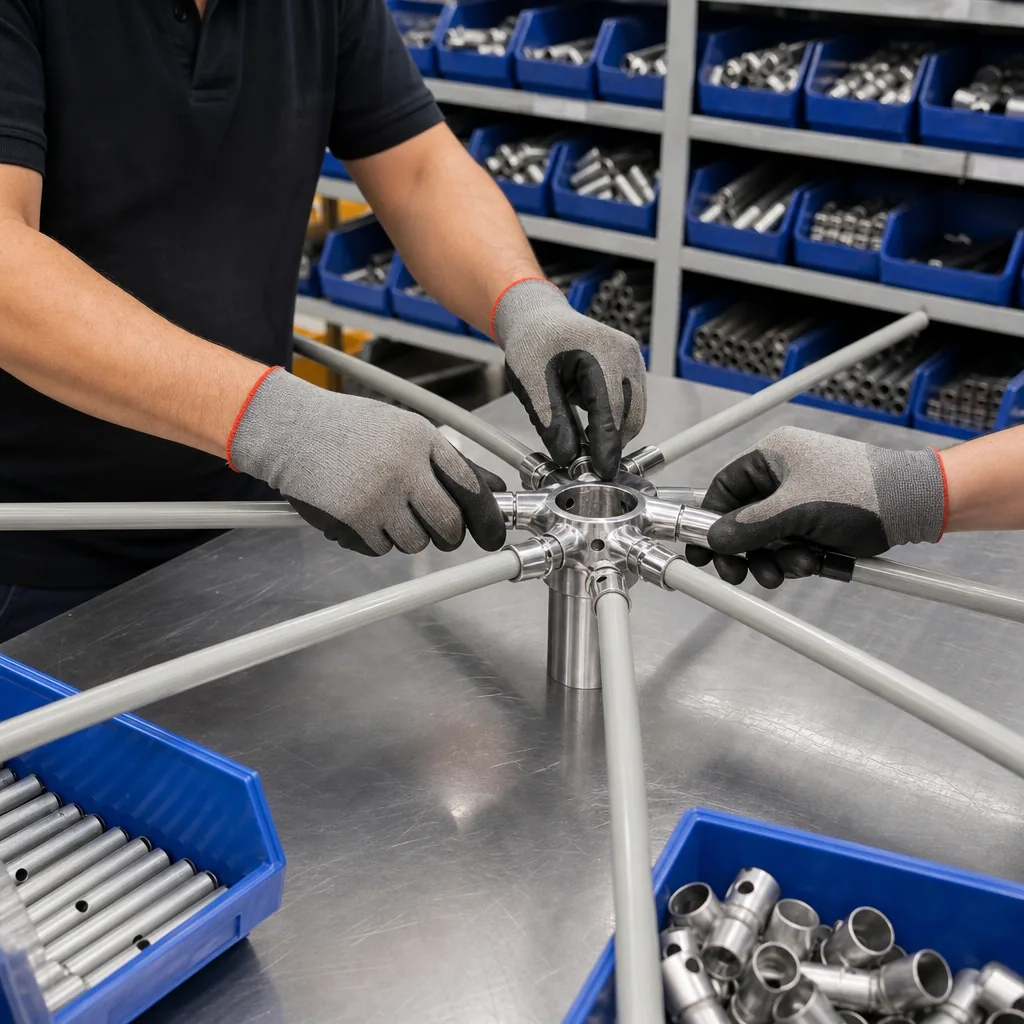
Choosing the right umbrella shaft material is not a small spec decision; it affects opening feel, wind performance, shipping weight, corrosion risk, and total cost across the whole product line. On the factory floor, aluminum, steel, and fiberglass each solve a different problem, and the wrong choice shows up quickly in returns, rust complaints, or unnecessary expense. The best option depends on how the umbrella will be built, used, and priced.
Why the shaft matters as much as the ribs
The shaft is the main load path in an umbrella, not a decorative stick under the canopy. When a gust pushes on a 23" or 27" frame, the ribs spread the force, but the shaft carries that force into the handle and the user’s hand. If the shaft is undersized, you feel it as wobble, crooked tracking, or a top-heavy swing when opening. That is why umbrella shaft material affects balance as much as the ribs do. A good shaft keeps the crown centered, resists ovalizing under compression, and gives the umbrella a clean, controlled feel instead of a loose hinge point that chews through the runner and top notch over time. In production, we look at wall thickness, straightness tolerance, and how the shaft mates with the rib crown, because a weak center tube will fail even if the rib set is strong. The right umbrella shaft material also changes how an umbrella sits in the hand, especially on auto-open and auto-open-close styles where the spring load and release force are concentrated through the center tube.
An aluminum umbrella shaft is the lightest common option and usually the easiest way to keep carry weight down for compact travel umbrellas and 21" frames. It gives a decent balance of stiffness and cost, but cheap alloy or thin wall stock will bend permanently after a few hard impacts or repeated snap-open cycles. A steel umbrella shaft is heavier, but that extra mass can help with a more planted feel in straight-stick golf umbrellas and promotional models where cost matters more than portability. Steel also tolerates abuse better at the ferrule and runner interface, though it needs proper plating or coating to control rust, especially in humid shipping lanes and retail storage. For buyers comparing an aluminum umbrella shaft to steel, the real question is not only weight but how the shaft behaves with the canopy size, venting, and mechanism. A large 30" umbrella with a thin aluminum center tube often feels unstable, while a compact steel unit can feel overly heavy in daily carry.
A fiberglass umbrella pole is the better choice when wind performance matters because it flexes instead of taking a permanent set. On a vented double-canopy frame, that flex helps the whole umbrella dump gust load instead of transferring every shock into the hand and the top joint. Fiberglass does not corrode, which is useful for beach, golf, and coastal use, and it pairs well with fiberglass ribs when the goal is a true windproof build rated for 50+ mph conditions in controlled testing. The tradeoff is manufacturing cost and finish control: fiberglass shafts must be cut cleanly, bonded correctly, and protected at stress points so the fibers do not splinter. In practice, the best umbrella shaft material depends on the use case. For low-cost giveaway umbrellas, steel may be acceptable. For travel weight, aluminum works if the rib set is modest. For premium storm umbrellas, a fiberglass umbrella pole is usually the right structural choice because it keeps balance, survives repeated flexing, and protects the rest of the frame from overload.
Steel shafts: strength and weight tradeoffs
A steel umbrella shaft is the blunt-instrument choice in this product category: heavy, stiff, and hard to beat when the goal is low cost with acceptable structural margin. In a typical umbrella shaft material comparison, carbon steel gives you better dent resistance than a thin aluminum tube, and it tolerates abuse at the handle ferrule and runner better than many buyers expect. The tradeoff is obvious on the bench. A steel shaft in a 21-inch folding frame will usually add noticeable carry weight versus an aluminum umbrella shaft, especially once you add a metal tips and a denser rib set. That extra mass can help the umbrella feel more solid in hand, but it also makes the finished product less comfortable for daily commuter use.
Corrosion is the main problem, not raw strength. Bare carbon steel will rust quickly if the plating is damaged, so a steel umbrella shaft normally needs chroming, black electrophoretic coating, or at least a decent zinc finish before assembly. In humid storage, coastal shipping, or after repeated wet-dry cycles, any scratch at the shaft joint can become a rust point. We see this most often at the stretcher rivet holes, the ferrule, and the section ends where the coating gets shaved during swaging. If the buyer wants a lower-cost umbrella shaft material for a promotion piece, steel is workable, but the finish specification matters as much as the base metal. Poor plating will show orange bleed-through before the umbrella is even through one rainy season.
Compared with a fiberglass umbrella pole, steel is less forgiving in wind because it does not flex and recover the same way; instead, it tends to deform permanently once the load spikes. That said, for straight-shaft umbrellas, golf styles, and budget telescopic frames, steel still has a place when the target is price and a firmer hand feel. The practical decision is usually between weight and durability: aluminum reduces carry weight, fiberglass improves wind recovery, and steel gives the cheapest rigid core with decent compressive strength. Our standard practice is to reserve steel shafts for customers who can accept the extra grams and the corrosion-control requirements, then specify plating thickness and salt-spray expectations up front so the umbrella shaft material does not become the failure point later.
Aluminum shafts: light, rust-free, and tunable
An aluminum umbrella shaft is usually the first choice when the buyer wants lower carry weight without giving up basic structural consistency. In the factory, the real advantage is not just grams saved on paper, but easier handling in the hand and less fatigue for users who open and close the umbrella repeatedly. Compared with a steel umbrella shaft, aluminum is also naturally rust-resistant, which matters when the product lives in rainwater, coastal humidity, or damp storage carts. For promotional umbrellas, travel umbrellas, and compact 21-inch or 23-inch models, that weight reduction is often the difference between a piece that feels acceptable and one that feels clunky.
The finish matters as much as the base metal. We normally anodize the aluminum shaft to improve surface hardness and keep the tube from looking scratched up after transit or retail handling. Anodizing does not make aluminum “rust-proof” in the marketing sense, but it does slow cosmetic wear and gives a cleaner, more uniform appearance than bare metal. It also helps with color control when the shaft is paired with black powder-coated frames or printed canopies. For the umbrella shaft material decision, anodized aluminum is a practical middle ground: lighter than steel, more stable in appearance than untreated tube stock, and easier to spec across large production runs without constant rework.
The tradeoff is bend behavior. Aluminum does not fail the same way a fiberglass umbrella pole does, and it does not recover the same way either. Under overload, aluminum tends to take a permanent set sooner than fiberglass, so it is less forgiving in wind-heavy designs unless the wall thickness and diameter are sized correctly. A thin aluminum shaft can feel fine in normal urban rain, but if the umbrella is expected to face stronger gusts, I would not force a light gauge just to hit a cost target. The better approach is to match the shaft thickness, ferrule, and rib set to the use case, then choose aluminum only when the weight and corrosion advantages are worth that stiffness penalty.
Fiberglass and composite shafts
Fiberglass is the best choice when the priority is flex, not stiffness. A fiberglass umbrella pole can bend under gust load and spring back instead of taking a permanent set like a thin steel umbrella shaft or a soft aluminum umbrella shaft. On the factory floor, that matters because the shaft has to absorb shock from the runner, stretcher, and canopy frame without cracking at the ferrule or top cap. In practice, fiberglass shafts are usually paired with fiberglass ribs or a composite frame on 23" to 30" golf umbrellas, where a 9 mm to 14 mm shaft diameter is common and the extra recovery helps the umbrella survive repeated opening cycles in wind. For an umbrella shaft material spec, fiberglass usually wins on durability under dynamic load, while steel wins on absolute rigidity and aluminum wins on weight.
The other reason buyers pay for fiberglass is dielectric safety. A fiberglass umbrella pole is non-conductive, so it is the sensible premium option for outdoor staff, stadium crews, utility visitors, and event teams who work around overhead lines or metal structures. It is not a substitute for electrical safety procedures, but it removes one obvious conduction path that a steel umbrella shaft creates and an aluminum umbrella shaft also carries. That premium positioning comes with tradeoffs: higher raw-material cost, slower machining, and tighter control on wall thickness, resin content, and tip fit to avoid splintering or ovalization. At ZheBrella, the common commercial pattern is a fiberglass or composite center shaft on windproof models, then steel only where buyers want low cost and aluminum where they want light weight.
Matching shaft to product and budget
The right umbrella shaft material depends on the job the umbrella has to do, not on what sounds premium on paper. For low-cost promotional straight umbrellas, a steel umbrella shaft is still the cheapest structure that can pass basic use, especially on 23" and 27" frames with 190T pongee or PVC canopies. A steel tube is heavier, but it is easy to source, easy to weld, and usually the lowest per-piece cost when the order is large and the buyer cares more about print area than weight. If the target is a compact travel model, an aluminum umbrella shaft usually makes more sense because it cuts carry weight and feels cleaner in hand, but it adds cost compared with steel and is less forgiving if the tube wall is too thin. The umbrella shaft material choice should follow the price point, not the catalog language.
For windproof and higher-end products, fiberglass usually belongs in the ribs first, then the shaft if the design needs better flex and corrosion resistance. A fiberglass umbrella pole is not the cheapest option, but it handles repeated bending better than a thin aluminum tube and does not rust like steel when customers leave the umbrella wet in a car or near the coast. On a per-piece basis, moving from steel to aluminum can add a small step-up cost, while moving to fiberglass normally adds more because the tube and fittings are less commodity-driven. At ZheBrella, we usually recommend fiberglass shafts for 8K or 10K vented golf umbrellas, auto-open-close folding umbrellas, and any model that claims 50+ mph wind resistance. For a 16K double-canopy build, the shaft has to match the rib package; otherwise the product feels mismatched and fails in the middle of the structure, not at the tips.
The practical buying rule is simple: steel for price-sensitive promos, aluminum for lighter travel and mid-tier retail, fiberglass for wind and durability. If the order is a 21" compact umbrella, an aluminum shaft can justify itself because the customer notices the lower carry weight immediately, and the extra shaft cost is easier to absorb in a higher-margin product. If the order is a 30" golf umbrella sold to a brand or event program, a steel umbrella shaft keeps the landed cost down, but a fiberglass umbrella pole becomes the smarter choice once the spec calls for Teflon coating, UV protection, vented canopy, or stronger frame geometry. MOQ, packaging, and freight also matter: heavier steel raises carton weight and can hurt DDP cost more than the factory quote suggests. The umbrella shaft material decision should be made together with the rib count, canopy fabric, and opening mechanism, because changing one part can move the whole cost stack by more than the shaft line item itself.
Frequently Asked Questions
What is the best umbrella shaft material?
It depends on the goal. Aluminum is light and rust-free for compacts, steel is strong and cheap for value lines, and fiberglass flexes for windproof and safety-sensitive uses. Many quality umbrellas mix an aluminum or steel shaft with fiberglass ribs.
Are aluminum umbrella shafts strong enough?
Yes, when properly gauged. Aluminum gives a good strength-to-weight ratio and won't rust, which is why it is common in folding and travel umbrellas. For very large golf or patio frames, steel or composite shafts are usually specified instead.
Which shaft material is best for a beach or travel umbrella?
Fiberglass is usually the best choice when wind resistance and flexibility matter, while aluminum is better when low weight is the priority. For portable beach models, many buyers choose a fiberglass shaft with aluminum or fiberglass ribs to balance durability and carry weight.
When should a distributor choose steel shafts instead of aluminum or fiberglass?
Steel makes sense for entry-level or low-price patio umbrellas where cost is the main driver and the product will stay mostly stationary. It is heavier than aluminum and fiberglass, so it is less suitable for hand-carried or frequent-open-close applications.
What MOQ and lead time are typical for OEM umbrella shaft material changes?
For a custom shaft material spec, factories often ask for 500-1,000 pcs per style and size, depending on the canopy and frame configuration. Lead time is commonly 25-40 days after sample approval, but coated steel or special fiberglass specs can add time.
Looking to Launch Your Custom Umbrella Line?
ZheBrella is a Zhejiang-based OEM/ODM umbrella manufacturer with 17 years of export experience. Free design, low MOQ from 100 pieces, windproof construction, full-color print.
Get Free Quote Now »People Also Search For
Related Articles
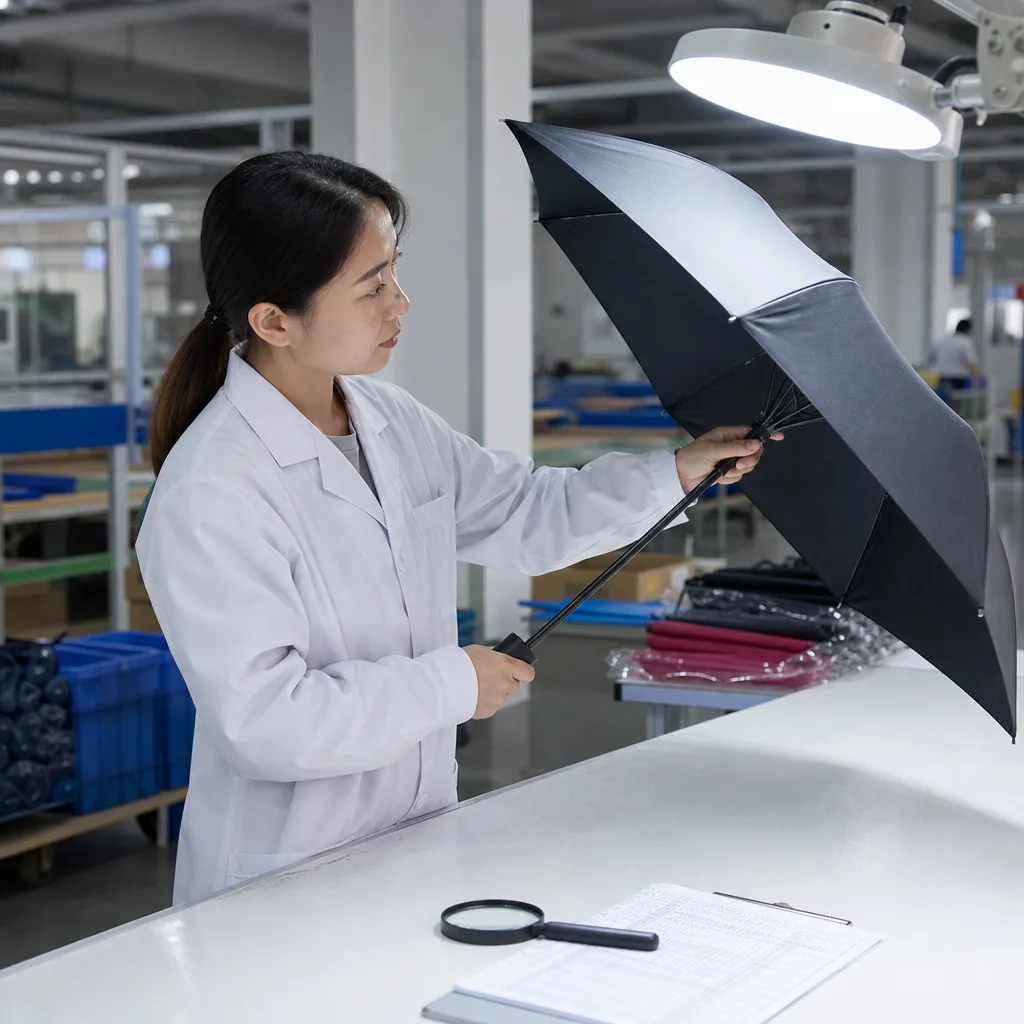
How Umbrella Frames Are Built for Durability and Cost Control
Compare rib counts, shaft materials, and frame assemblies to specify durable umbrellas that balance performance, MOQ, an...
Read More »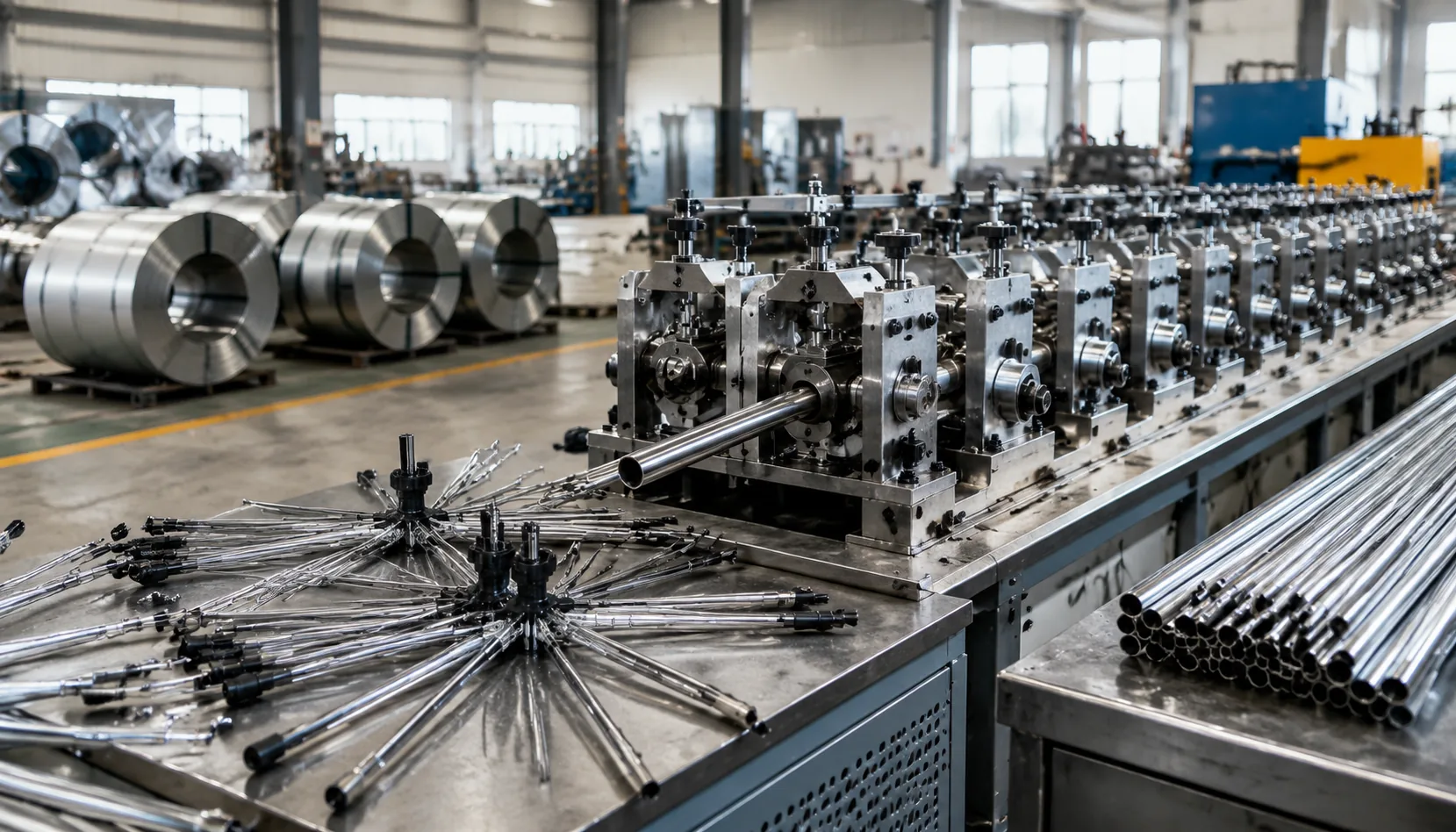
Umbrella Metal Tube Forming for Shafts and Rib Parts
See how tube drawing, cutting, swaging, drilling, and finishing shape steel or aluminum shafts and rib parts for reliabl...
Read More »Umbrella Frame Assembly Tolerances and QC Checks for Buyers
Learn which frame tolerances, weld points, and QC checks reduce defects in umbrella production and protect bulk orders f...
Read More »