Umbrellas for Construction Crews and Field Service Teams
For construction crews and field service teams, an umbrella has to survive more than rain: it gets opened in wind, tossed in trucks, and used by supervisors who need both coverage and visibility on site. At the factory floor, we build construction crew umbrellas around reinforced frames, tested canopy tension, and print areas that hold up under frequent handling. The real buying problem is matching durability, branding, and replenishment terms to how the gear is actually used in the field.
Why field crews need a different umbrella class
Field work changes the spec completely. Construction crew umbrellas are not judged by how compact they are in a hallway or how pretty they look in a sales sample room; they are judged by whether a foreman can open one with a gloved hand while carrying plans, whether the canopy keeps two or three people dry, and whether the frame still works after repeated gusts and dust loading. For that reason, field service umbrellas usually need larger coverage, faster opening, and stronger ribs than retail models. On a jobsite, a slow manual mechanism is a nuisance, and a flimsy shaft turns into a broken part after the first hard blow. Our standard practice at ZheBrella is to treat wind resistance and ease of use as the first two specs, not afterthoughts. A good jobsite umbrella should also shed dust and grit instead of trapping it in joints, because contamination is what wears out the mechanism fastest.
A 62-68 inch canopy makes sense when the umbrella is being used as shared cover for two technicians, a supervisor plus one worker, or a small inspection stop where someone needs to protect a clipboard, tablet, or parts tray. That size starts to behave like a proper field service umbrella rather than a personal rain umbrella, especially if you specify fiberglass ribs, a double canopy umbrella design, and a reinforced vent to let gusts pass through. For heavier exposure, a double-canopy construction with fiberglass ribs and a vented top is a better answer than simply adding more fabric, because it keeps the umbrella from inverting when wind comes across an open site. Smaller 21-27 inch formats still have a place for one person walking between vehicles and buildings, but they are not the right tool when the job requires standing still in exposed weather.
For buyers comparing heavy-duty windproof umbrellas, the real decision is not just size; it is how much wind load the frame can survive and how fast the crew can deploy it. One-hand auto-open or auto-open-close mechanisms matter when workers are carrying tools or climbing in and out of vehicles, and a 62 inch umbrella is often the practical floor for two-person coverage. Once you move to 68 inches, you gain more dry area, but you also need stronger ferrules, better stitching, and a shaft that does not flex excessively in gusts. For bulk orders, lead time should be planned around frame sourcing, canopy cutting, and print method, because a custom job can move from sample approval to shipment in a few weeks only if specs are locked early. If the umbrella is meant for crews that work in wind, dust, and irregular weather, size and structure should be specified together, not separately.
Wind resistance, coverage, and visibility specs
For construction crews, the first failure point is usually not the canopy fabric, it is the frame geometry. A double-canopy umbrella gives wind a place to escape, so it stays usable in gusty jobsite conditions where a standard single-canopy design will invert, twist, or shed water unevenly. That matters for construction crew umbrellas carried between trucks, scaffolding, and open lots, because the user is usually moving, not standing still. In practical terms, a vented double-canopy build is the safer choice when crews face long exposures to crosswind and rain, especially if the umbrella is 21" to 27" and built with fiberglass ribs instead of thin steel wire that bends and stays bent.
Rib count matters more than most buyers think. An 8K frame is fine for light commuter use, but for heavy-duty windproof umbrellas used by field service umbrellas crews, 16K ribs usually hold the canopy shape better under repeated gust loading and rough handling. The extra support points distribute stress across the arc, which reduces panel flutter and seam tear-out on larger canopies. On a jobsite, that is the difference between an umbrella that survives one storm and one that keeps working after weeks of truck storage, daily opening, and accidental snagging on tools or ladder rails. If the spec calls for long shifts in exposed areas, 16K is the better choice; if weight and pack size matter more, 8K is lighter but easier to deform.
Visibility and sun protection should be specified together, not separately. Bright panels help supervisors and vehicle operators spot workers quickly in rain, while reflective tape or piping improves low-light visibility around road work, utilities, and overnight maintenance. For crews that spend hours in open sun as well as rain, a pongee 190T or 210T canopy with UPF 50+ coating is worth requiring, since UV exposure is a real problem on white concrete, rooftops, and paved yards. A solid procurement spec should also call out the lead time, because a reinforced double canopy umbrella with fiberglass ribs, reflective accents, and custom panel colors usually takes longer than a plain single-canopy stock model. If the job site is harsh, build for wind first, then add visibility and UV protection after that.
Frame and fabric decisions for rough environments
For construction crew umbrellas, the frame is usually the first thing that decides whether the product survives a jobsite or gets binned after one storm. Fiberglass ribs are the better default because they flex under gust load and spring back without permanent bend, which matters when an umbrella gets shoved into scaffolding, truck doors, or site fencing. Steel ribs feel rigid on a sample table, but in exposed conditions they often kink at the runner or hinge and fail harder. On field service umbrellas, I also prefer fiberglass stretchers paired with a reinforced metal shaft, because that gives a workable balance of weight and strength without making the carry load annoying for technicians walking between calls.
Handle durability is the other failure point that buyers underestimate. ABS handles crack in cold weather and cheap EVA soft grips tear where the ferrule meets the shaft, so for heavy-duty windproof umbrellas I specify a dense EVA or molded rubber handle with a mechanically pinned connection, not just glue. The canopy should be 190T or 210T pongee; 210T gives a tighter weave and better tear resistance when the umbrella is used daily in grit, rain, and wind-blown debris. If the program is for crews in open sites, a double canopy umbrella is worth the extra cost because the vented top relieves pressure and lowers inversion risk before the ribs overload.
The small reinforcements are what reduce returns. Reinforced tips keep the fabric from tearing out at the rib ends, heavier thread count and bar-tacked stress points reduce seam failure, and a properly vented crown stops the canopy from ballooning in gusts. For construction crew umbrellas, I would rather see fewer decorative features and more stitching density at the rib pockets, tips, and corner overlaps. ZheBrella’s standard practice on this type of build is to match the frame to the wind target first, then lock the fabric weight and sewing spec around it; that approach usually keeps lead time predictable, because the same components can be run through inspection without last-minute rework. For jobsite orders, that matters more than chasing the lowest unit price.
Branding for contractors, inspectors, and service fleets
For construction crew umbrellas, the logo only works if you design for contrast first, decoration second. Dark canopy colors like navy, black, or forest green hold up better in dirt and glare, but a white or silver mark needs enough edge thickness to stay readable at 30 to 40 feet. On oversized panels, usually 23" and 27" fiberglass ribs, a small chest-size logo looks lost; you need to scale the art so it sits on one full panel or spans two adjacent panels without breaking on seam lines. We usually keep fine text above 6 mm stroke weight and avoid thin outlines on field service umbrellas, because UV printing and screen printing both soften tiny detail once the fabric flexes in wind. The real tradeoff is visibility versus restraint. Broad branding works for contractors who want their trucks, crews, and supervisors recognized immediately, especially on heavy-duty windproof umbrellas used at job sites and roadside work. A large logo on a double canopy umbrella gives strong visibility from the outside, but it also makes the piece harder to reuse across subcontractors who need co-branding or a neutral field issue. For those cases, I prefer a smaller mark on one panel, a tone-on-tone imprint, or a single-color logo placed low on the canopy so the umbrella still reads corporate without looking like a billboard. That approach is cleaner when multiple trades are sharing the same fleet. ZheBrella standard practice is to match the branding method to the canopy material and lead time, not just the artwork. On 190T or 210T pongee, sublimation gives better coverage for large panel graphics, while screen print is more durable for simple logos on POE or PVC canopies. If the order needs reflective ink, oversized text, or multiple placements for inspectors and service fleets, the layout has to respect panel curvature and rib spacing, or the logo will distort when the umbrella opens and closes. For most construction crew umbrellas, I would rather ship a clean, legible 1-color mark that survives AQL 2.5 inspection than force a busy design that looks good flat and fails in the wind.
Rollout, QC, and stock replacement planning
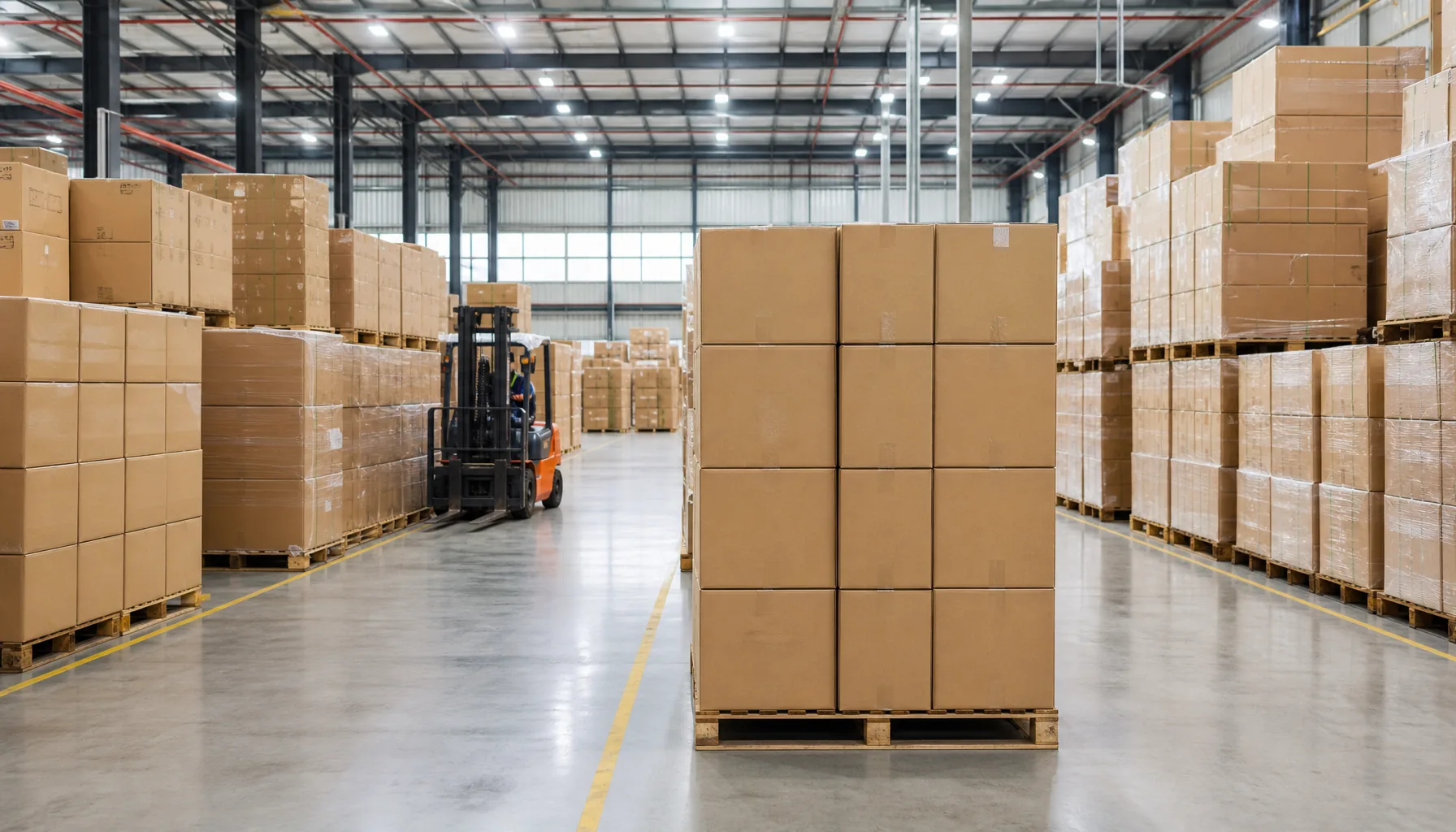
For multi-site deployments, the first number to lock down is MOQ, because it drives both price and production scheduling. For construction crew umbrellas and field service umbrellas, we usually separate the order into a pilot run for sample approval and a follow-on PO for branch rollout, especially when logos, colors, or handle styles vary by region. A practical lead time is 7 to 10 days for pre-production samples and 25 to 40 days for bulk once the sample is signed off, with longer windows if you want custom pantone matching or mixed SKUs in the same order. ZheBrella’s standard practice is to freeze the artwork, canopy spec, and packing list before cutting bulk fabric, because late changes create waste and push the lead time out fast.
QC should be written into the deployment plan, not treated as a final inspection surprise. For heavy-duty windproof umbrellas, insist on AQL 2.5 for appearance, function, and carton count, with separate checks for frame alignment, opening/closing force, canopy stitching, and print registration. If the spec calls for fiberglass ribs, double canopy umbrella construction, or a vented windproof crown, those items need to be verified on the first article and again on a random in-process pull, because weak ferrules or bad rib tension show up early if you know where to look. I also budget for a small overrun of spare units, usually 2% to 5%, because field damage is not evenly distributed and the first failures always happen at the same branches that see the worst weather.
For shipping, FOB works best when your team already has a freight forwarder and wants control over consolidation, customs clearance, and branch-level distribution. DDP is cleaner for buyers who want landed cost visibility and fewer surprises, but it usually adds margin for duty handling, final-mile delivery, and brokerage. Carton labeling matters more than most procurement teams expect: each case should show branch code, SKU, size, canopy color, and whether the pack contains 21-inch, 23-inch, or 27-inch units so warehouse staff do not relabel everything on arrival. For stock replacement planning, I recommend budgeting a seasonal replenishment reserve equal to one extra month of usage plus a breakage allowance, then reordering before the rainy season peaks. That keeps construction crew umbrellas from going out of circulation just when the job sites need them most.
Frequently Asked Questions
Is a golf umbrella always the best choice for construction teams?
Not always. A 62-68 inch golf-style umbrella is useful for supervisors or inspectors, but crews that move through tight spaces often need a slightly smaller windproof model that is easier to store and carry.
What build spec should a buyer ask for if the umbrella will be used in strong wind?
Ask for a double-canopy windproof design with fiberglass ribs and at least 8K construction, or 16K if the umbrella is oversized. Pair that with 210T pongee and reinforced tips to improve durability.
What umbrella size is most practical for supervisors and inspectors working outdoors?
For most field teams, a 23 to 27 inch canopy is the best balance of coverage and portability. Larger 30 inch frames can work for stationary use, but they are less convenient when crews are moving between vehicles, sites, and equipment.
What spec should buyers ask for if umbrellas will be used in strong wind on construction sites?
Request fiberglass ribs, a reinforced shaft, and a double canopy or vented canopy design to reduce inversion. For B2B orders, ask the supplier for wind testing details, because a frame that passes 60 to 70 km/h performance is usually more suitable for field use than a basic promotional umbrella.
What are typical MOQ and lead time ranges for custom jobsite umbrellas?
For OEM/ODM orders, MOQ is often 300 to 500 pieces per color or design, depending on decoration method and materials. Standard lead time is usually 30 to 45 days after sample approval, with replenishment orders sometimes moving faster if the frame and canopy materials are already in stock.
Looking to Launch Your Custom Umbrella Line?
ZheBrella is a Zhejiang-based OEM/ODM umbrella manufacturer with 17 years of export experience. Free design, low MOQ from 100 pieces, windproof construction, full-color print.
Get Free Quote Now »People Also Search For
Related Articles
Umbrellas for Construction and Field Service Teams: Sourcing Guide
A sourcing guide for construction, utilities, and field service buyers selecting rugged umbrellas for crews, supervisors...
Read More »
Branded Umbrellas for Construction, Utility, and Field Teams
Build field-ready umbrellas for crews with reinforced ribs, hi-vis branding, and pack-out specs that fit worksite safety...
Read More »Custom Umbrellas for Utilities and Power Grid Field Crews
Source safer, tougher umbrellas for utility and power-grid crews with windproof frames, practical sizes, QC benchmarks, ...
Read More »