Using Branded Umbrellas in Sports Venues and Fan Retail
At a stadium gate, a storm can turn a smooth event into a line of frustrated fans and missed merchandise sales. The right umbrella program has to handle fast distribution, decent wind resistance, accurate logo reproduction, and enough margin to work for both venues and retailers, which is why branded umbrellas for sports venues need to be planned like operational gear, not just promotional swag. From factory stitching tolerances to print placement and carton packing, the details determine whether the product looks premium on opening day and still performs halfway through the season.
Where umbrellas sell in the sports experience
The best demand for branded umbrellas for sports venues shows up before fans ever reach a seat: parking lots, rideshare drop-offs, outer gates, and the walk from transit all create the same buying moment, which is weather plus waiting. That is where stadium promotional umbrellas usually make sense as giveaways or sponsor-funded items, because a 23" or 27" auto-open frame is easy to hand out, carries visible logo space, and gets used immediately when rain or hard sun hits. Premium seating changes the math: clubs, suites, and hospitality areas can justify a better build, usually fiberglass ribs with 190T or 210T pongee, UV coating, and a cleaner print layout, because the buyer is paying for convenience and presentation, not just shelter.
Fan retail umbrellas sell differently. In team shops, the umbrella has to behave like a merch item, which means the design needs to look intentional on a shelf and in photos, not just hold a logo. Fans will buy custom logo umbrellas when they are tied to a specific moment — opening day, rivalry games, postseason, golf event umbrellas for donor tournaments, or a rain-heavy market where the team’s colors need a practical product. If you treat the umbrella as a retail SKU, price it like apparel accessory inventory with a clear margin target; if you treat it as a bundled ticket perk, the real value is attendance lift, sponsor activation, or premium-package retention, not unit profit.
The cleanest channel split is this: giveaway for mass reach, bundled perk for higher perceived value, retail for margin. Giveaway programs should stay simple, usually manual or auto-open, lower decoration cost, and enough durability to survive one season of crowd use; retail and premium programs can justify double-canopy vented windproof construction, 8K or 10K ribs, and better packaging. ZheBrella’s standard practice is to match the product to the venue zone instead of forcing one umbrella across the whole stadium, because the same 21" compact model that works at a gate table can underperform in premium seating or the team shop.
Designing for team branding and stadium visibility
For branded umbrellas for sports venues, the first thing I look at is panel count, because it changes how much clean real estate you actually have for a logo. An 8K or 10K frame gives wider panels and fewer seam interruptions, which is better for a large team mark or a sponsor lockup that needs to read from the stands. Once you move to 16K, the artwork gets chopped up fast unless the design is built for repeated elements. For stadium promotional umbrellas, I usually recommend keeping the main logo on two adjacent panels or one full panel plus a top band, because small marks scattered across every panel disappear at distance and look busy on TV or in crowd photos.
Print size matters just as much as structure. A logo that looks fine at arm’s length will fail if it is not scaled to at least 250 to 300 mm wide on a standard 23" or 27" canopy, and larger retail-ready models can take more. Bold contrast is nonnegotiable: white on navy, black on yellow, red on white, or metallic silver on deep team colors all hold up better than tone-on-tone graphics. For fan retail umbrellas, I prefer a clean sponsor lockup with one primary mark and one secondary brand treatment, rather than stacking three or four logos into one panel. That keeps the umbrella readable, makes the merchandising look intentional, and reduces complaints from buyers who want the piece to feel like team gear instead of ad inventory.
Canopy color is the other half of visibility, and dark canopies are not always the best choice even if they feel more premium. A black or deep navy canopy makes a bright logo pop, but it also hides the umbrella in a packed concourse if the artwork is too small. Light gray, white, or high-contrast team accent colors give better distance read, especially for golf event umbrellas where sponsors want a cleaner field of view across an open course. For custom logo umbrellas sold through retail channels, I would package them in a printed sleeve or hangtag with one clear product photo, size callout, and barcode-ready labeling; that matters because buyers expect stadium promotional umbrellas to move through retail racks fast. ZheBrella’s standard practice is to proof the artwork at full canopy scale before production so the client can check visibility, seam breaks, and packaging layout together instead of fixing them after printing.
Performance specs for outdoor venues
For branded umbrellas for sports venues, the rib choice matters more than the print. Fiberglass ribs flex when people are packed shoulder to shoulder, so they tolerate knocks from passing fans and reduce the chance of bent shafts when umbrellas are opened in a hurry. Steel ribs feel stiffer and cheaper up front, but in crowd traffic they transfer impact into permanent bends, and once a steel arm is kinked the umbrella rarely tracks straight again. In practice, 8K frames are fine for light fan retail umbrellas and stadium promotional umbrellas used around concourses or controlled entry points, while 16K frames make more sense for exposed seating areas because the extra rib count spreads wind load and keeps the canopy from inverting as easily.
For outdoor exposure, auto-open is the right default because fans will use the umbrella one-handed while carrying drinks, tickets, or bags; manual mechanisms slow distribution and get ignored. UPF 50+ coatings are worth specifying for day games, golf event umbrellas, and summer stands with long sun exposure, because shade is often the real product value, not rain cover. Double-canopy vented construction is the most useful upgrade for open bowls and upper-tier seating: it lets pressure escape through the top vent instead of ballooning the canopy, which is why these frames stay usable longer in gusts. ZheBrella’s standard practice is to pair fiberglass ribs with vented 16K builds when the buyer wants custom logo umbrellas that must survive repeated use, not just a one-day giveaway.
If the venue is partially covered and the umbrella is mostly for retail resale, 8K fiberglass is usually enough and keeps cost and weight down. If the umbrella will be used in wind funnels, near railings, or on exposed sidelines, move to 16K with a reinforced shaft and a double-canopy top; that combination is much harder to fold backward when the wind shifts suddenly between structures. For fan retail umbrellas, I would avoid steel unless the design is oversized and stationary, because the resale complaint we see most is bent ribs after one bad gust. The practical spec for sports venues is simple: fiberglass for resilience, 16K for wind, auto-open for speed, and UPF 50+ plus venting whenever the seating bowl has real sun and airflow.
Buying for stores, concessions, and bulk activations
For branded umbrellas for sports venues, the first mistake buyers make is ordering one SKU in one size and hoping it covers stores, concessions, and sponsor giveaways. It usually does not. For fan retail umbrellas, I would build a tight assortment: 21" compact auto-open for handbags and car use, 23" standard stick for general merch, and 27" or 30" golf-style canopies for premium price points and outdoor supporters. If the venue is pushing stadium promotional umbrellas, specify rib construction up front — fiberglass ribs for wind resistance, steel only where cost matters more than breakage rates — and lock the canopy choice early, usually 190T or 210T pongee with water-repellent or UV coating if the item will sit on display racks by the gates. For assortment depth, 2-4 colorways per model is enough for most stores; more than that ties up cash and floor space fast.
MOQ planning should match how often the venue restocks, not just the headline attendance number. A common structure is 300-500 pieces per style for custom logo umbrellas, with higher MOQs when you add pantone-matched panels, vented double-canopy construction, or special handle tooling. FOB makes sense when the buyer already has a freight forwarder and wants control over ocean or air routing; DDP is cleaner for merch teams that need a landed price to the warehouse without handling customs, duties, or last-mile delivery. The tradeoff is simple: FOB usually gives more control and often a lower unit cost, while DDP reduces internal workload and surprises. For sports venues with multiple sales channels, I usually separate retail replenishment from event-only stock so one delayed shipment does not empty the store.
Lead time planning has to follow the calendar, not the production ideal. For home openers, playoff runs, and tournament weekends, place orders 45-75 days ahead if artwork is already approved; shorter than that leaves no room for printing rework, sewing bottlenecks, or AQL 2.5 inspection rejects. If the order includes golf event umbrellas for hospitality tents or sponsor activations, add another week for packaging and carton labeling because those programs tend to change late. ZheBrella’s standard practice is to freeze canopy artwork before bulk cutting, then build in a small overrun for damages and rush replenishment. That matters in venue retail, because sell-through is strongest exactly when weather turns bad, and late-arriving stock misses the entire spike.
Quality, safety, and replenishment controls
AQL 2.5 is the right control point for licensed fan goods because it catches the mistakes that matter in retail, not just random cosmetic noise. For branded umbrellas for sports venues, I would inspect canopy print registration, panel symmetry, rib action, runner lock, tip finish, and handle fit, then sample against the buyer’s artwork approval rather than a generic gold sample. Carton drop protection matters just as much: if the umbrella arrives with bent shafts or cracked tips, the decoration is irrelevant. We usually build for 6-side carton drop tests, inner packing that keeps the crown from punching through, and enough void control that 21" and 23" units do not shift during DDP transit or warehouse cross-dock handling.
Repeat-order consistency is where licensed merchandise gets judged harshly. Pantone match, fabric lot, and print method have to stay locked, especially on fan retail umbrellas and stadium promotional umbrellas where a team color that drifts even slightly will get flagged. The cleanest way to control this is to keep the same 190T or 210T pongee base, the same ink system, and a retained sample by colorway, then approve any shade change before bulk cut. On custom logo umbrellas for sports retail, we also track shaft finish, rib color, and handle tone, because those small differences are what buyers notice when a reorder lands next to last month’s shipment.
Replenishment should be forecast from sell-through, not from an annual guess. Start with game-day velocity by SKU, then layer in weather triggers: rain forecast, kickoff time, parking distance, and whether the venue is open-air or partially covered. Golf event umbrellas usually spike earlier in the season and again when tournaments move into windy or wet weeks, while night games with heavy commuter traffic can drain inventory faster than a daytime event. The practical rule is to set a reorder point at the lead time demand plus a safety buffer for storm weekends, then adjust after each home stand. For licensed programs, the fastest way to avoid stockouts is to review weekly POS, compare it to weather-influenced footfall, and keep a small reserve for late-season playoff runs or unexpected rain bursts.
Frequently Asked Questions
What umbrella size works best for stadium retail?
A compact 21- to 23-inch umbrella suits light retail and easy carry, while a 27-inch golf-style umbrella drives premium sales and better branding visibility. Many venue programs carry both to serve different price points.
How much lead time should sports buyers allow?
Plan on roughly 30 to 45 days for standard production after approval, with more time if you need specialty packaging or a licensed-color match. Add freight time separately for FOB orders, or confirm the delivered schedule for DDP.
What umbrella styles work best for stadium gate giveaways versus fan shop sales?
For gate giveaways, organizers usually choose 21 to 23 inch foldable or straight umbrellas to control landed cost and carton volume. For fan retail, 27 to 30 inch golf umbrellas or vented premium styles sell better because they look more substantial and support higher retail margins.
How far in advance should a sports venue place a custom umbrella order before opening day?
For OEM orders, buyers typically allow 7 to 15 days for sampling and 35 to 50 days for bulk production after approval. If the order includes custom handles, sleeves, or licensed-color matching, adding a 2 to 3 week buffer is safer.
Can branded umbrellas be split between giveaway stock and retail packaging in one production run?
Yes, many factories can produce one canopy design and split the packing by SKU, such as plain polybag packing for giveaway units and barcode retail sleeves or hangtags for store inventory. This is commonly done when the total order meets MOQ, often around 1,000 to 3,000 pieces per style depending on construction.
Looking to Launch Your Custom Umbrella Line?
ZheBrella is a Zhejiang-based OEM/ODM umbrella manufacturer with 17 years of export experience. Free design, low MOQ from 100 pieces, windproof construction, full-color print.
Get Free Quote Now »People Also Search For
Related Articles
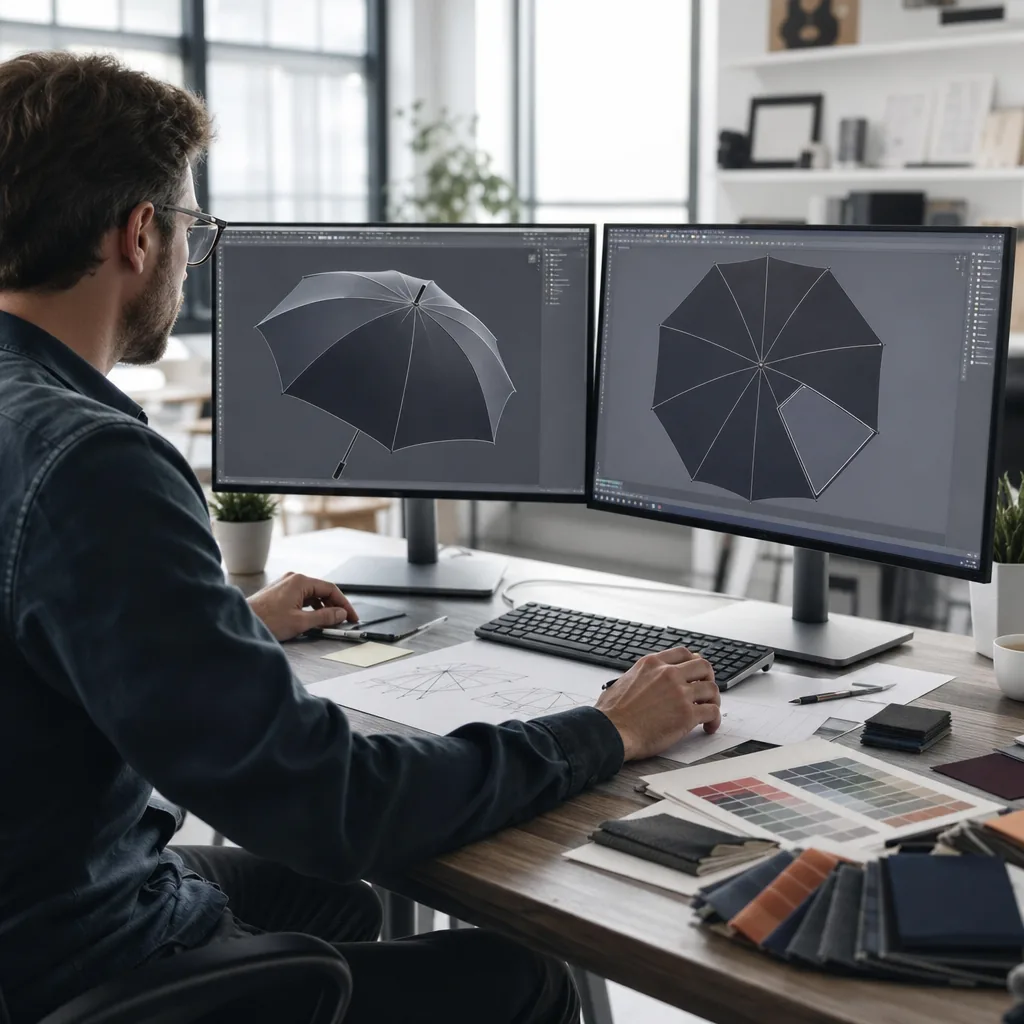
Umbrellas for Stadium Shops and Fan Retail Programs
Plan fan-retail umbrellas with the right frame, canopy, and packaging for stadium stores, team shops, and licensed merch...
Read More »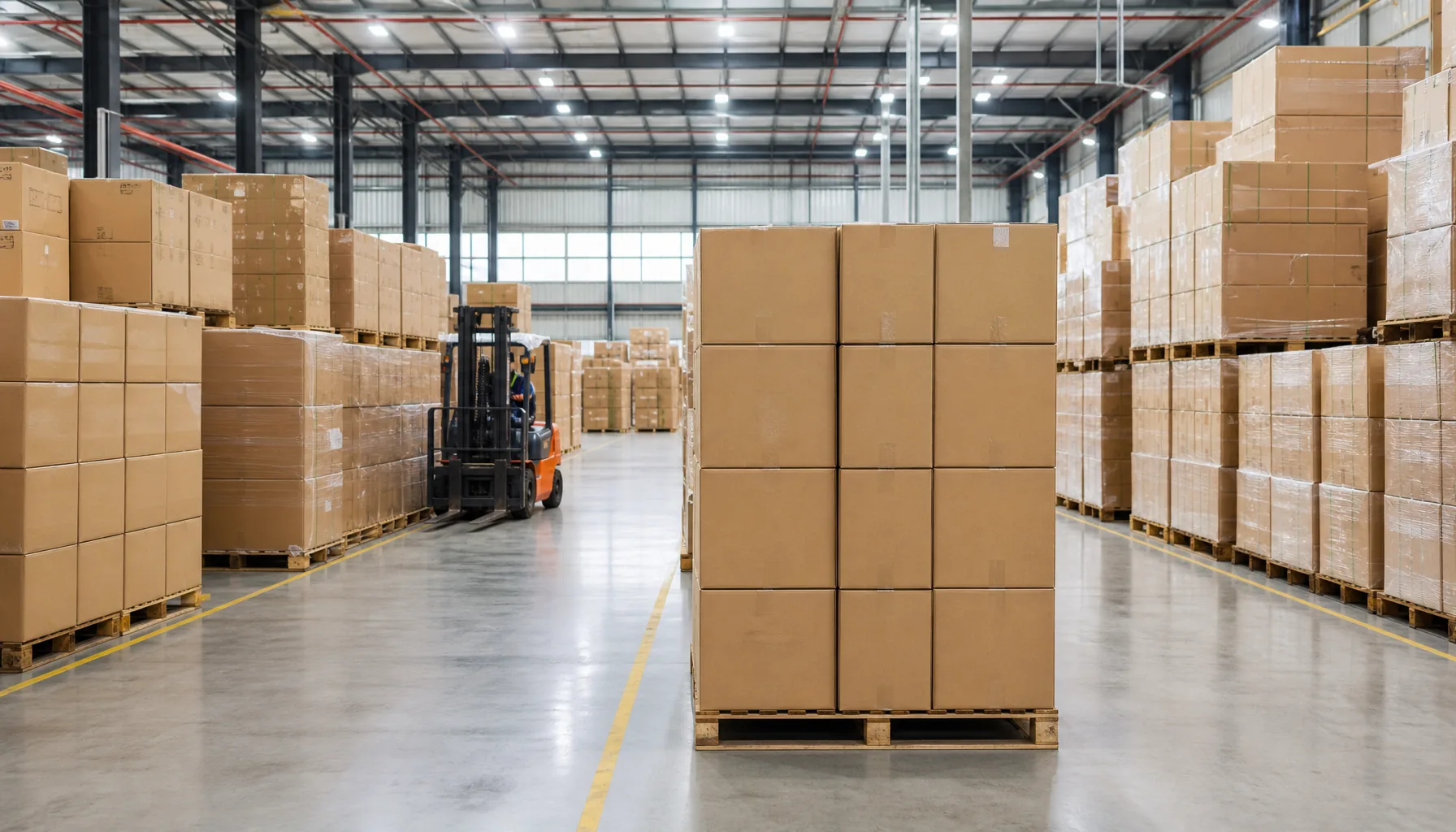
Branded Umbrellas for Stadium Retail and Fan Merchandise
Build profitable fan-gear umbrella assortments with durable frames, league-ready branding, and retail packaging that sup...
Read More »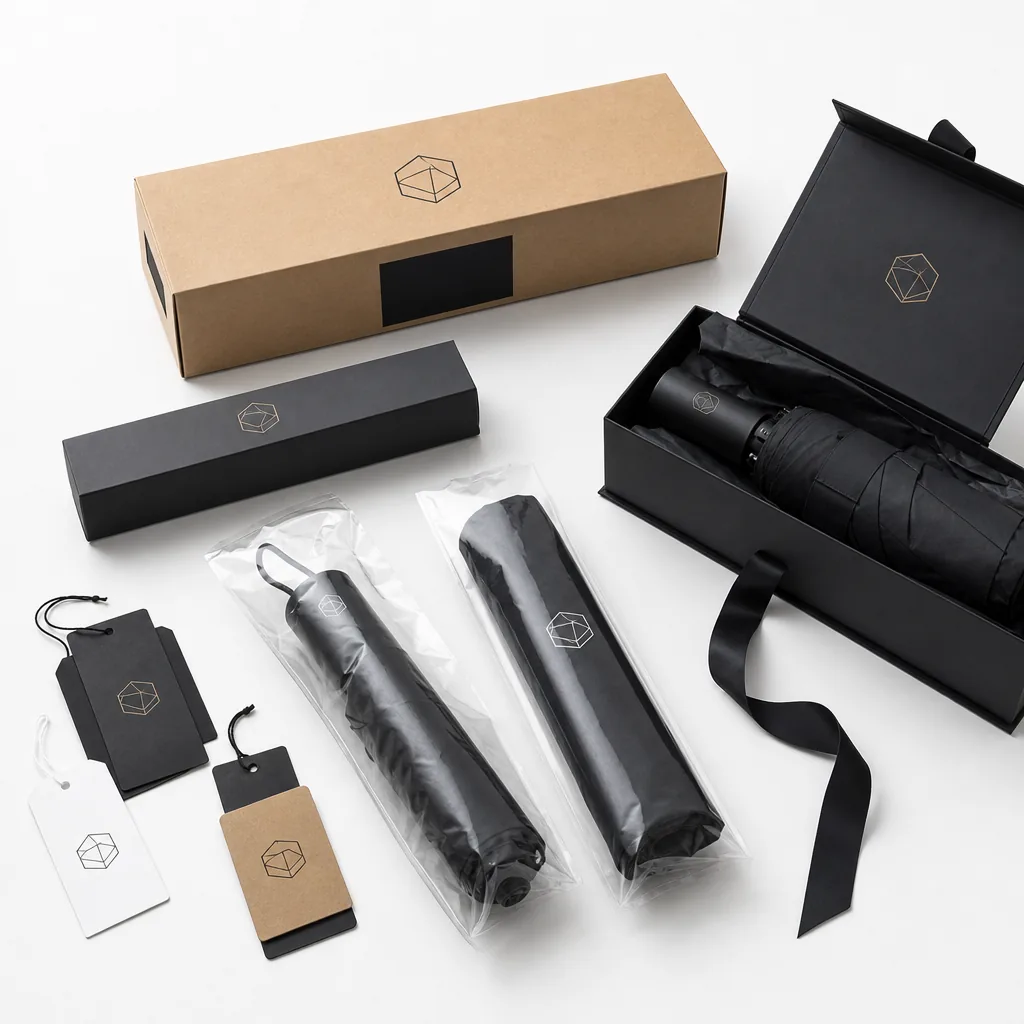
Umbrella Sourcing for Sports Venues and Fan Shops
Learn how stadium operators and fan shops source umbrellas for licensed retail, sponsor activations, and weather protect...
Read More »