Sun Parasol vs Rain Umbrella: Why They Aren't the Same Product
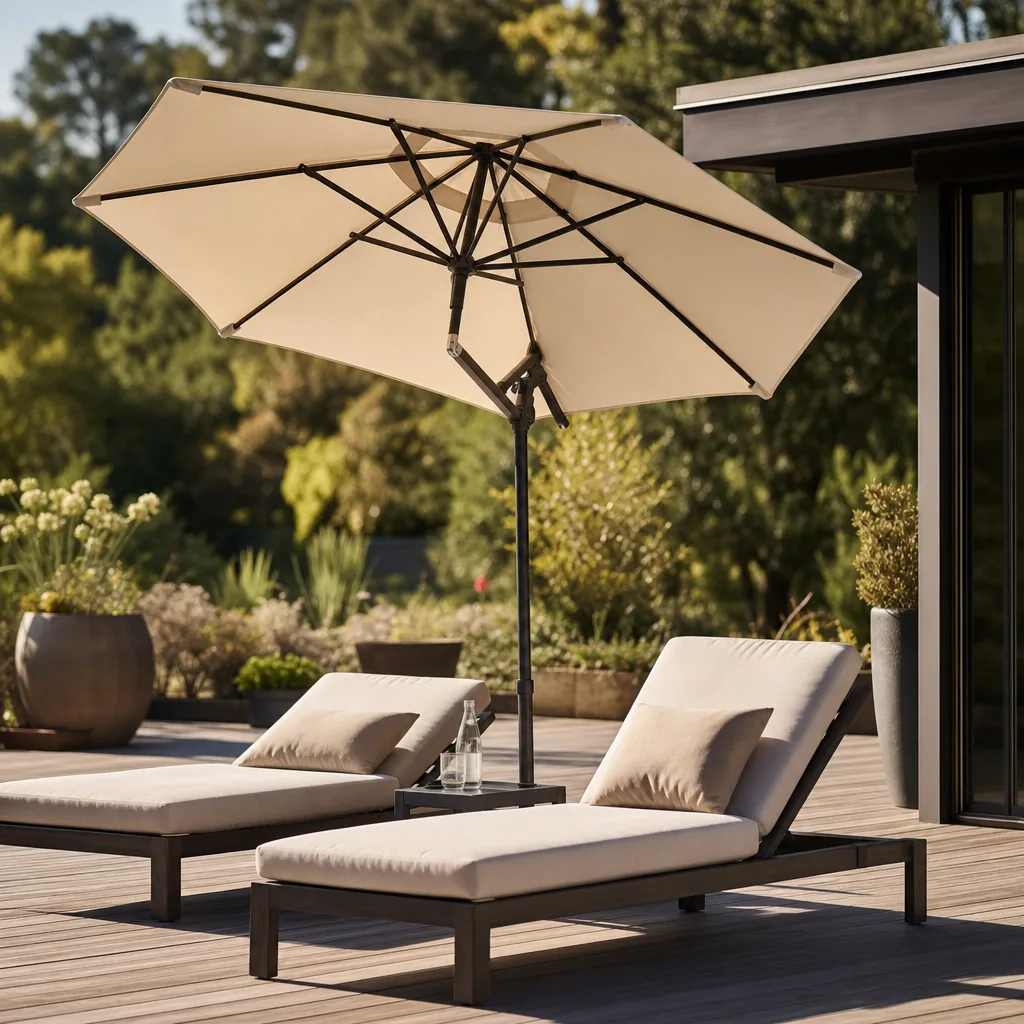
Buyers often assume a sun parasol and a rain umbrella can be built from the same spec, but the difference shows up fast in fabric behavior, coating choice, weight, rib geometry, and long-term UV performance. As a sun parasol manufacturer, we see sourcing mistakes when teams optimize for water shedding and end up with a product that runs hot, fades early, or feels too heavy for real outdoor use. The right build depends on whether the umbrella is meant to block light, survive weather, or do both without compromising either function.
Two products with different jobs
A rain umbrella and a parasol are built around opposite failure modes, and that changes everything from frame geometry to fabric choice. A rain umbrella is trying to move water off the canopy fast, so you care about slope, seam sealing, and a tight closure that keeps runoff away from the user. A UV parasol is trying to block light and heat, so the priority is coverage density, reflective coatings, and a canopy that does not transmit stray sun through pinholes or thin weave. As a sun parasol manufacturer, the first question is not size or color, but whether the canopy is pongee 190T/210T, polyester with UV coating, or a laminated POE layer, because those materials behave very differently under solar load. ZheBrella's standard practice is to treat UV shading as a thermal problem, not a rain problem, which means testing for UPF 50+, surface temperature, and edge coverage rather than only for drip performance.
That is why a uv parasol often uses a wider canopy, darker underside, or silver coating, while a rain umbrella vs parasol comparison usually exposes the wrong design assumptions. For rain, a vented double-canopy can help wind escape and keep the frame from inverting; for sun, the same vent pattern can leak light if it is not engineered carefully. A sun umbrella supplier has to think about the user standing still for hours, not just walking through a storm, so rib flex, pole diameter, and tilt range matter more than water shedding speed. In practice, a 21-inch compact travel umbrella and a 30-inch patio parasol solve different jobs, even if both fold and open by hand. If you mix the two categories, you get a product that is acceptable at neither task: too transparent for sun, too airy for rain, or too heavy and rigid for everyday carry.
Fabric and UV coating for parasols
A real sun parasol starts with fabric that blocks radiation before the coating even enters the picture. For a uv parasol, we usually specify 190T or 210T pongee, polyester with a tight weave, or occasionally POE when the buyer wants a translucent promotional look. The fabric has to be opaque enough that you cannot easily see the rib outline through it, because a thin canopy leaks light and the user feels the heat. As a sun parasol manufacturer, we look at both weave density and coating weight, because a loose canopy with a heavy spray finish still fails in actual use. For the rain umbrella vs parasol question, this is the first hard split: a rain umbrella can be semi-transparent and still function, but a parasol must reduce both visible glare and UV transmission.
UPF coating is what turns decent cloth into a usable sun shield. Common constructions use silver-laminated backing, black glue coating, or a PU/UV spray finish, with UPF 50+ being the normal target for export orders. The coating must be continuous and evenly cured; if the film pinholes, UV passes through at the seams and along the crown. ZheBrella’s standard practice is to test coated swatches for coverage consistency, because a glossy surface can look rich but still underperform if the layer is too thin. For hotter climates, I prefer a denser silver backing or black-out treatment, since it reflects and absorbs radiation better than a light decorative finish. A sun umbrella supplier that only talks about color and ignores coating thickness is selling appearance, not protection.
Color choice matters more for a parasol than many buyers expect. Dark colors such as navy, forest green, or black usually give better visual shading because they reduce light transmission and glare, while white and beige can look premium but often need a stronger underlayer to reach the same UV performance. Pastel fabrics are acceptable only if the coating is heavy enough to prevent a washed-out canopy from becoming semi-transparent in direct sun. For bulk orders, I ask clients whether the umbrella is for beach use, street vending, or retail giveaway, because each use case changes the acceptable tradeoff between weight, opacity, and printability. A sun parasol manufacturer should match the fabric finish to the claim: if the artwork says UPF 50+, the sample has to hold that claim under a bright backlight, not just in a catalog photo.
Weight and elegance for sun use
A true uv parasol is built to sit in the hand and on the shoulder, not to survive a storm drain. That is why a sun parasol manufacturer usually trims weight first: thinner aluminum shafts, lighter fiberglass or aluminum ribs, and compact hub parts that cut dead weight without making the frame feel flimsy. For 21" and 23" promotional formats, the finished piece can stay noticeably lighter than a rain umbrella, especially when the canopy is 190T or 210T pongee rather than a heavy waterproof polyester. The goal is easy carrying, better balance, and a cleaner silhouette when opened outdoors for retail, café, or resort use. In practice, the rain umbrella vs parasol decision starts with load and comfort, not just canopy size or print area.
Decorative finishes matter more on sun products because buyers are paying for appearance as much as shade. A sun parasol supplier will often specify anodized aluminum, color-matched frames, lacquered shafts, or plated tips, because a bright UV canopy with polished hardware reads as seasonal merchandise, not just utility gear. ZheBrella commonly treats these as separate spec choices: matte black for premium branding, silver anodized for clean retail presentation, or painted ribs when the umbrella needs to coordinate with a fashion collection or hotel terrace set. A heavier rain frame can look industrial and dated under direct sun, while a lighter structure with a slimmer runner and tighter ferrule proportions looks deliberate. That visual difference matters when the product is photographed for catalogs and ecommerce.
The real mistake is assuming the same construction works for both categories. A rain umbrella is usually overbuilt for water loading and wind stress; a parasol is judged by how light it feels, how neatly it opens, and whether the decorative finish survives handling without chipping. On factory floor specs, that means simpler mechanisms, fewer steel components, and more attention to edge binding, print registration, and coating quality than to storm resistance. A good sun umbrella manufacturer will still use fiberglass where flex is needed, but it will avoid unnecessary bulk in the shaft and stretcher geometry. For buyers comparing options, the practical test is simple: if it feels pleasant to carry for a few hours in full sun, the design is closer to a proper uv parasol than to a rain tool pretending to be one.
Can one product do both?
A true dual-purpose umbrella can work, but it is never as clean as buying a dedicated rain umbrella vs parasol. A canopy built for sun protection needs a dense weave, usually 190T or 210T pongee, plus a dark inner layer or UV coating to block light; a canopy built for rain needs the same cloth to shed water fast, resist seam leakage, and dry without mildew. Those goals overlap, but they are not identical. If you ask a sun parasol manufacturer to make one product for both uses, the honest answer is that you are balancing UPF 50+ performance against water repellency, weight, and foldability. In practice, the better compromise is a fiberglass frame, 8K to 10K ribs for a compact umbrella, and a vented double-canopy if you want better wind stability. A cheap all-in-one model usually does both jobs poorly: weak UV blocking, slower drying, and ribs that twist in gusts.
The tradeoff gets worse when buyers want retail-friendly features like auto-open-close or a very slim 21-inch frame. Adding silver coating, black UV backing, or Teflon treatment improves sun performance and helps water bead off, but it also makes the canopy stiffer and sometimes hotter inside. That is why a sun umbrella supplier will usually recommend separate specs for beach use, urban commuting, and promotional giveaways instead of pretending one SKU fits every use case. For outdoor events, a 23-inch or 27-inch canopy with fiberglass ribs and a vented top gives a more practical compromise than a tiny travel model. Our standard practice at ZheBrella is to define the primary use first, then test for both UV and water behavior, because an umbrella that survives a 50+ mph gust is still a poor product if the coating peels after a few weeks of sun exposure.
Sourcing a dedicated parasol line
If you are building a sun-focused range, treat it as a different product family from a rain line. A rain umbrella vs parasol decision starts with the canopy and frame, not the print. For a proper uv parasol, I would specify 190T or 210T pongee with a silver or black UV coating, plus verified UPF 50+ performance. Polyester alone is usually too thin unless it has a real coating system; cheap white fabric looks clean but heats up and bleeds UV. A serious sun parasol manufacturer should also offer a tilted shaft, larger spread, and a stable tip or spike option for beach and garden use. On the frame side, aluminum shaft with fiberglass ribs is the practical baseline because it keeps weight down and handles wind better than full steel without making the unit heavy for retail packaging.
Do not overspec the opening mechanism for a parasol the way you would on a rain umbrella. Auto-open-close makes sense for commute umbrellas, but for sun use buyers usually care more about coverage, tilt angle, and how the canopy holds its shape after repeated exposure. I would source 21" to 30" formats depending on channel: 21" and 23" for handheld personal use, 27" and 30" for beach, patio, and golf-style applications. Double-canopy vented construction helps in hot, gusty conditions, but it needs proper stitching and reinforcement at the rib tips or it tears early. On a factory floor, we check canopy shrinkage, UV coating adhesion, and rib symmetry before we talk about decoration. ZheBrella’s standard practice is to confirm fabric weight, coating color, and frame metal grade before sampling so the buyer is not comparing a sun parasol with a rain shell that only looks similar.
For procurement, write the spec sheet like a product control document, not a marketing brief. State fabric, coating, rib count, shaft diameter, handle material, tip style, and packaging dimensions, then tie those to expected lead times and MOQ. A clean sun umbrella supplier proposal should also include AQL 2.5 inspection, colorfastness targets, and whether the parasol is meant for promo, retail, or outdoor hospitality, because the failure mode changes by use case. For example, a printed giveaway parasol can tolerate a simpler frame, while a retail uv parasol needs better stitching, stronger ferrules, and a finish that survives sun aging. If the buyer wants reusable outdoor stock, I would reject lightweight paper-thin canopies and cheap steel ribs immediately; they save a few cents and create warranty claims later. That is the difference between sourcing a dedicated parasol line and ordering a standard umbrella with a brighter fabric.
Frequently Asked Questions
Is a sun parasol the same as a rain umbrella?
Not quite. A parasol is optimized for UV shade - opaque, UV-coated fabric and a light, elegant frame - while a rain umbrella prioritizes water shedding. Many umbrellas do both adequately, but a dedicated parasol blocks sun far better.
What UPF rating should a sun parasol have?
Aim for a verified UPF 50+ via a UV coating and a tight, opaque weave, confirmed by lab testing. Darker undersides and silver or black-glue coatings significantly improve shade quality.
What UV protection level should I specify for a dedicated sun parasol?
For retail buyers, a UPF 50+ canopy is the common benchmark for dedicated sun protection. If you need export-ready documentation, ask for the fabric test method, coating specification, and final UPF report before approval.
Can one parasol design work for both sun and rain use?
Usually not if you want reliable performance in both conditions. A true UV parasol typically uses lighter fabric and a UV-blocking coating, while a rain umbrella needs water-repellent lamination, stronger seam sealing, and a frame built for wind and runoff.
What is a typical MOQ and lead time for custom sun parasols?
For OEM/ODM orders, MOQ is often 500 to 1,000 units per color or design, depending on frame and printing requirements. Standard lead time is usually 30 to 45 days after sample approval, but it can extend if you need custom fabric, color matching, or packaging.
Looking to Launch Your Custom Umbrella Line?
ZheBrella is a Zhejiang-based OEM/ODM umbrella manufacturer with 17 years of export experience. Free design, low MOQ from 100 pieces, windproof construction, full-color print.
Get Free Quote Now »People Also Search For
Related Articles
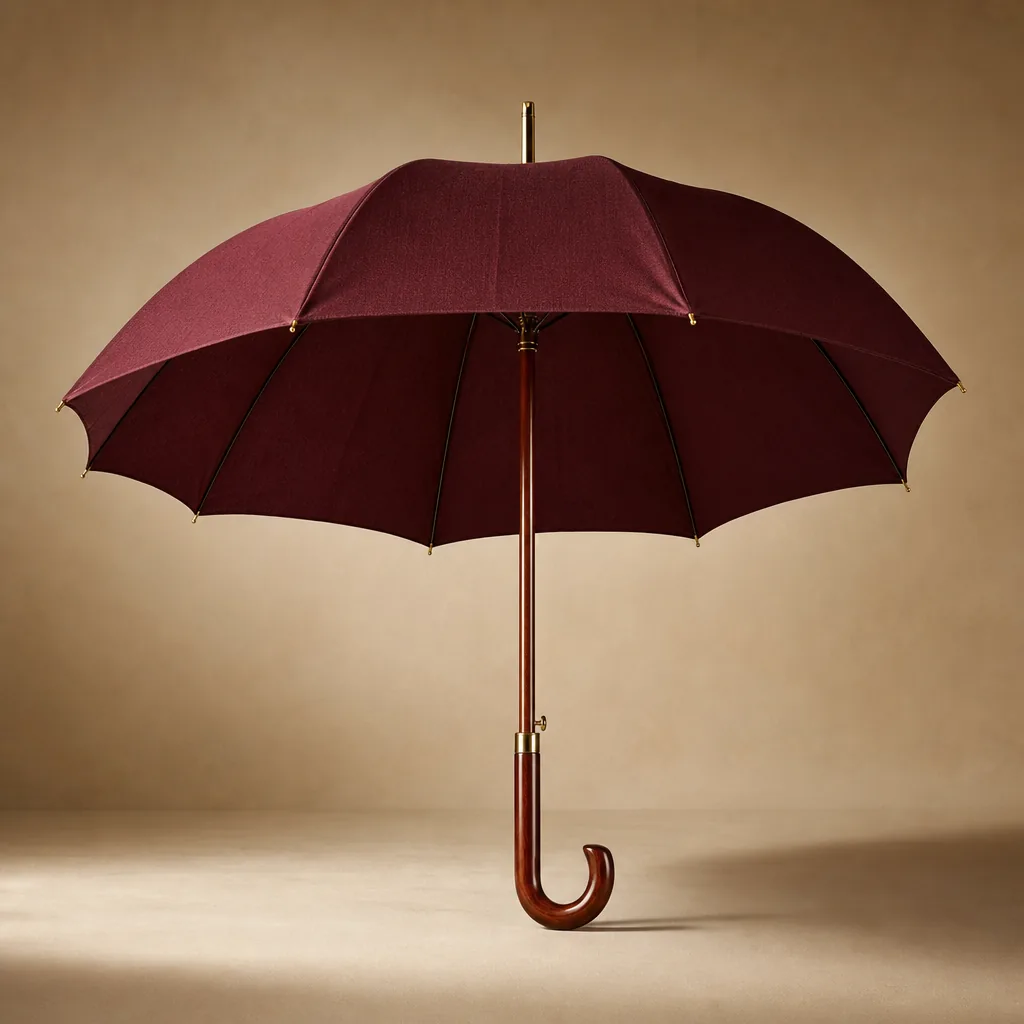
UV Compact Umbrellas: How Buyers Compare Sun and Rain Specs
Compare UV compact umbrella specs for sun and rain use, including UPF 50+, pongee options, frame materials, folding stru...
Read More »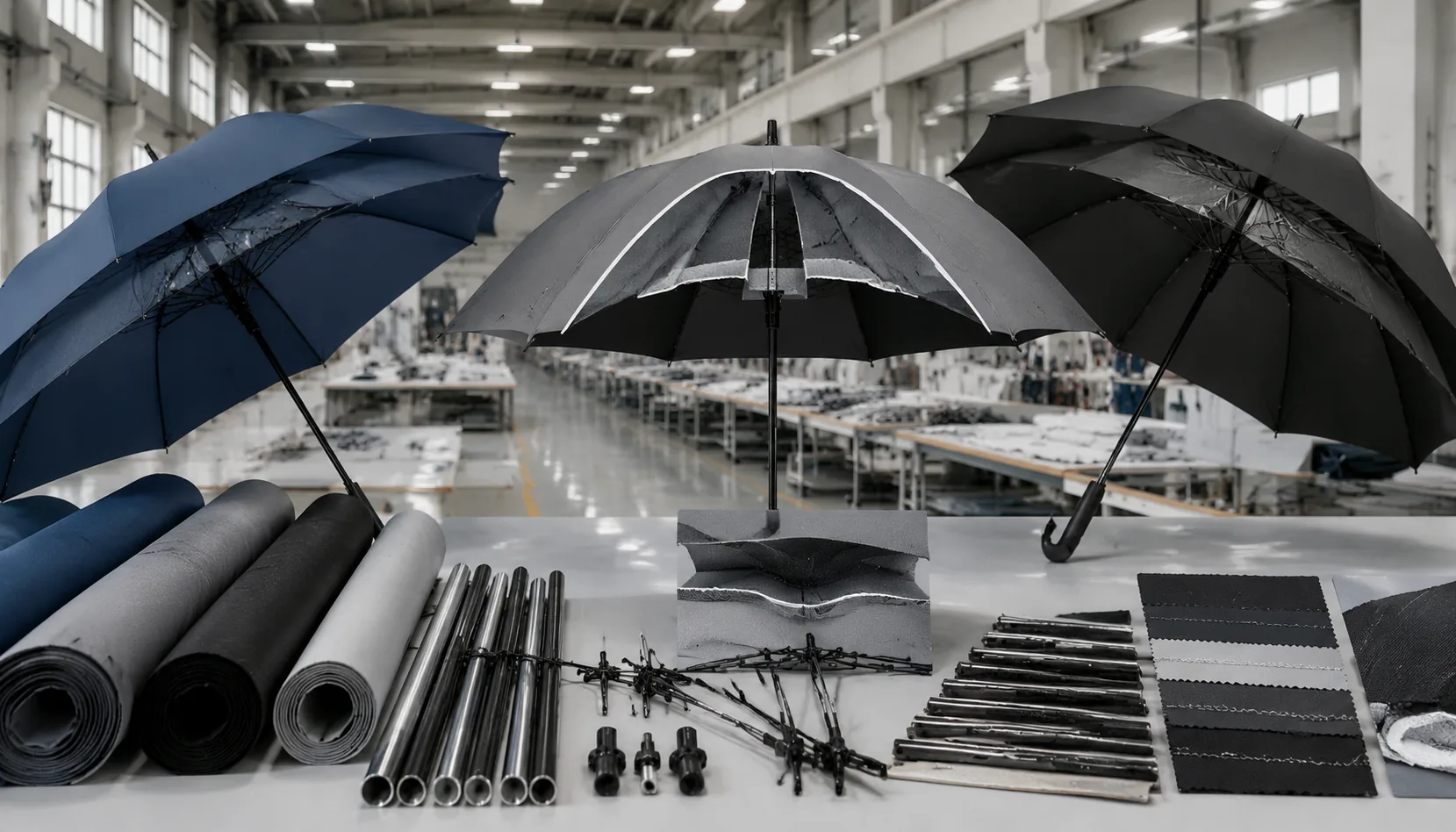
Double-Layer Umbrellas: Buyer Guide for Rain and Sun Programs
Learn how double-layer umbrellas combine venting, blackout coating, UPF 50+, and brand design while managing weight, cos...
Read More »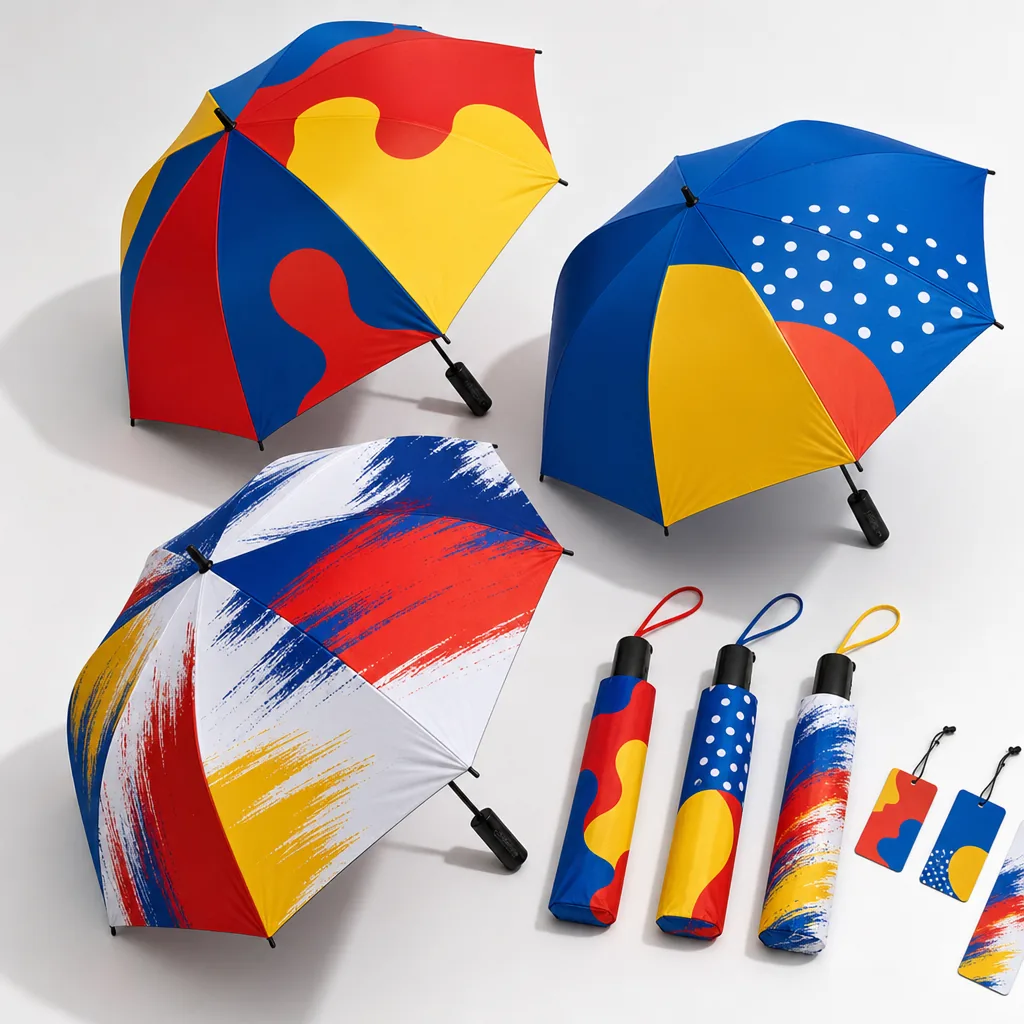
How to Choose Sun Protection Umbrellas for Outdoor Promotions
Learn how to specify UPF 50+ sun umbrellas for promotions, from canopy materials to frame strength, decoration, and ship...
Read More »