How to Choose Sun Protection Umbrellas for Outdoor Promotions
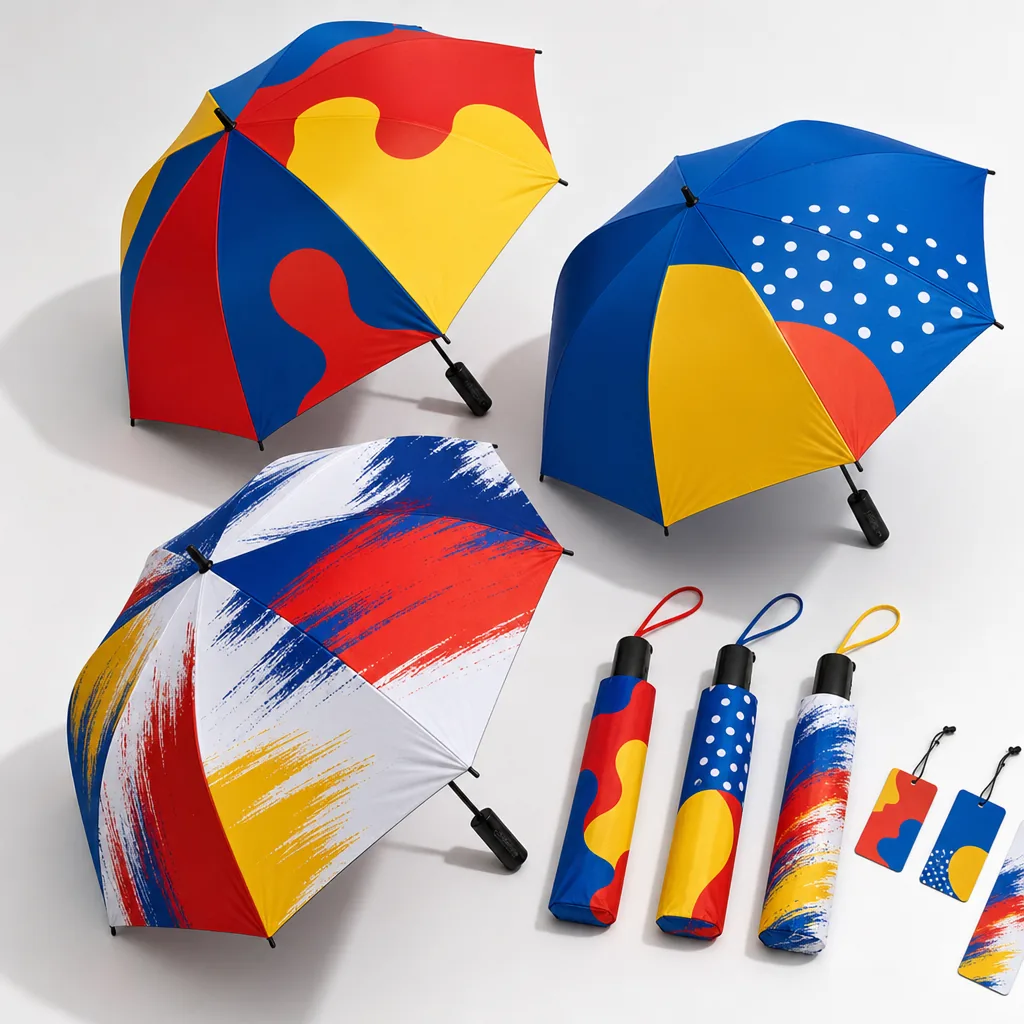
For outdoor promotions, the wrong sun protection umbrella can fade early, feel flimsy in wind, or miss the UPF claim your buyer expects on site. On the factory floor, we look first at coated canopy fabric, verified UV performance, rib and shaft strength, print method, and packing volume because each choice affects both product life and landed cost. A good specification protects people, preserves brand color, and still ships efficiently at promotion scale.
Decide whether the umbrella is for shade, branding, or both
Define the buying job before selecting size, frame, or artwork, because shade coverage, portability, and logo exposure conflict. For a one-day outdoor event, a 21" or 23" folding sun protection umbrella with auto-open or auto-open-close gives the best cost-to-use ratio: guests can carry it, cartons can often ship at 24 or 36 pieces, and freight stays controlled. For resort giveaways, poolside service, and walking tours, step up to a 27" straight umbrella or custom parasol umbrellas with a longer shaft; the priority shifts from compact packing to shoulder coverage and visible brand area. Retail resale carries higher risk because buyers judge the complete SKU, not only the canopy: frame stability, handle finish, sleeve stitching, hangtag, barcode, carton strength, and AQL 2.5 inspection all affect returns and shelf acceptance.
Lock the canopy construction before approving artwork. A credible UPF 50+ umbrella normally uses dense fabric such as pongee 210T with black glue, silver coating, or another tested UV protective canopy layer; light-color plain polyester may print cleanly but can underperform in direct sun. For hot-weather promotions, pongee usually beats low-cost PVC because it folds cleaner, accepts screen print or heat transfer better, and is less likely to stiffen after carton storage. Match the frame to the venue: 8K steel ribs keep unit cost down for calm city events, while fiberglass or steel-fiberglass ribs reduce breakage risk at beaches, golf days, and open plazas. For 27" and 30" umbrellas exposed to regular 30-50 mph gusts, specify a vented double canopy.
Branding goals should control exterior color and UV-layer placement. A shade-first program can use dark outer panels with black UV backing, accepting lower logo contrast for stronger sun blocking. A branding-first order needs cleaner outer panels, often white, navy, red, or Pantone-matched, with the UV layer underneath so the logo remains sharp. Straight umbrellas and parasols deliver better logo visibility because open panels stay exposed when users walk in groups; compact folders are stronger as handouts but hide the artwork once packed in the sleeve. Confirm MOQ, FOB or DDP terms, and lead time only after the use case is fixed: a 500-piece resort parasol order, 2,000-piece auto-open event order, and 10,000-piece retail program can differ sharply in packing, frame stock, and production time, typically 25-45 days depending on printing method.
Specify canopy fabric and UV protection performance
Treat the UV protective canopy as a tested material system: fabric density, coating, color, print process, and finished panel construction. Pongee 190T is the usual cost-controlled choice for high-volume promotional umbrellas; pongee 210T has a tighter yarn count, smoother hand feel, and cleaner print surface for mid-range custom parasol umbrellas. The tighter weave matters because fewer open points remain for UV and visible light to pass through before any coating is applied. Specify the UV-blocking finish by type, such as a black UV layer, silver UV coating, or UV-absorbing/reflective treatment, and make coating uniformity a purchase requirement across all cut panels, seams, and printed zones. A roll test is not enough: uneven coating can show as bright pinpoints when the canopy is held toward sunlight and can undermine a UPF 50+ claim even when the base fabric passed.
Panel color affects both protection and user feel. With the same coating, dark navy, black, forest green, and burgundy generally block more visible light and UV than white, cream, or pale yellow, while also hiding small logo registration shifts. Light colors can still qualify as a UPF 50+ umbrella, but they often need a heavier coating, which can make the canopy stiffer and add stress to 23 inch auto-open frames or larger 27 inch and 30 inch golf umbrellas in wind. For any sun protection umbrella order, require a pre-production sample using the final pongee 190T or pongee 210T fabric, final color, final logo method, and final coating. Ask for UPF 50+ test evidence tied to the finished canopy construction, not a generic fabric certificate, then inspect the sample outdoors for glare, heat feel, and see-through points before bulk approval.
Choose frame construction for sunny and windy conditions
For an outdoor promotion, the frame choice matters as much as the fabric because a sun protection umbrella usually stays open for hours, not minutes. Steel ribs are economical and stiff, which is useful for low-cost event giveaways or short campaigns where the umbrella is mainly carried by hand between parking lots, beaches, and outdoor queues. The weakness is corrosion risk and permanent bending after a strong gust, especially on 23" and 27" canopies with a wide printed logo panel. Fiberglass ribs cost more, but they flex and recover better; for sunny resort, golf, campus, or festival use, I would specify fiberglass ribs with a steel or aluminum shaft before spending extra money on a fancy handle. A typical 190T or pongee 210T UV protective canopy already adds coating weight, so the frame must absorb wind load without making the unit feel like a tent pole.
Rib count should follow the job, not the catalog photo. An 8K frame is the standard workhorse for most 21" folding, 23" stick, and 27" golf-style sun umbrellas because it balances cost, weight, print area, and repair stability in assembly. A 10K frame can look rounder and slightly more premium, but the extra ribs do not automatically make it windproof if the runner, tips, and stretchers are cheap. A 16K frame is appropriate when the buyer wants a more circular custom parasol umbrella look, heavier branding presence, or a large 30" canopy for patios, hospitality entrances, and outdoor retail displays. It also spreads fabric tension more evenly, which helps coated UPF 50+ umbrella panels sit flatter after sewing. The tradeoff is real: more ribs mean more metal or fiberglass, more tips, more stitching points, and usually a higher packed weight per carton.
For breezier locations, a vented double-canopy design is often a better upgrade than simply adding more ribs. The upper canopy lets wind pressure escape instead of lifting the whole umbrella, and it pairs well with fiberglass ribs on 27" and 30" golf models that need to survive repeated gusts around open plazas, seaside promenades, and sports events. In our factory testing, a properly built vented fiberglass frame can be rated around 50+ mph in controlled wind-tunnel conditions, but only when the shaft, runner, and rib joints are specified together; a vent sewn onto a weak frame is just extra decoration. The buyer should expect a weight increase from the second canopy layer, added binding, and extra labor, often 40 to 90 grams depending on size and fabric. For a sun protection umbrella used all day, that weight is acceptable for stationary or golf use, but too heavy for cheap commuter giveaways.
Plan branding without reducing UV coverage
Plan branding around the canopy’s shade map, not as a late artwork step. On a 23" or 27" promotional sun protection umbrella, the most reliable layout is one or two alternating panels with a 180-260 mm logo, positioned 40-60 mm away from rib seams so the print does not warp under panel tension. Use the sleeve when the buyer needs a larger message: it provides a flat printable area and avoids changing the UV protective canopy. Handles should carry only low-risk decoration, such as a small pad-printed logo, laser mark, or molded color accent. Match the handle to the use case: rubberized EVA for outdoor staff programs, straight wood for resort custom parasol umbrellas, and compact plastic for auto-open folding models.
Avoid treating the canopy like a billboard. Heavy dark ink on a light UPF 50+ umbrella may improve logo visibility at 20 meters, but thick coverage can stiffen pongee 210T, reduce drape, and create uneven water runoff after coating. On silver-coated or black-glue UV fabrics, oversized prints are more likely to crack along fold lines after 300-500 open-close cycles, especially on 21" compact auto-open-close umbrellas with tight canopy folds. For UV promotional orders, keep total canopy print coverage below 25-30% unless the artwork is engineered as an all-over sublimation design before coating. UV performance depends on fabric density, coating uniformity, and clean panel tension; decoration should not compromise those three controls.
Choose the decoration method by fabric color and artwork risk. For light canopies, screen printing with UV-stable pigment gives sharp solid logos and better cost control at MOQ 500-1,000 pcs; heat transfer works well for multi-color marks under 120-180 mm. For dark navy, black, bottle green, or charcoal fabrics, specify an underbase white screen layer or silicone transfer so the logo does not turn dull during AQL 2.5 visual inspection. Sublimation fits white polyester when gradients or full-panel art are required, but it must be planned before any black-glue UV coating. Avoid metallic inks, large rubber patches, and thick PVC badges on the canopy: they add weight, affect balance in wind, and create more risk on 8K steel frames than on lighter fiberglass ribs.
Review compliance, MOQ, and import terms before ordering
Start with compliance: a promotional sun protection umbrella is defensible only when the test report matches the production canopy. Request a current UPF report from SGS, Intertek, BV, or another recognized lab, then verify the tested material is the same fabric, coating, and color you will buy, such as pongee 210T with black UV coating, silver coating, or a laminated UV protective canopy. A UPF 50+ umbrella should block at least 98% of UV radiation, but heavy logo coverage, dark ink, or heat-transfer film can change the result. Reject generic reports that cover only greige fabric if your order uses finished coated fabric or a fully printed canopy. For retail, school, government, or U.S./EU distribution, confirm required chemical rules before sampling, including REACH, CPSIA, Prop 65, or AZO limits where applicable.
Approve the pre-production sample before bulk cutting and make the inspection checklist match that sample. For custom parasol umbrellas, confirm rib count, shaft diameter, handle material, canopy coating, logo color, sleeve, carton marks, and barcode before signing off. ZheBrella’s standard inspection practice is AQL 2.5 for major defects, AQL 4.0 for minor defects, and zero tolerance for critical defects. Major defects include leaking seams, bent ribs, loose tips, failed auto-open mechanisms, color outside the approved tolerance, weak print adhesion, and canopy panels sewn off-grain. For event orders or seasonal launches, add an inline inspection when 20% to 30% of production is complete. That timing catches frame alignment, fabric shade, and print registration problems early enough to correct them without missing the shipment window.
Check MOQ, trade terms, and calendar risk before placing the order. A stock-frame sun protection umbrella with one-color printing may start at 500 to 1,000 pieces; custom colors, molded handles, 10K or 16K frames, special EVA or POE panels, and private-label packaging can raise MOQ to 2,000 to 5,000 pieces because materials require dyeing, coating, or tooling. Samples usually take 5 to 10 days after artwork approval, and bulk production often needs 25 to 45 days, with longer queues before summer and major trade-show seasons. FOB Ningbo or Shanghai suits importers that control freight, insurance, and customs. DDP is simpler for distributors shipping to offices or venues, but the quote must state whether duty, VAT, clearance, truck delivery, residential delivery, and liftgate fees are included. Add 10 to 15 days for inspection, customs, and weather-related port delays.
Frequently Asked Questions
What should I ask for to verify a UPF 50+ umbrella claim?
Ask for the test method, fabric spec, coating details, and the lab report tied to the exact canopy material. A claim without a matching fabric and test document is not enough.
Is 210T pongee better than 190T for sun umbrellas?
Usually yes, because it is denser and often feels more premium. But the best choice still depends on coating performance, weight target, and the buyer’s price point.
What canopy specification should buyers request for a UPF 50+ promotional umbrella?
Ask for 190T or 210T pongee with a silver, black, or UV-blocking coating and request a UPF 50+ test report from SGS, Intertek, or a similar lab. For outdoor promotions, 210T pongee usually gives a smoother print surface and better hand feel than lower-density polyester.
What frame is recommended for sun protection umbrellas used at outdoor events?
For handheld promotional sun umbrellas, a fiberglass shaft and ribs are preferred because they resist bending and corrosion better than basic iron frames. For beach or parasol styles, buyers should confirm rib diameter, pole thickness, wind vent design, and whether a tilt mechanism is required.
What MOQ and lead time are typical for custom UPF 50+ umbrellas?
A typical MOQ is 500-1,000 pieces per design for logo-printed umbrellas, depending on size, fabric, and decoration method. Production usually takes 25-45 days after artwork approval and deposit, with extra time needed for lab testing or custom-colored components.
Looking to Launch Your Custom Umbrella Line?
ZheBrella is a Zhejiang-based OEM/ODM umbrella manufacturer with 17 years of export experience. Free design, low MOQ from 100 pieces, windproof construction, full-color print.
Get Free Quote Now »People Also Search For
Related Articles
UPF 50+ Sun Umbrella Materials for Outdoor Retail Buyers
Compare fabrics, coatings, and frame specs for UPF 50+ sun umbrellas so buyers can source durable products for retail an...
Read More »
Sun Protection Umbrella Guide for Retail and Promo Buyers
Learn how to specify UPF 50+ umbrellas, from UV fabrics and coatings to frame choices, MOQ, and packaging for retail or ...
Read More »
UPF 50+ Umbrella Fabric and Frame Guide for Sun Protection
Specify fabrics, coatings, canopy coverage, and frames that deliver UPF 50+ performance for retail and promotional sun u...
Read More »