Double-Layer Umbrellas: Buyer Guide for Rain and Sun Programs
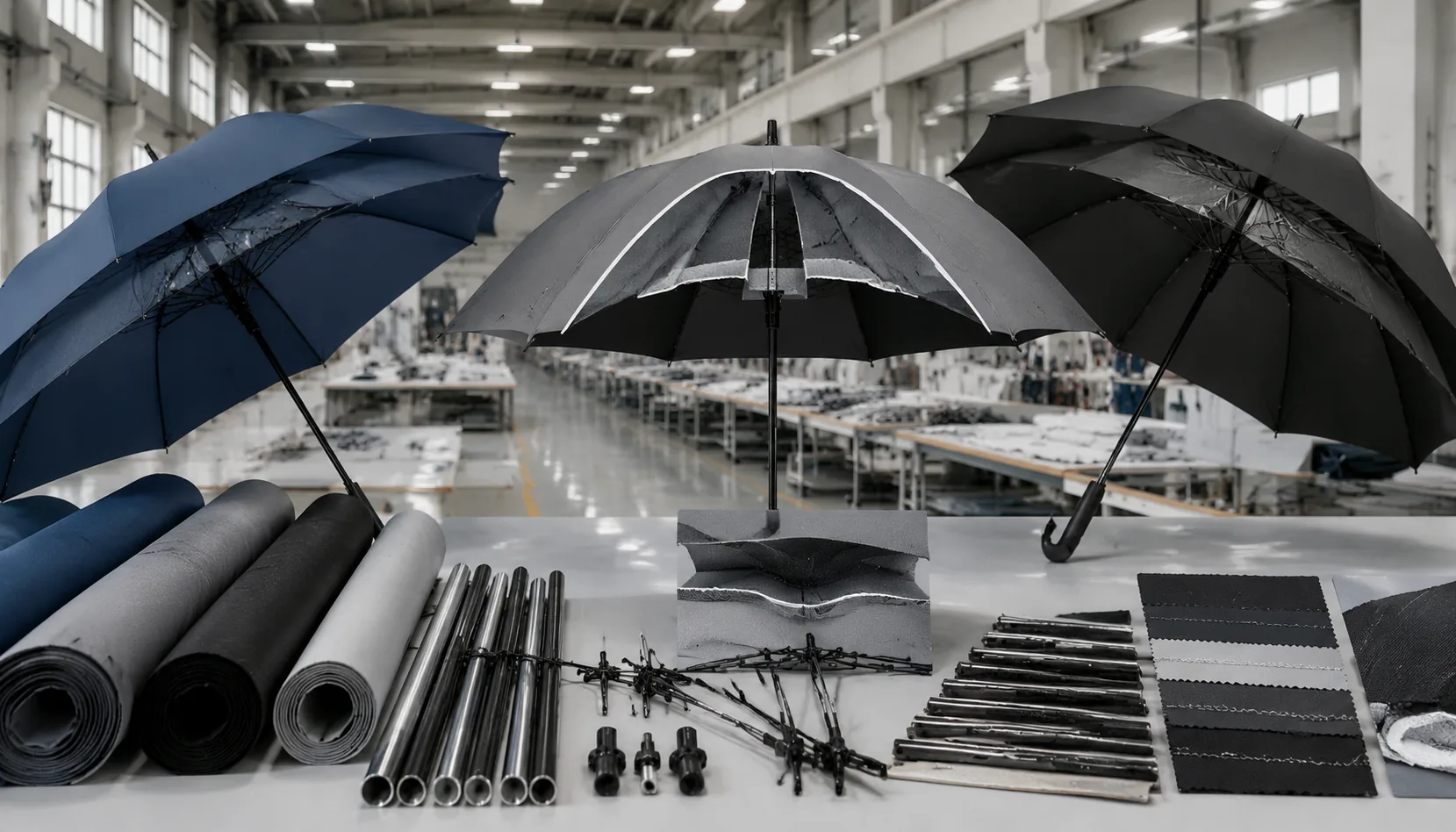
For retail, corporate gift, and outdoor programs, double layer umbrellas look simple on a spec sheet but can fail fast if vent height, rib strength, coating choice, and fabric tension are not balanced. On our Songxia production floor, the common buyer challenge is getting real wind relief, UPF 50+ sun protection, clean logo placement, and acceptable carton weight without pushing cost or MOQ beyond the program target.
Clarify Double-Layer vs Double-Canopy Designs
The first thing buyers need to separate is appearance from function. A decorative double-layer canopy usually means two fabric rings stitched into the top half of the umbrella for color contrast, cleaner branding, or a more premium retail look; it does not automatically improve wind performance. A vented double-canopy build is different: the upper layer is cut shorter or lifted off the lower layer to let pressure escape, which is why real windproof rain umbrellas often survive stronger gusts without flipping. On the factory floor, those are not interchangeable requests. If you want double layer umbrellas for a rain program, say whether the second layer is just a visual overlay, a vent for airflow, or a true structural wind-break feature, because that changes the frame, seam layout, and even the panel cutting pattern.
For sun programs, the second layer can mean blackout performance, not ventilation. A lower layer made from black-coated 190T or 210T pongee can block light and improve UV control, while an outer printed layer carries the branding or fashion color. That is the setup most buyers want for UPF 50+ umbrellas and custom sun rain umbrellas, especially when the same style must work for both retail and promotion. In that case, specify whether the inner layer must be opaque, whether the outer layer needs sublimation print compatibility, and whether the handle, tips, and runner should stay clean for a premium presentation. Our standard practice at ZheBrella is to confirm the second layer’s job before sampling, because the wrong spec can look right in photos and still fail the user’s expectation in shade testing.
If you are sourcing from a double canopy umbrella supplier, write the brief in functional terms, not just style terms. State the opening mechanism, canopy size, and whether the build is meant for gust resistance, heat blocking, or visual layering; a 23-inch auto-open model with fiberglass ribs and vented top panels is a very different SKU from a 21-inch compact promotional umbrella with a stitched decorative overlay. Ask for sample photos in open and inverted positions so you can see the vent gap, stitch line, and panel overlap. That is the easiest way to avoid paying for a premium look when you actually needed windproof rain umbrellas, or ordering a blackout sun umbrella when the second layer was only meant to be color contrast. In short, double layer umbrellas work well only when the buyer defines the second layer clearly at RFQ stage.
Choose Fabric Combinations for Rain and Sun
For double layer umbrellas, the outer shell should do the real work: 190T pongee is the budget-friendly standard, while 210T pongee gives a denser hand feel, tighter weave, and better print definition. If the program is rain-first, I usually push buyers toward 210T because it holds DWR better after repeated wet/dry cycles and resists pinhole leakage around stitched seams more reliably. A good double canopy umbrella supplier will also check how the face yarn takes pigment, because dark colors like navy, forest, and black hide wet marks and scuffing better than pale shades. For custom sun rain umbrellas, color matching matters more than people expect; bright corporate colors can look fine in swatches, but once you add coating and seam tension, the final shade often shifts slightly darker. That is normal, and the approval standard should be a pre-production strike-off, not just a Pantone number on paper.
The inner layer is where the sun performance lives. Black glue coating absorbs and blocks light very effectively, so it is the cleaner choice when the brief calls for UPF 50+ umbrellas with stronger glare control and less light bleed through the canopy. Silver coating reflects heat better, which helps in hot, open-air use, but it can show fold lines, rub marks, and a more metallic look that some retail brands dislike. For windproof rain umbrellas, black glue usually pairs better with a heavy outer pongee because it adds body without making the canopy look shiny. Silver-backed constructions are fine when the buyer wants a cooler feel under the dome, but they must be tested for coating adhesion after folding, because weak coating will crack at the crease line and lower the effective UV rating. In practice, the coating choice is not cosmetic; it changes how the umbrella performs in the hand and in the sun.
Thickness is the tradeoff nobody wants to discuss until the sample arrives too stiff to close cleanly. A 210T outer layer plus black glue inner will fold bulkier than a 190T outer with a lighter silver layer, especially on compact auto-open-close frames where the canopy has to collapse into a short shaft space. That extra millimeter or two matters for bag fit, sleeve fit, and carton count. If the program needs both rain protection and high UV blocking, the safest spec is a tightly woven 210T pongee outer, black glue inner, and a measured fold test on the actual frame size, not just on fabric swatches. For retail programs and promotional runs, the approval sample should confirm that the ribs do not snag the coating at the tips and that the umbrella still closes with normal hand pressure. That is the point where double layer umbrellas either feel engineered or feel overbuilt.
Engineer the Frame for Added Canopy Weight
Double-layer umbrellas add real load to the frame, not just visual complexity. Once you stack a vented outer canopy over a wet inner liner, the top hub sees more flutter, the ribs work harder in gusts, and the stretchers take repeated shock when the umbrella snaps open and closes under tension. That is why I push fiberglass ribs for most windproof rain umbrellas and custom sun rain umbrellas: fiberglass flexes without taking a permanent set, so the canopy can move in a wind gust instead of transferring the whole hit into the shaft. For double layer umbrellas, a stable 8K or 16K layout matters more than buyers expect; 8K is usually enough for compact 21" and 23" retail programs, while 16K spreads load better on larger 27" and 30" golf formats.
The stretcher geometry is where weak builds fail first. On double layer umbrellas, the outer layer catches wind while the inner layer holds shape, so the stretcher arms need enough section modulus to resist twisting at the runner and joint rivets. In practice, stronger fiberglass stretchers or a hybrid fiberglass-plus-steel setup are safer than thin all-steel parts if the goal is actual wind performance, not just low cost. A double canopy umbrella supplier should be thinking about hinge wear, spoke alignment, and canopy clearance at the tip pockets, because poor spacing lets the two layers rub and shred the fabric after repeated opening cycles. At ZheBrella, our standard practice is to validate the frame under repeated open-close testing before we lock the rib count and material mix for a program.
Steel still has a place when the buying target is aggressive and the umbrella is for short-life promotions or basic mass retail, because it keeps the BOM controlled and is easy to source in 8K layouts. But once the brief moves toward premium UPF 50+ umbrellas or branded rain-sun hybrids, the weight penalty of steel starts to show up in carry comfort and carton density. Aluminum reduces hand fatigue and is useful for retail programs where the shopper will carry the umbrella all day, especially in auto-open-close models, but it is not a substitute for proper rib design; a light shaft with weak stretchers still fails in wind. The right answer for double layer umbrellas is usually a balanced build: fiberglass for flex and recovery, steel only where cost control matters, and aluminum where the customer values a lighter hand feel over absolute abuse resistance.
Specify Branding Without Overloading the Canopy
For double layer umbrellas, branding has to respect the construction, not fight it. The outer canopy and inner lining rarely sit in perfect register after stitching and rib tension, so a full-panel graphic that looks clean in mockup can drift 5 to 12 mm in production. On a true double canopy umbrella, I always tell buyers to place critical logos away from seam lines, vent openings, and tie points, then approve a sewn sample under both open and closed states. That matters even more on windproof rain umbrellas, where the vented structure flexes in gusts and can distort a centered print. If you want a premium look, keep the main artwork on the outer layer and use the inner layer for a smaller repeat, tone-on-tone pattern, or a solid contrast color that does not fight the print.
Edge binding is the easiest place to add identity without turning the canopy into a billboard. A 5 mm or 10 mm binding in a coordinated accent color gives the umbrella definition, but the color must be checked against both the outer polyester or pongee and the inner layer so you do not end up with a mismatched visual when the umbrella is opened. Print show-through is a real problem on lighter fabrics and on high-saturation inks, especially with custom sun rain umbrellas that use thinner 190T or 210T cloth and bright white or pale inner panels. ZheBrella’s standard practice is to review strike-off files for seam placement and ink density before cutting, because seam puckering and thread tension can pull the artwork off-grid if the panel layout is too tight.
Sleeve branding and handle logo options are where many programs stay cleaner and cheaper. A woven label on the sleeve, heat-transfer mark on the closing strap, or one-color pad print on the handle keeps the branding visible without adding weight to the canopy or risking color bleed between layers. For UPF 50+ umbrellas, I prefer to keep the top fabric as the sun-control surface and use low-contrast branding so the coating and fabric hand stay consistent across the panel. Buyers working with a double canopy umbrella supplier should specify whether the inside view matters as much as the outside retail photo, because mismatched inner and outer fabric colors can look sloppy even if the print itself is correct. If the program needs retail presentation, ask for a stitched prototype with the sleeve, strap, and handle logo all matched to the final trim card before mass production.
Validate Samples, QC, and Commercial Terms
Sample approval should start with mechanics, not artwork. On double layer umbrellas, I check canopy tension with the umbrella fully opened for 24 hours; loose panels will flutter, and over-tight panels will pull stitches out near rib tips. The vent opening must lift evenly under airflow without exposing the inner canopy seam allowance. For a 23" or 27" auto-open model, the spring should open cleanly without a violent snap; if the push-button force feels high after 30 cycles, retail customers will notice. The runner lock needs a positive click, no sliding under hand pressure, and no burrs on the shaft. For windproof rain umbrellas, I prefer fiberglass ribs over painted steel when the spec claims 50+ mph wind resistance, especially on 8K and 10K frames where rib recovery matters more than low material cost.
Fabric and coating checks decide whether the umbrella survives real programs. Inspect stitching at the top notch, rib pockets, vent perimeter, and closing strap; 8 to 10 stitches per inch is typical for 190T or 210T pongee, but skipped stitches around the vent are common when factories rush double-canopy sewing. For UPF 50+ umbrellas, ask for coating adhesion testing on the inner silver, black, or UV layer: tape pull, dry rub, and wet rub after 24-hour conditioning. On custom sun rain umbrellas using mixed fabrics, such as outer 210T pongee with inner black UV coating or POE panels with printed polyester, confirm shrinkage after heat-transfer or sublimation printing. A double canopy umbrella supplier should also check print registration across both layers, because a shifted inner panel can block the vent and ruin wind performance.
Commercial terms should match the material risk. Standard solid-color double layer umbrellas may start around 500 to 1,000 pcs per color, but custom fabric combinations, dyed-to-match pongee, reflective tape, POE/PVC/EVA panels, or private-mold handles usually push MOQ to 1,500 to 3,000 pcs. Our standard practice at ZheBrella is pre-production sample approval before bulk cutting, then inline checks and final inspection to AQL 2.5 for major defects, with critical defects set at zero tolerance. Normal lead time is 7 to 10 days for sampling, 25 to 35 days for bulk production after deposit and artwork approval, and longer before Q4 or rainy-season peaks. For FOB Ningbo or Shanghai, book carton dimensions early; for DDP, confirm HS code, duty, Amazon carton labeling, and whether the umbrella length triggers oversized parcel charges.
Frequently Asked Questions
Is a double-layer umbrella always windproof?
No. A decorative second layer does not make the umbrella windproof unless the canopy is vented and paired with a suitable frame. Buyers should specify double-canopy windproof construction, fiberglass ribs, and test requirements.
Does UPF 50+ require a double-layer canopy?
Not always, because some single-layer fabrics can pass UPF 50+ with the right coating. Double-layer builds are useful when buyers want sun protection plus a premium interior color or blackout effect.
How does a double-layer umbrella help in strong wind conditions?
The vented upper canopy lets air pass through, which reduces upward pressure and helps the frame stay stable in gusts. For B2B programs, suppliers usually pair this structure with fiberglass ribs and a reinforced shaft to improve durability.
What MOQ is typical for custom double-layer umbrella orders?
For OEM/ODM production, MOQ often starts around 500 to 1,000 pieces per style, depending on frame type, canopy fabric, and print complexity. Full-color branding, special coatings, or mixed sizes can raise the minimum and add sampling time.
Can one umbrella be spec'd for both rain and UV protection?
Yes. Buyers usually request a waterproof outer layer plus a blackout or UV-coated inner layer, with UPF 50+ fabric if sun protection is required. It is important to confirm coating performance, weight, and color fastness during pre-production testing.
Looking to Launch Your Custom Umbrella Line?
ZheBrella is a Zhejiang-based OEM/ODM umbrella manufacturer with 17 years of export experience. Free design, low MOQ from 100 pieces, windproof construction, full-color print.
Get Free Quote Now »People Also Search For
Related Articles
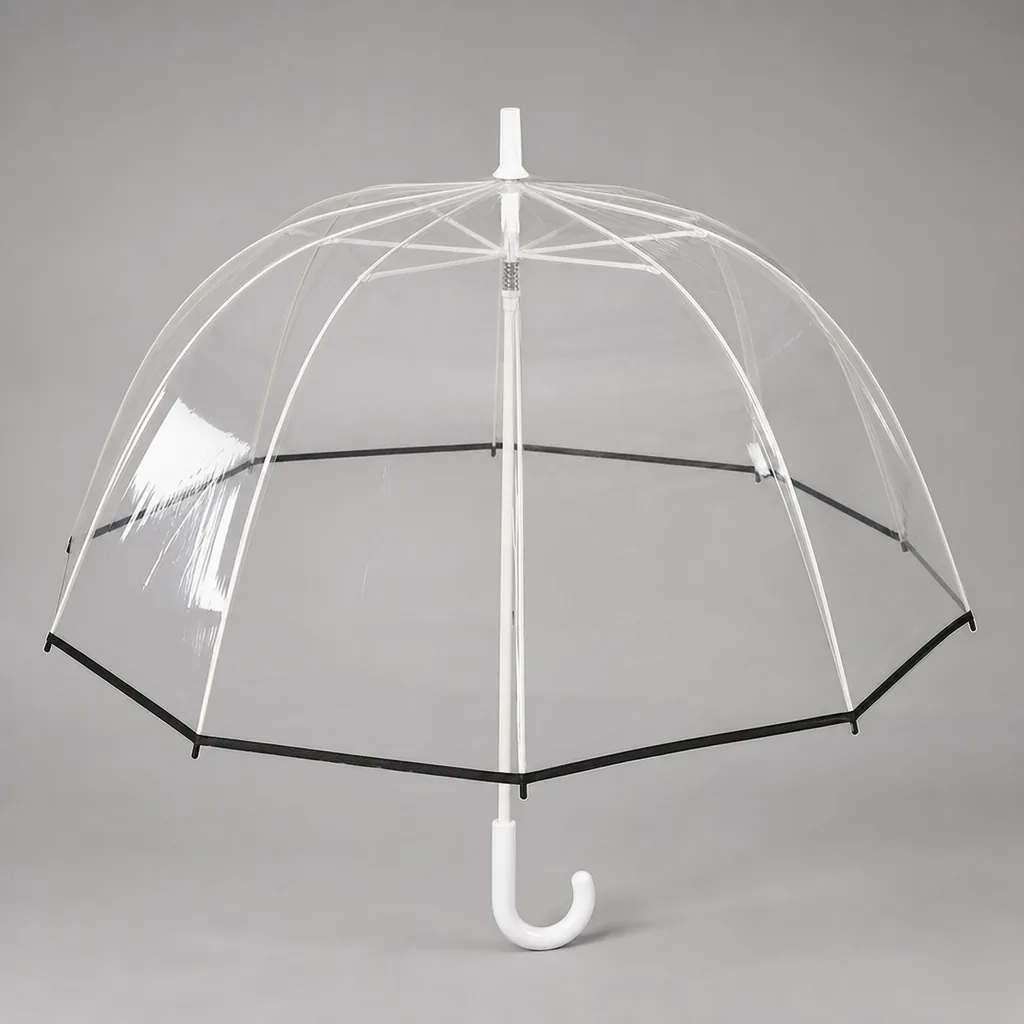
Blackout Coated Rain Umbrellas: Retail Buyer Spec Guide
Specify blackout coated rain umbrellas with UPF 50+, pongee fabric, frame choices, print limits, MOQ, and AQL checks for...
Read More »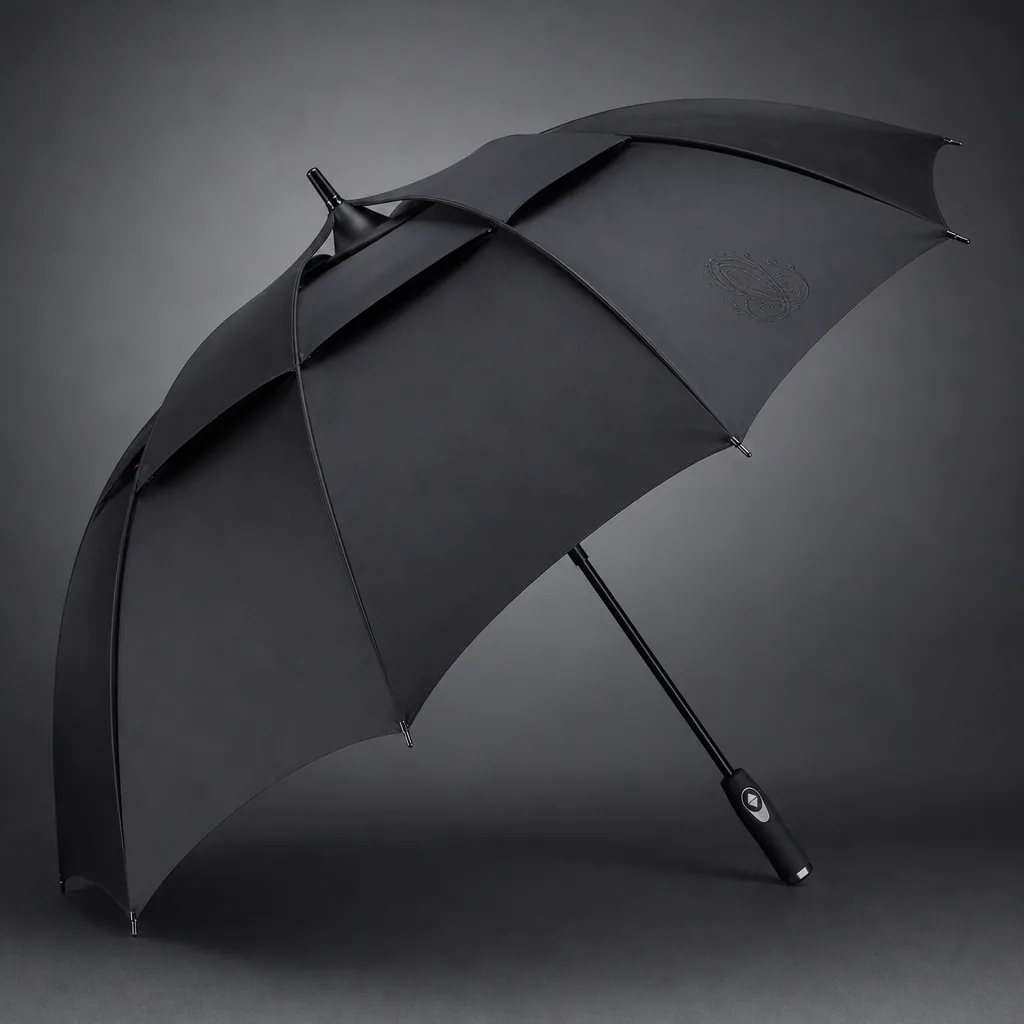
Storm Umbrellas for Retail: Specifying Heavy-Rain Builds
Build storm umbrellas for retail with double canopies, fiberglass ribs, 210T pongee, tested mechanisms, and clear MOQ, l...
Read More »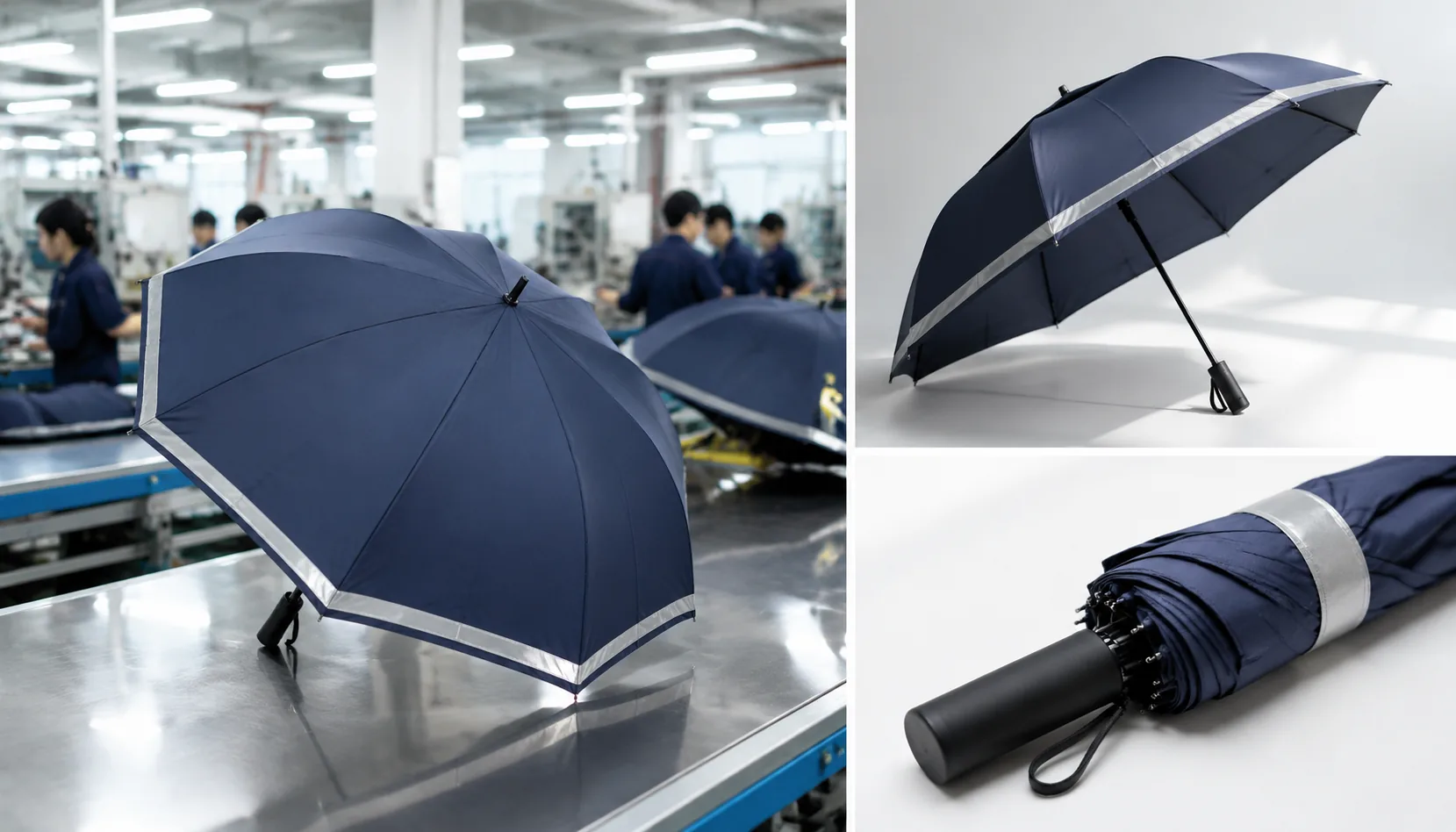
Reflective Safety Umbrellas: Specs for Commuter Programs
Plan reflective umbrella orders with fabric, tape placement, windproof frames, print limits, AQL 2.5 checks, MOQ, and FO...
Read More »