Avoiding Greenwashing: Substantiating Eco Claims on Umbrellas
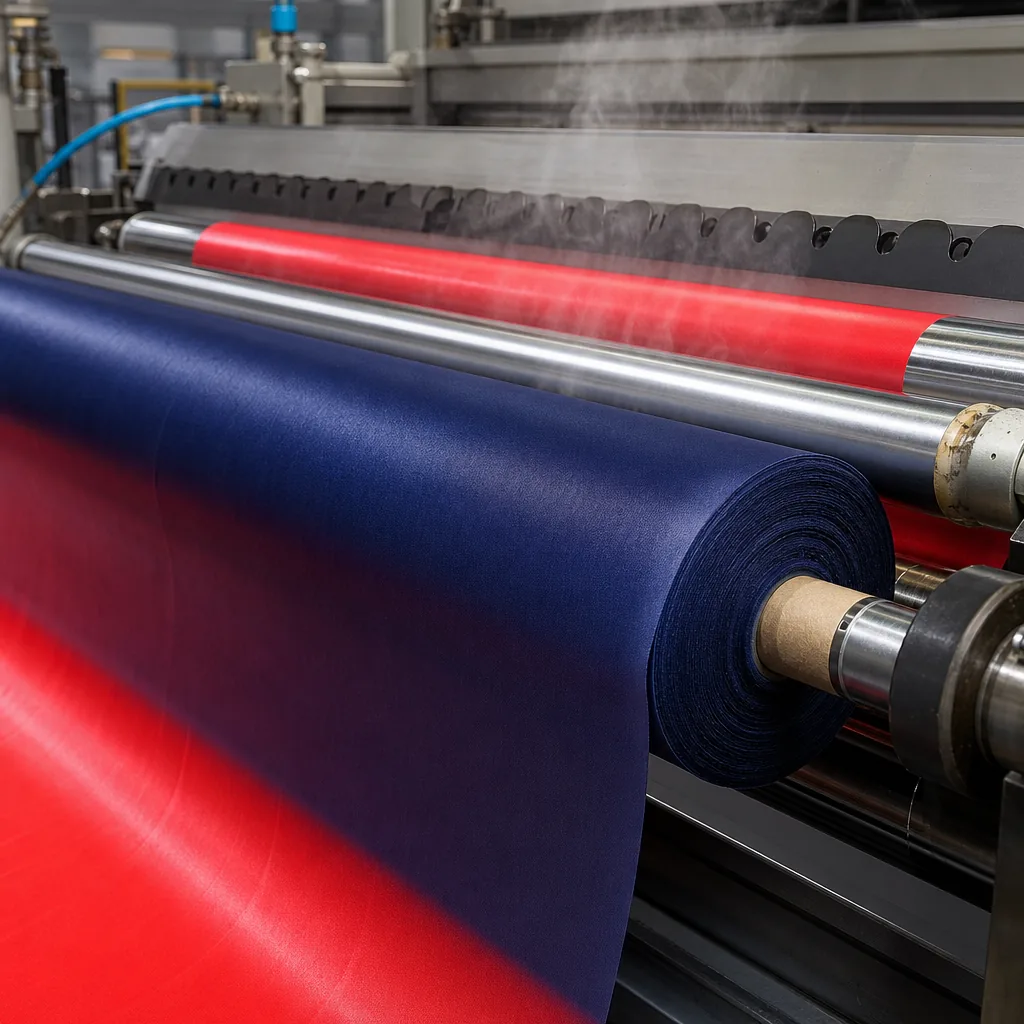
Sourcing umbrellas with credible environmental claims is harder than it looks: a recycled canopy, a bamboo handle, or a low-impact finish only matters if you can prove exactly what went into the product and where it came from. From the factory floor, we see how umbrella greenwashing usually starts with vague wording, missing test data, or claims that cannot survive customs, retailer audits, or EU and US scrutiny. Buyers need evidence, not adjectives, and that means traceable materials, documented processes, and language that matches what the umbrella actually is.
Why vague green claims are now risky
The risk is not theoretical anymore: umbrella greenwashing is moving from a marketing problem to a compliance problem. In the EU, the Green Claims Directive is pushing brands toward evidence-backed environmental statements, while the FTC Green Guides still expect U.S. claims to be specific, qualified, and supported by competent and reliable proof. That means phrases like "eco-friendly," "green," "planet safe," or "made responsibly" are weak unless you can show exactly what they mean at the product level. On umbrellas, that usually comes down to measurable facts: recycled polyester content, verified recycled nylon, PFAS-free or water-based coatings, and clear disclosure of what parts are actually recycled versus what is only partially recycled. The old habit of treating a printed hangtag or a one-line product page as enough support is no longer defensible.
The practical issue is that umbrella materials are easy to overstate and hard to generalize. A canopy made from recycled PET does not make the whole umbrella sustainable if the shaft is virgin aluminum, the ribs are steel, the handle is mixed-material, and the packaging is still heavy plastic. Buyers and regulators are starting to read claims that way. Sustainable umbrella marketing rules now need to separate input claims from lifecycle claims: recycled content, durability, repairability, and packaging reduction are different statements, and each needs its own evidence trail. If you cannot substantiate recycled umbrella claims with supplier declarations, test reports, and bill-of-materials traceability, the claim should be narrowed or removed. The cleaner the claim, the less chance you create a mismatch between sourcing reality and front-end marketing copy.
The reputational damage is often worse than the legal exposure because procurement teams and brand partners compare notes fast. Once a supplier is associated with umbrella greenwashing, every other environmental claim starts to look suspect, even if some of them are valid. That is why the green claims directive umbrella discussion matters to non-EU sellers too: global brands do not want region-specific packaging, multiple claim standards, or a customer-service mess when buyers ask for proof. The safer approach is to build claims around documents you can actually produce on demand: supplier certificates, third-party test data, chain-of-custody records, and a written explanation of what the claim excludes. If the evidence is thin, say less. In umbrellas, precision beats slogans every time.
Back every claim with evidence
“Recycled,” “eco,” and “sustainable” are not claim words, they are evidence words. If you say an umbrella is recycled, you need to specify exactly what part is recycled and by how much: canopy fabric, handle, shaft, ribs, or packaging. A claim like “60% recycled polyester canopy” is defensible only if you can trace the yarn and fabric lot, keep a material balance, and hold the right chain-of-custody paperwork such as GRS Transaction Certificates. This is where umbrella greenwashing usually starts: brands write a broad environmental claim when the actual proof only covers one component. If the canopy is recycled but the frame is virgin steel and the handle is new PP, say that clearly. Vague language is what gets brands into trouble under sustainable umbrella marketing rules and, in the EU, under a green claims directive umbrella review.
To substantiate recycled umbrella claims, build the file before you build the product. At minimum, keep supplier declarations, GRS or other third-party certificates, signed purchase specs, QC incoming records, and test reports that match the exact fabric weight and composition used on the PO. If you are claiming recycled content, list the percentage by component, not just the finished umbrella. For example: 190T pongee canopy with 80% recycled PET, fiberglass ribs, steel shaft, and ABS handle. That is a technical claim a buyer can audit. Our standard practice at ZheBrella is to tie the BOM to the claim sheet so procurement can see what is actually covered. Without that link, “eco umbrella claims” are just packaging copy, not substantiation.
Do not confuse a smaller environmental footprint with a verified environmental attribute. FSC paper hangtags, water-based inks, or a recycled carry sleeve do not make the umbrella itself recycled, and “biodegradable” is usually a trap unless you have a specific material standard and a disposal scenario that matches the claim. The same goes for “sustainable” or “planet-friendly” language: unless you can define the basis, prove it, and keep the documentation for audit, it is umbrella greenwashing. The cleanest approach is simple: state the exact recycled percentage, name the certified material standard, identify which component it applies to, and avoid absolute language. Buyers do not need poetry; they need a substantiate recycled umbrella file they can defend in procurement, retail compliance, and customs review.
Be specific, not absolute
The safest way to avoid umbrella greenwashing is to say exactly what the product is, not what you wish it implied. "Eco-friendly" is too vague to defend, while "canopy made with GRS-certified RPET pongee" is testable, documentable, and tied to a real material claim. If the frame uses recycled steel or fiberglass, say that only if you have supplier declarations and traceability records. For canopy fabric, specify the construction, such as 190T RPET pongee, 210T RPET pongee, or a PVC-free POE canopy, because buyers and regulators care about the substrate, not just the color of the story. The same logic applies to handles and tips: bamboo-look ABS is not bamboo, and recycled content is not the same as compostable. Good sustainable umbrella marketing rules start with naming the component, the recycled percentage, and the certification or test basis behind it.
The green claims directive umbrella problem is usually not the headline claim but the missing proof behind it. A substantiated recycled umbrella should have a paper trail: GRS transaction certificates where applicable, supplier declarations for recycled resin or yarn, batch records, and artwork approvals that match the final BOM. If you say "contains 70% recycled polyester," that number needs to be defined by component weight and supported by the factory's incoming material records, not a sales sheet estimate. If you mention UV coating, water repellency, or Teflon-like performance, keep those claims separate from sustainability claims unless you can document both. Mixing performance language with environmental language is where buyers get into trouble, because a windproof double-canopy or UPF 50+ umbrella is not automatically greener. It is just a well-specified umbrella with a different performance profile.
The practical rule is simple: describe attributes, not moral value. "Canopy made with GRS-certified RPET," "fiberglass ribs with recycled content declared by supplier," and "plastic-free packaging" are specific claims that can be audited. "Eco," "green," and "sustainable" are umbrella greenwashing magnets because they suggest an overall benefit without defining scope, method, or benchmark. If the claim is about reduced virgin plastic, say that. If it is about recycled fiber, say the percentage and the certificate. If it is about lower-impact packaging, state whether the carton, sleeve, and hangtag are FSC-certified or recycled content, and whether the claim applies to every unit or only a production run. The best practice is to tie each statement to one component, one document, and one measurable attribute, which keeps the sales copy defensible and makes procurement review much easier.
Whole-product honesty
Whole-product honesty is where umbrella greenwashing usually shows up. A recycled polyester canopy sounds good on a catalog page, but if the frame is steel with a mixed-plastic runner, PVC tips, rubberized handle, and a laminated label that cannot be separated, the umbrella is not meaningfully recyclable as a finished product. Buyers and distributors get burned when eco umbrella claims focus on one visible component and ignore the parts that dominate end-of-life behavior. If you want to substantiate recycled umbrella claims, state exactly what is recycled, how much of the total unit by weight or material count it represents, and what the non-recycled parts are. That is the only way to stay credible under sustainable umbrella marketing rules and avoid the kind of vague language that regulators now challenge under the green claims directive umbrella framework.
The practical check is simple: list the canopy fabric, frame metal, shaft, ribs, stretcher, handle, tips, and closure strap as separate materials, then decide which parts actually support the claim. A pongee canopy made from recycled PET can be valid, but it does not cancel out a PVC sleeve or a fiberglass composite rib set that cannot enter a standard recycling stream. If the product uses 8K or 10K fiberglass ribs, a steel shaft, and a PVC-coated canopy edge, call that out plainly instead of hiding behind a single recycled headline. That level of detail is what separates a defensible claim from umbrella greenwashing. In procurement terms, ask for material declarations, supplier certificates, and a bill of materials before you approve copy; otherwise the marketing team is guessing and the buyer is left carrying the risk.
Documenting claims for audits
The cleanest way to stop umbrella greenwashing is to build a claims-evidence file before the product page goes live. Every eco umbrella claims statement should map to one item of proof: recycled canopy content needs a supplier declaration plus a test method or transaction certificate; a claim about FSC packaging needs the actual packaging spec and certificate scope; a statement like "PFAS-free" needs the coating formulation or lab report that actually covers the finished canopy, not just the fabric roll. Keep the file tied to SKU, material lot, factory order, and versioned artwork so marketing cannot drift ahead of sourcing. If the claim changes from "made with recycled polyester" to "100% recycled canopy," that is not a wording tweak. It is a new substantiation package under sustainable umbrella marketing rules, and it should be treated that way. For audits, the file should read like a chain of custody, not a sales deck. Include purchase orders, invoices, QC reports, photos of labels, lab test reports, and any third-party certificates with scope dates that actually cover the umbrella style being sold. The green claims directive umbrella review is usually where weak files fail: vague terms like "eco-friendly," "planet positive," or "sustainable" without quantified support are easy targets. A substantiate recycled umbrella file should also show what was measured, where the recycled content sits in the product, and whether the claim refers to fabric only, the full canopy, or the finished umbrella with handle and frame. That level of specificity is what survives procurement review, retailer compliance checks, and regulator questions.
Frequently Asked Questions
Can I call my umbrella 'eco-friendly' if the canopy is RPET?
Be careful. Vague absolutes like 'eco-friendly' are increasingly challenged under the EU Green Claims Directive and FTC Green Guides. A specific, substantiated claim — 'canopy made with GRS-certified recycled polyester' — is far safer than a blanket green label, especially if the frame and packaging aren't sustainable.
What evidence do I need to back a recycled claim?
Hold documentation that proves it: a GRS or RCS transaction certificate for the order, the recycled-content percentage, and ideally test or supplier declarations. Keep a claims file mapping each marketing statement to its evidence so you can defend it if audited or challenged.
What documents should an umbrella supplier provide to support a recycled-content claim?
Ask for a bill of materials, a supplier declaration for each recycled component, and a third-party certificate such as GRS if the material is being marketed as certified recycled. For customs or retailer reviews, many buyers also request component-level percentages and a test report or transaction record linking the material to the finished umbrella.
Can an umbrella be marketed as sustainable if only the canopy fabric is recycled?
Yes, but the claim must be narrow and specific, such as "recycled polyester canopy" rather than "sustainable umbrella." If the frame, handle, and packaging are not also verified, broad environmental claims are likely to be challenged by compliance teams or retailers.
How long does it usually take to substantiate eco claims during development and sampling?
A typical verification cycle takes 7-10 days for samples and document review, then 30-45 days for production if the factory already has approved materials. If a new recycled fabric source or certification audit is needed, expect extra time for testing and paperwork.
Looking to Launch Your Custom Umbrella Line?
ZheBrella is a Zhejiang-based OEM/ODM umbrella manufacturer with 17 years of export experience. Free design, low MOQ from 100 pieces, windproof construction, full-color print.
Get Free Quote Now »People Also Search For
Related Articles
Eco-Friendly Umbrellas: RPET, Recycled Frames, and Real Sustainability
What genuinely makes an umbrella sustainable - RPET canopy, recycled handles, repairability - versus greenwashing, and h...
Read More »
Sustainable Packaging Claims for Private-Label Umbrellas
Build credible sustainable packaging claims for private-label umbrellas, from recycled boards to FSC notes, without slow...
Read More »
Plastic-Free and Recyclable Umbrella Packaging Options
How to package umbrellas without the usual plastic — recyclable sleeves, mono-material boxes, paper-based wraps — balanc...
Read More »