Eco-Friendly Umbrellas: RPET, Recycled Frames, and Real Sustainability
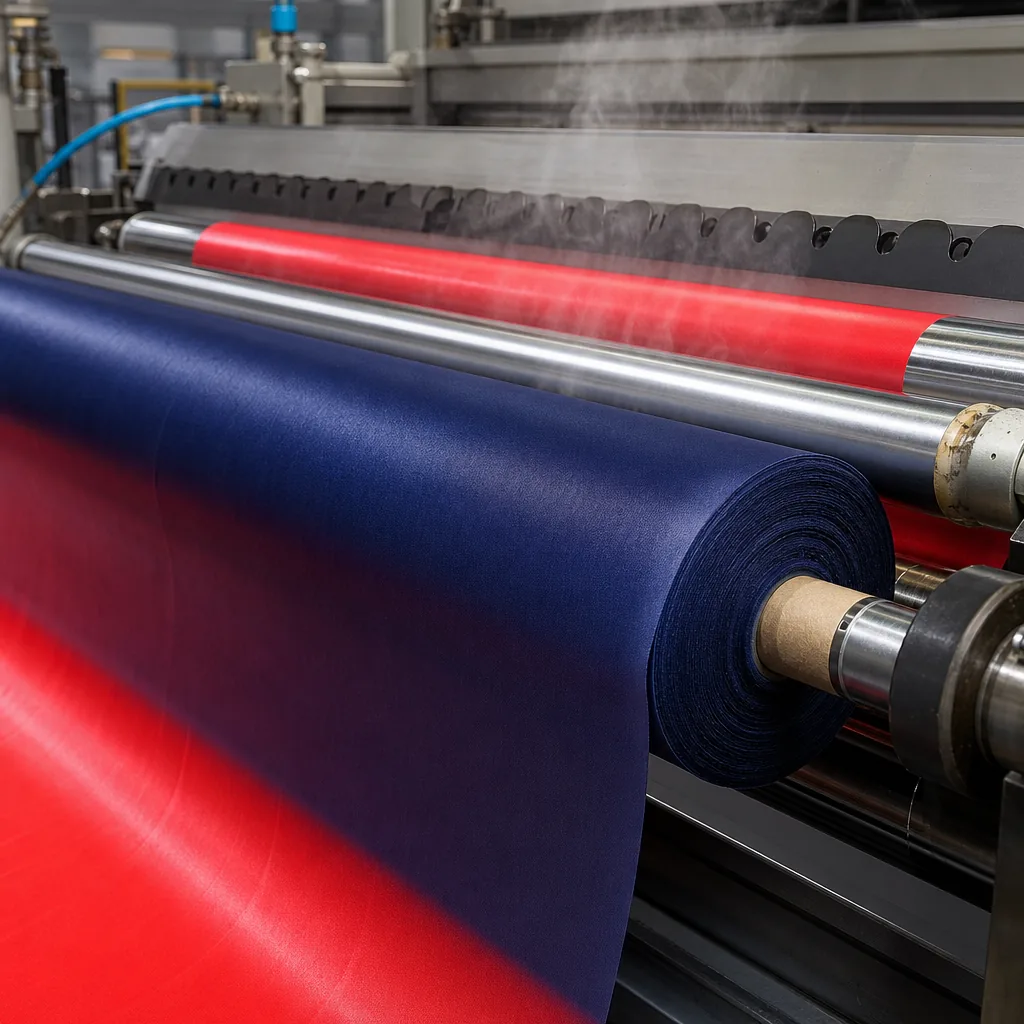
Buying an eco-friendly umbrella is harder than it looks: many products claim sustainability while only changing one visible part. A real rpet umbrella starts with verified recycled polyester in the canopy, but the frame, handle, repairability, and component sourcing matter just as much if you want lower waste and consistent quality. At the factory level, the difference shows up in material traceability, part design, and whether the product can actually be serviced instead of discarded.
RPET canopy fabric: recycled bottles to pongee
RPET starts as post-consumer PET bottles, but the material only becomes useful after a real recycling chain: collection, sorting by resin color, washing, shredding into flakes, and remelting into pellets or directly spinning into filament. That filament is then woven into pongee-style canopy cloth, commonly in 190T or 210T weights for an `rpet umbrella`. In practice, a good recycled umbrella manufacturer can match virgin polyester on the basics that matter to buyers: tensile strength, tear resistance, print quality, and color consistency. If the spinning and weaving are controlled, the fabric behaves like standard polyester under screen print, heat transfer, or sublimation, and it sews the same on the canopy line without special handling.
The important point is that RPET is not automatically sustainable just because it came from bottles. You need a GRS certificate to prove recycled content and chain of custody, and that certificate only has value when the mill, fabric converter, and finished goods factory all keep records clean. As a sustainable umbrella supplier, we look at the full material stack, not just the canopy: RPET fabric, recycled plastic tips and runners, and where possible lower-impact packaging. An eco friendly umbrella still has to pass the same factory checks as any other product, including AQL 2.5 on seams, panel alignment, and opening function. If the cloth is too thin or the coating is poor, buyers get a green story but a weak umbrella, which is exactly the wrong tradeoff for retail or promotion programs.
Recycled and bio-based handles and tips
For an rpet umbrella, the handle and tip are where a lot of the “eco” story gets vague fast. Our standard practice at ZheBrella is to separate recycled plastic, FSC wood, and bamboo by use case instead of treating them as interchangeable. Recycled PP and ABS handles work well on 21" and 23" fold umbrellas because they can be injection-molded with consistent wall thickness, usually around 1.8 to 2.5 mm, and they hold color better than cheap mixed scrap plastic. For tips, recycled nylon or recycled PP is fine if the mold design avoids thin needle points that snap in transit. A recycled umbrella manufacturer should also specify whether the resin is post-consumer or post-industrial, because buyers usually need that for ESG claims and audit files.
FSC-certified wood is still the cleanest option when the buyer wants a more natural look and a premium hand feel. Beech, maple, and oak are common because they machine well, take stain evenly, and do not split as easily as softer woods when the ferrule is pressed in. The real issue is moisture control: if the wood is not dried properly before turning and sanding, the handle will warp, crack at the collar, or loosen after a few shipping cycles in humid containers. Bamboo is lighter and faster-growing, but it is not automatically better. Dense laminated bamboo handles perform well on stick umbrellas and can be paired with metal or recycled plastic tips, but the glue line quality matters more than the raw bamboo itself. For a sustainable umbrella supplier, the better question is whether the handle system survives drop tests, salt spray, and daily use, not whether the material sounds green on paper.
The most practical eco friendly umbrella programs use a mixed-material approach: rPET canopy, recycled plastic tip, and either FSC wood or bamboo handle depending on price point and market. That gives the buyer something real to document without forcing every part into the same material family, which often hurts durability. For retail programs, I would rather see a clean 60/40 split of recycled and bio-based components than a fragile fully compostable claim that fails after three weeks. On a production line, the handle finish also matters: water-based coating on wood, matte texture on recycled PP, and rounded tip ends reduce complaints more than marketing language does. If the order needs export documentation, ask for the resin specification, FSC certificate number, and packing photos early, because those details slow down approval more than the actual molding work.
Durability as sustainability
The cheapest umbrella is usually the least sustainable one because it dies in the first bad wind. From a factory-floor perspective, that is the real waste: a 21" or 23" umbrella with thin steel ribs, a weak top spring, and a sloppy runner may look fine in the carton, but one gust bends the stretcher or pops the tip and the whole unit becomes trash. A windproof build with fiberglass ribs, a reinforced shaft, and a double-canopy vented top lasts through more open-close cycles and more storms, so the material footprint is spread over years instead of days. That matters more than a recycled label on a product that cannot survive normal use.
An rpet umbrella only makes sense when the structure is designed to be repaired. Recycled PET fabric lowers reliance on virgin polyester, but the canopy is not the failure point in most returns; the frame is. A recycled umbrella manufacturer that understands durability will keep spare parts standardized: ribs, stretchers, springs, tips, and handle inserts should be replaceable without scrapping the whole umbrella. On the line, we see this every day. If the shaft diameter, rib gauge, and rivet points are matched properly, a simple repair can extend service life by another season or two. That is a better sustainability outcome than chasing the lowest unit cost and replacing the product after one storm.
A sustainable umbrella supplier should talk about lifecycle, not just recycled content. UV coating, PU or Teflon water-repellent treatment, and RPET 190T or 210T pongee all help, but the bigger win is a frame that survives repeated stress and a design that can be serviced. For an eco friendly umbrella, I would rather specify a fiberglass frame with an AQL 2.5 inspection standard and a realistic wind target than a flimsy all-plastic build that ends up in landfill after a month. ZheBrella’s standard practice is to treat durability as part of sustainability: fewer breakages, fewer replacements, lower freight waste, and better total cost across the full lifecycle.
Certificates that prove eco claims
GRS is the first document I ask for when someone claims an rpet umbrella is truly recycled, because it does more than say the fabric contains recycled content. The Global Recycled Standard checks the recycled input, the chemical restrictions, and the transaction records that connect the yarn back to the source. Without that paperwork, “recycled” can mean anything from a marketing claim to a partial blend with no traceability. For canopy fabric, I want the certificate scope to cover the actual mill, the dyeing house, and the cutting-and-sewing facility, not just a trading company. That matters for a recycled umbrella manufacturer because the chain can break at any step if a subcontractor is outside the certified scope. If the buyer wants a sustainable umbrella supplier they can audit later, the certificate numbers, scope dates, and product category must all match the purchase order and the invoice description.
OEKO-TEX is a different claim and buyers should not confuse it with recycled content. It does not prove the polyester is recycled; it proves the textile has been tested for restricted substances and is suitable from a human-health standpoint. For umbrella programs, that usually means the canopy fabric, the printing ink, and sometimes the webbing or sleeve if those parts are part of the claim. I prefer seeing the OEKO-TEX certificate together with the specific article name, because a general mill certificate is weaker than a product-level match. On an eco friendly umbrella, that distinction matters: one document supports chemical safety, the other supports recycled content, and neither replaces the other. If the supplier cannot explain which components are covered, that is usually a sign the claim was assembled from disconnected paperwork rather than controlled production.
Chain-of-custody documentation is what closes the gap between the paper certificate and the finished rpet umbrella in the carton. I look for purchase orders from the recycled yarn source, incoming inspection records, cutting tickets, production lot numbers, and shipping documents that show the same batch flowing through the factory. Good records should let a buyer match one lot of canopy fabric to a specific container, then to the final export invoice and packing list. For higher-volume retail or promotional programs, that traceability is what supports customs questions, retailer compliance checks, and customer audits after delivery. A sustainable umbrella supplier should be able to show this trail without rebuilding it from scratch, and the records should survive long enough to cover reorders and claims reviews. In practice, that is the difference between a real certified program and a one-time sales sample with a green label.
Pricing and MOQ for eco lines
An rpet umbrella is not a cost-neutral swap for standard polyester. In real production, recycled canopy fabric usually carries a 10% to 25% material premium versus virgin 190T pongee, and the bill goes up again if the buyer wants recycled aluminum shafts, recycled plastic tips, or low-VOC water-based printing. If the design also calls for a GRS-traceable supply chain, the certification paperwork and mill minimums add another layer of cost. On a normal 23" auto-open stick umbrella, that usually means a landed price increase of about $0.25 to $0.80 per unit at 1,000 to 5,000 pcs, depending on color count, print coverage, and whether the frame stays steel or moves to fiberglass. A sustainable umbrella supplier should be transparent about that premium instead of hiding it inside a vague “eco fee.”
MOQ is where most buyers get surprised. For a recycled umbrella manufacturer, the fabric mill often wants one dyed shade per lot, so a custom RPET canopy in Pantone-matched colors is rarely efficient below 1,000 pcs, and 3,000 pcs is the practical floor if you want decent pricing and stable shade consistency. For stock black, navy, or heather gray RPET panels, 500 pcs can work, but the frame and handle may still carry their own minimums if you specify recycled components. ZheBrella’s standard practice is to separate the eco claims by component, because “eco friendly umbrella” can mean just the canopy, or it can mean the entire BOM; those are different cost structures and different lead times. Buyers should expect 25 to 40 days for sampled repeat orders and 35 to 55 days for first production once the recycled yarn and certification documents are approved.
The economics improve quickly as volume rises. At 5,000 to 10,000 pcs, the premium on an RPET umbrella typically narrows because the fabric waste rate drops, printing is consolidated, and packaging can be simplified with FSC cartons or kraft sleeves. That is the point where buyers can usually justify a recycled umbrella manufacturer program for retail or promotional use without destroying margin. For FOB China, many buyers target a $2.10 to $3.80 unit cost on a basic 23" RPET auto-open model with a steel frame, while a better windproof fiberglass version with UV coating and recycled canopy often lands closer to $3.40 to $5.50, depending on specs. If someone quotes dramatically below that, they are usually not using verified recycled yarn, or they are cutting corners on hardware quality and inspection.
Frequently Asked Questions
Is RPET umbrella fabric as good as regular polyester?
Yes, in practice. RPET pongee matches virgin polyester on water resistance, print quality, and strength. The main differences are a small cost premium and the need for GRS documentation to substantiate the recycled claim.
How can I verify an umbrella is actually recycled?
Ask for a Global Recycled Standard (GRS) certificate covering the specific fabric, plus transaction certificates for your order. Without chain-of-custody paperwork, an 'eco' label is unverifiable.
What documents should I request to confirm an RPET umbrella claim?
Ask for a GRS certificate, recycled content test report, and batch-level material traceability. For import programs, many buyers also request a third-party factory audit plus carton-level SKU traceability so the recycled-content claim matches the shipped order.
Does a recycled umbrella frame affect wind performance?
Not necessarily, but the alloy grade and rib design matter more than the recycled label. A well-designed recycled aluminum frame can still pass common wind tests at 60-70 km/h, while a poorly engineered virgin frame can fail earlier.
What is a realistic MOQ for a custom sustainable umbrella order?
For OEM/ODM production, a common MOQ is 1,000-3,000 pieces per color or style, depending on canopy fabric, handle material, and print complexity. Lead time is often 30-45 days after sample approval, with longer timelines if the recycled fabric is sourced to order.
Looking to Launch Your Custom Umbrella Line?
ZheBrella is a Zhejiang-based OEM/ODM umbrella manufacturer with 17 years of export experience. Free design, low MOQ from 100 pieces, windproof construction, full-color print.
Get Free Quote Now »People Also Search For
Related Articles
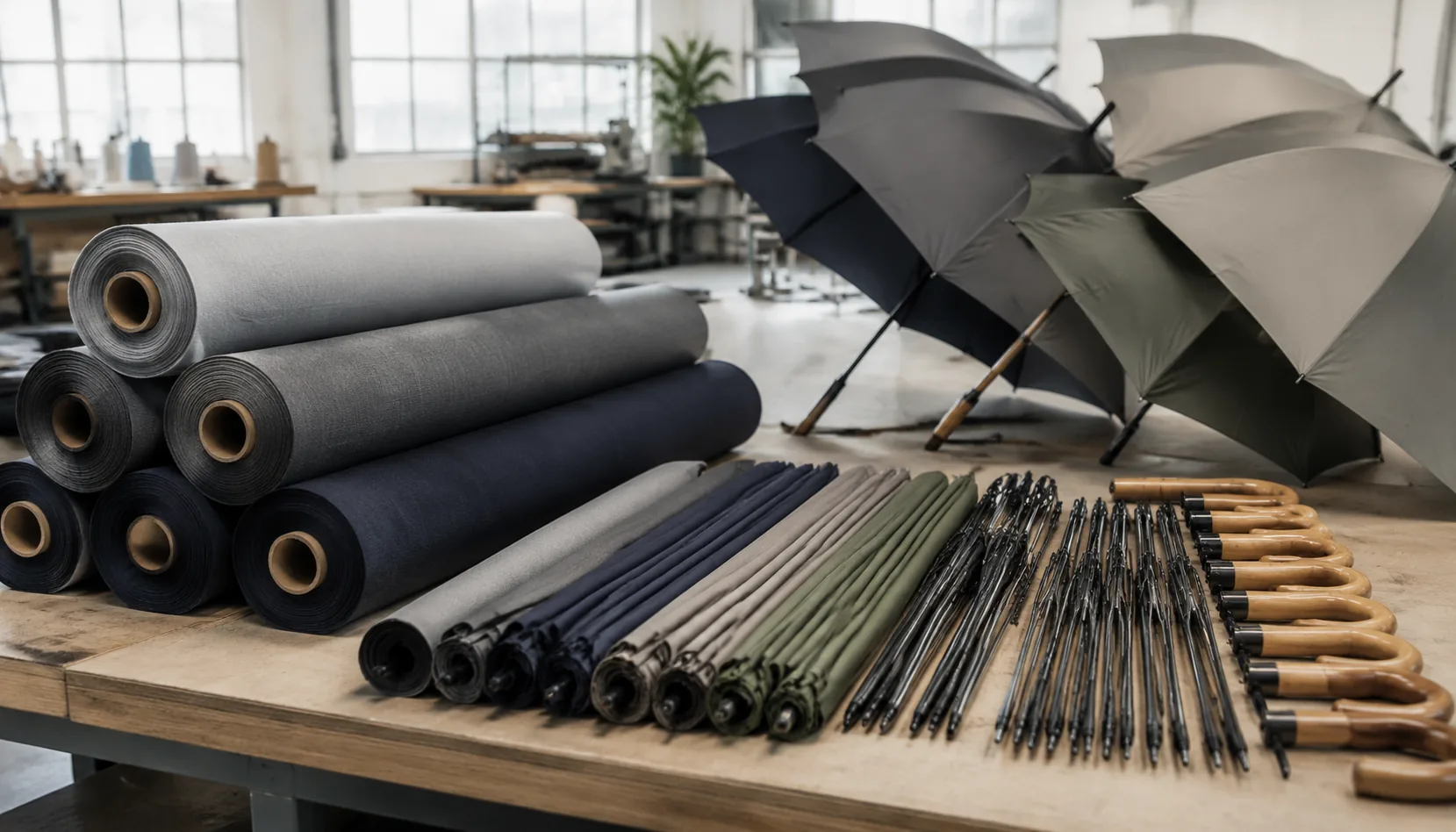
RPET Recycled Umbrellas for Retail and Corporate Orders
Source RPET recycled umbrellas with clear fabric specs, certification options, print choices, MOQ planning, and durabili...
Read More »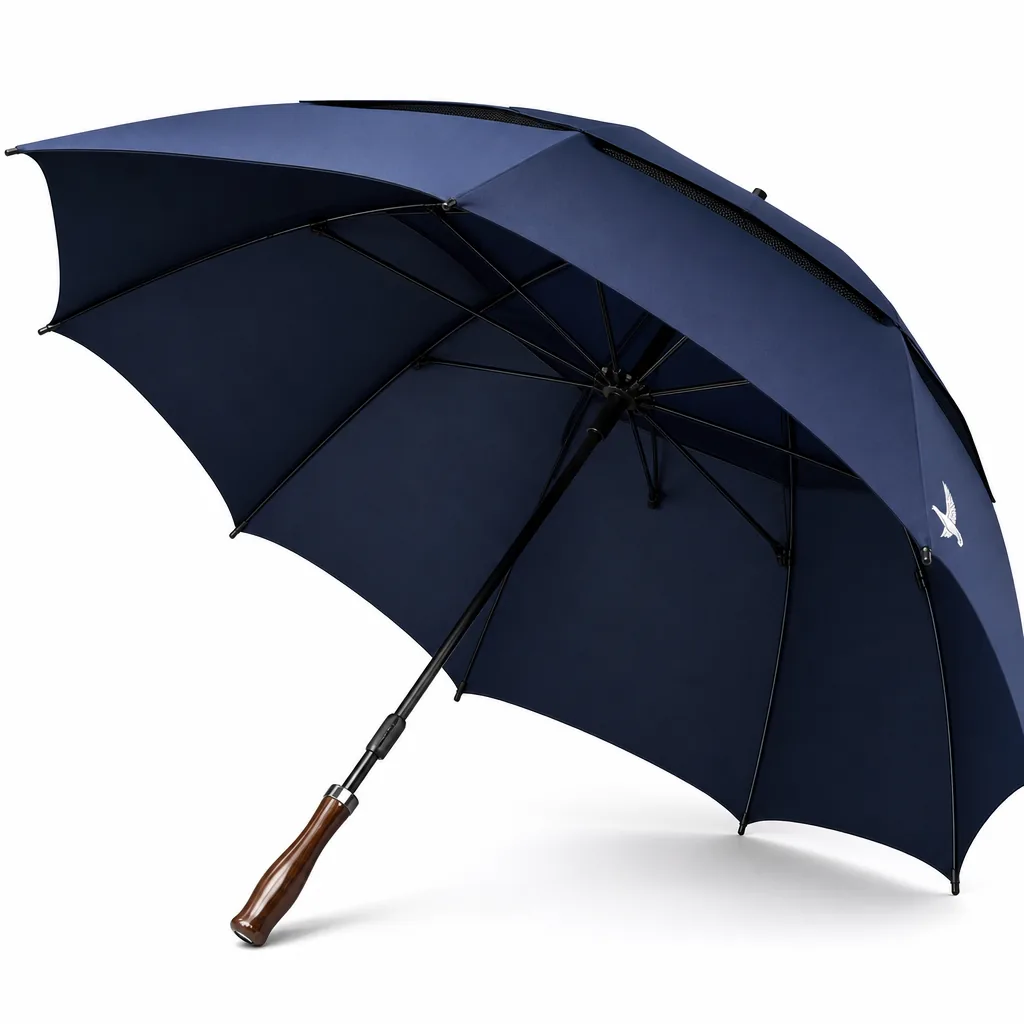
Recycled PET Umbrellas: OEM Spec Guide for Buyers
Learn how to specify rPET umbrella fabric, GRS claims, frame options, print limits, MOQ, QC, and lead times for sustaina...
Read More »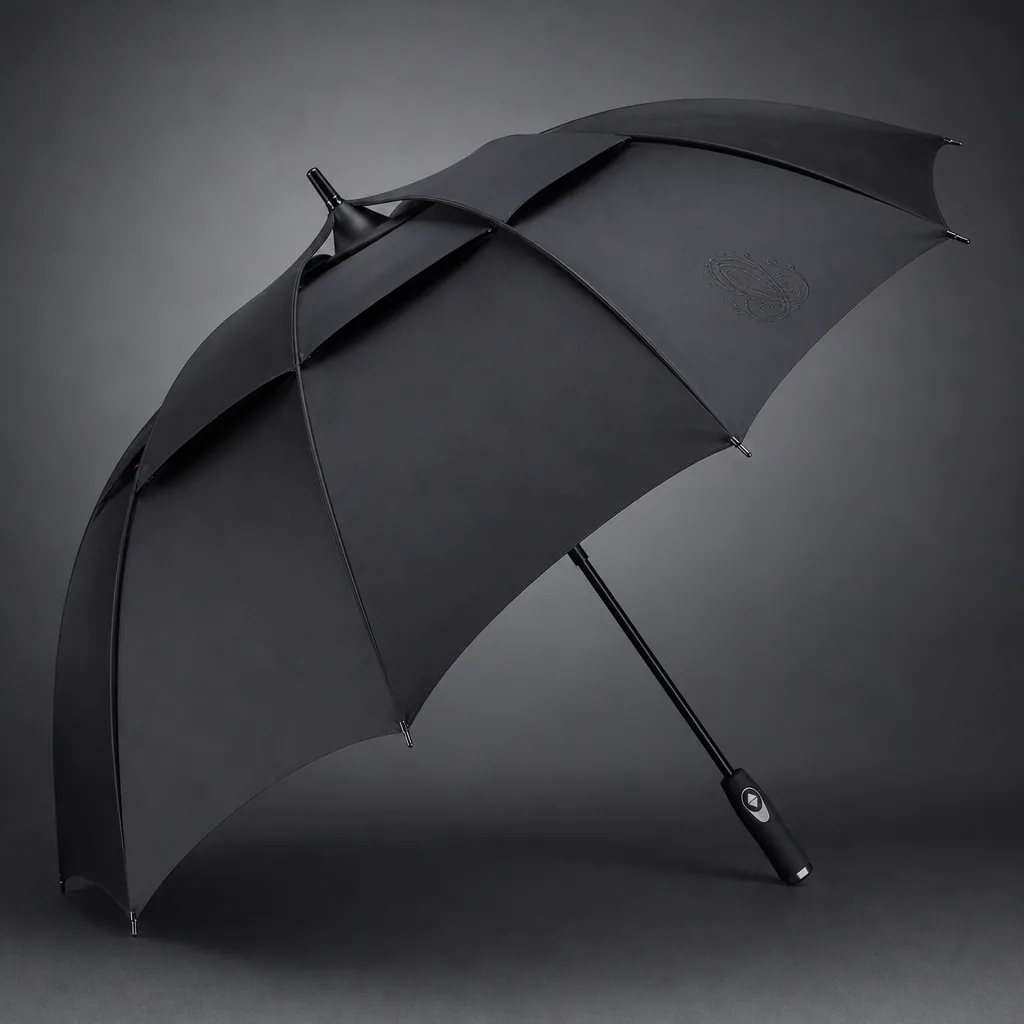
RPET Umbrellas for Sustainable Retail and Promo Programs
Learn how to specify RPET umbrella fabric, certification, print methods, frames, MOQ, and packaging for sustainable reta...
Read More »