Black Coating vs Silver Coating Umbrellas for UV Programs
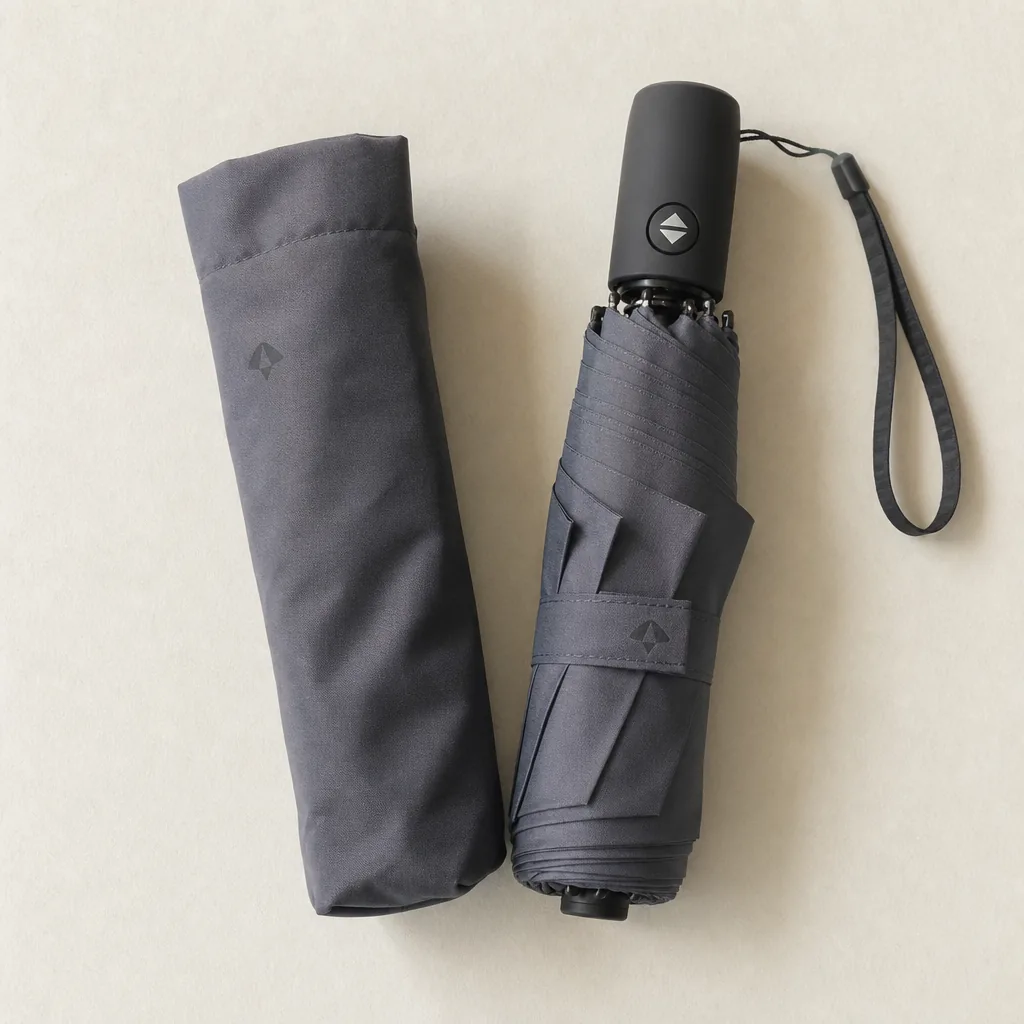
When a UV program underperforms, the problem is usually not the frame but the coating, fabric base, and how those two behave after mass production. In factory terms, the real black coating vs silver coating umbrella decision comes down to more than shade or price: buyers need to balance UPF 50+ targets, surface temperature, visual finish, and coating stability across repeated runs before they lock an OEM spec.
What Coating Choice Means for UV Umbrella Performance
In sun umbrellas, the coating is the functional layer that upgrades a canopy from simple shade to a UV product. On a typical coated pongee umbrella, the coating is applied to the underside of 190T or 210T pongee after dyeing and before cutting, so it can block or reflect UV that passes through the weave. That is why buyers compare a black coating vs silver coating umbrella so closely: both are used to support UV protection, but they behave differently in use. Black PU or black UV-block coatings absorb light and create a darker, lower-glare interior, which many end users prefer in strong sun. Silver coatings reflect more radiation and can reduce heat buildup effectively when the layer is continuous and evenly cured. In any UV umbrella coating comparison, however, coating is only one part of the build. If the base fabric is too thin, the weave is loose, or roller coating leaves pinholes and thin spots, UV performance drops fast even if the canopy looks acceptable during first inspection.
For UPF 50+ umbrella sourcing, buyers should treat coating, fabric, and frame as one system. A 210T pongee canopy with a tight weave, darker face fabric, and consistent underside coating will usually support UPF 50+ positioning more reliably than a low-cost 190T fabric with weak finishing. Construction matters too: an 8K or 10K frame with proper canopy tension helps reduce stretch gaps at panel seams, and a 23-inch or 27-inch canopy gives better shoulder coverage than a small parasol size. In a sun umbrella OEM guide, the practical choice between a black coating vs silver coating umbrella usually comes down to appearance tolerance, user comfort, and return risk. Black coatings generally hide abrasion from repeated open-close cycles better, while silver coatings more readily show scratches, crease whitening, and coating transfer when curing or packing control is poor. To reduce claim risk, specify the full build upfront: 190T or 210T pongee, manual or auto-open frame, fiberglass ribs instead of all-steel for better warm-weather durability, the required UV test standard, and AQL 2.5 final inspection.
Black Coating: Cleaner Look and Strong Retail Appeal
For consumer-facing UV programs, black coating is usually the lower-risk choice because it looks intentional rather than technical. In a black coating vs silver coating umbrella decision, the matte black interior creates less visual glare when the canopy is opened, gives a cleaner appearance in product photos, and reads more premium at retail than a reflective silver underside. It also hides light dust, rib rub, and minor scuffing better during sampling, AQL 2.5 inspection, and store handling, especially on auto-open-close umbrellas cycled repeatedly. Most factories pair black coating with 190T or 210T pongee instead of basic polyester taffeta. That matters for both feel and presentation: 190T pongee is the more cost-efficient option for volume orders, while 210T coated pongee umbrella programs usually deliver a denser hand feel, smoother surface, and better print appearance for branded runs.
Buyers should separate appearance from measured protection in any UV umbrella coating comparison. Black coating alone does not make a canopy UPF 50+; the result depends on the fabric, coating system, and final lab-tested construction. If the program also includes exterior printing or a water-repellent top finish such as Teflon, approve the finished canopy after all treatments, not just the greige or base fabric. The main sourcing risk is finish consistency. Specify an even matte look panel to panel, and reject cloudy areas, roller streaks, pinholes at fold lines, and strong residual odor after packing. On 8K and 10K frames, coating uniformity is typically easier to control; on 16K fashion umbrellas, the higher seam count and tighter panel geometry make crease whitening, tension marks, and adhesion issues more visible. For any sun umbrella OEM guide, pre-production review should include fold-crease whitening, coating adhesion after repeated open-close cycles, and color-transfer checks, because black interiors expose defects quickly at retail.
Silver Coating: Reflective Appearance and Traditional Sun Use
Silver coating still wins orders because the UV function is obvious on first look. For utility giveaways, beach kiosks, golf events, municipal programs, and outdoor promotions, a silver-coated interior or exterior immediately reads as a sun umbrella, even before the user sees a UPF 50+ claim. In a black coating vs silver coating umbrella decision, that visual cue matters: staff and end users can identify the product category at a glance. Functionally, silver pigment reflects part of the sun load rather than relying mainly on absorption, so buyers often specify silver-coated 190T or 210T pongee on 21 inch, 23 inch, or 27 inch frames when the target is practical sun protection at controlled cost. For a coated pongee umbrella in a budget-sensitive program, silver delivers the traditional reflective look without moving to heavier fabric constructions or more premium matte interiors.
The tradeoff is appearance retention. Silver coating looks more utilitarian and less refined than black, which can be a drawback for retail collections or branded programs where the canopy interior is part of the user experience. It also shows scratches, fold-line whitening, rub marks, and transit creasing more clearly, so packing density, rib-tip protection, and dry storage directly affect sellable appearance. Those marks usually do not reduce UV performance, but they increase cosmetic risk for outdoor event distribution and image-sensitive channels. In a UV umbrella coating comparison, silver remains common in UPF 50+ umbrella sourcing because it fits price-driven builds such as 23 inch or 27 inch manual or auto-open umbrellas with a steel shaft, fiberglass ribs, and silver-coated pongee, typically at MOQs of 1,000 to 3,000 pieces. For a sun umbrella OEM guide, silver is still the practical choice when function visibility and FOB target carry more weight than a premium finish in the broader black coating vs silver coating umbrella evaluation.
Performance, Durability, and Factory QC Checks
For a serious UV program, the black coating vs silver coating umbrella decision should be made on how the coating survives converting and use, not on a day-one UPF claim alone. Black PU or black UV-block coatings on 190T or 210T pongee usually look cleaner at retail and hide print-through better, but weak adhesion shows up quickly as micro-cracking on fold lines after repeated open-close cycles. Silver coatings, especially low-cost acrylic or aluminum-paste systems, can test UPF 50+ when new and then lose performance as the surface powders from rubbing at the crown, tips, or hook-and-loop strap. In any UV umbrella coating comparison, ask for the actual UV test report, not a generic statement. The report should name the base fabric, such as 190T coated pongee umbrella fabric, the coating type, the test standard, and whether the result applies to washed or unwashed fabric. Also ask for adhesion and crocking or rubbing-resistance data so the test result matches the material and handling conditions you are sourcing.
Lot consistency is where many factories miss spec. One production lot may have an even silver finish, while the next shows roller marks, shade variation, pinholes, or thin coating at panel edges because coating weight was not controlled. Black coatings can drift as well: a change in pass count or curing temperature can turn a supple canopy stiff, which then affects sewing tension, panel shape, and finished appearance. For UPF 50+ umbrella sourcing, require the factory to confirm coating GSM tolerance, curing method, and incoming-roll checks under backlight before cutting. Then verify canopy stitching after coating: seam overlap, stitch density, skipped stitches at the tips and top notch, and whether needle penetration leaves visible inconsistency along the seam. Write AQL 2.5 final inspection into the PO, with checkpoints for coating uniformity across all 8 panels, rubbing resistance in high-contact zones, canopy symmetry on the frame, side-light appearance, seam leakage risk, and traceability from fabric batch to final inspection record. Without that link, a sun umbrella OEM guide is only describing the sample, not bulk production.
How to Specify the Right Coated Umbrella for Your Market
Start with channel fit, not coating alone. In a black coating vs silver coating umbrella decision, black coating usually suits retail better because the inside face looks cleaner on shelf and hides print shadow, glue marks, and light abrasion that show faster on metallic silver. Silver coating is still a practical choice for outdoor promotions, school distributions, beach events, and municipal giveaways where the visible sun-block story matters more than shelf appearance. For high-UV markets such as Australia, the Gulf, Southern Europe, and the U.S. Sun Belt, specify the full build: 190T or 210T pongee, tested UPF 50+ performance, and a 23 inch or 27 inch frame with fiberglass ribs if the umbrella needs real summer-wind durability. If the target price is tighter, a 21 inch 8K steel frame can still meet promo use, but retail, resort, and gift programs usually justify an upgrade to auto-open 8K or 10K construction, vented canopies, or heavier coated pongee umbrella fabric to avoid a cheap hand feel and reduce return risk.
Climate, packaging, and approval discipline should decide the final spec as much as appearance. In a UV umbrella coating comparison, black coating is usually more forgiving in humid markets where frequent opening and closing can accelerate interior rub, while silver coating needs tighter packing control because scuffing shows earlier and metallic surfaces often require interleaving or individual polybags. Ask for lab support on UPF 50+, confirm the base fabric as 190T or 210T, and review adhesion or salt-spray data for coastal programs before release. Approve a full pre-production sample, not a fabric swatch: canopy color, coating, opening feel, runner action, and rib set should be signed off as one build. MOQ is typically around 500 pieces per color for common manual or auto-open styles, rising to roughly 1,000 to 3,000 pieces for custom frames, handles, or printed sleeves. Coating selection can also affect export planning: fold bulk may change carton count, and custom silver-coated fabric, testing, and sample approval can add 5 to 10 days before bulk production, pushing total lead time into the 35 to 50 day range. For FOB or DDP planning, lock carton dimensions, destination labels, and retail inserts early; those details often create more delay than the umbrella assembly itself.
Frequently Asked Questions
Does a black-coated umbrella always provide better UV protection than a silver-coated umbrella?
Not automatically. Buyers should request actual UV test data and confirm the finished umbrella achieves the required UPF 50+ level, because performance depends on the full material and coating system.
Can coated sun umbrellas also be built for rain use?
Yes, if the canopy fabric, frame, and stitching are designed for dual use. Buyers should confirm water repellency, frame corrosion resistance, and whether the model is positioned as sun-only or sun-and-rain.
Can a silver-coated umbrella still meet UPF 50+ if the outer fabric color is light?
Yes, if the base fabric is dense enough and the coating coverage is consistent. For OEM programs, buyers usually ask for lab testing on the final canopy construction, because light-colored shells can perform differently depending on pongee weight and coating thickness.
Which coating is easier to keep visually consistent across repeat production orders?
Black coating is usually easier for repeatability because it hides minor variation better and presents a more uniform inner canopy. Silver coating can show more batch-to-batch differences in gloss, streaking, or rub marks, so approval standards should include a signed sample and clear visual tolerance.
What should importers confirm before placing a coated pongee umbrella order for a summer retail program?
Confirm the target UPF rating, canopy fabric spec, coating type, frame color, and carton timeline before deposit. For most OEM runs, coated umbrellas need sample approval plus production lead time of roughly 35 to 50 days, and MOQ often starts around 500 to 1,000 pieces per style.
Looking to Launch Your Custom Umbrella Line?
ZheBrella is a Zhejiang-based OEM/ODM umbrella manufacturer with 17 years of export experience. Free design, low MOQ from 100 pieces, windproof construction, full-color print.
Get Free Quote Now »People Also Search For
Related Articles
Blackout Coated Rain Umbrellas: Retail Buyer Spec Guide
Specify blackout coated rain umbrellas with UPF 50+, pongee fabric, frame choices, print limits, MOQ, and AQL checks for...
Read More »
UV-Coated vs Black-Coated Sun Umbrellas for OEM Buyers
Compare black coating and UV coating for sun umbrellas, including UPF 50+, fabric options, weight, print impact, MOQ, an...
Read More »
UV Coating vs Black Glue Umbrellas for Branded Sun Protection
Compare UV coating and black glue umbrella builds for branded sun styles, including UPF 50+, fabric choices, weight, cos...
Read More »