Choosing Umbrella Canopy Coatings for Rain and UV Sales
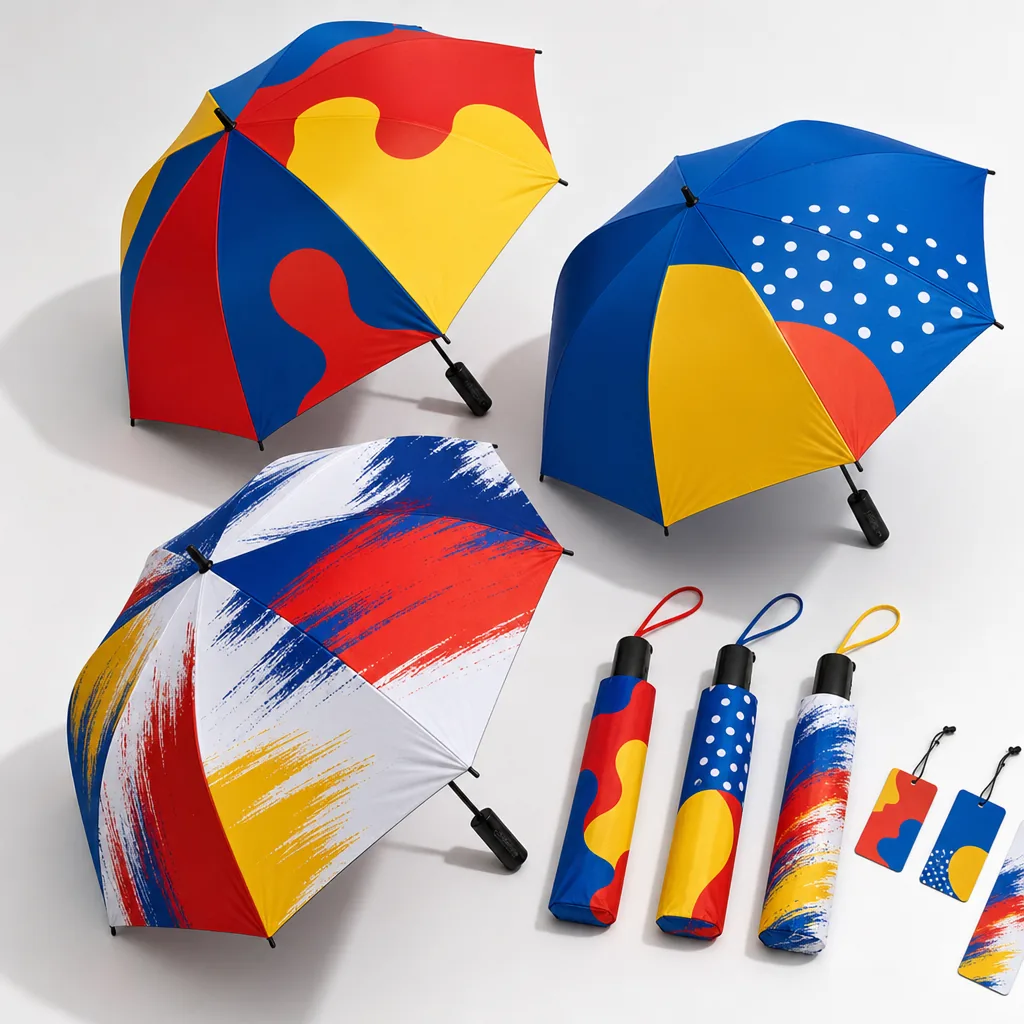
Buyers choosing between rain and UV umbrellas often discover that the canopy finish matters as much as the frame or handle. The right umbrella canopy coating has to balance water repellency, UPF performance, hand feel, color retention, and production consistency, because a coating that looks good on paper can still fail on the factory floor or in real weather.
What canopy coatings actually change
PU, silver, and UV finishes do different jobs, and buyers should stop treating them as interchangeable. A PU-based umbrella canopy coating is mainly about rain performance: it slows wet-through, improves bead-up on a water-repellent umbrella fabric, and helps a pongee canopy dry faster after use. Silver coating adds reflectivity, so it cuts heat buildup and improves shade density under direct sun, while dedicated UV coatings are built to raise protection numbers for an UPF 50+ umbrella. In practice, the coating choice changes what the customer feels immediately: how slick the fabric is, how quickly droplets roll off, and whether the canopy feels airy or plasticky in hand.
The real tradeoff is weight and hand feel. A thicker coating system usually makes the cloth stiffer and slightly heavier, which can be fine on a 23" or 27" promotional umbrella but feels cheap on a compact 21" travel model if the finish is overdone. Silver-backed cloth often looks bright under light but can read more technical than fashion-oriented, while a clear PU finish preserves the color of printed panels better. In rainy retail, the buyer notices whether water beads cleanly or soaks into the top yarns after a few opens and closes; in sun-protection programs, the buyer is looking for a cooler underside, less light bleed, and a coating that does not crack after repeated folding.
For custom umbrella sourcing, the useful question is not “which coating is best” but “what problem is the program solving.” If the umbrella is sold for commuter rain use, prioritize PU or a tighter water-repellent umbrella fabric with decent hand feel and fast dry-down. If it is for golf, beach, or outdoor event kits, silver or UV-layered finishes make more sense because shade and temperature reduction matter more than pure rain shedding. Our standard practice is to match the umbrella canopy coating to the sales channel first, then confirm print compatibility, odor, and flex durability in sample testing before tooling the order.
Best fabric and coating pairings
Pongee 190T is the workhorse for entry-level rain programs because it takes coating evenly, dries fast in production, and keeps cost under control. Paired with a light PU or silver umbrella canopy coating, it gives you a decent water-repellent umbrella fabric for compact promotional umbrellas and giveaway styles where the buyer cares more about price, foldability, and acceptable water beading than perfect blackout. The fabric is thinner, so opacity is only moderate; you will see more light transmission and lighter print colors can shift a bit after coating. For logos, screen print stays readable, but fine halftones and photo-style graphics are less forgiving once the coating and ink both start interacting with the weave.
Pongee 210T is the better base when the customer wants a tighter hand feel, better coverage, and a more premium look without jumping to heavy golf-umbrella materials. In practice, a 210T pongee canopy with black PU, silver, or Teflon-type finish gives better opacity and stronger color hold, which matters for a UPF 50+ umbrella or any program where the canopy has to sell both rain and sun protection. The denser weave also improves print impact: logos look crisper, especially on dark or saturated colors, because the fabric blocks more show-through and the surface is more stable under heat-transfer or sublimation. If the buyer is comparing quotes in custom umbrella sourcing, this pairing usually lands in the sweet spot between cost and perceived quality.
For golf umbrellas and higher-visibility retail styles, I would usually move to 210T pongee with a full-coverage coating system, or a double-layer setup with a vented top if wind performance matters. That is the point where the umbrella canopy coating is doing more than just shedding water; it is controlling opacity, improving UV blocking, and giving the artwork a cleaner background across the full panel. On promotional umbrellas, 190T still wins when the order needs aggressive pricing and fast lead times, but once the customer asks for darker colors, stronger sun performance, or cleaner brand presentation, the extra cost of 210T pays back in fewer complaints and better shelf appeal.
Performance specs buyers should request
For rain-plus-sun programs, procurement teams should stop asking for “good coating” and start asking for measurable performance. A usable umbrella canopy coating spec usually starts with a clear UV target like UPF 50+, a stated water-repellent umbrella fabric performance level, and a defined hydrostatic requirement if the umbrella will be sold as a true rain product rather than a light shower item. Buyers should also confirm the coating side, because a reverse-coated pongee canopy behaves differently from a face-coated one in hand feel, drying time, and printability. If the supplier cannot tell you whether the polyurethane, acrylic, or silver coating sits on the inside or outside of the canopy, that is already a sourcing problem.
Colorfastness matters more than most buyers expect, especially on dark or brightly branded panels that sit in hot storage or get repeated wet-dry cycling. Ask for the actual test method and result, not a vague promise, because good coating can still fail if the dye system bleeds or the print layer chalks out. Panel consistency is another practical check: the same umbrella canopy coating should give even appearance from panel to panel, with no streaking, pinholes, or visible shade drift after sewing and tensioning. On a pongee canopy, those defects usually show up where the fabric was cut off-grain or the coating weight varied across the roll.
For custom umbrella sourcing, I tell buyers to request lab reports before they approve samples: UV test data for UPF 50+, water resistance or hydrostatic test results where relevant, colorfastness to rubbing and water, and any coating adhesion or aging data the factory has on file. Ask for the report number, lab name, test standard, and sample photos so you can match the document to the exact fabric lot. If the supplier only sends marketing sheets, push back; a serious factory should be able to provide third-party or in-house reports tied to the same coated roll, not a generic umbrella brochure.
Quality risks in coated canopy orders
Coated canopy orders fail in the same few ways: the film cracks when the cloth is folded too tightly, the spray lands unevenly and leaves streaks, pinholes show up after sewing, the coating peels at the seam allowance, or the batch carries a sharp solvent odor that customers notice as soon as the carton is opened. With an umbrella canopy coating, the base cloth matters as much as the chemistry. A 190T or 210T pongee canopy can take a different coating load than POE or PVC, and a water-repellent umbrella fabric that looks fine on the table may still fail after repeated opening cycles if the coating is too brittle.
AQL 2.5 inspection helps, but only for what an inspector can see and count at the end of the line: streaks, missed spots, peeling edges, dirt, and obvious odor complaints at packing. It does not tell you whether the finish will crack after cold-weather shipping, or whether a UPF 50+ umbrella still holds its rating after the coating recipe changes. In custom umbrella sourcing, the pre-production sample is the real gate. That sample should be approved for hand feel, fold recovery, water beading, odor, color match, and seam behavior before bulk cloth is cut, because once a 10,000-piece order is stitched, coating defects become expensive scrap rather than a quality discussion.
The safest practice is to lock the exact coating type, application method, and cure standard before mass production. If you want a glossy rain finish, a matte UV finish, or a combined weather-resistant build, specify the target performance on the sample: spray density, peel resistance at the edge, and folding after cure. A good umbrella canopy coating should survive normal packing without whitening or tackiness, and the approved sample should be kept as the line reference for every lot. ZheBrella treats that sample as the control piece, because AQL 2.5 can reject bad cartons, but it cannot save a poorly approved construction once the fabric is already in the sewing room.
MOQ, lead time, and trade terms for coated umbrellas
Coating choice changes MOQ faster than most buyers expect. A standard umbrella canopy coating on 190T or 210T pongee usually stays within normal fabric minimums, but once you ask for PU, Teflon, or a UV-topcoat on a water-repellent umbrella fabric, the dye lot, coating line setup, and inspection burden all go up. In practice, that means a plain rain umbrella can be built in smaller batches than a UPF 50+ umbrella with a custom finish, especially if you want matching sleeve, hangtag, and carton art. For custom umbrella sourcing, the real constraint is often not the frame but the coated fabric run length and how many rolls the mill will release per color.
Production time also stretches when the coating needs a second pass or cure time. A simple pongee canopy with a basic water-shedding finish may move through cutting and sewing in the usual 20 to 30 days after order confirmation, while a UV-rated coating can add several days if the factory has to hold fabric for adhesion or lightfastness checks. Packing changes too: coated panels can scuff if folded too tightly, so we usually spec a looser polybag, cardboard insert, or sleeve to protect the finish, which increases carton volume and can affect load counts. That matters on export quotes because freight density changes when every umbrella needs extra packing.
For trade terms, FOB is cleaner when you are comparing multiple destination markets because it isolates the factory price and lets each importer control ocean freight, insurance, and last-mile handling. DDP looks simpler on paper, but the landed cost can swing a lot by country once duty rate, customs clearance, and local delivery are added, especially for a UPF 50+ umbrella or a higher-value promotional program. If you are testing three markets at once, quote the same umbrella canopy coating on FOB first, then build a DDP comparison only after you know which port, tax code, and delivery zone you are actually using. That avoids mixing product cost with logistics noise, which is where a lot of sourcing decisions get distorted.
Frequently Asked Questions
Should a buyer choose silver coating or UPF-rated fabric for sun umbrellas?
For retail sun use, ask for both when possible: a UPF 50+ fabric spec and a coating that improves heat and glare reduction. Silver coating can help with shade performance, but the final rating should still come from test data.
Does coating change the way an umbrella prints?
Yes. Some coatings reduce ink adhesion or change color appearance, especially on darker or highly reflective fabrics. Buyers should approve a print strike-off on the final coated fabric before mass production.
What canopy coating spec should I request for both rain and UV performance?
Ask for a water-repellent top finish plus a UV-blocking layer or backing, and confirm the target UPF rating in writing. For commercial programs, buyers often request UPF 50+ and a spray rating reference such as AATCC 22 90 or better.
How does coating choice change the feel of the umbrella canopy?
Lighter finishes usually keep the fabric softer and easier to fold, while heavier coatings improve water beading but feel stiffer. If the umbrella is for retail or fashion channels, request a pre-production swatch and check open-close performance after coating.
What production details should a distributor confirm before ordering coated canopies?
Confirm fabric base, coating type, target UPF, color matching tolerance, print method, and whether the coating can pass salt-spray or water-spray testing if needed. For custom OEM runs, sampling usually takes 7-10 days and mass production is often 30-45 days after approval, depending on order size and finish complexity.
Looking to Launch Your Custom Umbrella Line?
ZheBrella is a Zhejiang-based OEM/ODM umbrella manufacturer with 17 years of export experience. Free design, low MOQ from 100 pieces, windproof construction, full-color print.
Get Free Quote Now »People Also Search For
Related Articles
UPF 50+ Umbrellas: Choosing Fabrics, Coatings, and Frames
Learn how to specify UPF 50+ umbrellas with the right fabric, coating, frame, and venting for outdoor retail, events, an...
Read More »
Water-Repellent Umbrella Canopies: Coatings Buyers Compare
Compare DWR, PU, and laminated umbrella coatings to balance runoff, hand feel, UV performance, and drying time across re...
Read More »Choosing Canopy Fabric for Custom Umbrellas: Weight, Feel, and Finish
Learn how canopy fabric weight, weave, and coating affect print quality, water resistance, UV protection, and landed cos...
Read More »