UPF 50+ Umbrellas: Choosing Fabrics, Coatings, and Frames
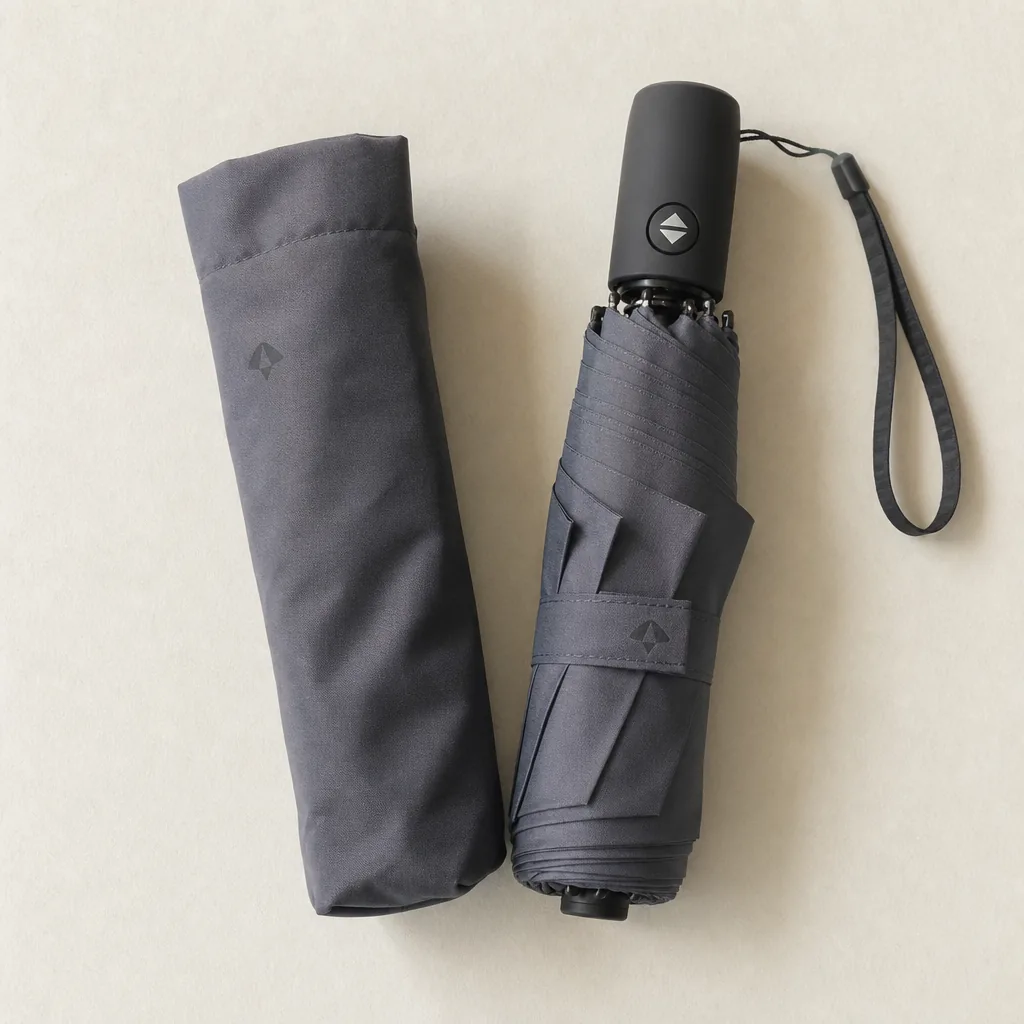
Buying UPF 50+ umbrellas is not just a spec check; it is a balance of shade performance, colorfastness, wind behavior, and cost that has to hold up in real outdoor use. The right UPF 50 umbrella fabric, coating system, and frame package depends on how the product will be sold or deployed, because a beach retail line, an event canopy, and a branded promo umbrella fail for different reasons. At the factory level, small choices in weave density, coating weight, rib design, and venting make the difference between a product that tests well and one that survives customer use.
What UPF 50+ Means in Umbrella Buying
A dark canopy or a tightly woven one can look protective, but shade alone is not the same as verified UV blocking. Buyers often confuse a sun protection umbrella with a fabric that has actually been tested for ultraviolet transmission. What matters is the measured UPF rating of the canopy material, not just its color, density, or whether it has a reflective finish. A proper UPF 50 umbrella fabric means the textile blocks at least 98 percent of UV radiation under test conditions. That is a measurable claim, and it should be supported by a lab report, not a catalog line. In retail umbrella sourcing, this is the first place where product quality gets overstated, because a canopy can feel cool to the hand and still let too much UV through.
The test method matters because not all reports are equal. Ask for the standard used, the lab name, the sample construction, and whether the result covers the finished canopy or only the base cloth. For umbrellas, buyers should look for recognized textile UV testing such as AATCC 183 or AS/NZS 4399, with the report showing the actual UPF value and the wavelength range tested. If the supplier is selling a silver coating umbrella, the coating can improve reflectance and heat feel, but it does not automatically guarantee UPF 50+ unless the full assembly has been tested. The same goes for 210T pongee: it is a good starting fabric, but weave count alone does not equal certified protection.
For real procurement decisions, compare the canopy spec, coating system, and frame design together. A vented double canopy can reduce heat buildup and improve wind stability, but venting does not replace UV performance. If a supplier only says “UV protection” without a report, treat it as marketing, not engineering. Our standard practice in factory verification is to ask whether the UPF test was done on the final colorway, because dye, silver backing, and print coverage can change results. A buyer should also confirm whether the report matches the intended size, such as 21-inch or 23-inch travel models versus larger golf formats, since larger panels can expose weak stitching or coating inconsistencies. For technical buying, request the UPF report first, then check the fabric, coating, and construction against it.
Fabric, Lining, and Coating Options That Change UV Performance
For a true UPF 50 umbrella fabric, the base cloth matters less than buyers think, but it still sets the ceiling. 190T pongee is common because it is light, packs small, and takes sublimation and screen print cleanly, but the weave is a little more open than 210T pongee. That means a 190T canopy usually needs a proper black undercoat or coating system to reliably hit UV targets. 210T pongee is tighter, denser, and usually the better choice when the spec is a sun protection umbrella rather than a basic rain umbrella. Polyester can work for lower-cost programs, but the hand feel is stiffer, the print edge can look less sharp, and UV blocking depends more heavily on coating quality. In retail umbrella sourcing, I treat the fabric count as the starting point, not the finish line.
The coating stack is what actually decides whether the canopy behaves like a sunshade or just looks like one. A black undercoat is the most reliable way to absorb UV and improve opacity, and it is the first thing I check when a customer wants consistent UPF 50 umbrella fabric performance across different dye lots. Silver coating umbrella constructions reflect more light and can run cooler in direct sun, but the metallic layer can be less forgiving on print adhesion and sometimes shows pinholes if the coating weight is too light. PU coatings improve water repellency and hand feel, and they help the canopy pass rain testing, but PU alone does not guarantee UV blocking unless the formulation includes the right pigments or backing. The cleanest result is usually a dense pongee with a black backing and a UV-focused top finish.
For branded programs, the fabric choice has to match the print method and the frame style. A 210T pongee canopy gives better register for detailed logos, while polyester can distort fine artwork if the weave shifts during sewing. If the umbrella is meant for all-day outdoor use, a vented double canopy helps reduce inversion in wind and also keeps the fabric temperature lower than a flat single layer, which matters when the canopy is dark or silver-backed. On the frame side, fiberglass ribs keep the umbrella lighter and less prone to rust migration than steel, which matters if the coating is thick and the customer expects a premium retail feel. ZheBrella usually spec-checks UV, spray, and abrasion performance together, because a canopy that tests well for sun protection but leaks at the seams is still a failed product in the field.
Why Frame Design Matters in a Sun Umbrella
A sun umbrella fails or survives on the frame, not the print on the canopy. For a proper sun protection umbrella, I look first at the ribs and stretcher geometry, because a weak frame makes even good UPF 50 umbrella fabric useless in real use. Fiberglass ribs are the standard choice when the buyer wants flexibility without rust; they bend under load and recover better than thin steel wire, which tends to kink or set permanently after a gust. In retail umbrella sourcing, I prefer 8K or 10K fiberglass for compact styles and 16K on larger 27" or 30" formats where the span is wider and the leverage is higher. The frame has to carry the canopy flat enough for UV coverage, but not so rigid that the first crosswind snaps a rib at the ferrule or runner.
The next weak point is the top structure. A vented double canopy is not decoration; it is the cheapest way to dump pressure before the whole umbrella inverts. On low-cost UV umbrellas, the first failure is usually a rib fracture near the tip, followed by popped seams at the crown, then a broken runner or loose hub when the user pushes the umbrella sideways in wind. Reinforced tips matter because the canopy edge is where abrasion and impact start. If the tip caps are soft plastic and the rib ends are not properly crimped or sleeved, the fabric tears out long before the claimed UPF rating becomes relevant. ZheBrella’s standard practice is to match the tip reinforcement to the fabric weight and the rib count, because a 210T pongee canopy on a weak frame still behaves like a disposable product.
The fabric and coating choice only works when the frame supports it consistently. A silver coating umbrella with 210T pongee can give strong shade and heat rejection, but if the crown sags or the ribs twist, you get light leaks at the seams and the UPF 50 umbrella fabric stops covering evenly. Cheap umbrellas usually fail at the joints first: loose rivets, thin wire ribs, brittle plastic tips, and poor stitching around the canopy pockets. After that comes the user complaint that matters most in the field, which is not the label value but the feeling that the umbrella flips or drips shape after a few openings. For buyers, the practical check is simple: ask for wind-handling specs, rib material, tip reinforcement, and whether the canopy is built for a vented double canopy layout rather than a flat, budget-only construction.
Matching the Build to Retail, Promo, or Resort Use
For retail, the canopy spec has to justify shelf price in the first three seconds. A 42 to 48 inch compact sun protection umbrella with a clean 21 inch folded length, auto-open or auto-open-close, and a premium sleeve will usually sell better than a larger but clumsier stick model because shoppers equate portability with quality. In that channel, UPF 50 umbrella fabric is not enough by itself; buyers expect 210T pongee, a silver coating umbrella or dark UV layer on the underside, and a finish that looks intentional rather than shiny and cheap. Decoration area matters too. A straight panel with enough flat space for a logo, plus a matching tie and molded handle, lets you push perceived value without overbuilding the frame. At ZheBrella, our standard practice is to match retail packs to the price point first, then choose frame weight and coating thickness second.
For promo programs, the logic flips: unit cost and imprint area matter more than hidden performance features. A 23 inch or 27 inch manual umbrella with a simple steel or fiberglass mix, single-color canopy, and large panel space gives distributors the best cost-per-impression ratio because it ships well, prints cleanly, and avoids the warranty risk of overly complex mechanisms. If the buyer wants a higher-end giveaway, auto-open makes sense, but auto-open-close usually pushes the item into a price band where the decoration budget starts to crowd out the umbrella itself. That is why retail umbrella sourcing teams often separate campaign umbrellas from true retail SKUs. A lower-cost 190T body can work for promos, but once the customer wants better hand feel and stronger color hold, 210T pongee is the better floor. The key is not to overspec the frame when the customer is really buying logo exposure and low landed cost.
Resort and hospitality buyers are usually paying for coverage, durability, and a cleaner look from a distance. A 30 inch canopy, vented double canopy, and fiberglass ribs are easier to justify there because the umbrella is part of the guest experience, not just a weather tool. These programs can support a higher unit price if the fabric feels dense, the UV coating is credible, and the umbrella looks stable in wind rather than fragile on a beach cart or golf course. Packaging should also change: retail cartons and hangtags are wasted on property use, while bulk packing, barcode labels, and carton counts matter more for replenishment. The perceived-value math is simple: a buyer will pay more for a sun protection umbrella that survives repeated use, prints cleanly for branding, and does not look like a giveaway after one season. That is usually where the best margin sits, because the spec is visible, the failure rate is lower, and the customer understands why the price moved up.
Documents and Order Terms Buyers Should Request
For retail umbrella sourcing, I tell buyers to request the actual UPF test report, not just a brochure claim. The file should show the test standard used, the lab name, the tested color, and whether the result applies to the finished canopy or only the raw cloth. If you are comparing a silver coating umbrella against dyed 210T pongee, ask for both the fabric basis weight and the coating build, because a thin silver layer can look good in photos but fail after abrasion or heat aging. The same document set should state color tolerance, usually with a signed lab dip or Pantone reference, plus the accepted shade range for bulk production. If the design uses a vented double canopy, request a sample photo and construction drawing so the buyer knows the vent and stitch pattern are approved before mass cutting. That is how you keep a UPF 50 umbrella fabric order from drifting after the first carton.
Before releasing production, require a signed sample approval sheet with one sealed golden sample, then lock in MOQ, lead time in calendar days, and the exact packing spec. A real quote should separate unit price, carton count, inner polybag or sleeve, and whether the term is FOB Shanghai/Ningbo or DDP to the destination warehouse, because freight, duty, and last-mile handling change the landed cost more than buyers expect. For final inspection, ask for AQL 2.5 on major defects and confirm whether the factory is inspecting at 100 percent for open-close function, canopy tension, and print registration before the random AQL pull. In practice, ZheBrella treats the inspection report, carton mark approval, and spare-part policy as part of the order contract, not an afterthought. If those documents are missing, the deal is not ready for mass production, regardless of how good the UPF 50 umbrella fabric sample looks.
Frequently Asked Questions
Does a dark canopy block more UV than a light one?
Usually the blocking comes from fabric density and coating, not color alone. A dark inner lining or silver backing can improve shade, but buyers should still ask for a UPF report.
Can a rain umbrella be sold as a sun umbrella?
Only if the canopy material and construction are specified and tested for UPF 50+. A standard rain-only umbrella may feel shaded, but it does not have verified UV performance.
What canopy fabric should I specify if I need consistent UPF 50+ performance across production lots?
For repeatable results, buyers usually specify tightly woven polyester or pongee with a defined coating system, plus a minimum UV protection target on the tech pack. In practice, many factories will quote 190T to 210T polyester or pongee with a silver or black-out backing, and the final UPF result should be confirmed by lab testing on the finished canopy.
Does a silver coating change the umbrella's retail positioning or cost structure?
Yes. A silver coating typically improves heat reflection and UV blocking, but it can add cost versus a basic colored canopy. Buyers often use it for higher-margin retail umbrellas or promotional lines where sun protection is a selling point, and the added cost depends on coating weight, fabric grade, and printing method.
What frame details matter most for outdoor event umbrellas in windy conditions?
For outdoor events, look for fiberglass ribs, reinforced joints, and a vented double canopy to reduce pressure buildup. If the umbrella will be used in open spaces, many importers also request a thicker shaft, wind-tested frame spec, and a minimum rib count to improve durability.
Looking to Launch Your Custom Umbrella Line?
ZheBrella is a Zhejiang-based OEM/ODM umbrella manufacturer with 17 years of export experience. Free design, low MOQ from 100 pieces, windproof construction, full-color print.
Get Free Quote Now »People Also Search For
Related Articles
Choosing Umbrella Canopy Coatings for Rain and UV Sales
Compare canopy coatings for rain and UV products, including water repellency, UPF 50+, hand feel, and order specs buyers...
Read More »
Sun Protection Umbrella Guide for Retail and Promo Buyers
Learn how to specify UPF 50+ umbrellas, from UV fabrics and coatings to frame choices, MOQ, and packaging for retail or ...
Read More »UPF 50+ Umbrella Fabric and Frame Guide for Sun Protection
Specify fabrics, coatings, canopy coverage, and frames that deliver UPF 50+ performance for retail and promotional sun u...
Read More »