UPF 50+ Sun Umbrellas: How UV-Protective Canopy Coatings Are Made
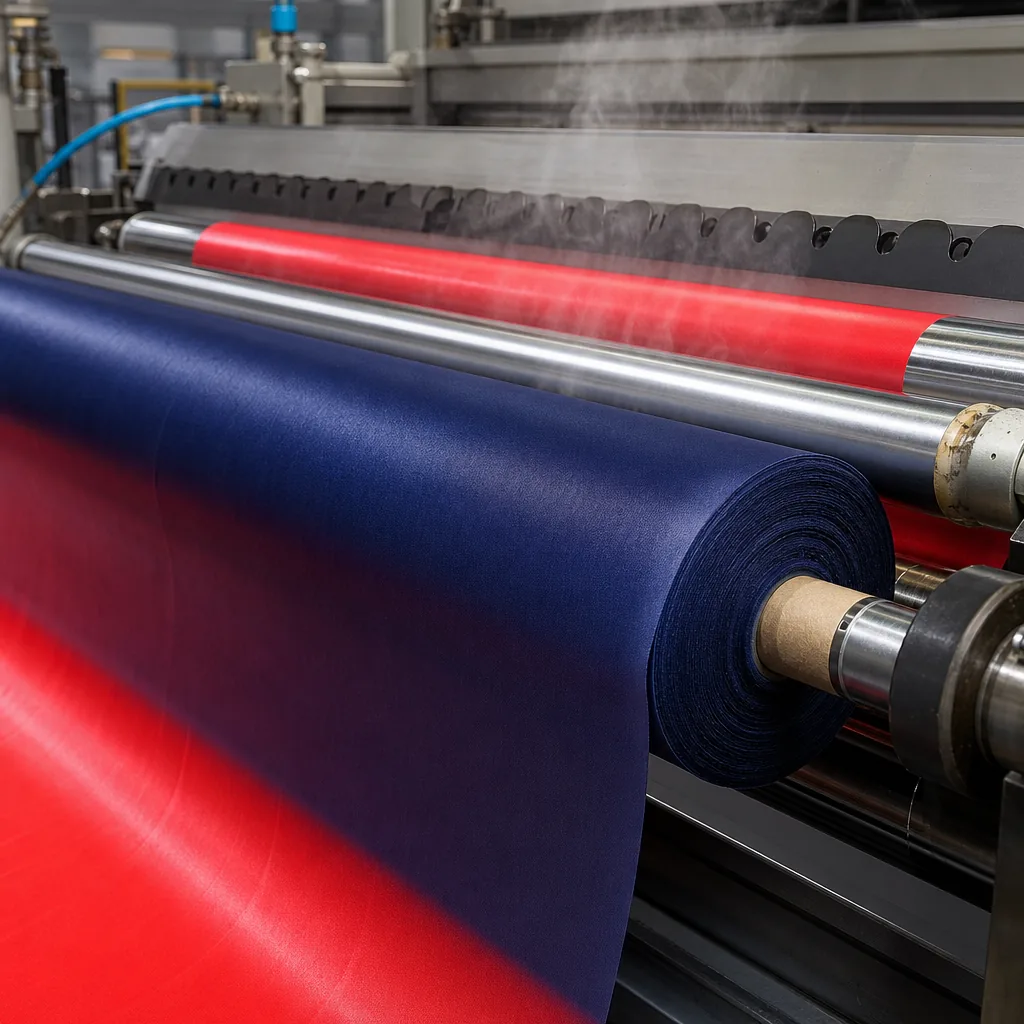
If you are sourcing a UPF 50 umbrella, the real challenge is not the label but proving the canopy will hold up in production and in use. From the factory floor, UV protection depends on the base fabric, the coating chemistry, the coating weight, and how evenly that finish is cured and bonded before cutting and sewing. Buyers who understand these details can avoid weak claims, inconsistent batches, and costly rework on custom orders.
What UPF 50+ means and how it is tested
UPF means Ultraviolet Protection Factor, and on a UPF 50 umbrella it tells you how much UVA and UVB the canopy blocks before the radiation reaches skin. A UPF 50+ rating is the top practical class in most textile standards because it means the fabric transmits less than 2% of UV radiation, or blocks at least 98%. That is not the same thing as color depth or “coolness” under shade; a dark polyester with no coating can still perform worse than a lighter fabric engineered with a UV protection umbrella finish. In factory terms, the rating depends on fiber type, weave density, yarn denier, and whether the fabric carries an anti-uv umbrella coating such as PU, acrylic, or a titanium-dioxide based finish.
The two references buyers should know are AS/NZS 4399 and the relevant EN textile UV test methods used in Europe, where the lab measures spectral transmittance across UVA and UVB bands and then calculates the UPF value. AS/NZS 4399 is the common benchmark because it is strict and easy for nontechnical buyers to understand: the lab tests dry fabric, stretched under controlled tension, with defined exposure geometry and reporting rules. A sun umbrella manufacturer will usually send canopy swatches, not finished umbrellas, because the coating performance is tied to the fabric itself; stitching, panel seams, and vents can slightly change real-world protection, but they do not change the fabric’s certified UPF result.
SPF is a skin-product scale, not a textile scale, so you cannot compare SPF 50 sunscreen to a UPF 50 umbrella one-to-one. SPF measures how long sunscreen delays sunburn on skin, while UPF measures how much UV a fabric blocks before it reaches the body. A textile can have UPF 50+ even without any pigment-heavy dye, provided the weave is tight enough and the coating chemistry is doing its job; conversely, a cheap canopy may look opaque yet fail because of pinholes, low thread count, or poor coating uniformity. In production, the real test is repeatability: if the coating is sprayed unevenly or washed off too fast, the lab result will not hold after packing, shipping, or a few weeks of use.
Coating methods: silver, black glue, and Ti coatings
For a UPF 50 umbrella, the coating is doing most of the UV work, not the printed color. Silver-coated backs use a metallic layer, usually aluminum-silver sprayed or vacuum-deposited on the underside of the canopy fabric, to reflect a large portion of ultraviolet and visible radiation. It is the lightest-looking option, but it also makes the interior shiny and can telegraph through thin 190T pongee if the base weave is too open. In practice, this type of anti-uv umbrella coating is common on promotional and retail sun umbrellas where cost and weight matter more than a soft hand feel; the fabric usually stays flexible, but the metallic layer can show wear if the canopy is repeatedly folded wet.
Black glue, also called black rubber or black resin coating, is the workhorse for a UV protection umbrella when buyers want better opacity and a darker interior. The carbon-loaded layer blocks light more aggressively than silver and is less reflective, so the underside looks matte black and the outside color reads cleaner. It adds more weight than silver because the coating build is thicker, but it also gives better body to the canopy and usually hides the weave better on 190T or 210T polyester. On a sun umbrella manufacturer production line, this is the coating we choose when a customer wants real shade feel rather than a flashy mirror finish.
Titanium coatings sit between the two in appearance and performance: they are usually a titanium dioxide-based layer designed to scatter UV and improve opacity without the harsh shine of silver or the heavy, opaque look of black glue. The color impact is smaller because the base fabric shows through more naturally, which is useful for fashion umbrellas where the brand wants white, pastel, or printed panels to stay visually close to the artwork. Weight is generally moderate, though the exact build depends on coating thickness and whether it is applied as a full-back layer or a lighter spray. For a UPF 50 umbrella, the key point is that coating choice changes not only UV performance but also hand feel, drying time, and how cleanly the canopy folds after repeated use.
Fabric color and weave effect on UV blocking
A UPF 50 umbrella usually starts with the fabric itself, not the coating. Before any anti-uv umbrella coating goes on, darker pigments absorb more ultraviolet energy than light colors, and a tighter weave leaves fewer gaps for radiation to pass through. In practice, a black or deep navy pongee canopy can test meaningfully better than a pale beige one at the same construction, because the base cloth is doing part of the blocking work. That is why a UV protection umbrella often uses 190T or 210T polyester, or a denser pongee face, instead of a loose, cheap woven fabric that looks fine in photos but leaks UV in real use.
Weave count matters as much as color, and a sun umbrella manufacturer pays attention to it because coating cannot fully fix a weak base cloth. A tighter plain weave or satin-like construction reduces pinholes and yarn spacing, which lowers UV transmission before the coating is applied. If the fabric is too open, the coating just sits on top of a porous structure and the result is inconsistent after flexing, folding, and abrasion. On the production floor, I would rather start with a dense black pongee than chase protection with chemistry alone, because the cloth architecture is the first line of defense and the coating is the second.
There is also a tradeoff buyers should understand: dark colors improve blocking, but they run hotter in direct sun and can fade faster unless the dye and finish are stable. For retail programs, we usually pair dark fabric with a silver or black anti-uv umbrella coating on the underside, then verify the final UPF by testing the finished canopy, not the fabric roll. A well-made UPF 50 umbrella is not just about a coating claim; it is the combination of pigment, yarn density, fabric weight, and how well the coating bonds after repeated opening, closing, and heat exposure.
Durability: does UV protection wash or wear off?
A UPF 50 umbrella does not lose protection all at once; it fails gradually through abrasion, flexing, and UV fatigue. The coating is usually a resin or pigment finish applied to pongee 190T or 210T polyester, sometimes on one side, sometimes both, and the first thing that hurts it is mechanical wear: rubbing in a car trunk, repeated packing, and the crease lines at the rib tips. In my experience, a properly made UV protection umbrella keeps most of its rated performance through a normal retail season, but if the coating is thin or poorly bonded, the effective shielding drops first at the fold lines and panel edges. That is why a serious sun umbrella manufacturer checks coating weight, adhesion, and bend resistance before release, not just the printed UPF claim.
Sun degradation is the slower failure mode. Even a good anti-uv umbrella coating will chalk, fade, and become less uniform after long exposure, especially if the canopy is left open daily in strong summer sun, coastal salt air, or chlorinated pool environments. The coating itself is not magic; it depends on the fabric substrate, binder chemistry, and whether the pigment load is high enough to block UV rather than merely reflect it. A well-made UPF 50 umbrella with a Teflon topcoat or a dense UV additive package can stay serviceable for 1 to 3 years of regular consumer use, but the protection margin is not something I would promise beyond that without accelerated weathering data. Buyers should ask for UV transmittance reports, not just a logo on the swing tag.
Realistic lifespan depends more on use habits than on the headline rating. If the umbrella is folded wet, left in a hot car, or scrubbed with detergent, the coating ages faster and the stitching and seam tape usually fail before the canopy looks obviously worn. For procurement, I look for AQL 2.5 inspection on coating consistency, color fastness, and panel-to-panel uniformity, because one weak batch can create mixed performance inside the same shipment. If you need a product for retail or promotion, specify the coating method, expected wash resistance, and whether the lab test is after 2,000 or 5,000 flex cycles; otherwise the term UV protection umbrella is too broad to mean much in practice.
Verifying UPF claims before bulk production
Do not accept a UPF claim from a sales sheet alone. For a UPF 50 umbrella, ask for a third-party test report from a recognized textile or PPE lab that states the test method, sample construction, coating system, and measured UV transmittance, not just a blanket “UPF 50+” line. The report should identify whether the result came from the finished canopy fabric after coating and printing, because a raw pongee swatch and a production canopy are not the same thing once ink, heat transfer, seams, and needle holes are added. If the factory says it is a UV protection umbrella, the burden is on them to show data on the actual material you will receive, usually with wavelength coverage in the UV-A and UV-B ranges and a clear pass/fail classification under the applicable standard.
For bulk production, ask the factory for a certificate or test report from the lab that matches your market, such as an accredited ISO/IEC 17025 lab report, plus the product spec sheet that ties the tested fabric to your PO. The document should show the coating formula category — for example, PU, silver, black rubber, or a dedicated anti-uv umbrella coating — and the fabric base, such as 190T or 210T pongee, POE, or PVC. If you are buying from a sun umbrella manufacturer, also request colorfastness, hydrostatic pressure, and abrasion data, because weak coatings often fail after folding or printing even when the first UV result looks fine. I also ask for the lab sample ID, production batch number, and photos of the tested panel so there is no argument later about whether the tested piece was the same build.
Before mass production, make the factory submit pre-production samples and repeat testing after the real canopy process is locked: cutting, stitching, seam tape if used, printing, and final coating cure. That matters because an UPF 50 umbrella can drop in real-world performance if the coating is too thin, uneven, or damaged by heat during sublimation. Our standard practice is to require the lab certificate and the factory’s internal inspection sheet together, then hold bulk release until both match the approved golden sample. If the order is large, specify AQL 2.5 for incoming inspection and keep one sealed reference sample for disputes. A serious supplier should not resist this; if they do, assume the UV claim is marketing, not controlled production.
Frequently Asked Questions
Do all umbrellas block UV?
No. A standard uncoated polyester canopy blocks some UV but rarely reaches UPF 50+. Verified sun protection requires a UV coating (commonly silver or black glue on the underside) and lab testing.
Does UV coating change the umbrella's appearance?
Silver coating gives a reflective underside; black-glue coating darkens the underside and improves shade. Both are usually applied to the inner surface so the printed top is unaffected.
What test report should I ask for when buying UPF 50+ umbrellas in bulk?
Ask for a third-party lab report that shows the UPF result, test method, and fabric construction used for the sample. For procurement, it is also useful to confirm the coating side, fabric gsm, and whether the result applies to the finished umbrella canopy or only the raw cloth.
Does a silver UV coating perform differently from a black UV coating?
Yes. Silver coatings often reflect more solar radiation, while black coatings usually absorb UV more effectively on the inside layer. In practice, both can reach UPF 50+ if the base fabric, coating thickness, and application process are controlled.
What are typical MOQ and lead times for custom UV-protective umbrellas?
For OEM/ODM orders, MOQ is often 500 to 1,000 pieces per design, depending on size and print complexity. Sample lead time is commonly 7 to 10 days, and bulk production usually takes 25 to 40 days after artwork approval and deposit.
Looking to Launch Your Custom Umbrella Line?
ZheBrella is a Zhejiang-based OEM/ODM umbrella manufacturer with 17 years of export experience. Free design, low MOQ from 100 pieces, windproof construction, full-color print.
Get Free Quote Now »People Also Search For
Related Articles
UPF 50+ Umbrellas: Choosing Fabrics, Coatings, and Frames
Learn how to specify UPF 50+ umbrellas with the right fabric, coating, frame, and venting for outdoor retail, events, an...
Read More »UPF 50+ Umbrella Fabric and Frame Guide for Sun Protection
Specify fabrics, coatings, canopy coverage, and frames that deliver UPF 50+ performance for retail and promotional sun u...
Read More »
How to Choose Sun Protection Umbrellas for Outdoor Promotions
Learn how to specify UPF 50+ sun umbrellas for promotions, from canopy materials to frame strength, decoration, and ship...
Read More »