Brand Pattern Umbrellas: Repeat Prints Without Panel Mismatch
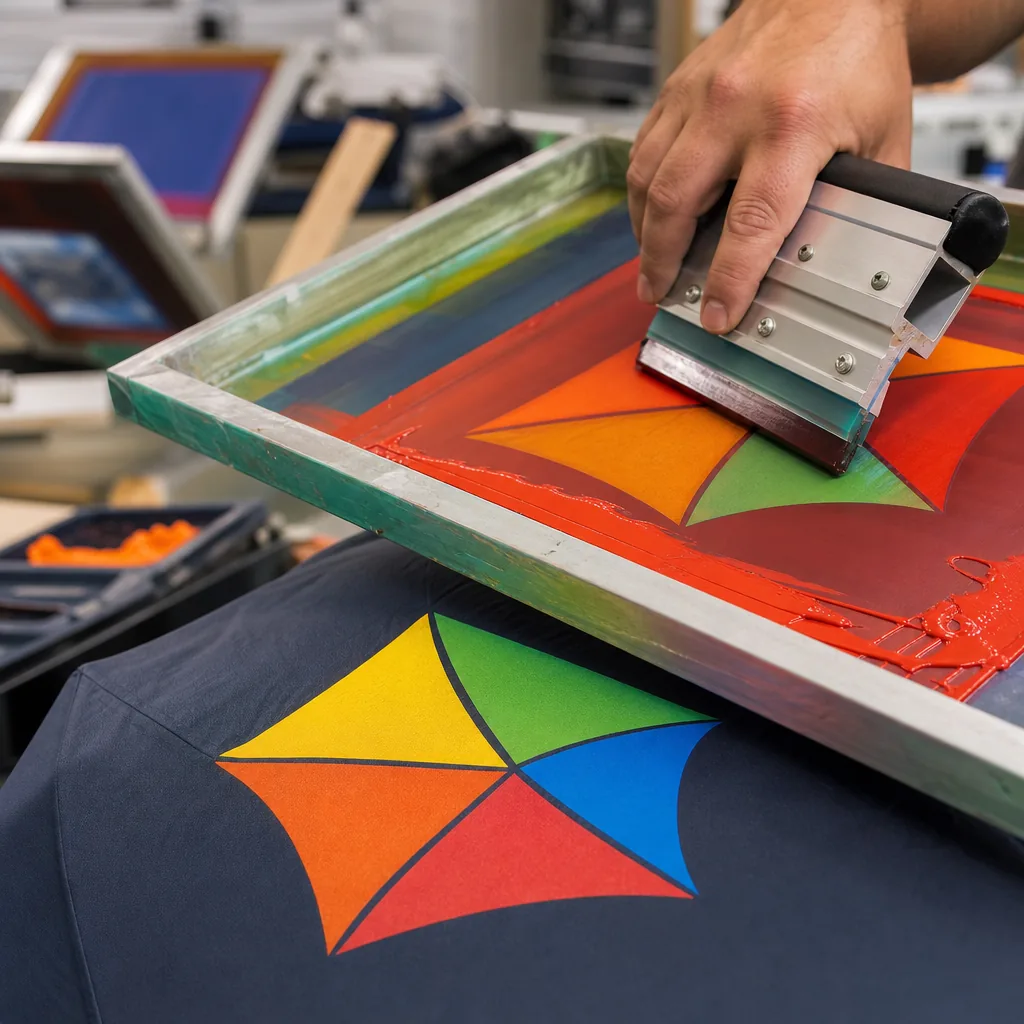
On an umbrella canopy, a repeat print that looks perfect on a flat proof can break badly once it is cut into gores, sewn on bias, and stretched over ribs. For branded pattern umbrellas, the real risk is not just color accuracy but how logos, stripes, and motifs meet across panel seams after fabric tension and sewing tolerance are added. On our production floor, clean alignment starts with repeat layout, fabric selection, cutting control, and a sample process that tests the pattern on the actual frame.
When Repeat Patterns Work Best on Umbrellas
Branded pattern umbrellas suit artwork that must read cleanly from every angle, not just on one front panel. They are a practical choice for retail fashion prints, hotel gift-shop stock, seasonal promotions, and private-label collections because the design repeats across triangular gores rather than relying on one centered graphic. A standard 23-inch stick umbrella is often built on an 8K frame; fashion and golf umbrellas may use 10K or 16K layouts. More ribs create narrower panels, but every added gore also adds a cut-and-sew seam. After cutting, stitching, and frame tensioning, 1–3 mm of movement is normal. Small florals, dots, monograms, micro-stripes, animal prints, and scattered icons tolerate that panel seam alignment variation because the eye does not track one continuous line across the canopy.
Large geometric artwork is higher risk in repeat umbrella printing. Wide checkerboards, thick diagonal bands, oversized logos, straight plaids, and border layouts expose even small seam shifts, especially on 190T or 210T pongee that can move slightly during sewing and heat setting. On an 8K canopy, each panel edge sits at a different angle to the fabric weave, so square or linear artwork may distort once tensioned over steel or fiberglass ribs. A 16K frame can give a smoother dome with narrower panels, but it doubles the number of seams to control. Digital canopy printing improves color accuracy and supports detailed repeats, but it cannot solve the core geometry problem: flat printed fabric becomes a curved, tensioned canopy.
For retail umbrella branding, keep hard-edge repeats around 40–60 mm and softer motifs, such as watercolor leaves or tone-on-tone hotel crests, around 80–100 mm. Seasonal artwork can scale larger when it is scattered, rotated, or non-directional; snowflakes, citrus slices, stars, and city icons hide panel variation better than stripes or grids. ZheBrella’s approval path is a printed strike-off followed by a sewn full-canopy sample on the actual 21-inch, 23-inch, 27-inch, or 30-inch frame. That sample is the only reliable way to judge repeat scale, seam breaks, and rib tension before bulk production. For private-label branded pattern umbrellas, this step reduces the risk of rejects at AQL 2.5 after 500 or 5,000 units are already packed.
Panel Geometry, Seams, and Rib Count Limits
Panel geometry sets the real limit for branded pattern umbrellas. The canopy is not one circular print; it is cut into 8K, 10K, or 16K wedge panels, then folded, sewn, taped into rib pockets, and pulled under rib-tip tension. On a 23" 8K frame, each panel covers a wider arc, so stripes, logo repeats, and border artwork travel farther before meeting the next seam. A 16K frame gives a rounder canopy and narrower panels, but it also doubles the number of seam match points compared with 8K, increasing cutting, sewing, and QC risk. For repeat umbrella printing, avoid thin diagonal pinstripes, micro-checks, and artwork that must land perfectly across every seam unless the order allows extra strike-offs, longer pre-production approval, and a higher reject allowance.
Panel seam alignment depends on print registration, die or laser cutting accuracy, and sewing tension. On digitally printed 190T or 210T pongee, a realistic finished tolerance is usually ±2–3 mm per seam after sewing; POE, PVC, EVA, and other coated or stretch-prone canopies can shift more. The seam also removes visible artwork: folded fabric, overlock stitching, and rib-pocket tape can hide roughly 4–6 mm, so a wordmark crossing panels may look clipped or stepped when opened. For retail umbrella branding, keep the main logo inside a single panel and use seam areas for forgiving repeats, tonal textures, or noncritical background elements.
Double-canopy windproof umbrellas add another alignment variable because two canopies share one rib system but do not tension the same way. The lower canopy fixes to the ribs; the upper vent canopy overlaps it to release air, so arc length, overlap, and radial pull differ. A pattern approved flat can shift slightly after opening, especially after flex testing in a 40–50+ mph wind test. On 27" and 30" golf umbrellas with fiberglass ribs, 8K construction is usually easier to control than 16K because fewer seams mean fewer accumulated sewing errors. For branded pattern umbrellas requiring seam-to-seam continuity, ZheBrella approves one pre-production canopy on the final frame before bulk cutting and checks the opened umbrella against the agreed tolerance under AQL 2.5 inspection.
Fabric and Print Method Choices
For branded pattern umbrellas, choose the fabric by print tolerance, not only by unit price. 190T pongee is the cost-efficient standard for 21" and 23" promotional canopies: it is light, smooth enough for most logos, and reliable for basic repeat umbrella printing. Its more open weave can soften small text, hairline stripes, and dense micro-patterns, so it is better for larger motifs or simple spot-color branding. 210T pongee has a tighter face and heavier hand, which gives cleaner edges, flatter color blocks, and stronger perceived value for retail umbrella branding. It also resists distortion better through cutting, sewing, and canopy tensioning, making it the safer choice when panel seam alignment must hold across 8K or 10K frames. The tradeoff is higher fabric cost, so use 210T where artwork detail, shelf presentation, or mismatch risk justifies the upgrade.
Match the print method to MOQ, color count, and artwork detail. Screen printing is the lowest-risk option for simple logos, one to four spot colors, and runs of about 500–1,000 pieces or more per design; it performs well on both 190T and 210T pongee when ink curing and rub testing are controlled. Digital canopy printing fits lower MOQ, gradients, photo effects, and multi-color repeats that would require too many screens. It reduces setup cost and captures fine detail, but runs slower per panel and needs color profiling before bulk production. Sublimation works best on white or very light polyester when the buyer wants all-over coverage, full fiber penetration, and a soft hand with no raised ink layer. It cannot print opaque white, so artwork and base fabric must be planned together.
Print choice also affects assembly risk. For panel seam alignment, every triangular panel needs registration allowance because sewing typically consumes 6–8 mm at the edge, and pongee stretches differently along warp, weft, and bias. ZheBrella’s standard control is to print a strike-off first, then sew one production-size sample on the actual frame before mass cutting. A repeat that matches on a flat CAD file can shift once the canopy is tensioned over fiberglass or steel ribs; 16K umbrellas add more seams and more opportunities for drift. For premium branded pattern umbrellas, mark panel direction, add bleed beyond the stitch line, and keep critical logos away from seam intersections. If the canopy uses Teflon water-repellent or UPF 50+ UV coating, confirm whether coating happens before or after printing because it can change color tone or reduce ink adhesion.
Sampling and Approval Before Bulk Production
Do not release bulk cloth cutting from a PDF mockup. Start with a strike-off on the actual canopy material: typically 190T or 210T pongee for retail programs, or POE/PVC/EVA for transparent-panel designs. For repeat umbrella printing, the strike-off must show at least one full repeat plus the seam zone, not only a centered logo on a flat square. Digital canopy printing usually needs 3–5 days after artwork confirmation; screen print or heat-transfer strike-offs typically need 5–7 days because screens, films, curing temperature, and ink pickup must be adjusted. Check color to Pantone under D65 light, then check ink spread on the bias direction. Umbrella gores are curved wedges, not flat rectangles, so a repeat that looks clean on fabric can distort once panels are cut and sewn.
After strike-off approval, build one finished sample on the exact purchase-order specification: 21 inch compact, 23 inch straight, 27 inch golf, or the ordered size. Use the final frame construction, such as 8K steel, 10K fiberglass, or 16K windproof ribs, plus the real handle, sleeve, woven or printed label, and closure strap. This sample proves what flat fabric cannot: panel seam alignment, top notch placement, pattern flow across gores, canopy tension, and how the design looks when opened. For digital canopy printing, lock the cutting marker before sampling; a 3 mm shift at one panel edge becomes obvious after eight panels are stitched together. A finished sample normally takes 7–10 days after strike-off approval, or 12–15 days when the frame, handle, or UPF 50+ coating is custom.
Approve mass production only after written sign-off on the strike-off, the finished umbrella, and photo or video evidence. For branded pattern umbrellas, useful approval records include close-ups of opposite seams, the top notch area, ferrule, closure strap, sleeve, and an open-close video for manual, auto-open, or auto-open-close frames. This protects both sides if a 2 mm seam drift, minor ink spread, or label position is questioned later. During final inspection, use AQL 2.5 sampling to check misregistration, stains, ink scratches, broken stitches, uneven panel tension, and panel defects such as slubs, pinholes, or coating marks. For retail umbrella branding, define visible seam mismatch above 3–5 mm as a major defect, depending on print geometry and buyer tolerance. Typical bulk lead time after approval is 25–35 days, longer when the MOQ is split across many patterns.
Cost, MOQ, and Shipping Terms to Quote Clearly
Separate pattern engineering from umbrella hardware in every quote. For branded pattern umbrellas, show an artwork cleanup or repeat setup fee, plus the sample cost for a printed strike-off or one finished umbrella. Digital canopy printing has the lowest setup barrier and fits photo graphics, gradients, and 6- to 12-color retail umbrella branding, but the unit price stays higher. Screen printing reduces unit cost at volume, yet each color needs a screen, ink matching, and registration control across 8K or 10K panels. Sublimation on 190T or 210T pongee works well for full-panel repeats, especially when fabric is printed before cutting to improve panel seam alignment. If the buyer expects the pattern to flow across seams, quote a measurable tolerance such as ±3 mm at panel joins; do not accept “perfect matching” as a production requirement.
Tie MOQ to print method, fabric yield, and setup time rather than a generic factory price list. Digital canopy printing may start around 100 to 300 pieces per design; screen-printed repeat patterns usually make sense from 500 to 1,000 pieces because screens, color mixing, and machine setup must be amortized. Sublimation often sits between those ranges, but directional logos, tight geometrics, or cut-after-print production can increase waste and push MOQ higher. Hardware can change landed cost as much as printing: steel ribs lower the FOB unit price but add weight and freight exposure, while fiberglass ribs cost more and reduce breakage risk on windproof models. Auto-open and auto-open-close frames add spring, runner, shaft, and cycle-test cost versus manual frames. Quote a 23-inch 8K straight umbrella and a 27-inch 16K golf umbrella as separate landed-cost models, even when they use the same repeat umbrella printing concept.
Show FOB and DDP side by side when buyers compare suppliers. FOB Ningbo or Shanghai makes product cost, export cartons, and port handover visible, but the importer must add ocean freight, insurance, duty, customs brokerage, and final delivery. DDP is simpler for promotional-product distributors and event planners because it includes door delivery, but it can hide assumptions about HS code, duty rate, fuel surcharge, and remote-area fees. For branded pattern umbrellas, carton volume can overturn a low unit price: a 21-inch folding auto-open-close model ships more efficiently than a 30-inch fiberglass golf umbrella with an EVA handle. Put gross weight, carton size, pieces per carton, lead time in days, and AQL 2.5 inspection terms on the same quote line as the unit price so procurement can compare true landed cost, not just factory cost.
Frequently Asked Questions
Can a repeat pattern line up perfectly across every umbrella seam?
Not perfectly. Umbrella panels are cut and sewn under tension, so buyers should approve a tolerance for seam drift, especially on 8K and 16K canopies.
Is digital printing better than screen printing for branded patterns?
Digital printing is usually better for complex repeats, gradients, and lower MOQs. Screen printing can be more economical for simple one- or two-color patterns at higher volume.
What seam misalignment tolerance is realistic for repeat-print umbrellas?
For bulk production, buyers should typically expect a visible seam shift tolerance of about 3-5 mm, depending on canopy size, panel shape, and fabric stretch. If your artwork has tight geometric repeats or stripes, ask for a pre-production sample with a defined seam tolerance standard before mass production.
Which canopy fabrics hold repeat patterns most accurately in production?
Polyester pongee and high-density polyester usually provide more stable print registration than lower-cost polyester because they stretch less during cutting and sewing. For retail programs with detailed artwork, many buyers choose 190T or 210T pongee to balance print clarity, cost, and sewing stability.
How many samples should a buyer approve before launching a private-label repeat print order?
A practical B2B workflow is to approve one digital artwork layout, one strike-off or fabric print test, and one finished pre-production sample. For new repeat patterns, this usually adds 7-14 days to development but reduces the risk of panel mismatch claims in the final shipment.
Looking to Launch Your Custom Umbrella Line?
ZheBrella is a Zhejiang-based OEM/ODM umbrella manufacturer with 17 years of export experience. Free design, low MOQ from 100 pieces, windproof construction, full-color print.
Get Free Quote Now »People Also Search For
Related Articles
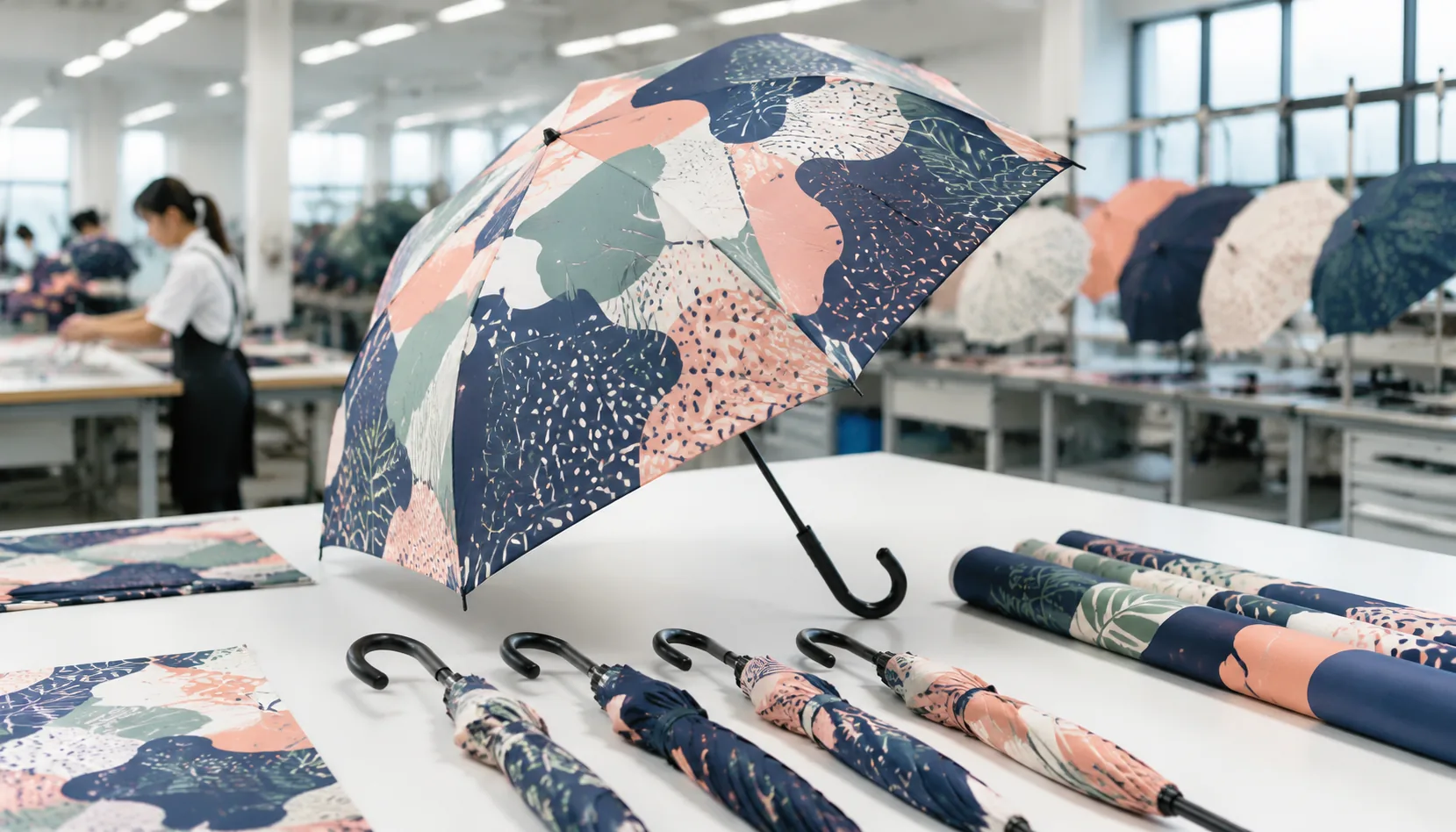
Custom Umbrella Pattern Printing for Retail Brand Collections
Plan repeat patterns, panel joins, and fabric choices for branded umbrellas that look consistent across retail assortmen...
Read More »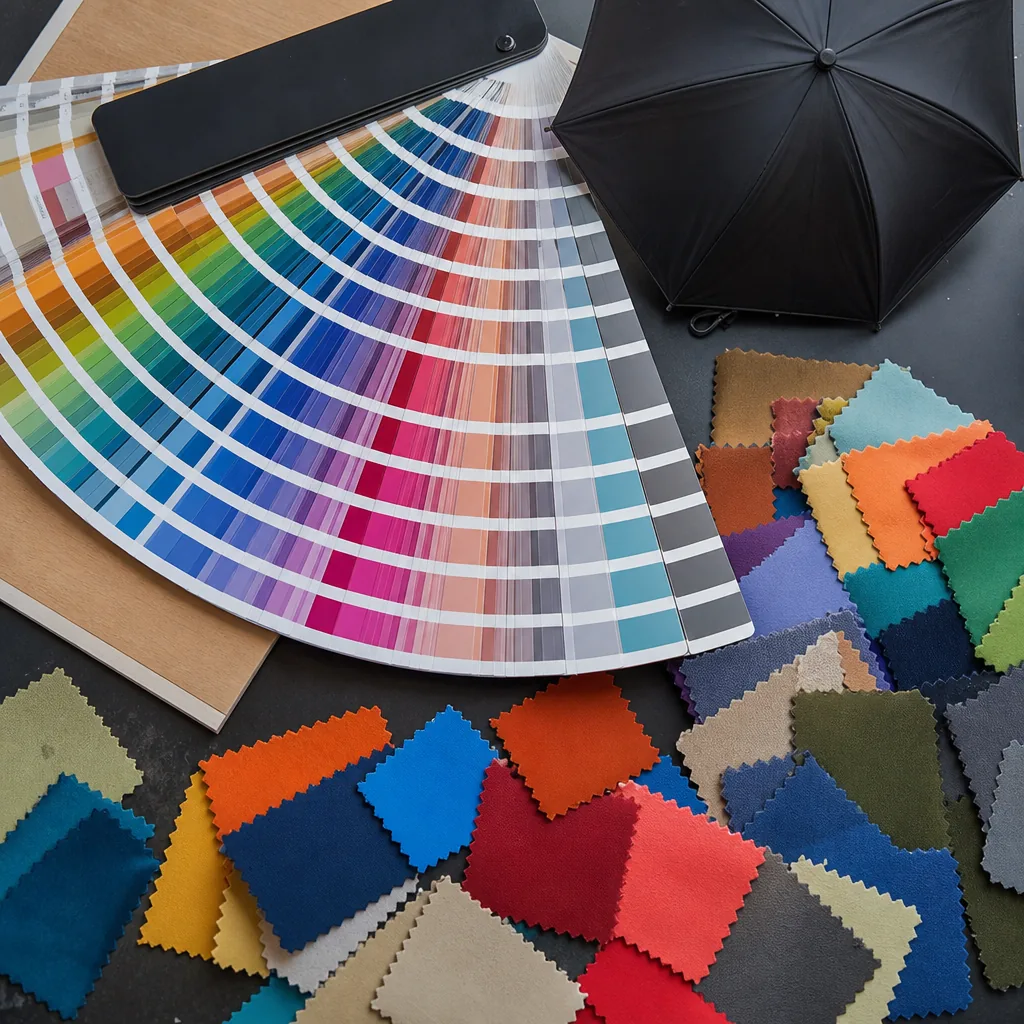
Repeat Logo Pattern Printing for Branded Umbrellas
Use repeat logo patterns to create ownable umbrella canopies, with guidance on scale, panel alignment, 190T/210T pongee,...
Read More »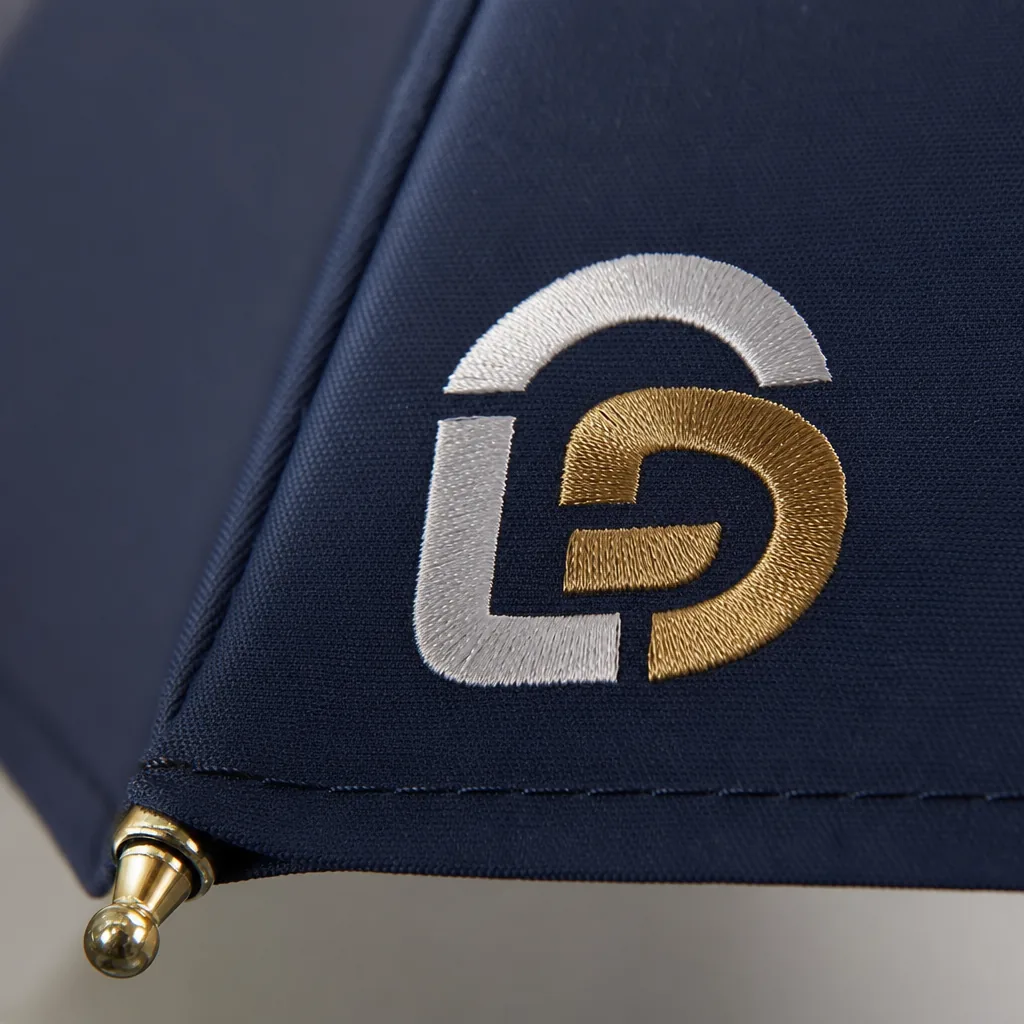
Repeat Pattern Umbrella Printing for Retail Brand Programs
Plan repeat logos, monograms, and brand motifs across umbrella panels with print method choices, fabric specs, MOQ, samp...
Read More »