Branded Umbrellas for Logistics Yards and Warehouse Teams
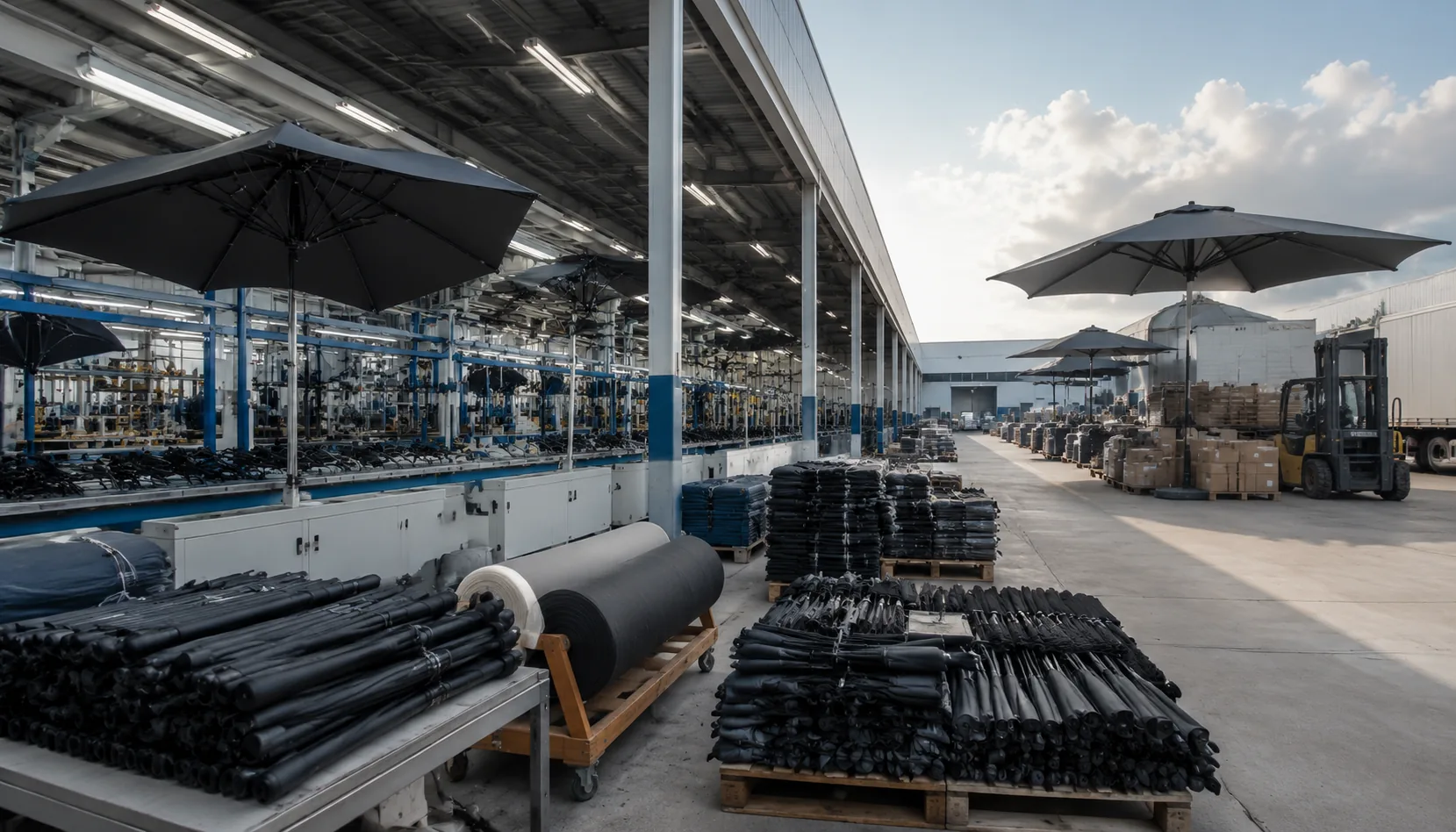
For yard marshals, dock teams, and warehouse staff, an umbrella is not a giveaway item; it is part of the shift kit that has to survive wind, rain, oil-stained handling, and constant opening and closing. When buyers source branded logistics umbrellas, the real questions are frame strength, high-visibility fabric, print durability, carton packing, AQL inspection, and whether the factory can hold a realistic lead time during peak export season.
Identify Where Umbrellas Fit Logistics Operations
The right way to specify branded logistics umbrellas is to map the rain exposure points before choosing sizes or mechanisms. In a warehouse or distribution yard, umbrellas usually serve five jobs: yard checks between dock doors, trailer seal and tire inspections, guard booth handoffs, employee parking escorts, and visitor movement from reception to loading areas. These are not the same use case. A supervisor walking 80 yards to confirm a trailer number needs a fast auto-open 23" or 27" umbrella with 190T pongee and fiberglass ribs. A security guard stepping out every 10 minutes may need a 30" golf umbrella staged at the booth. For visitor movement, branding and clean appearance matter more, so a 23" black canopy with a one-color logo often works better than a huge worksite model that feels awkward indoors.
Short exposure needs should be treated as grab-and-return equipment, not personal issue gear. For guard booths, dock offices, dispatch desks, and shipping counters, I like bulk worksite umbrellas in controlled racks: 8K fiberglass ribs, steel shaft, manual or auto-open, Teflon-coated 190T/210T pongee, and a simple heat-transfer or screen-printed logo for asset control. These umbrellas handle 3- to 15-minute exposure during trailer inspections, paperwork runs, gate checks, and parking escorts. If the yard has open wind corridors between buildings, do not buy thin 21" folding models for this role; they invert too easily and disappear into lockers. Windproof staff umbrellas with double-canopy venting and 50+ mph wind-tunnel targets are a better fit where people cross exposed apron areas.
All-shift outdoor rain coverage is a different specification and often should not be an umbrella alone. Yard jockeys, traffic marshals, maintenance crews, and container inspectors need yard operations rain gear that keeps both hands available, especially around moving tractors and forklifts. Umbrellas still help at fixed points such as checkpoint stations, smoking shelters, visitor waiting zones, and emergency muster areas, but they should be larger, brighter, and easier to control with gloves. For warehouse staff umbrellas used across a full season, our standard practice at ZheBrella is to test opening force, rib recovery, canopy seam leakage, and logo abrasion before mass production, then inspect to AQL 2.5. Typical programs run 300–1,000 pieces per site, with 20–35 day production lead time depending on printing, packaging, and whether the buyer needs FOB Ningbo/Shanghai or DDP delivery.
Build Specs for Wind, Visibility, and Daily Handling
For logistics yards, fiberglass ribs and shafts are the safer default because the umbrella is opened, closed, dropped into carts, and flexed in gusts dozens of times per shift. Steel ribs still have a place, but I only recommend them for lower-cost, indoor-adjacent programs such as dock-to-office walking routes or visitor stations where wind exposure is limited. A 23" or 27" canopy with 190T or 210T pongee gives enough coverage without becoming awkward around forklifts, pallet lanes, and trailer doors. For branded logistics umbrellas, the frame should be specified before the logo artwork, because a good print on a weak frame becomes scrap after the first storm. Fiberglass also resists permanent bending better than painted steel, which matters when umbrellas are stored wet in bins or leaned against racking. If the buyer wants one model for supervisors, gate staff, and yard marshals, I would not go below fiberglass ribs with a reinforced runner and a handle large enough for gloved use.
Rib count should match exposure, not just budget. An 8K fiberglass frame is acceptable for general warehouse staff umbrellas used between buildings, at guard booths, or on pedestrian walkways, especially in 23" sizes. For open yards, container loading zones, and shuttle-bus pickup points, 16K ribs spread wind load more evenly and reduce canopy flutter, but they add weight and cost. A double-canopy vented windproof construction is worth specifying when the umbrella will face crosswinds around trailers and warehouse corners; the vent lets pressure escape instead of turning the canopy inside out. In factory testing, I like to see a practical wind-tunnel target of 50+ mph for windproof staff umbrellas, but only when paired with proper stitching at rib tips, secure top cap assembly, and a shaft that does not twist under load. Auto-open is convenient for dispatchers and security teams, while manual open is tougher for bulk worksite umbrellas issued to crews who are hard on gear.
Visibility is not decoration in a logistics yard; it is part of the safety spec. High-visibility panel colors such as fluorescent yellow, safety orange, lime green, or alternating white panels help drivers see pedestrians in rain, especially under sodium yard lights or early-morning gray skies. Reflective trim on the canopy edge, sleeve, or selected panel seams adds value without covering the branding area, and it is more useful than oversized logos when the umbrella is used near moving trucks. For yard operations rain gear, I usually recommend keeping the logo on two or four panels and reserving at least half the canopy for visibility color. Dark navy or black looks clean in an office program, but it disappears in a wet loading bay. If these are branded logistics umbrellas for daily issue, ask the factory to confirm reflective tape adhesion after wet folding, check panel color consistency under AQL 2.5 inspection, and pack sleeves separately only if staff will actually use them.
Select Fabric and Mechanisms for Shift Work
Straight handles beat small curved handles for shift use because they give better wrist control when workers are moving between trailers, forklifts, and loading bays. EVA foam is warmer and grippier than glossy plastic in cold rain, while rubberized straight handles hold up better than wood if umbrellas are stored wet in guard shacks or tool cages. Larger canopies are not just about comfort: a 27" or 30" umbrella gives enough coverage for a worker plus a scanner, clipboard, tablet, or delivery paperwork, reducing damaged labels and wet POD sheets. Our standard practice at ZheBrella is to pair yard operations rain gear with darker 210T pongee panels, reflective trim if requested, and AQL 2.5 inspection focused on opening force, rib symmetry, print alignment, and water-repellency after packing.
Plan Ordering by Site, Region, and Season
Order planning for branded logistics umbrellas should start with the real operating map, not a single blended quantity. A warehouse in Dallas may need 23" auto-open stick umbrellas for dock supervisors, while a coastal yard in Rotterdam may need 27" fiberglass 8K or 10K windproof staff umbrellas that tolerate 50+ mph gust testing and repeated gate checks. For MOQ, the cleanest rule is 500 pieces per canopy color and logo version for standard 190T pongee, with 1,000 pieces safer when matching a strict Pantone canopy or handle color. If each region wants a different depot code, keep the umbrella body common and change only the printed panel or woven label; otherwise you create extra screen charges, more pre-production approvals, and higher carton sorting risk. For bulk worksite umbrellas, one-color screen printing is the most stable option, while heat transfer works better for detailed gradient logos on 210T pongee.
A proper sample schedule is usually 7–10 days after artwork, Pantone references, and umbrella specs are confirmed. That timing includes frame selection, canopy cutting, logo setup, sewing, and basic checks on opening force, rib alignment, print adhesion, and water repellency. If the buyer asks for a double-canopy vented windproof model, EVA safety tips, reflective tape, or UPF 50+ coating, I would not compress the sample stage because small changes affect balance and packing size. Our standard practice at ZheBrella is to approve one physical golden sample before mass production, then inspect production under AQL 2.5 for major defects such as bent steel ribs, loose runner locks, misregistered logos, and canopy stains. Mass production for warehouse staff umbrellas normally runs 30–45 days, depending on frame availability, logo count, and whether the order uses manual, auto-open, or auto-open-close mechanisms.
FOB works well when the buyer already has a freight forwarder consolidating yard operations rain gear with uniforms, PPE, or MRO supplies from China. We deliver to Ningbo or Shanghai, provide carton marks by site, and the buyer controls ocean freight, customs, and final allocation. DDP is better for multi-site distribution when procurement wants landed cost per warehouse and fewer handoffs; cartons can be labeled by region, depot, or launch date before leaving the factory. The tradeoff is that DDP pricing must include customs assumptions, last-mile delivery, and possible split-shipment handling. The biggest mistake is ordering after the first storm forecast. Pre-rainy-season ordering gives enough room for ocean freight, port delays, and inland trucking; late orders often push buyers into air freight, where umbrellas are punished by carton volume more than weight. For branded logistics umbrellas, ordering 60–75 days before peak rain season is usually cheaper than chasing emergency stock.
Set Quality Checks for Operational Reliability
Operational umbrellas fail in boring ways first: sticky runners, loose tips, crooked ribs, leaking seams, and handles that pull off when a worker yanks one from a rack. For branded logistics umbrellas, I would set incoming inspection at AQL 2.5 for major defects and AQL 4.0 for minor cosmetic issues, with a tighter internal check on function. Every sampled unit should be opened and closed at least 5 cycles, not just popped once. Manual, auto-open, and auto-open-close mechanisms need different checks: button response, shaft lock engagement, runner stop position, and no canopy snagging on the 8K or 10K rib set. On larger 27" or 30" yard umbrellas, rib alignment matters more because one bent steel rib can twist the whole canopy in wind. Fiberglass ribs should flex evenly without white stress marks at the joints.
Seam leakage checks should not be skipped just because the umbrella is promotional. Warehouse staff umbrellas are work tools, not giveaway table fillers. For 190T or 210T pongee canopies, we normally check center cap sealing, panel seam stitching, tip reinforcement, and any printed logo area after coating or heat transfer. A simple spray test over the crown and two stitched seams catches most bad sewing, especially on double-canopy vented windproof staff umbrellas where the upper vent can be misaligned. Handle pull tests should be defined by construction: a straight EVA or rubberized plastic handle on a stick umbrella should resist firm axial pulling without movement, while compact handles need torque checks because the screw insert can loosen after repeated folding. If the order is yard operations rain gear for exposed dock doors, I would also add random wind-cycle checks and reject frames with uneven rib rebound.
Carton control is part of quality, not just shipping paperwork. Bulk worksite umbrellas should be packed by site, shift, department, or issue point, with barcode or site-code carton labeling visible on at least two sides of the master carton. A mixed pallet without clear carton marks wastes supervisor time during rain season. Our standard practice at ZheBrella is to match carton labels against the packing list during final inspection, then photograph the pallet marks before FOB loading or DDP dispatch. Replacement stock also needs planning up front: logistics yards lose umbrellas to truck cabs, damaged racks, and night-shift handoffs. For practical operations, add 3% to 5% overage for first deployment, or hold 2% factory-packed replacement stock with the same print batch and barcode format. That avoids color variation later and keeps branded logistics umbrellas consistent across multiple warehouses.
Frequently Asked Questions
Are fiberglass ribs worth it for warehouse and yard teams?
Yes. Fiberglass ribs flex better than steel in gusts and are less prone to permanent bending, which matters for daily outdoor yard use.
What canopy size is practical for logistics staff?
A 23–25 inch umbrella is manageable around docks and gates, while 27 inch models provide better coverage for yard marshals exposed to heavy rain.
What umbrella specs work best for logistics yard use?
For yard and dock environments, buyers usually ask for fiberglass ribs, vented canopies, and a POE or pongee fabric that handles frequent opening in wind and rain. A 23 to 27 inch canopy is common for staff use, with reflective or high-visibility panel options for safety.
What MOQ is typical for branded worksite umbrellas?
Most OEM umbrella factories set MOQ around 300 to 1,000 pieces per color or design, depending on the print method and handle style. Multi-color canopy printing or custom molded parts can push the minimum higher.
How long does production usually take for bulk warehouse umbrellas?
Sampling often takes 7 to 10 days, while bulk production is commonly 25 to 40 days after sample approval and deposit. If the order includes custom packaging or tighter AQL inspection, buyers should allow extra time for final QC and packing.
Looking to Launch Your Custom Umbrella Line?
ZheBrella is a Zhejiang-based OEM/ODM umbrella manufacturer with 17 years of export experience. Free design, low MOQ from 100 pieces, windproof construction, full-color print.
Get Free Quote Now »People Also Search For
Related Articles
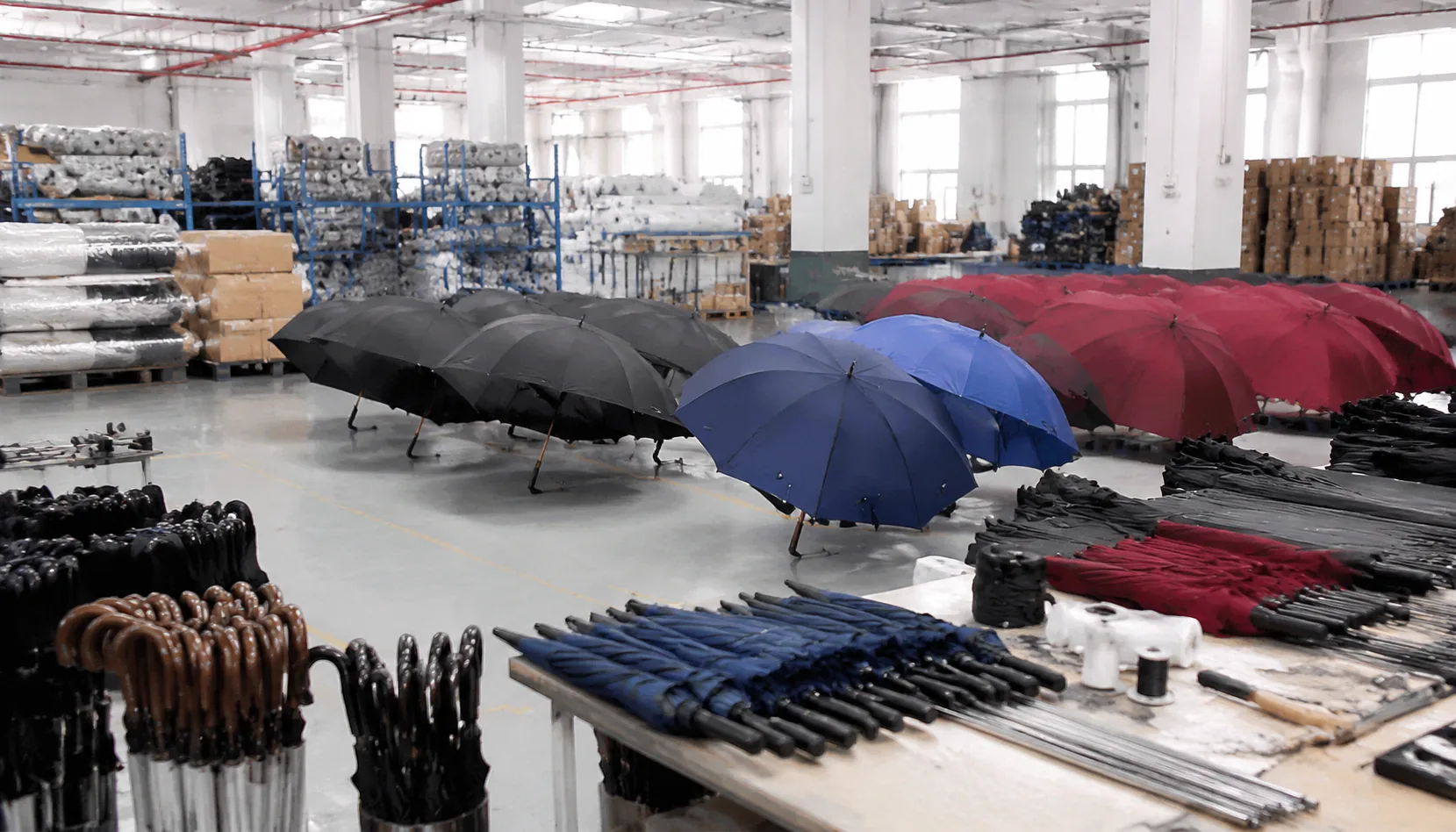
Umbrella Programs for Logistics Yards and Warehouses
Source umbrella programs for logistics yards, warehouses, and dock teams with windproof specs, safety colors, QA checks,...
Read More »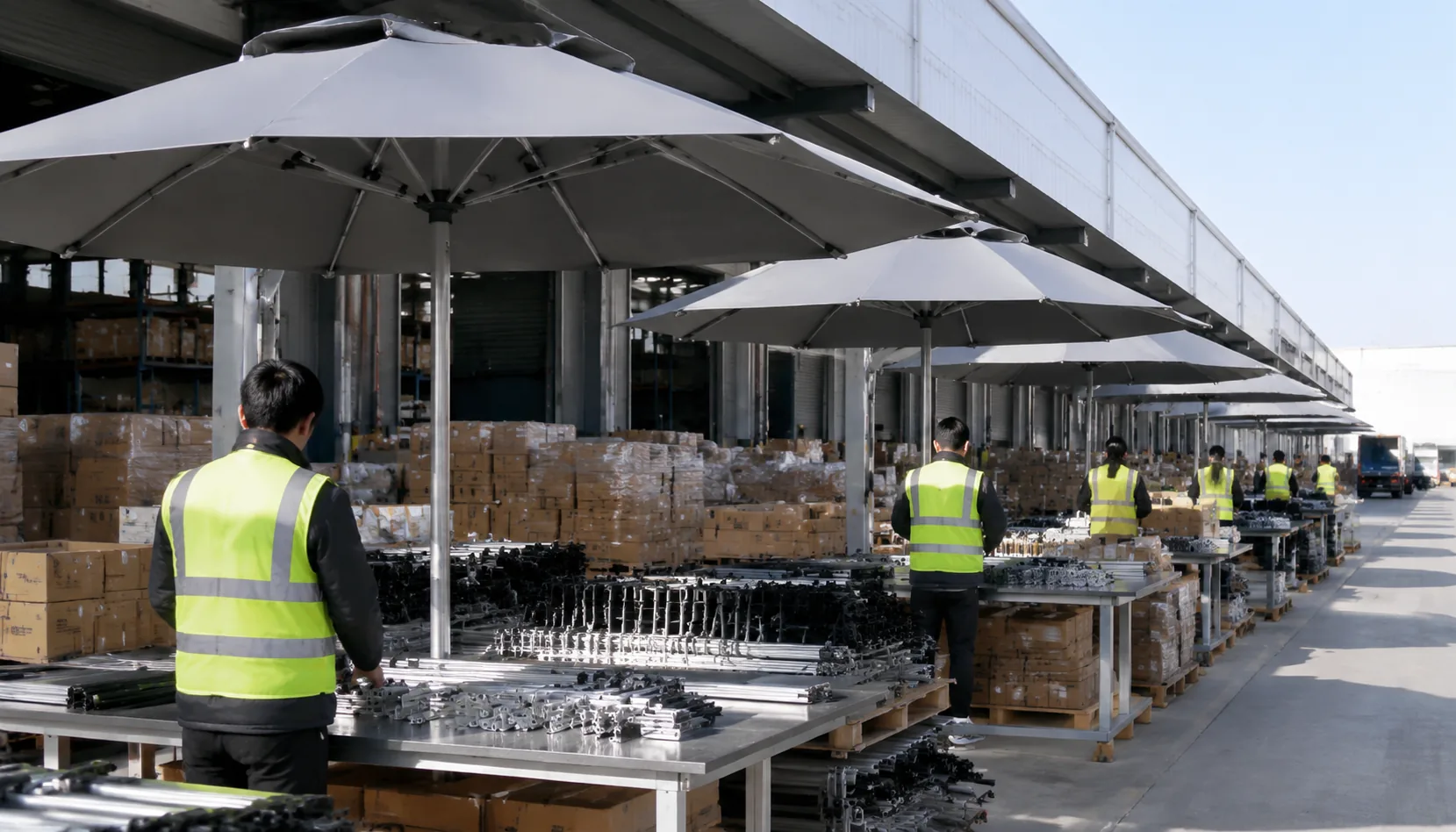
Umbrellas for Logistics Yards and Warehouse Operations
Build practical umbrella programs for logistics yards with rugged ribs, high-visibility panels, MOQ planning, FOB/DDP de...
Read More »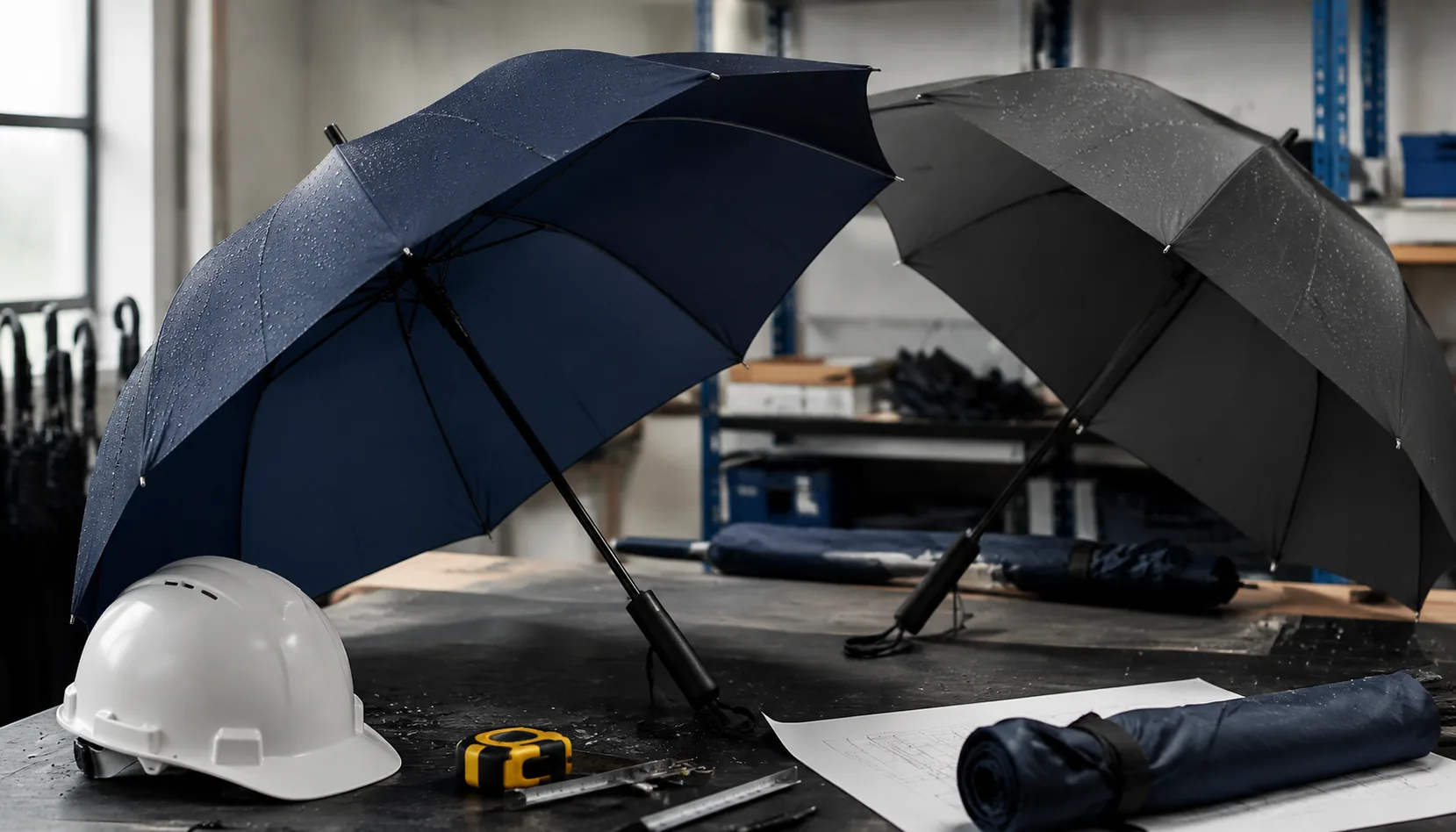
Branded Umbrellas for Insurance Claims Field Teams
Specify umbrellas for insurance adjusters with durable frames, fast deployment, professional branding, QC standards, and...
Read More »