Branding Beyond the Canopy: Straps, Ferrules, and Tips
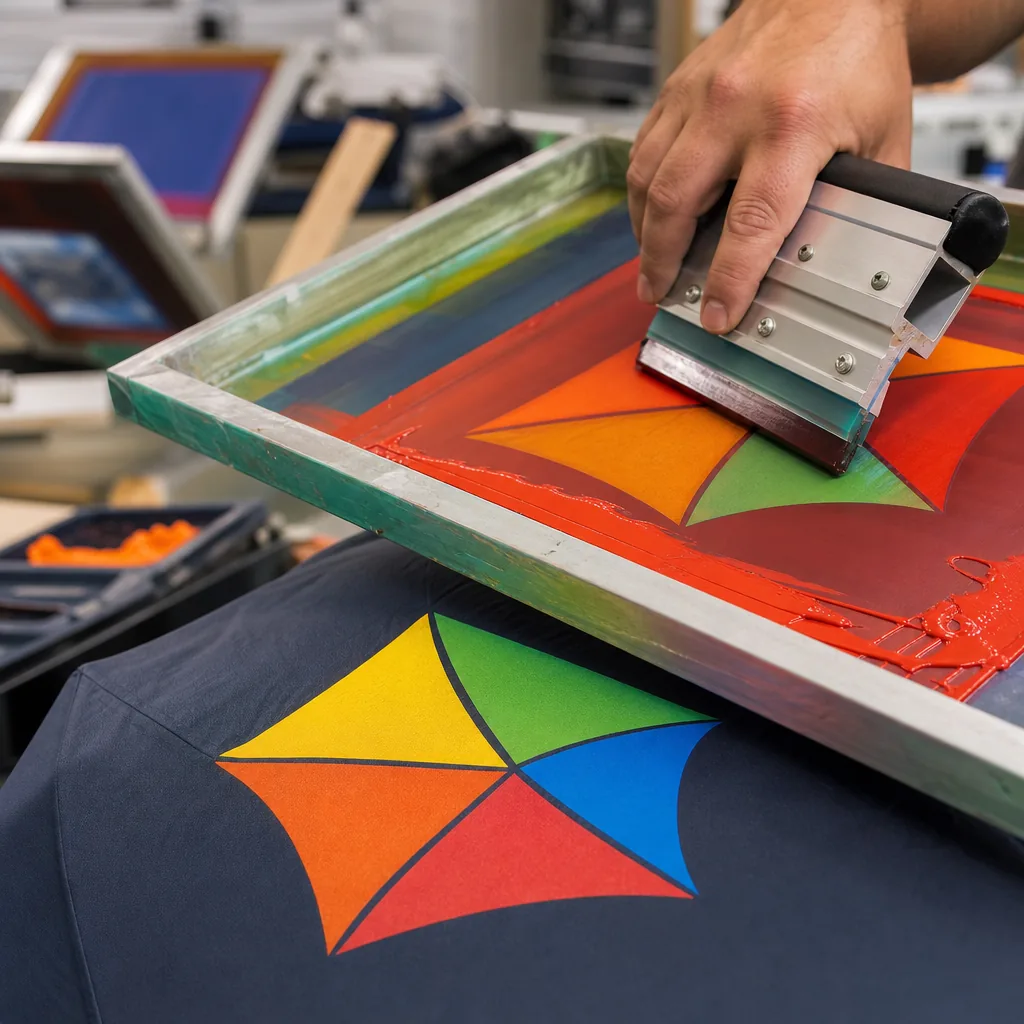
Branding on an umbrella is not limited to the canopy, and buyers who overlook the smaller parts often miss their best balance of visibility, durability, and cost. From straps and ferrules to tips, each component accepts decoration differently, and the wrong choice can weaken fit, add scrap, or slow production. At the factory floor, umbrella component branding works only when the logo method matches the material, the assembly step, and the end-use requirements.
Map the Branding Surfaces Outside the Canopy
The useful branding surfaces outside the canopy are the strap, closure tab, ferrule, runner, handle end cap, and tip cap. In practice, umbrella component branding is about choosing parts that stay visible after the umbrella is folded and carried, because those are the surfaces users keep touching and seeing. A printed umbrella strap is the lowest-risk place to put a logo: it is cheap to decorate, easy to read at arm’s length, and still visible when the umbrella is packed. Closure tabs work the same way, especially on retail umbrellas where the folded bundle sits on a shelf or in a bag. Ferrule logo placement is more specialized, but it can be effective on premium private label umbrellas when the ferrule is molded or metal and the mark is small and clean.
The ferrule, runner, and handle end cap matter more on higher-value umbrellas than on basic giveaway stock. A ferrule logo is usually best when the part has enough flat area for pad printing or laser marking, while the runner is more practical for discreet branding on auto-open or auto-open-close models. Handle end caps can carry a small mark that stays visible even when the umbrella is closed, which is useful for retail umbrellas where the consumer keeps the product longer and notices small details. Tip branding is the least visible in daily use, but it still matters on premium builds because buyers notice it during inspection, especially if the tip cap color or finish is meant to match the frame hardware.
For promotional umbrellas, the best return usually comes from the strap and closure tab because they combine low tooling cost with steady visibility. For private label umbrellas, buyers often add ferrule logo work or tip branding only when the frame finish, handle material, and packaging all support a more controlled look. ZheBrella typically treats these as separate decoration decisions, because the right method depends on the component material: woven strap, PU tab, ABS handle end cap, plated ferrule, or molded tip cap. If the goal is recall after use, prioritize the parts that remain exposed in a bag, car door pocket, or office umbrella stand; if the goal is shelf appeal, the runner and ferrule carry more weight than the tip cap alone.
Choose Decoration Methods by Part and Material
Pad print is the workhorse for umbrella component branding on small, flat, or lightly curved parts because it handles short runs and mixed materials without much setup risk. On ABS ferrules, plastic tips, and molded slider buttons, it gives clean logos and readable small type, but the ink sits on top, so abrasion matters. For a printed umbrella strap made from polyester webbing or PU-backed fabric, pad print can work only if the surface is prepared well and the logo is simple. On plated components, I treat pad print as a secondary choice: chrome, nickel, or black-plated parts can look sharp, but fingerprints, flexing, and friction from daily use will shorten the life of the mark. It is usually the fastest route for private label umbrellas when the buyer wants low tooling cost and decent visual contrast.
Laser marking is the best option for aluminum parts and some coated metal fittings because it gives a permanent mark without ink bleed or edge cracking. It works especially well on anodized aluminum ferrules, metal tips, and release buttons where the logo needs to stay crisp after repeated handling. On rubberized grips, laser can create a high-contrast burn or etch only if the compound is designed for it; many soft-touch coatings smear or discolor, so testing is mandatory. Embossing and debossing are better for molded parts when the logo needs to be tactile rather than printed. On ABS handles or rubberized grips, a raised or recessed mark survives wear far better than pad print, but it requires mold changes and is only economical at higher volume. For umbrella component branding, that tradeoff is usually worth it when the part will be handled constantly.
Molded color is the right choice when the logo or accent needs to be part of the component itself, not added afterward. On ABS ferrules, tips, and handle inserts, you can use two-shot molding or color-separated resin to build in brand color, which avoids ink wear entirely. That approach is strong for tip branding and for parts that rub against bags, desks, or transit hardware, but it only makes sense if the run is large enough to justify tooling and color control. For plated components, molded color is not an option because plating happens after molding; there pad print or laser are the realistic methods. The practical rule is simple: laser for metal, embossing or debossing for molded plastics and rubberized grips, pad print for flexible low-volume work, and molded color only when the design budget supports permanent branding from the mold stage.
Protect Strength and Function During Branding
Umbrella component branding has to stay out of the way of the moving parts first, or it is bad engineering dressed up as decoration. On a printed umbrella strap, the artwork cannot flood the snap-fit zone, change the elastic tension, or build a hard ink edge that cracks when the strap is stretched and refastened. The same rule applies near the runner and button on auto-open models: if a label, heat-transfer patch, or stitched tab adds thickness where the canopy wraps tight, it can slow the release, prevent a clean close, or create a false catch that feels acceptable in hand but fails after a few hundred cycles. For private label umbrellas, I usually insist on a flat branding area that stays clear of the snap stud and any water-drain path so the strap does not trap moisture against the fabric or corrode the hardware over time.
Ferrule logo and tip branding need even more restraint on fiberglass and steel shaft builds, especially on windproof frames that flex under load. A ferrule is not a billboard; if you add a deep pad print, overmold, or glued badge at the ferrule, you can interfere with the fit into the rib end, introduce wobble, or create a stress point that opens up during a gust. On fiberglass ribs, keep printed or molded marks away from the fiber exits and resin joints so you do not chip the coating or start a split. On steel shafts, avoid sharp-edged embossing or thick paint near the tip cap because it can scrape the canopy and trap water in the drain path. Good umbrella component branding supports the structure instead of fighting it, which is the difference between a clean sample and a warranty claim.
Evaluate Cost, MOQ, and Lead Time Impact
Small-part umbrella component branding looks cheap on paper and then quietly adds labor, setup, and rejection risk. A printed umbrella strap usually needs a separate screen, heat-transfer jig, or woven label order, and a ferrule logo often means pad printing or laser etching on a tiny curved part that has to survive handling and abrasion. Tip branding is even trickier because the part may be plastic, ABS, or metal-coated, which changes ink adhesion and color consistency. For private label umbrellas, the real cost driver is not the print itself but the extra assembly step, the QC check on every component, and the scrap you get when the mark shifts by 1 to 2 mm or the Pantone match drifts under different materials.
MOQ moves with the decoration method. A simple strap print may be feasible at 500 to 1,000 pcs if the factory already has the right blank tape, but a ferrule logo or custom molded tip usually pushes the order higher because tooling or fixture setup has to be amortized. If you want umbrella component branding across strap, ferrule, and tip at the same time, expect the supplier to bundle those into one approval lot and charge separate sample fees for each decoration position. That is normal, because each component has its own substrate, surface finish, and pass/fail standard, and a good factory will not run production until the artwork, color chips, and placement drawings are locked.
Lead time changes fastest when multiple parts need decoration, because the longest item becomes the schedule bottleneck. A single printed strap may add 3 to 5 days, but once you stack strap print, ferrule logo, and tip branding, you are usually looking at 7 to 15 extra days for sample approval and first production, especially if the brass ferrule needs plating or the tip color has to be matched to the canopy trim. For custom private label umbrellas, I would budget one round for blank confirmation, one round for decorated samples, and one round of buyer approval before mass production. If the order also includes special packing or mixed component colors, the lead time stretches further because those parts have to be kitted and checked separately under AQL 2.5.
Build a Clean Spec Sheet for Production Control
For umbrella component branding, the factory needs a spec that reads like a production drawing, not a marketing brief. For a printed umbrella strap, give the exact artwork size in millimeters, the placement distance from the stitch line or buckle edge, and whether the mark is centered, offset, or repeated. Include Pantone references for every ink or pad-print color, plus the target finish: matte, gloss, soft-touch, UV-resistant, or metallic. If the artwork has fine type or a thin outline, state the minimum stroke width and the allowed registration tolerance, because a 0.2 mm shift on a ferrule logo is visible on a finished umbrella.
The same discipline applies to ferrule logo and tip branding work. A ferrule print that looks fine on a screen can fail on molded plastic, anodized aluminum, or painted steel if the curvature, texture, or curing temperature changes the ink behavior. Specify the substrate, surface preparation, curing method, and any masking line that must stay hidden after assembly. For private label umbrellas, I also want the customer to define whether the branding must survive folding abrasion, salt spray, and repeated open-close cycles, because a logo on a tip or strap sees much harsher handling than canopy print and the tolerance window is tighter. ZheBrella’s standard practice is to lock these details before sampling so the production line does not guess.
Color control and adhesion should be checked before mass shipment, not after cartons are sealed. The factory should compare the first-off samples against the approved Pantone under a consistent light box, then check batch-to-batch drift on random pulls from the line and from packed goods. Under AQL 2.5, inspect for color mismatch, smudging, edge lift, and ink cracking after a rub test and simple tape pull on the finished component. If the strap print, ferrule logo, or tip branding starts to peel after flexing or abrasion, the lot should be held for rework, because a small defect on an accessory reads as poor quality across the whole umbrella component branding program. That control is what keeps private label umbrellas consistent from sample to shipment.
Frequently Asked Questions
Which umbrella component gives the best branding value for the money?
The strap or closure tab usually gives the best value because it is visible, inexpensive, and low-risk to decorate. It is a good choice when the canopy already carries the main logo.
Are metal ferrules better than plastic ferrules for branding?
Metal ferrules can support laser or pad printing and often look more premium, but they cost more. Plastic ferrules are easier to color-match and usually work better for promotional price points.
Which umbrella parts are safest to brand without affecting performance?
The strap, ferrule, and tip areas are usually the safest places to add branding because they can often be decorated without changing the canopy structure. For most OEM builds, we recommend testing logo placement on sample units first to confirm fit, abrasion resistance, and assembly tolerance.
What decoration methods work best on straps, ferrules, and tips?
Woven labels, heat transfer, and screen printing are common for straps, while ferrules and tips often use pad printing, laser marking, or molded-in marks depending on the material. Metal parts usually hold laser marks well, while plastic parts are better for pad print or color-matched molding.
How should buyers plan MOQ and lead time for branded umbrella components?
Small-component branding usually adds a separate setup step, so many factories require component MOQs starting around 500 to 1,000 pieces per design. Lead time is typically 7 to 15 days longer than a plain umbrella order if new prints, molds, or tooling adjustments are needed.
Looking to Launch Your Custom Umbrella Line?
ZheBrella is a Zhejiang-based OEM/ODM umbrella manufacturer with 17 years of export experience. Free design, low MOQ from 100 pieces, windproof construction, full-color print.
Get Free Quote Now »People Also Search For
Related Articles
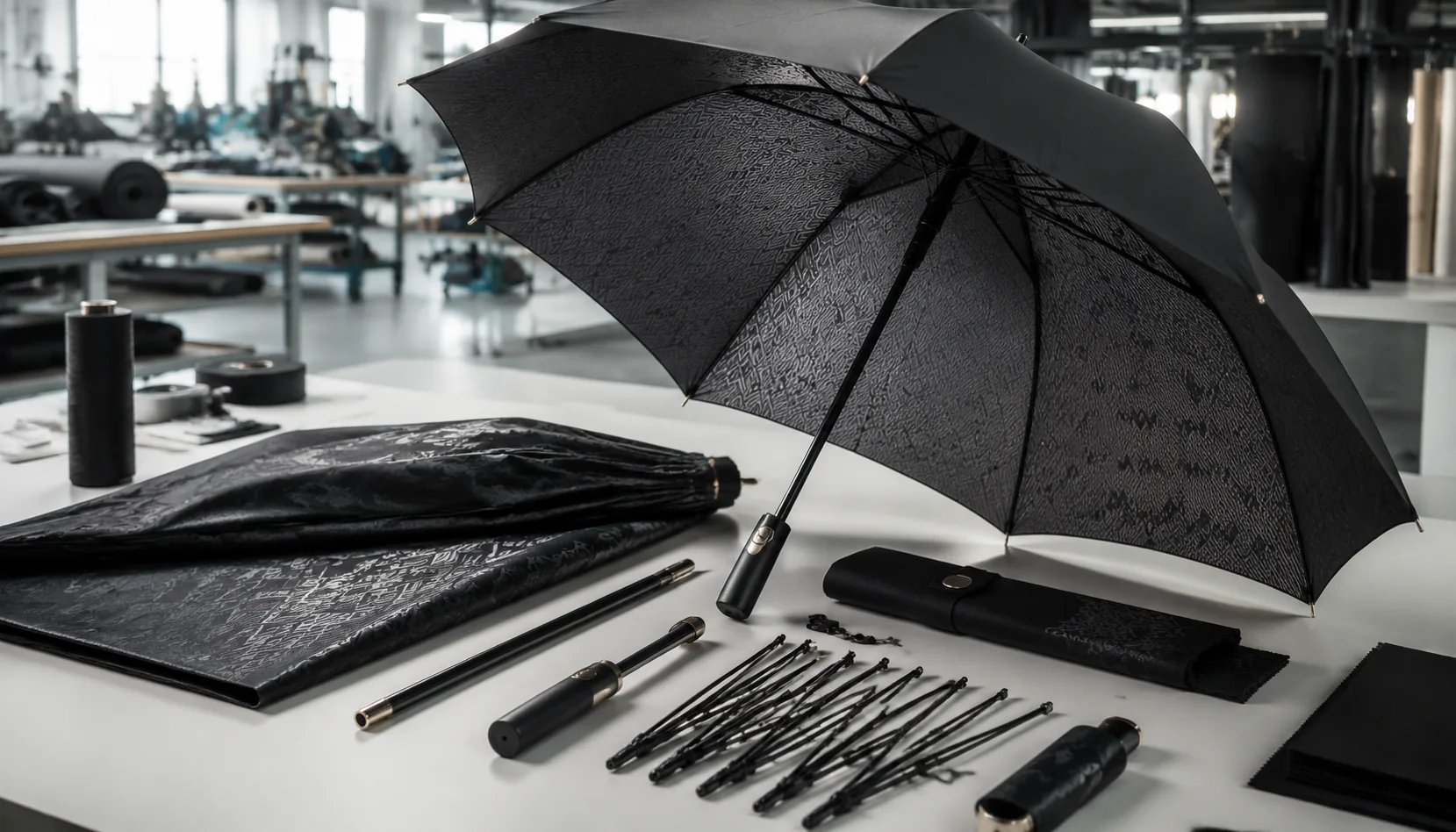
Choosing Print Areas Beyond the Canopy for Branded Umbrellas
Extend umbrella branding beyond the canopy with practical guidance on straps, sleeves, ferrules, and tips that improve v...
Read More »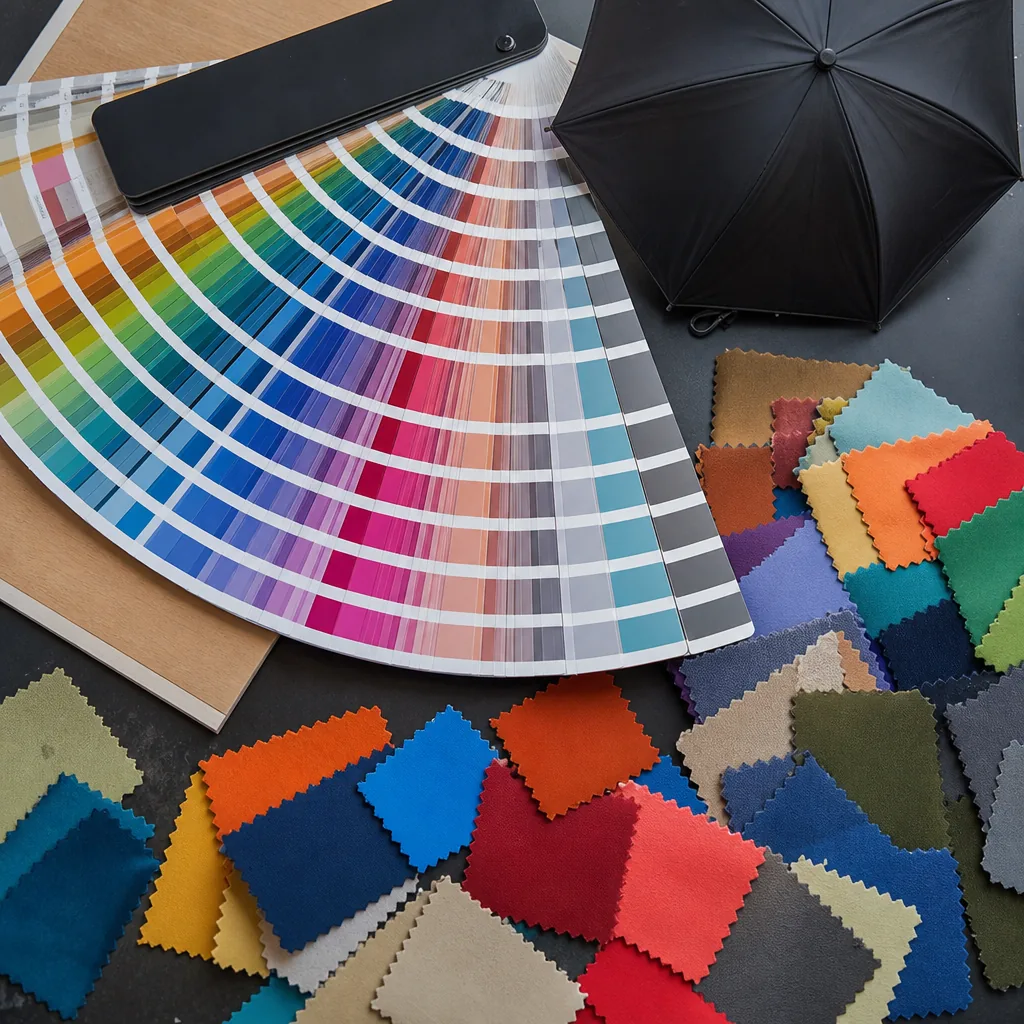
Umbrella Ferrule and Tip Branding for Premium Private Label
Evaluate logo options for ferrules, tips, and end caps, including materials, tooling, MOQ, QC, and timelines for premium...
Read More »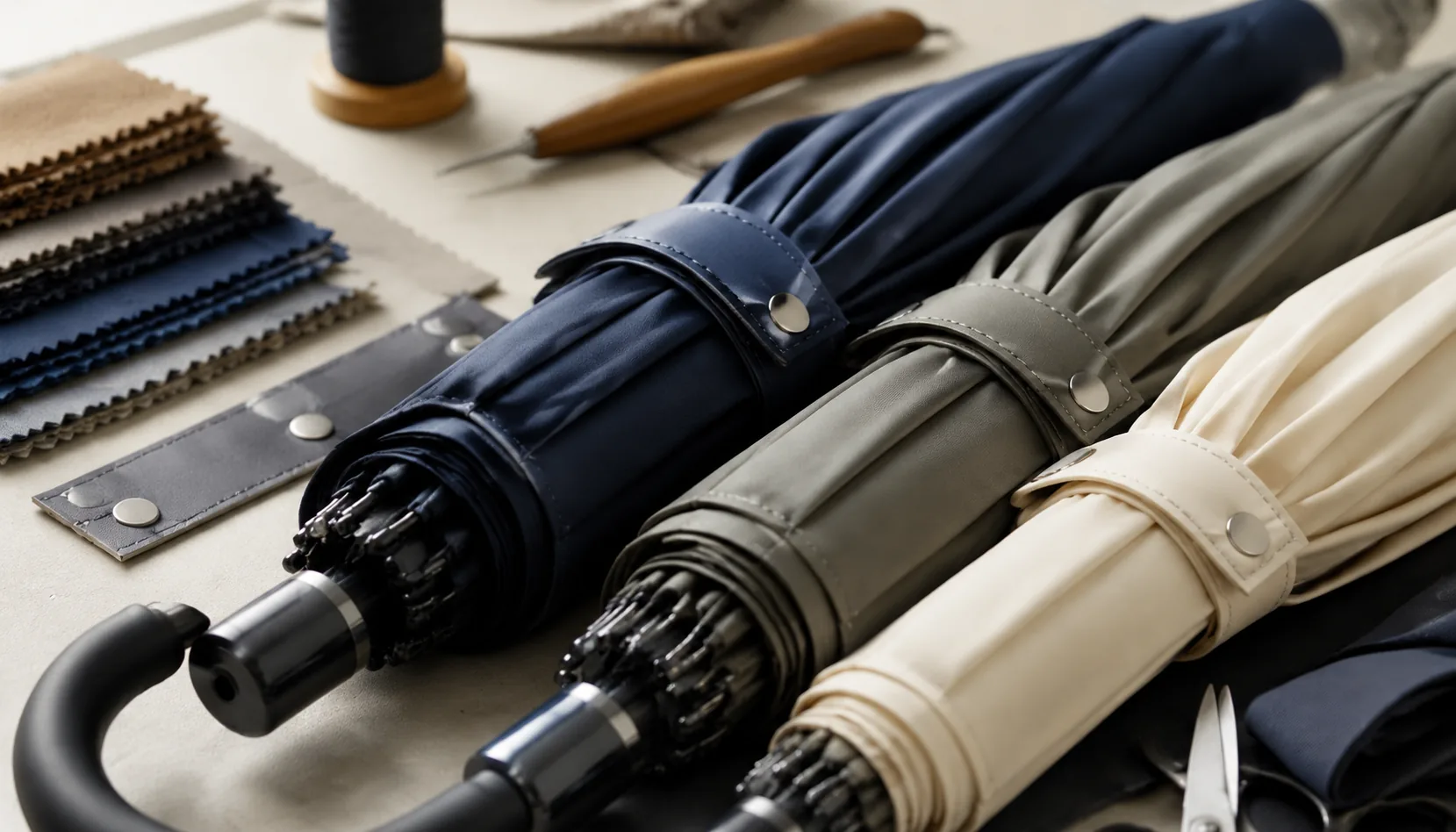
Branded Umbrella Closure Straps for Gift and Retail Lines
Turn closure straps into a visible brand detail with woven, printed, or debossed options that support premium gifting an...
Read More »