Choosing Print Areas Beyond the Canopy for Branded Umbrellas
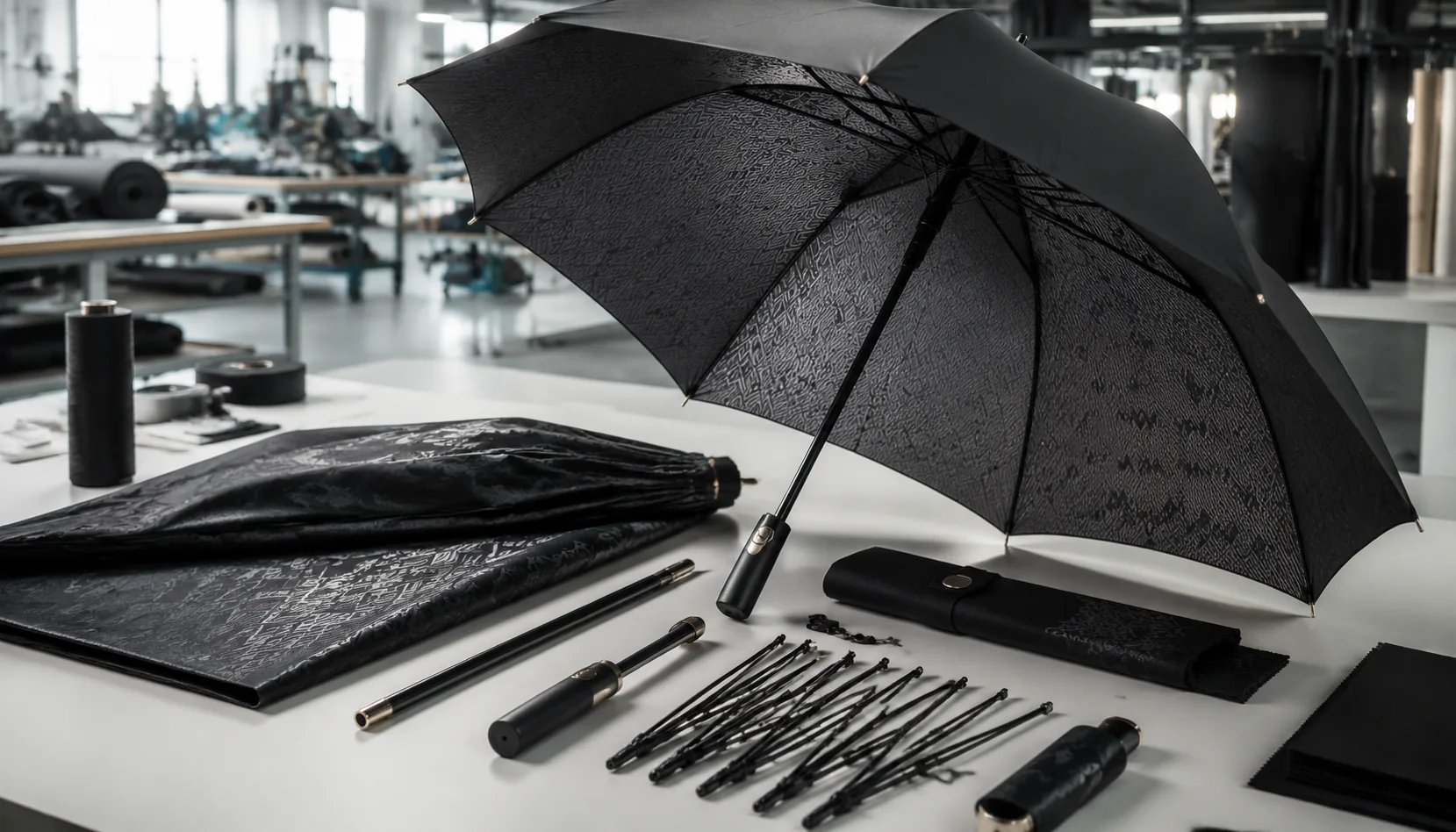
When buyers think about umbrella branding, they usually stop at the canopy, but the real decision is how many other surfaces can carry a logo without weakening the product or cluttering the design. In factory production, that means weighing strap loops, sleeves, ferrules, and tips against print durability, assembly limits, and the retail impression each detail creates. The best umbrella branding surfaces support visibility and value from first glance to long-term use.
Prioritize non-canopy surfaces by brand visibility
A good umbrella print plan starts where people actually touch and see the product outside the open canopy. In retail and gifting, the printed umbrella strap and the sleeve usually beat the canopy for first impression because they stay visible when the umbrella is folded, carried, displayed, or handed over. Handles come next for repeat touchpoints, especially on golf umbrellas and auto-open models where buyers notice grip shape before they notice any panel print. If you are ranking umbrella branding surfaces by practical visibility, I put strap, sleeve, handle, ferrule, then tip; the last two matter less in daily viewing but still help when a brand wants every exposed component to feel deliberate.
The strap is the cheapest high-frequency surface to brand well, and it works best with a short logo, URL, or campaign mark because stitching and fold-over construction limit detail. A sleeve gives more room and is stronger for retail presentation, especially when the umbrella is sold boxed or hung in a display carton; for corporate gifts, that outer wrap often carries the whole story better than a crowded canopy panel. This is where umbrella branding surfaces become a packaging decision as much as a decoration decision, because the product is often seen closed first, not opened.
Ferrule logo branding and umbrella tip branding are niche but useful when the buyer wants a premium, engineered look. A small ferrule mark reads well on solid-color sticks and can signal custom tooling or a higher-spec frame, while tip branding is only worth doing when the tip geometry is clean and the decoration survives abrasion from carts, car interiors, and storage. For event use, I treat these as secondary promotional umbrella decoration points: useful for brand consistency, not for message delivery. If the goal is fast recognition from three feet away, spend on strap, sleeve, and handle first; use ferrule and tip details as support, not the main message.
Match each surface to a suitable decoration method
The first rule with umbrella branding surfaces is that the decoration method has to match the part size and the way that part moves in production. Large, flat components can take more detail, but a printed umbrella strap, ferrule logo branding, or umbrella tip branding needs simpler artwork and much tighter tolerance control because those parts are small, curved, or handled by molds and stitching. On a strap, screen print or heat transfer works if the logo is short and the registration window is generous; if the design is too fine, the edges blur after folding and rubbing. On ferrules and tips, molded branding or shallow embossing is usually cleaner than trying to force a multicolor print onto a tiny surface.
For the canopy and sleeve, the best promotional umbrella decoration method depends on whether the buyer wants color fidelity, texture, or durability. Screen printing is still the most practical for bold one- or two-color logos, while sublimation is better on white polyester when the artwork has gradients or full-bleed graphics. Woven labels work well on the sleeve, tie, or inside seam because they stay legible after repeated use and do not depend on ink alignment. Embossing is limited to rubberized parts, molded handles, or select PU accessories, but it gives a permanent mark that does not crack or peel. That is why I treat umbrella branding surfaces as a layout problem first, not a graphics problem.
Small components punish sloppy file prep. A ferrule or tip may only give you a few millimeters of usable face area, so line weight, negative space, and registration gaps need to be simplified before the factory quotes the job. For these parts, the art should be reduced to a single mark or short text, and the mold or print tolerance needs to be checked against the actual finished diameter, not the nominal drawing. In practice, the best results come from matching each component to one process and keeping the artwork honest; otherwise the umbrella branding surfaces that looked easy on screen become the first rejection point in sampling and AQL inspection.
Account for material limits on small branding parts
A printed umbrella strap is usually polyester, and that matters more than the artwork. The webbing is narrow, the edge stitching is close to the print zone, and the fold lines get crushed every time the user wraps the canopy shut. On a part that small, a one-color mark often outlasts a full-color layout because there is less ink buildup to crack, fewer halftone dots to blur, and less risk of the print flaking where the strap bends. The same logic applies to fabric sleeves: if the sleeve is used as a carry pouch, keep the graphic simple and sized to avoid seams, zipper ends, and the heat-seal edge. For umbrella branding surfaces in these locations, durability beats visual ambition.
Plastic ferrule logo branding is even more limited because the ferrule is usually an injection-molded cap, not a print-friendly textile. Smooth PP or ABS can take pad printing, but the usable area is small and the curvature is unforgiving, so fine type and multi-color gradients tend to fail first. A single solid logo in black, white, or one Pantone spot color is the safer call when the ferrule is handled roughly or rubbed against desks, bags, and car interiors. If the ferrule is thin-walled or slightly textured, expect reduced ink adhesion and shorter life; in that case, promotional umbrella decoration should move to a simpler mark or be shifted to a larger component with a flatter face.
Umbrella tip branding is the most abuse-prone of the small parts because rubber and soft thermoplastic tips take constant impact from tables, pavement, and repeated opening and closing. Soft tips flex, which is bad news for detailed graphics; a one-color logo or a very short wordmark holds up better than a multi-color emblem that needs crisp registration. If the tip is black rubber, white ink or a laser-etched/embossed treatment usually survives longer than a painted full-color design, especially on cheap giveaway models that see heavy daily use. When a buyer asks for more umbrella branding surfaces, the practical answer is to reserve complex art for the canopy and keep these tiny parts as simple identification points.
Design the umbrella as a complete branded set
The canopy is only one of the umbrella branding surfaces, and treating it as the whole job is where most bad promo specs start. If the goal is retail presentation, the strap, sleeve, hangtag, and carton should all follow the same visual system: one primary color, one secondary support color, and one logo treatment that stays consistent in placement and proportion. I usually tell buyers to keep the canopy logo largest, then reduce the mark on the sleeve and carton, and go smallest on the printed umbrella strap so the product reads like a set instead of four unrelated parts.
Color continuity matters more than people expect because umbrellas are handled folded, carried, displayed, and opened in different contexts. A navy canopy with a red logo and a black sleeve can work, but only if the red repeats on the ferrule logo branding detail, the swing tag, or the carton line art; otherwise it looks assembled from leftover parts. For promotional umbrella decoration, keep the logo scale conservative on small components like the strap and ferrule, or the mark will distort and look cheap once the fabric tension changes or the plastic cap curvature cuts into the art.
The best retail result is a layered hierarchy: bold canopy mark for distance, medium logo on the sleeve for shelf reading, and minimal but precise umbrella tip branding or ferrule branding for close inspection. ZheBrella’s standard practice is to mock up the full set together, because a good file can still fail if the carton print, sleeve repeat, and canopy panel spacing are not aligned. If the umbrella is going into ecommerce or gift retail, the packaging should echo the canopy art direction, not just repeat the logo, so the unboxing feels intentional and the product photographs cleanly from every angle.
Build cost-effective specs for production and approval
The cheapest way to keep a branded umbrella program under control is to lock the spec before artwork starts. For production approval, I always want the buyer to define the exact umbrella branding surfaces, the decoration method for each part, and the acceptance standard in one sheet: canopy panel print, printed umbrella strap, ferrule logo branding, umbrella tip branding, and any hangtag or sleeve copy. If those are not separated up front, the factory will price the job one way and the approval sample will be judged another way, which is how you get delays and rework. ZheBrella’s standard practice is to treat each printed area as its own operation with its own tooling, because a 1-color strap mark and a 4-color canopy print do not have the same setup cost or waste rate.
For commercial specs, write down MOQ by component, not just by umbrella style. A 21" manual umbrella with a single-color canopy logo may be feasible at a lower MOQ than a 27" auto-open-close model with full-panel printing, ferrule logo branding, and tip branding, because every extra print location adds handling time and rejection risk. Sample timing should also be explicit: blank sample, decorated strike-off, and production sample are different milestones, and buyers should expect the decorated sample to take longer when screens, heat-transfer film, or sublimation color matching is involved. If the program includes multiple SKUs or multiple decoration zones, I usually recommend FOB terms over DDP, because freight, duty, and local delivery costs vary too much across mixed cartons to be priced cleanly into one landed number.
Quality and delivery need the same level of detail. Put AQL 2.5 in writing for appearance and function, but also list what gets checked: canopy alignment, print registration, strap stitching, ferrule fit, tip cap firmness, and opening/closing cycles. That matters more than a generic “quality as per sample” line, especially on promotional umbrella decoration where one weak point can turn into a field failure after the first storm. For lead time, separate sample days from mass-production days and state whether approval starts after artwork sign-off or after physical sample confirmation; otherwise a 15-day factory promise can quietly become 25 days in real life. On multi-part branding programs, the cleanest approval package is one spec sheet, one signed sample, and one PO that ties each decoration location to a specific artwork file, so production can run without guessing.
Frequently Asked Questions
Which non-canopy part gives the best branding return?
The strap and sleeve usually offer the best mix of visibility, cost, and production simplicity. Ferrule or tip branding can work too, but those areas are smaller and often better for subtle premium marks.
Can small branding parts be matched to canopy colors exactly?
Usually close, but not always exact, because straps, sleeves, and molded parts use different materials and color systems. Buyers should approve each component separately if precise brand color matching matters.
Which non-canopy umbrella parts usually offer the best brand visibility in retail packaging?
The strap and sleeve usually provide the most visible secondary branding because buyers handle them before opening the umbrella. Ferrule and tip branding are smaller, but they can add a premium detail when the logo is subtle and repeated across the product line.
Can ferrule or tip branding be done on most umbrella constructions?
Usually yes, but the marking method depends on the material and shape. Metal ferrules often use laser engraving or pad printing, while plastic tips are more commonly pad printed or molded with a logo.
What MOQ should a buyer expect for multi-surface umbrella branding?
For OEM/ODM production, decorative add-ons like printed straps or sleeves often start around 300-500 pieces per design, while more complex ferrule or tip branding may require 1,000 pieces or more depending on tooling and print setup.
Looking to Launch Your Custom Umbrella Line?
ZheBrella is a Zhejiang-based OEM/ODM umbrella manufacturer with 17 years of export experience. Free design, low MOQ from 100 pieces, windproof construction, full-color print.
Get Free Quote Now »People Also Search For
Related Articles

Debossed vs Printed Logos on Umbrella Components
Compare debossed, printed, and molded branding on umbrella parts, with durability, MOQ, and artwork setup guidance for b...
Read More »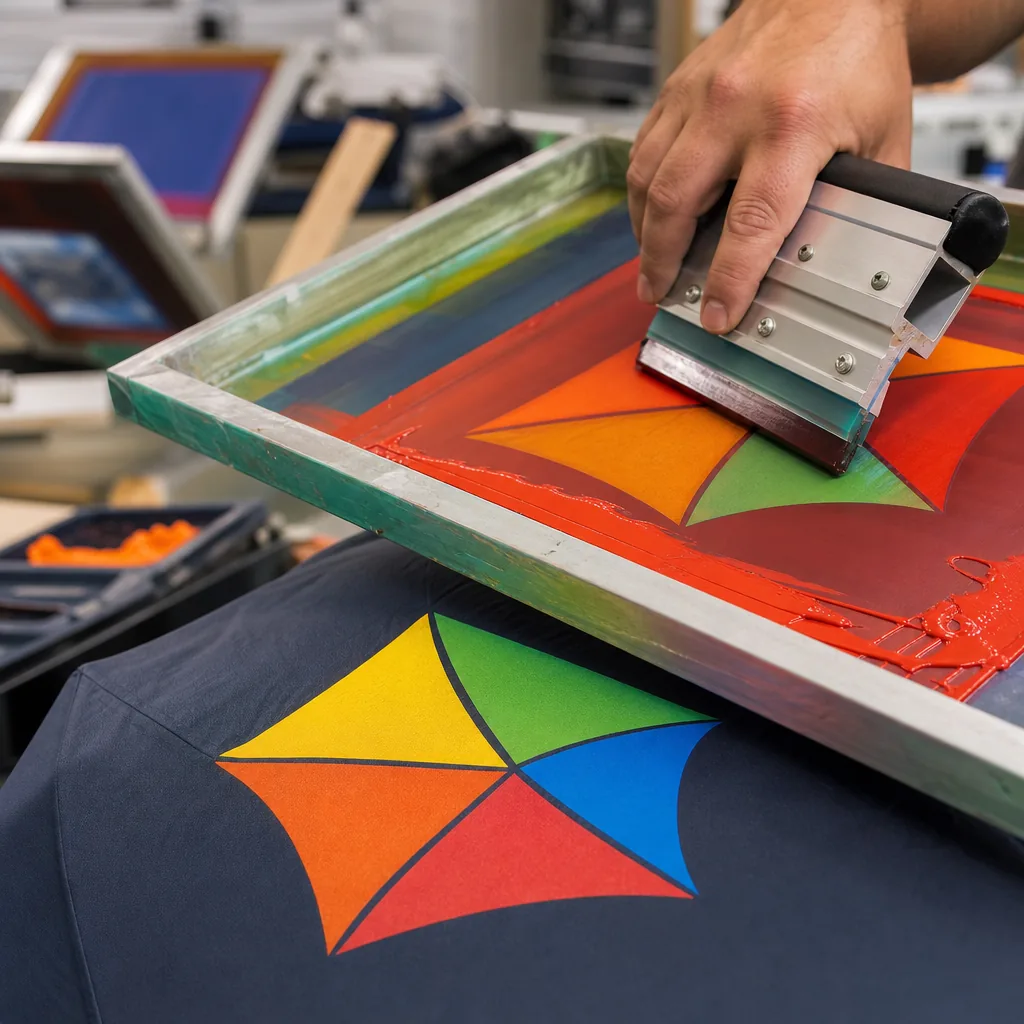
Branding Beyond the Canopy: Straps, Ferrules, and Tips
Learn which umbrella parts can carry a logo, what decoration methods fit each one, and how to keep strength, fit, and co...
Read More »Custom Umbrella Branding Areas Beyond the Canopy Print
Explore high-value umbrella branding zones, from handles and sleeves to tags and packaging, with practical guidance for ...
Read More »