Custom Umbrella Production Lead Times from Sample to Shipment
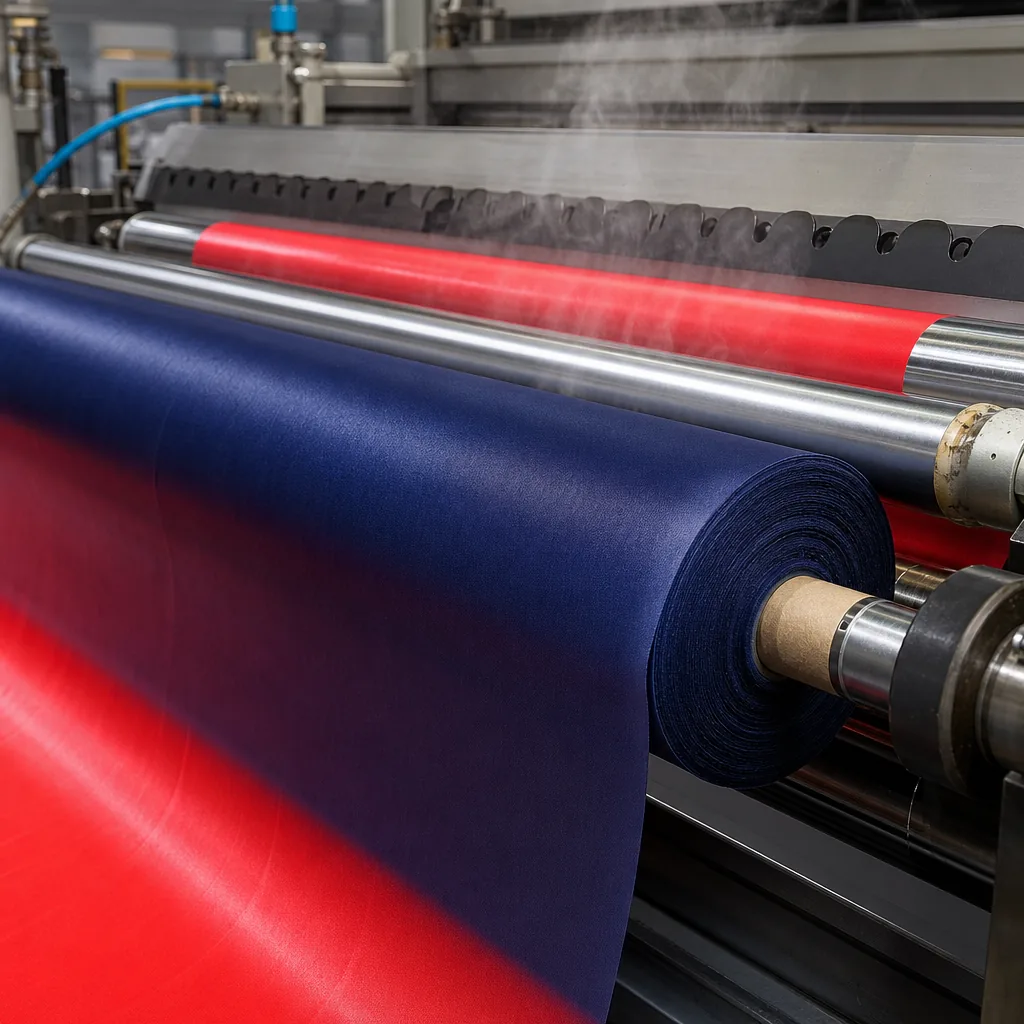
Buying custom umbrellas is rarely delayed by one big issue; it slips when sampling, fabric approval, frame sourcing, sewing, assembly, and freight all move at different speeds. From the factory floor, the real umbrella production lead time depends on how quickly each step is locked down and how many revisions the buyer requests before mass production starts. Planning that sequence early is the difference between a clean launch and a missed ship date.
Sample Approval and Spec Lock
Before any tooling starts, the tech pack has to be locked down in writing: finished open diameter, canopy panel count, shaft material, rib count, runner style, handle, closure, and the exact print method. On a real umbrella production lead time, the biggest mistake is treating “sample approved” as a vague green light. In practice, we confirm whether it is a 21" compact, 23" stick, or 27" golf frame, whether the build is 8K, 10K, or 16K, and whether the canopy is pongee, POE, PVC, or EVA. The fabric weight matters too. A switch from 190T to 210T pongee is not cosmetic; it changes cutting behavior, sewability, and sometimes the hand feel the buyer expects. If the art uses screen print, heat transfer, or sublimation, the print file, color references, and placement tolerance need to be fixed before the first sample is cut. At ZheBrella, we do not start tooling until those points are aligned, because a late change usually costs more time than the sample itself.
Typical umbrella sampling is one prototype, one revised prototype, and then a pre-production sample if the buyer is serious about a bulk umbrella order. For simple manual-open styles, the first round can be ready in 5 to 7 days. Auto-open or auto-open-close mechanisms, vented double-canopy windproof builds, or custom molded handles usually push that to 7 to 10 days because the mechanics and assembly clearances need checking. If the buyer changes from 190T to 210T pongee after the first sample, add 2 to 4 days just for the resourcing and re-cutting, and more if the print registration needs to be rechecked. That is why the umbrella production lead time starts before mass production; the sample phase is where most schedule risk gets buried. For OEM umbrella factory work, I care less about how many samples were shipped and more about whether the buyer signed off the same spec twice without another revision.
Once the spec is frozen, tooling and material reservation move quickly, but only if the drawings are clean. Rib count, ferrule dimensions, canopy seam allowance, and logo placement need to match the approved sample exactly, or the factory will build a different product than the one quoted. A proper spec lock also protects FOB umbrella shipping dates, because shipping terms do not matter if the pre-production sample is still drifting. For most standard styles, the gap from approved sample to bulk start is only a few days, but for custom canopy graphics or UV-coated UPF 50+ fabrics, we usually leave extra time for fabric inspection and color matching. In the field, the fastest programs are the ones where the buyer approves size, fabric, rib count, and print method all at once. The slow ones are usually the ones that keep changing one detail after another and then blame the factory for the schedule slip.
Material Procurement and Factory Queue
For an OEM umbrella factory, the umbrella production lead time starts with what is already on the shelf versus what has to be purchased to order. Stocked fiberglass ribs, standard steel shafts, and common black ABS or wooden handles can usually move into the line in 3 to 7 days once the PO is confirmed. Custom hook handles, soft-touch rubber grips, plated metal tips, or branded push buttons are different; if the component needs new tooling, plating, or a special finish, add 10 to 20 days before assembly even begins. At ZheBrella, we treat those items as critical-path parts, because one missing handle or runner can hold up a full bulk umbrella order even when the canopy fabric is ready.
Color-matched fabric is where schedules usually slip. Standard 190T pongee in black, navy, white, or stock red is easy to source, but a custom PMS shade or a specific 210T woven face often means fresh dyeing, lab dip approval, and then bulk cutting. That process commonly adds 7 to 15 days for stocked mills, and longer if the target shade is low-volume or the order needs a special coating such as PU, UV silver, or Teflon water repellency. Low-stock trims matter too: matching thread, edge binding, Velcro straps, woven labels, and printed care tags all look minor, but if one item is short, umbrella sampling may move ahead while the bulk run waits.
In practice, umbrella production lead time is not one number; it is the longest procurement item plus the factory queue. A straightforward repeat order with stocked materials can be ready for sewing and frame assembly within 5 to 10 days, then another 7 to 12 days for finishing, inspection, and packing. A made-to-order program with custom ribs, special shaft plating, and color-matched canopy fabric is more realistic at 20 to 35 days before FOB umbrella shipping, and longer if the buyer changes artwork after approval. For a large bulk umbrella order, the smart move is to lock the bill of materials early, because every late revision resets the queue, especially when the line is already committed to another shipment.
Cutting, Sewing, Assembly, and In-Process Checks
Cutting, sewing, and frame assembly are the real schedule drivers, not the packaging date. In a typical OEM umbrella factory, canopy panels are die-cut or knife-cut first, then sewn into the canopy with edge reinforcement, then married to the shaft, ribs, stretcher, runner, and handle in a fixed sequence. Manual-open models move faster because there is one less mechanism to calibrate, while auto-open and auto-open-close units add spring insertion, trigger alignment, and more functional checks. A double-canopy vented structure adds another sewing layer and more chance of panel mismatch, so it usually stretches the umbrella production lead time by a few days compared with a single-layer stick umbrella. UPF 50+ coatings also slow the line because coating application, curing, and adhesion checks have to be controlled more tightly than a plain pongée canopy. Our standard practice at ZheBrella is to separate cutting, sewing, and assembly WIP so defects are caught before they become full-order rework.
A small run can look slower on paper, but a 20,000-piece bulk umbrella order usually has more moving parts and more rework exposure. Once the line is committed, capacity has to be split across cutting tables, sewing teams, assembly stations, and final inspection, so any error in rib length, canopy registration, or printed panel alignment can stop an entire batch. That is why rework risk matters more than pure labor hours: if one colorway or logo placement is off, the correction can delay the whole shipment, not just the failed cartons. For umbrella sampling, the schedule is different because samples are built with more hand work, tighter approvals, and frequent revisions to handle style, vent detail, or coating finish. A good sample may take only a few days, but if the customer changes fabric, mechanism, or artwork after approval, the clock resets. The umbrella production lead time is usually shortest when the spec is frozen before mass cutting starts.
For FOB umbrella shipping, the line has to finish not only assembly but also in-process checks, final AQL inspection, carton drop resistance, and packing confirmation before space is booked. A 21-inch compact with steel ribs and a simple manual mechanism can move faster than a 30-inch golf umbrella with fiberglass ribs, double-canopy construction, and auto-open-close hardware because each extra feature adds touchpoints and failure modes. On a 20,000-piece order, even a 1 percent defect rate becomes 200 units that need sorting, repair, or replacement, which is why we push early inline checks on seam strength, runner travel, and open-close cycle testing instead of waiting for final QC. Smaller orders are easier to recover because they can be run in one batch and inspected as a single lot; larger orders need staged release, or they clog the floor and extend the umbrella production lead time. If the buyer wants a firm ship date, the spec sheet has to stay stable after PO confirmation.
Packaging, Carton Planning, and Freight Booking
Packaging is not an afterthought; it is part of the umbrella production lead time because it changes the last week of the schedule. A plain bulk pack with a polybag and export carton is fast. Add retail boxes, printed inserts, barcode labels, silica gel, and individual hang tags, and you add layout approval, color proofing, and one more packing check before the goods can close out. On a bulk umbrella order, the finishing line cannot release cartons until the packaging spec is frozen, because the wrong carton size or fold pattern can crush tips, handles, or automatic open-close mechanisms. At an OEM umbrella factory, I treat packaging as a gate: if the retail box inner dimension is off by even 2 to 3 mm, rework starts immediately and the umbrella production lead time slips. ZheBrella follows the same rule for every export job: lock the packout before cutting the master carton sample.
Master carton planning affects freight readiness more than most buyers expect. A 21-inch folding umbrella packed 48 or 60 pieces per carton will behave very differently from a 30-inch golf umbrella packed 24 pieces per carton, and the carton cube drives how many pallets fit into a container or air shipment. If the buyer wants palletization, we need to confirm pallet height, stack limit, corner boards, stretch wrap, and whether the warehouse requires fumigation for export wood. A bad pallet plan can make finished umbrellas technically complete but not freight ready, because the goods still need rework, reweighing, or carton relabeling. For FOB umbrella shipping, the factory should finish carton marking, pallet count, and VGM close to the vessel cut-off so the forwarder can book space without last-minute changes. For DDP, the packout has to be even tighter because the destination broker will use those carton dimensions for duty, warehouse receiving, and final-mile planning.
The booking decision is simple: reserve sea space once production has passed sample approval and packaging approval, and reserve air only when the order is small, urgent, or tied to a hard launch date. Sea freight can usually wait until the cartons are packed and the final carton count is confirmed, but air space should be booked earlier if the buyer needs retail launch inventory, because airline capacity moves faster than an umbrella production lead time can absorb. FOB lets the buyer control the freight booking and timing; DDP pushes more of that coordination onto the seller, so the factory must know the destination postal code, import terms, and carton specs before packing starts. In practice, the best signal is not the sewing line, it is the packing line: once the last print check and carton label proof are approved, the goods are close enough to finished that freight can be locked with less risk of a schedule miss.
Lead-Time Buffers for Promotions and Seasonal Launches
The real umbrella production lead time starts getting stretched the moment artwork changes after sampling. A clean canopy print on a 190T pongee or 210T fabric is one thing; a buyer sending a new logo version, a revised Pantone, or a last-minute placement change after umbrella sampling is another. In practice, I tell buyers to build 7 to 10 extra days for artwork revisions alone, and more if the design uses full-panel sublimation, gradient color, or multi-step screen printing. If the order needs OEM umbrella factory preproduction photos, strike-off approval, or hangtag changes, those are not small details on the factory floor. They trigger new layouts, new prints, and sometimes a new assembly sequence, which can move the bulk umbrella order behind already-booked lines.
Third-party testing is another place where buyers underestimate schedule risk. If you need wind resistance claims, UV coating verification, REACH, CPSIA, or a buyer-specific lab report, assume the lab calendar will not match your shipping calendar. Standard samples can pass in a few days, but formal testing plus document review often adds 5 to 15 working days, especially when a report needs correction or the test lab asks for a second specimen. For seasonal launches, I recommend holding a 2-week buffer between sample approval and mass production start, because once a test requirement is tied to the PO, the umbrella production lead time is no longer controlled only by the factory. ZheBrella treats this as part of the critical path, not an afterthought.
For customs clearance and FOB umbrella shipping, the safest plan is to separate factory lead time from port and destination risk. A bulk umbrella order may leave the workshop on schedule, but peak-season bookings, missed vessel cutoffs, or a customs document discrepancy can still add 3 to 7 days before the buyer sees the cargo move. For promotions, split shipments are often smarter than waiting for one full container, especially when the campaign date is fixed and the order includes repeat production runs for replenishment. I usually advise buyers to protect the launch with a first shipment 10 to 14 days early, then leave a second production window for reorders. That gives room for inspection hold points, carton retesting, and any color drift correction before the season is over.
Frequently Asked Questions
What is a normal lead time for a custom umbrella order?
For a simple repeat order, production is often 25 to 35 days after sample approval and deposit. New tooling, special materials, or complex packaging can push that into the 40 to 55 day range before freight.
What usually causes the biggest schedule slip?
Late artwork changes, fabric color matching, and waiting for rib or handle components are common delays. Shipping terms also matter, because FOB orders move faster once booked while DDP orders depend on the seller coordinating more of the logistics.
How long does a standard umbrella sample usually take before approval?
For a new OEM design, a first sample is often ready in 7-14 days if the canopy fabric and handle are standard materials. If the order needs custom printing, special fabric, or a new mold, the sample stage can extend to 2-3 weeks.
What parts of the lead time are most likely to slip on a bulk umbrella order?
The biggest risks are fabric matching, frame component sourcing, and sample revision cycles. For a 3,000-10,000 piece order, production may run 30-45 days after sample approval, but a delayed material purchase can add 1-2 weeks.
Should I use air freight or sea freight if I need umbrellas quickly?
Air freight can cut transit to about 5-10 days, while sea freight usually takes 20-35 days depending on the destination port. If your launch date is tight, many buyers ship the first portion by air and the balance by sea to control cost.
Looking to Launch Your Custom Umbrella Line?
ZheBrella is a Zhejiang-based OEM/ODM umbrella manufacturer with 17 years of export experience. Free design, low MOQ from 100 pieces, windproof construction, full-color print.
Get Free Quote Now »People Also Search For
Related Articles
MOQ, Sampling, and Lead Time for Custom Umbrella Orders
Plan custom umbrella orders with realistic MOQ, sample timing, and production lead times so buyers can avoid delays and ...
Read More »
Umbrella Assembly Line Balancing for Reliable Bulk Output
Learn how balanced umbrella assembly lines reduce bottlenecks, stabilize lead times, and protect quality for high-volume...
Read More »
Umbrella Production Line Balancing for Bulk OEM Orders
Understand how balanced cutting, sewing, frame assembly, QC, and packing lines improve umbrella lead times and reduce bo...
Read More »