Custom Umbrella Trim Colors: Ties, Piping, and Binding
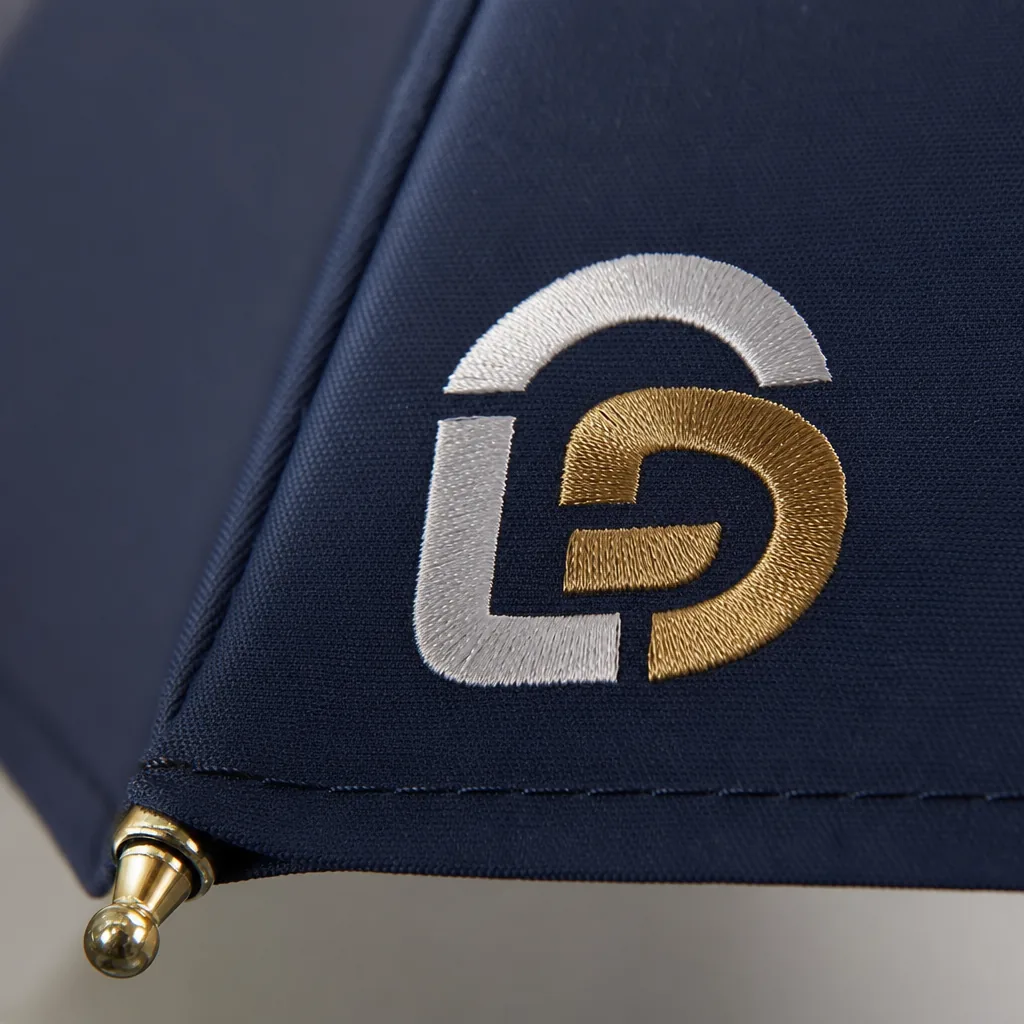
When buyers ask for custom umbrella trim colors, the real challenge is not picking a shade but keeping it consistent across ties, piping, and edge binding without slowing production or creating reject risk. On the factory floor, small trim details can drift in dye lot, stitch tension, and cut placement, so the job is to match brand color intent while staying realistic on MOQ, lead time, and QC.
Which Trim Components Can Be Color Customized
The most reliable custom umbrella trim colors are on textile and sewn parts: the closing strap, stitch thread, piping, and edge binding. These can usually be matched with dyed webbing, polyester thread, and cut-and-sew trim without changing the frame tooling, so they are the lowest-risk, lowest-cost color points. On a 21" promotional umbrella, for example, you can specify a navy canopy with red strap color matching, white contrast thread, and black edge binding umbrella treatment without changing the structural spec or canopy construction. For branded umbrella details, these parts are also the most visible when the umbrella is folded, bagged, and handed out, so they deliver the highest visual impact per dollar.
Umbrella piping colors are also widely customizable when the trim width and fabric weight work with the sewing line. Piping can be added on panel seams, around the vent edge on double-canopy styles, or along the hem for a cleaner finish. Top caps and ferrules are more limited because the final color depends on the base material and finish: plated metal, painted metal, or injection-molded plastic. If the part uses a stock mold or standard hardware, choices are often limited to black, white, silver, or a few common metallic finishes. Handle inserts follow the same rule. TPR, EVA, and wood each have different color ranges, and inventory can override the target shade even when the design is approved.
Ribs, stretchers, runners, and springs are usually not treated as color-customization items because performance comes first. These parts are selected for strength, flex, and wind resistance, not palette matching, so the frame spec should stay separate from the trim spec during approval. The practical approach is to confirm each color point one by one in the tech pack: canopy, closing strap, piping, edge binding, stitch thread, top cap, ferrule accent, and handle insert. That keeps pricing clear, prevents mismatch in umbrella piping colors or strap color matching, and reduces sampling risk before production starts. It also helps the factory quote the correct MOQ, lead time, and any hardware-dependent limits before production is released.
When Trim Colors Deliver Better ROI Than More Printing
If you need stronger branding without paying for all-over print, custom umbrella trim colors usually deliver better ROI. A solid 190T or 210T pongee canopy in black, navy, white, or red looks more deliberate when you add contrasting ties, piping, or edge binding umbrella details. That finish is typically cheaper than full-panel printing, faster to approve, and easier to keep consistent across 500, 5,000, or 50,000 units because the factory controls one trim shade instead of multiple print screens. For distributor programs and event orders, that matters: the umbrella reads as a designed product, not a generic blank with a logo. On promo umbrellas, a clean trim line stays visible from a distance; busy graphics often lose impact once the canopy is folded or seen in motion.
Trim also gives umbrella piping colors and strap color matching a practical role across size ranges. The same color cue can move from a 21" compact auto-open-close umbrella to a 23" travel model or a 30" golf frame without changing the core build, which helps retail lines keep one identity across the assortment. On a UPF 50+ umbrella, trim supports a premium, technical look without changing the canopy coating; on a basic promotional umbrella, it separates the program from commodity stock while keeping decoration cost under control. Printed canopies still make sense when the artwork is the product, but they add setup complexity, color drift, and waste, especially on curved panels where registration can wander. For most B2B buyers, custom umbrella trim colors are the cleaner choice when the goal is durable identity, lower decoration risk, and a better margin story than more printing.
Material and Construction Limits Buyers Should Know
Trim performance starts with the cloth and construction, not the Pantone match. On 190T pongee, the tighter weave gives custom umbrella trim colors a cleaner edge, so narrow piping and binding read sharper and fuzz less at the seam. On 210T pongee, the fabric is slightly heavier and more opaque, which helps darker umbrella piping colors stay uniform and makes needle marks less visible at the hem. Standard polyester canopy fabric is still a cost-saving option for promotional runs, but it shows stitch lines sooner than pongee, so it is better paired with broader contrast binding than with thin tonal trim. On double-canopy windproof styles, the inner vent panel and outer canopy move at different rates in gusts, so edge binding umbrella construction needs enough slack and stitch strength to prevent seam waviness before the color or tape shows wear.
Compact umbrellas put more stress on trim than stick umbrellas. A 21" or 23" auto-open or auto-open-close frame compresses harder in the fold, rubs more at the sleeve, and takes repeated snap-open shock, so strap color matching and branded umbrella details need stronger thread, a wider hem allowance, and colorfast tape that will not peel after cycling. Frame choice matters too: fiberglass ribs flex with wind and reduce seam stress, while steel ribs transfer more load into the tip, runner, and binding. That difference shows up fastest on 8K and 10K compact frames, where panel geometry is tight and there is less tolerance for narrow tape or weak seam tension. For buyers, the tradeoff is clear: wider binding, sewn-in edge allowance, and better thread cost more up front, but they hold up better than glued trim in folded, opened, and shipped units.
Color Control, Lab Dips, and Bulk Consistency
For custom umbrella trim colors, control starts with the approval chain, not the first bulk run. Ask the factory for a lab dip or physical strike-off on the actual trim material before cutting ties, piping, or bias binding. Review it against the approved canopy swatch under neutral light, then decide whether the trim is meant to match or contrast. This matters on umbrella piping colors and edge binding umbrella details, where even a one-step shift in saturation is obvious. Lock the canopy specification first, then document the trim target with a PMS reference whenever the color can be translated cleanly. Keep in mind that color reads differently on pongee 190T, pongee 210T, POE, and PVC, so the same dye formula may not look identical across substrates.
Before bulk release, request a pre-production sample and treat it as the master standard for branded umbrella details. The approval pack should include the signed canopy swatch, the signed trim swatch, the PMS callout where available, and a written tolerance for acceptable lot-to-lot variation. A practical tolerance is minor shade drift only; anything that breaks the intended match or contrast should be rejected before production. Confirm strap color matching, stitch visibility, seam bulk, and whether the binding tape curls after heat-setting, because those details affect both appearance and durability. If the dyed trim fails at sampling, stop there; fixing color after sewing increases scrap and rework costs.
For bulk inspection, put the color standard on the PO and inspect finished goods to AQL 2.5. Treat shade mismatch as a visual major defect when it affects continuity across ties, piping, binding, handles, and canopy edges. Compare random units from each carton against the retained master sample, and ask the factory to label trim rolls with lot codes and keep one reference swatch from every dye lot. That traceability helps isolate mismatches when webbing, bias binding, and canopy panels come from different suppliers. For custom umbrella trim colors, the buyer’s job is simple: approve the dye target, document the tolerance, then verify that every lot stays within the same color relationship the sample showed.
MOQ, Sampling, and Import Terms for Trim Variants
Custom umbrella trim colors often change the buying math more than the canopy color does. If the factory can use stock tie, piping, binding, or strap materials, MOQ may stay at 300 to 500 pieces per colorway for 23" or 27" stick umbrellas. Once the order needs new-dyed webbing, bias tape, zipper pulls, or precise strap color matching, MOQ usually rises and development takes longer because the supplier must source, dye, and approve each component. The same applies to branded umbrella details that require Pantone-style matching across multiple trim points. Sampling is faster when the factory already stocks standard umbrella piping colors or edge binding umbrella materials; a simple trim sample can ship in 7 to 14 days. If the supplier must run a lab dip or correct the first approval, plan on about 21 days before cut-and-sew starts.
Plan lead time by component, not just by umbrella style. After sample approval, bulk production for one colorway typically takes 25 to 35 days; add at least 7 more days if you are running multiple trim variants, because the factory has to separate cutting, sewing, and packing to avoid shade mixing. That matters when one program includes both folding and stick umbrellas, since each SKU needs its own material control and inspection records. For import terms, FOB is easier when all colorways ship to one destination and the buyer wants to manage freight, customs, and last-mile routing. DDP is better when custom umbrella trim colors are split across the US, EU, or Middle East, because it gives a landed cost by market, but it also requires complete carton marks, labels, and documents for each destination.
Before bulk release, freeze the trim spec sheet and approve one master sample for each colorway. Ask the factory to separate packing lists and carton marks by market, then inspect at AQL 2.5 so one wrong piping or binding shade does not contaminate the full lot. If the order uses multiple umbrella piping colors, confirm whether the freight quote is based on consolidated FOB cargo or split DDP deliveries; that choice changes duty exposure, documentation, and the production schedule. For mixed-color programs, the safest sequence is: approve materials, lock the sample, confirm MOQ by component, then release bulk by SKU. That keeps cost and lead time under control instead of letting a late trim change reset the entire order.
Frequently Asked Questions
Can the umbrella strap match the canopy exactly?
Often yes, but exact matching depends on whether the strap uses the same fabric and dye lot as the canopy. If it is a separate material or component, buyers should approve a physical sample rather than rely only on artwork.
Does piping work on foldable umbrellas as well as straight umbrellas?
It can, but compact styles have tighter folding geometry, so bulky piping may affect closing and packing. Testing a prototype is important before confirming mass production.
Can trim colors be matched to a specific Pantone for an umbrella order?
Yes, most factory programs can match trim colors to a Pantone reference, but the tolerance depends on the material. Woven straps and polyester piping usually hold color well, while coated binding may show slight shade variation, so a physical lab dip or trim swatch is best before bulk production.
What is the MOQ for custom umbrella ties, piping, or binding colors?
Trim-only customization often starts at the same MOQ as the umbrella body, commonly 300 to 500 pieces per colorway, depending on the trim material and whether a special dye is required. If multiple trim colors are mixed in one order, factories may ask for separate MOQs per color.
Does adding custom trim colors change lead time much?
Usually yes, but only slightly if the trim material is standard stock. Expect sampling to add about 7 to 10 days and bulk production to add roughly 5 to 15 days if new dyeing or custom woven straps are needed.
Looking to Launch Your Custom Umbrella Line?
ZheBrella is a Zhejiang-based OEM/ODM umbrella manufacturer with 17 years of export experience. Free design, low MOQ from 100 pieces, windproof construction, full-color print.
Get Free Quote Now »People Also Search For
Related Articles
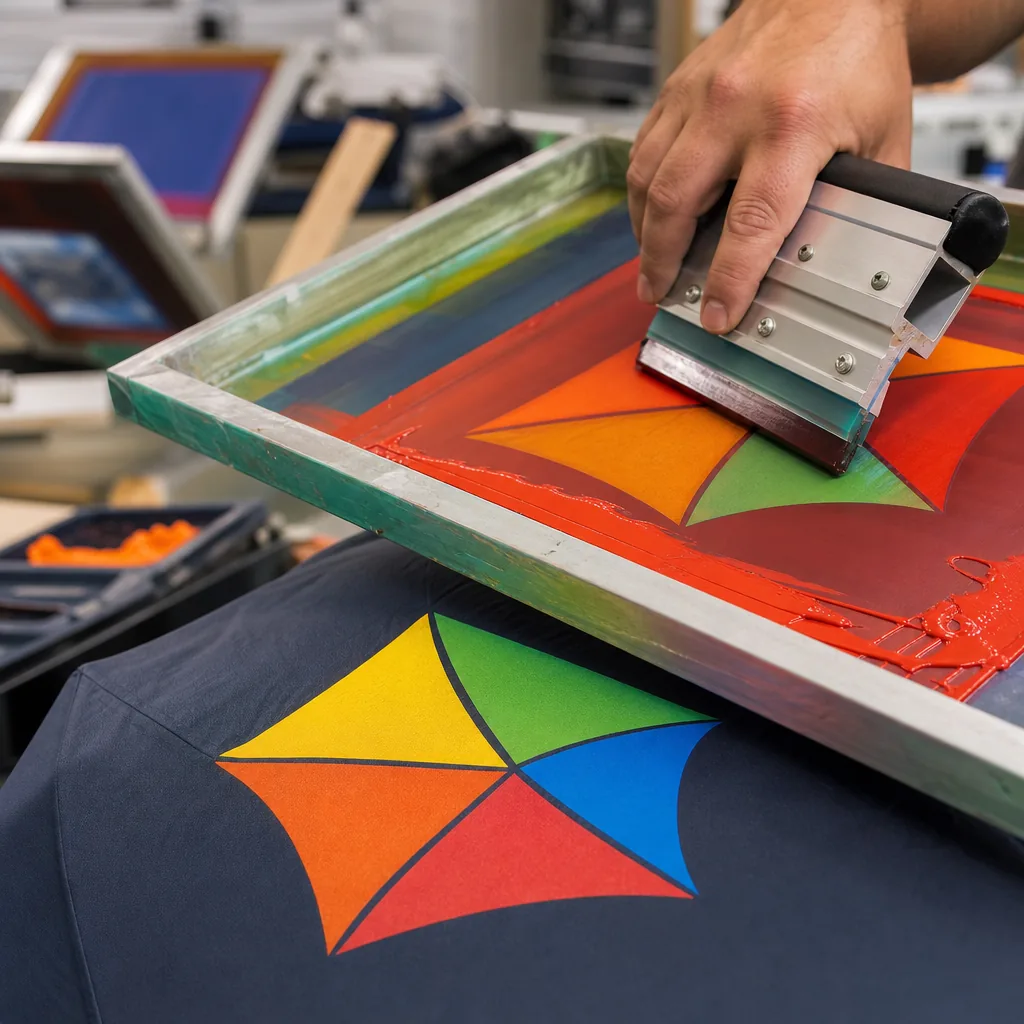
Matching Umbrella Trim Colors to Brand Identity Systems
Learn how to specify trim colors on straps, piping, tips, and binding so branded umbrellas stay consistent across SKUs, ...
Read More »Matching Umbrella Trim Colors to Brand Identity at Scale
Learn how to standardize piping, straps, tips, and edge trim colors across umbrella orders while managing MOQ, tolerance...
Read More »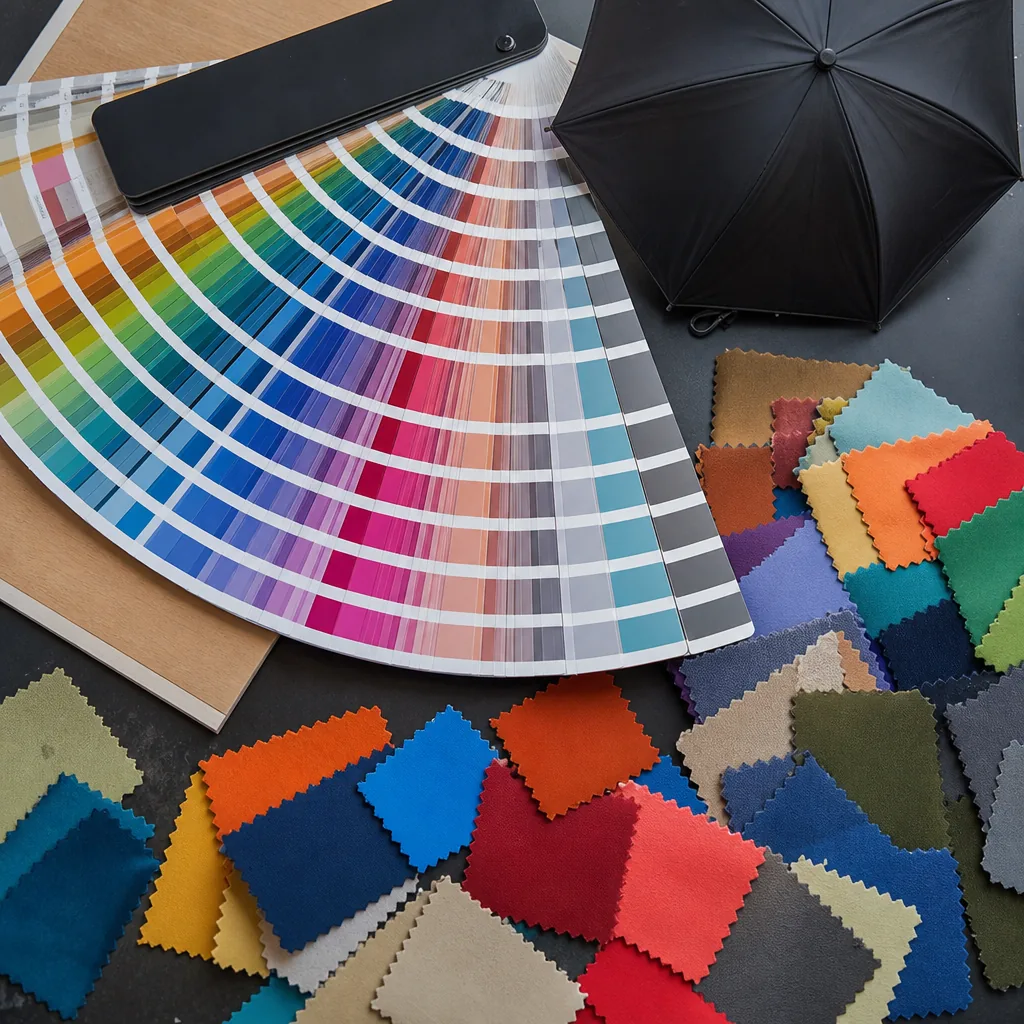
Matching Umbrella Trim Colors to Brand Systems at Scale
Learn how to coordinate canopy, strap, handle, piping, and frame colors on branded umbrellas while managing MOQ, toleran...
Read More »