Using Contrast Panels and Trim Colors to Strengthen Umbrella Branding
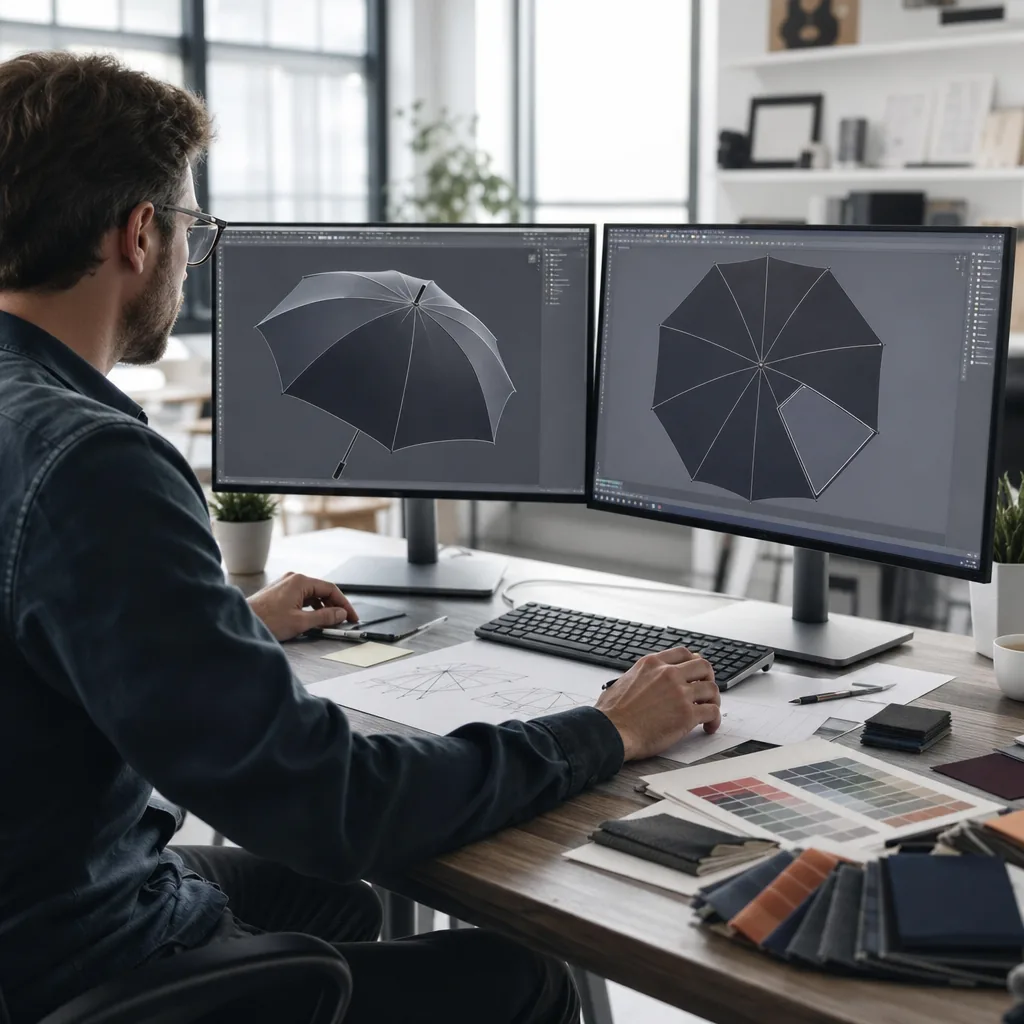
When an umbrella has to carry a logo across 190T fabric, the challenge is not just printing it cleanly but making it read quickly from a distance without looking loud. That is where contrast panels, trim colors, and small accent details matter, especially when buyers want tone on tone umbrella branding to feel premium rather than promotional. From the factory floor, we know the best results come from balancing color separation, seam placement, and fabric behavior before production starts.
Why contrast colors make branded umbrellas easier to recognize
Contrast is the fastest way to make an umbrella readable from 20 feet away. On a crowded retail rack or at a trade show, a dark canopy with a bright panel, or a white canopy with a saturated trim, stands out long before the logo is readable. That matters because people usually notice the silhouette first, then the color break, then the brand mark. In practice, contrast panel umbrellas help with shelf visibility, event recognition, and photo performance because cameras separate the edge lines better than flat single-color canopies. For promo programs, that means the umbrella still looks branded even when the logo is small or partially folded by the frame. On the factory floor, we see this work best on 190T pongee because the fabric holds color cleanly and does not blur the seam line the way cheap PVC often does.
Simple two-tone builds are usually the safest choice when the client wants broad appeal. A black canopy with a red trim, navy with a white vent panel, or gray with a lime edge keeps the product easy to stock and easy to photograph, while still giving enough contrast to signal the brand palette. That is the standard tone on tone umbrella branding approach when the buyer wants recognition without pushing the design too far. Fully matched brand palettes are stronger for retail programs because they can mirror the exact Pantone range used on packaging, signage, and apparel, which is useful for premium umbrellas sold alongside other branded goods. ZheBrella usually recommends this route when the umbrella is part of a coordinated launch and the customer needs the canopy, handle, and sleeve to read as one system, not separate parts.
Branded color blocking is more flexible for promotions, especially on an auto-open umbrella where the canopy surface is large enough to carry both contrast and logo placement without looking crowded. A two-panel or four-panel layout can be enough for distributor programs, while more aggressive segmenting works better for premium umbrellas that need a stronger retail story. The key is to keep the contrast intentional: too many colors make the piece look busy, while one strong accent at the trim, rib tips, or vent edge gives the product a cleaner shape in photos and in use. For buyers comparing channels, simple contrast works best for giveaways and event merch, while fully matched palettes are better for brand stores, corporate gifts, and higher-margin retail lines where visual consistency is part of the selling point.
Pick the right color blocking for light and dark canopies
Black and navy canopies give you the cleanest base for branded color blocking because they absorb a strong accent without turning loud. On a black 190T pongee auto-open umbrella, a narrow red or safety yellow edge binding reads instantly at distance, while a navy canopy usually looks better with white, silver, or orange trim instead of another dark shade that disappears. This is the part most buyers miss: the branding should live on the perimeter, not across every panel. Contrast panel umbrellas work best when the logo color appears in the vent edge, runner tape, or one or two alternate panels, which keeps the umbrella usable as a product rather than a billboard. For premium umbrellas, I usually recommend tone on tone umbrella branding only when the client wants a restrained corporate look, such as black canopy with charcoal trim or navy canopy with deep royal insert panels.
Red and white need different treatment because both already carry visual weight. A red canopy can handle white or black binding, but too much second color makes it look like a costume piece, not a retail umbrella. White canopies are the easiest place to show branded color blocking because the field is neutral: a cobalt edge, forest-green vents, or a solid color panel insert gives structure without overpowering the product. If the canopy is 190T pongee, the dye saturation is usually strong enough that small trim details stay crisp after sewing and heat sealing. On vented models, the inside vent lip is a good place for brand color, especially on larger 23-inch and 27-inch frames where the opening is visible in use. That is the practical way to use tone on tone umbrella branding without losing contrast or making the canopy look busy.
Use small accents to build a premium signature look
Small trim details do more branding work than people expect. On a 190T pongee canopy, a colored tip cap, strap, ferrule, shaft finish, or handle ring can carry the brand without forcing a giant logo across every panel. That is why tone on tone umbrella branding is often the better choice for premium corporate gifting: it looks controlled, not loud. A dark navy canopy with slightly lighter binding, or a charcoal body with a matte black handle ring, reads as deliberate from a distance and still looks clean in a meeting room or hotel lobby. Those accents are cheap to change at the factory stage, but they change the perceived value immediately because buyers notice consistency before they notice artwork.
Contrast panel umbrellas work best when the color break is structural, not random. One strong panel color against a neutral field can frame the canopy shape and make an auto-open umbrella look more engineered, especially on 21-inch or 23-inch frames with fiberglass ribs. The same logic applies to branded color blocking: if the logo is small, the canopy itself has to carry the identity through panel layout, edge piping, and trim matching. In practice, I prefer two-tone schemes that repeat the brand palette in the tip, strap, and handle rather than printing every surface. That keeps the finish premium and avoids the cheap, crowded look that large repeated graphics often create on premium umbrellas.
For corporate buyers, subtle accents outperform oversized prints when the gift is meant to stay in circulation. A clean panel color, matched ferrule, and correctly finished handle ring survive daily use better than heavy ink coverage, and they age better on pongee and other coated fabrics. The best tone on tone umbrella branding usually comes from restraint: one accent color on the high-touch parts, one neutral base on the canopy, and a logo placed where it is visible when closed. On premium umbrellas, that balance matters because recipients judge the item as an object first and an advertisement second. When the color system is consistent across the shaft, tips, and strap, the umbrella looks specified rather than decorated, which is the point for higher-end gifting.
Balance color design with fabric and print constraints
For tone on tone umbrella branding, fabric choice matters more than most buyers expect. A 190T pongee canopy is lighter and usually a little more translucent than 210T, so dark inks read cleaner and bright inks can look flatter unless the base cloth is closely matched. That is why contrast panel umbrellas can work well on 190T when you want a controlled, graphic look, but they also expose registration errors and dye variation faster than a single-color canopy. On 210T pongee, opacity is better and the surface feels denser, which gives screen print and heat-transfer graphics stronger edge definition and less show-through from the inside. In practice, branded color blocking is easiest when the panel color and print color are planned together, not selected separately after sampling. For premium umbrellas, the cleanest result usually comes from limiting the palette to two or three coordinated shades and keeping logos away from seam-heavy areas.
Decoration zones shrink fast once the mechanism and frame are finalized. An auto-open umbrella needs room for the runner, stretch points, and release button clearance, so panels near the top can distort more than buyers expect after repeated cycling. Fiberglass ribs improve wind performance and reduce corrosion, but their flex changes how a logo sits when the canopy loads in wind; a design that looks sharp flat may twist on the street. Double-canopy vented constructions help with 50+ mph wind performance, but they also split the usable print area and create hidden inner surfaces that do not read as well from a distance. Our standard practice is to map the panel layout, rib count, and seam positions before approving artwork, especially on 8K, 10K, or 16K frames. That is the difference between tone on tone umbrella branding that feels intentional and a canopy that looks crowded after assembly.
Estimate cost, MOQ, and timing for custom color builds
For custom color builds, the cost jumps first because of pattern work, not because of the canopy cloth itself. A simple tone on tone umbrella branding job on 190T pongee with one body color and one trim color is usually the cheapest path; once you add contrast panels, segmented canopy layouts, or branded color blocking across 8K or 16K panels, the cutting and sewing time goes up and so does fabric loss. Dye matching is another real cost driver. If the pantone has to be hit tightly, we need lab dips, strike-offs, and sometimes a separate dye lot, which is why MOQ usually starts around 300 to 500 pcs per colorway for standard builds and can move to 1,000 pcs if you want several custom panels plus matching tips, binding, and hook-and-loop straps. Premium umbrellas with POE, EVA, or UV-coated canopy finishes usually need tighter process control than a basic black auto-open umbrella.
Lead time depends on how many new materials you are asking us to source. A one-color sample on stock 190T pongee can be done in 5 to 7 days, but a multi-panel contrast sample with custom trim, printed carry sleeve, and matching handle color is more like 10 to 15 days because every component needs approval before bulk cutting. For production, a normal re-order on existing materials is often 25 to 35 days after deposit and final sample approval; new trim sourcing, especially woven binding or specialty zipper tape, usually adds 7 to 10 days. If the build is a true tone on tone umbrella branding program with a new color standard, I tell buyers to budget one extra week for color approval, because one bad lab dip can ruin the whole run and force a re-cut.
Quotation structure matters because FOB and DDP are not the same product. FOB should separate unit price, plate or screen setup, hangtag or sleeve extras, and export packing, so the buyer can see the real factory cost. DDP adds international freight, customs duty, clearance fees, and last-mile delivery, which makes the headline price easier to buy but harder to compare across suppliers. For contrast panel umbrellas, the quote should also state whether the trim colors are stock yarn-dyed fabric or custom dyed, because that changes both MOQ and waste allowance. On our side at ZheBrella, the practical range for a serious custom program is usually 300 to 3,000 pcs per colorway, with AQL 2.5 inspection before shipment. If you need a fast test market run, ask for FOB on the sample and DDP on the production order only after the final colors are locked.
Frequently Asked Questions
Are contrast-panel umbrellas more expensive to source?
Usually yes, because they add color-matching steps and sometimes extra cutting or trim sourcing. The premium is often justified when the umbrella is meant to read as part of a brand system rather than a generic giveaway.
What is the safest way to add brand color without risking approval issues?
Use one primary accent color on a limited component such as the strap, tip, or edge binding. That keeps the build easier to approve while still giving the buyer a clear brand signal.
How many panel colors should I use for a branded umbrella design?
Most B2B buyers keep it to two colors: one main canopy color and one accent color for the panels or trim. That usually gives enough contrast for fast logo recognition without making the umbrella look too promotional.
Can contrast panels be matched to a specific brand color?
Yes. Factories commonly match trim and panel accents to Pantone references, usually with a lab dip or color swatch approval before bulk production. For 190T pongee, expect slight shade variation between fabric lots, so final approval should be done on a physical sample.
What is a typical MOQ for custom color-block umbrellas?
For custom panel and trim combinations, many suppliers start around 300 to 500 pieces per colorway, depending on the frame and printing method. Sample lead time is often 7 to 10 days, and bulk production is commonly 30 to 45 days after sample approval.
Looking to Launch Your Custom Umbrella Line?
ZheBrella is a Zhejiang-based OEM/ODM umbrella manufacturer with 17 years of export experience. Free design, low MOQ from 100 pieces, windproof construction, full-color print.
Get Free Quote Now »People Also Search For
Related Articles
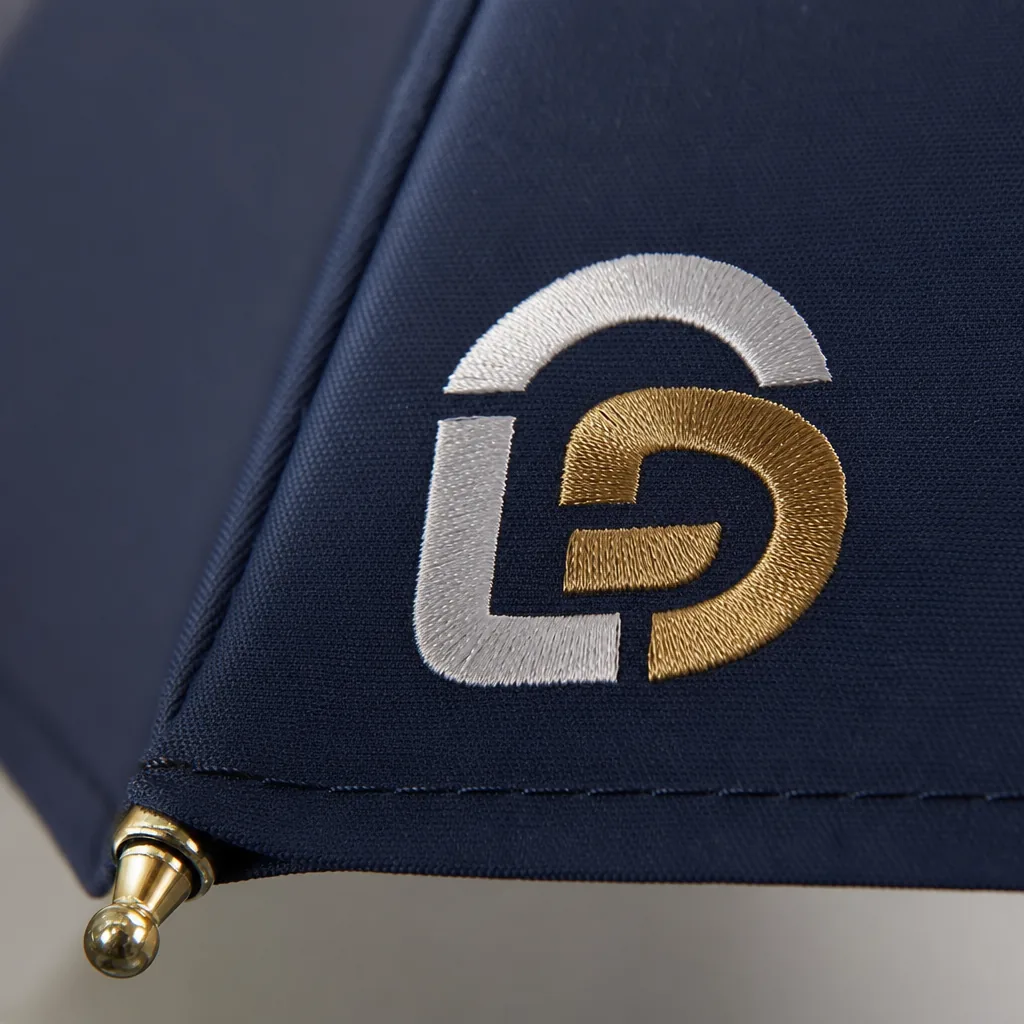
Branded Umbrella Color Blocking for Stronger Shelf Impact
Learn how panel color layouts, trim choices, and fabric specs shape logo visibility, shelf impact, and production consis...
Read More »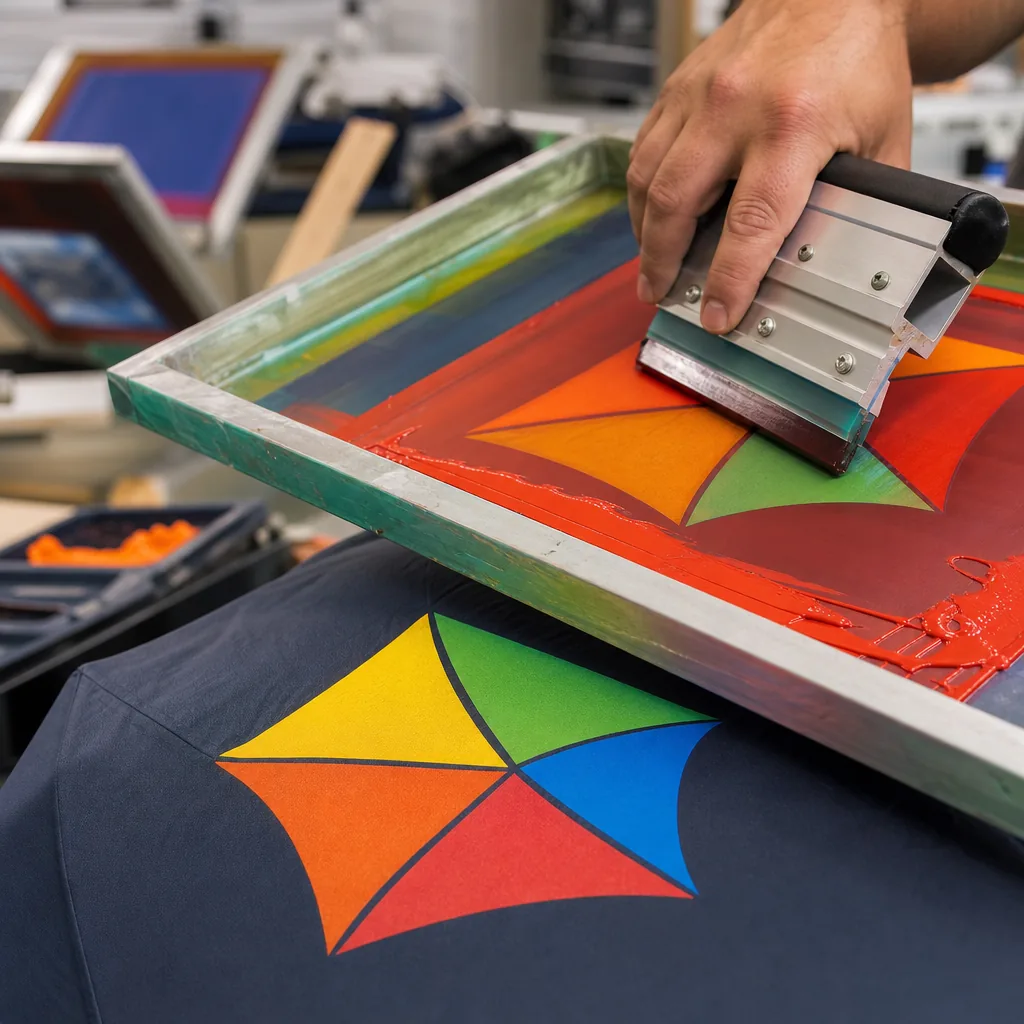
Color-Blocking Strategies for Brand-Driven Umbrella Design
Show how color-blocked umbrella layouts strengthen brand recognition while staying production-friendly, with fabric, pri...
Read More »Color Blocking Strategies for Branded Umbrella Canopies
See how contrast panels, trim colors, and color blocking improve brand recognition while staying manufacturable on custo...
Read More »