Custom Umbrellas for Cruise Lines, Marinas, and Excursions
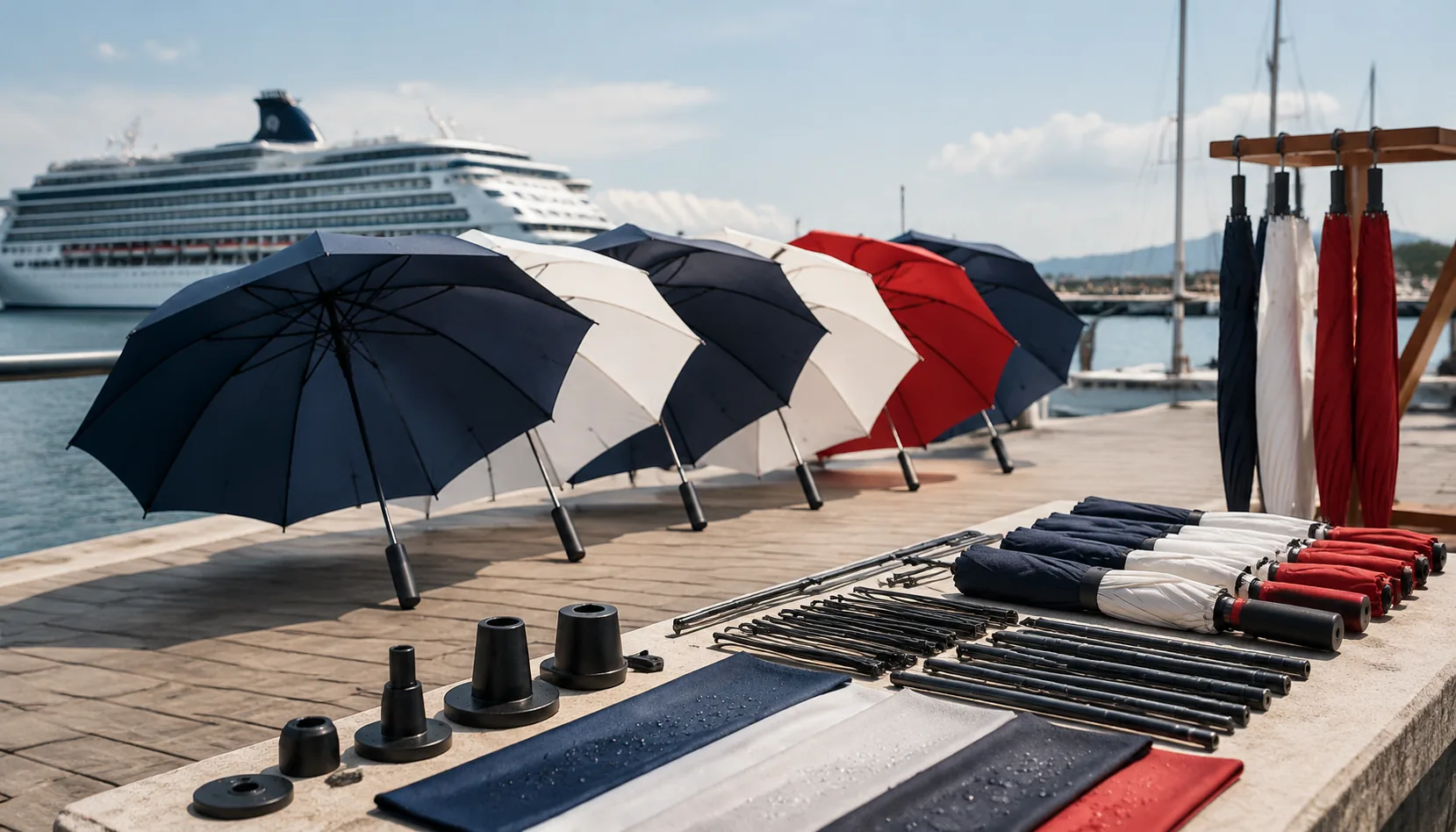
Cruise buyers are not just ordering shade products; they are balancing salt air, wet handling, tight onboard storage, retail branding, and delivery windows tied to sailing schedules. On our factory floor in Songxia, we see cruise line umbrellas fail or perform based on details like frame coating, rib strength, fabric finish, carton packing, and logo placement. Getting those specs right early keeps marina giveaways, shore excursion gear, and onboard retail programs consistent from sample to shipment.
Umbrella Use Cases Across Marine Travel
Onboard retail is the cleanest starting point because demand is visible and replenishment can be planned by itinerary. For cruise line umbrellas sold in gift shops, I would normally separate a compact 21" auto-open-close model for passengers going ashore from a 23" or 27" stick umbrella for higher-margin logo merchandise. Retail launches usually make sense at 1,000–3,000 units, enough to split 3–5 canopy colors, ship names, and barcode SKUs without pushing unit cost too high. Use 190T or 210T pongee with a Teflon water-repellent finish, fiberglass ribs if wind complaints are likely, and either screen printing for simple one-color nautical logos or heat transfer for gradient artwork. Retail cartons should be ship-ready: hang tags, UPC labels, silica gel, and inner packs of 12 so onboard teams are not breaking bulk cartons in tight storage rooms.
VIP cabin gifts need a different build philosophy: fewer pieces, better hand feel, and stricter presentation. A 300–500 unit pilot run is reasonable for suite guests, anniversary sailings, yacht-club tiers, or loyalty upgrades, especially when the umbrella is paired with towels, tote bags, or bottled water in the cabin. Here, a 23" auto-open umbrella with 8K fiberglass ribs, rubberized handle, 210T pongee, and UPF 50+ coating feels more premium than a cheap steel-frame giveaway. Resort port umbrellas can also use navy, white, sand, and coral palettes to match cabin collateral instead of the louder colors used in gift shops. Our standard practice at ZheBrella is to run pre-production samples with both logo placement and sleeve branding approved, because VIP complaints often come from crooked embroidery-look transfers, mismatched Pantone shades, or sleeves that feel like an afterthought.
Marina lending programs and shore-excursion rain kits are operational tools, not souvenirs, so durability and tracking matter more than gift-box presentation. Marina branded umbrellas for tender docks, yacht clubs, and embarkation lanes should usually be 27" or 30" golf styles with double-canopy venting, 8K or 10K fiberglass frames, and wind-tunnel performance around 50+ mph, because open waterfront gusts destroy cheap steel ribs quickly. Lending pools often start at 300–500 units per port, while bus-heavy excursion programs may need 1,000+ pieces spread across tour operators. For shore excursion rain gear, compact cruise line umbrellas can be bundled with EVA ponchos in polybags, while nautical promotional umbrellas for guides should use larger panels so passengers can identify the group in crowded ports. Specify AQL 2.5 inspection, rust-resistant shafts, FOB/DDP terms, and a realistic 25–40 day production window depending on printing complexity.
Specs That Hold Up Near Salt Air and Wind
Near salt air, the first frame decision is corrosion control, not logo placement. I recommend fiberglass ribs and, where budget allows, fiberglass shafts for cruise line umbrellas because fiberglass does not red-rust like painted steel after repeated exposure to sea spray, wet storage carts, and damp cabin closets. Steel center shafts can still work for lower-cost resort port umbrellas, but they need good plating, clean rivet setting, and carton storage away from moisture before deployment. For canopies, 190T or 210T pongee with a water-repellent coating is the practical baseline; add UV treatment to reach UPF 50+ if guests will use them on piers, tenders, or pool decks. Clear POE or EVA panels are useful for excursion guides who need visibility in heavy rain, while PVC is heavier and can stiffen in cooler weather.
An 8K frame is enough for general guest use: gangway handout, cabin closet amenity, marina reception desk, or short walks between terminal and shuttle. In production terms, 8 ribs with fiberglass tips and a 23" arc gives a good balance of weight, price, and durability, especially with manual open or auto-open mechanisms. For marina branded umbrellas and nautical promotional umbrellas, I would avoid thin 8K steel ribs unless the item is purely event merchandise. A guest umbrella usually fails at the rib joint, runner, or tip pocket, so we check rivet tightness, rib symmetry, and canopy tension under AQL 2.5 before packing. A vented canopy is optional for sheltered use, but reinforced tips and bar-tacked seams are not optional near docks.
Open docks, tender staging areas, and shore excursion rain gear need a stronger build than a souvenir umbrella. For excursion teams, I prefer 16K double-canopy windproof frames with fiberglass ribs, a reinforced runner, and either a 27" or 30" golf size so staff can cover clipboards, radios, or guests during boarding. A properly balanced 16K vented frame can survive 50+ mph wind-tunnel tests without inverting permanently, while a standard 8K frame may flip and fatigue after repeated gusts. The tradeoff is weight and carton volume: a 30" 16K umbrella costs more to ship FOB or DDP and usually needs a higher MOQ to keep unit pricing sensible. Our standard practice at ZheBrella is to match rib count, shaft material, and canopy coating to the actual port environment, not just the catalog photo.
Fabric and Branding for Nautical Environments
For cruise line umbrellas, fabric choice should start with 190T pongee if the program is retail, cabin amenity, or high-volume gangway distribution. It dries faster than cotton-feel fabrics, prints cleanly by screen or heat transfer, and holds a tight navy or white panel without looking thin under port sunlight. For premium marina branded umbrellas, I usually move buyers to 210T pongee because the hand feel is smoother, the panel tension looks flatter after sewing, and logos sit sharper on large 23" or 27" canopies. A basic steel shaft with fiberglass ribs is acceptable for sheltered resort ports, but for open pier wind I prefer full fiberglass ribs in 8K or 10K construction, especially when the design includes alternating white, navy, and stripe panels that must stay aligned after repeated opening.
Nautical branding looks simple on paper, but the factory floor mistakes are usually in panel matching and ink density. Navy can shift purple if the fabric lot is not controlled, and white panels show needle marks if sewing tension is too high. Striped panel designs need cutting templates locked before mass production; otherwise the left and right canopy seams will not mirror, which is obvious in guest photos. For shore excursion rain gear, rubberized straight or crook handles matter more than buyers expect because wet hands, sunscreen, and salt spray make glossy plastic slippery. Our standard practice at ZheBrella is to test handle grip after water spray and repeated auto-open cycles, not just check the logo print on a dry sample table.
For sunny port destinations in the Caribbean, Mediterranean, and Southeast Asia, optional UPF 50+ coating is worth specifying early because it changes both fabric cost and print behavior. A silver or black UV backing gives better shade but can reduce the soft retail look, while a clear UV treatment keeps the nautical promotional umbrellas cleaner for gift-shop display. Resort port umbrellas used around tender boats, marina lounges, and excursion buses should also be checked for water repellency after printing, since heavy ink coverage can weaken beading on 190T pongee. For production, I would define Pantone navy, white tolerance, stripe repeat, handle material, UPF requirement, and AQL 2.5 inspection points in the purchase order before approving the pre-production sample.
Packaging and Distribution by Vessel or Port
Packaging is where cruise line umbrellas either move cleanly through the vessel supply chain or become a dockside headache. For onboard retail, we usually pack each umbrella in a matching pongee sleeve or clear OPP bag, then apply a barcode sticker with SKU, color, size, and country of origin. A 21" compact auto-open-close umbrella for the gift shop needs different labeling than a 27" golf umbrella issued to excursion staff, so we separate by PO line, print artwork version, and selling location. For nautical promotional umbrellas going into passenger cabins, we can add belly bands, hang tags, or recyclable kraft sleeves, but I advise keeping packaging flat and scannable because ship storage rooms are tight and crew do not have time to sort mixed cartons during embarkation day.
Master-carton labeling should be planned before production, not after final inspection. For marina branded umbrellas, resort port umbrellas, and shore excursion rain gear, we mark cartons by ship name, marina, terminal, or port operator, with carton number, gross weight, dimensions, SKU, color, quantity, and destination code on two sides. A common setup is 24 pcs per carton for 23" stick umbrellas, 12 pcs for 27" or 30" golf umbrellas, and 50 pcs for compact 3-fold models, depending on handle size and sleeve thickness. Our standard practice at ZheBrella is to keep one carton to one destination whenever possible, because mixed cartons create receiving errors when goods are split between Miami, Nassau, Cozumel, and private island operations.
FOB Ningbo or Shanghai works best when the buyer already has a freight forwarder, bonded warehouse, or cruise-line logistics team consolidating uniforms, retail merchandise, and hotel supplies. It gives procurement more control over sailing schedules, customs brokers, and container utilization. DDP is better for multi-destination delivery when the order must land directly at several marinas, port shops, or excursion operators without the buyer handling import paperwork. For cruise line umbrellas, DDP pricing must be quoted carefully because duty, inland trucking, appointment delivery, and remote port surcharges can change the real cost more than the umbrella itself. For repeat programs, I recommend a master shipping matrix listing vessel, port, SKU, carton count, barcode range, and requested delivery window, then locking it before mass packing starts.
Lead Time, MOQ, and Inspection Priorities
The safest production window for cruise line umbrellas is 30 to 50 days after artwork approval, not after the first email inquiry. A simple 23" auto-open umbrella with 190T pongee, one-color screen print on 2 panels, and standard carton packing can usually sit near 30 to 35 days in normal months. Add full-panel sublimation, PMS-matched 210T pongee, custom woven labels, retail sleeves, or mixed SKUs for different ships and ports, and the schedule moves closer to 40 to 50 days. Peak capacity before Golden Week, Chinese New Year, and the spring promotional season can add another 7 to 10 days if fabric dyeing or frame plating queues are full. For marina branded umbrellas and resort port umbrellas, I always tell buyers to lock the final logo file, Pantone numbers, handle color, and carton marks before deposit; production cannot run cleanly when the artwork changes after cutting starts.
MOQ depends more on decoration method than umbrella type. For standard nautical promotional umbrellas, 500 pieces per design is workable for screen printing, especially on 21" folding, 23" straight, or 27" golf umbrellas with steel shaft and fiberglass ribs. If the buyer wants all-over sublimation, custom POE/PVC panels, special navy-and-white striped fabric, rubberized handles, or ship-specific retail packaging, 1,000 to 3,000 pieces is a more realistic MOQ because fabric, transfer paper, labels, and printed cartons each have their own setup waste. For shore excursion rain gear packed as a kit with ponchos or drawstring bags, the slowest component controls the lead time. Our standard practice at ZheBrella is to separate pre-production sample approval from bulk lead time, because a 5-day sample delay can push the whole order into a different sewing-line schedule.
AQL 2.5 inspection should be written into the purchase order, not negotiated after goods are packed. For cruise line umbrellas, inspectors should open cartons across multiple production batches and check stitch density, loose threads, canopy tension, rib tip alignment, runner lock, auto-open or auto-open-close function, and panel-to-panel print registration. I would add salt-stain risk as a specific checkpoint for coastal use: plated steel shafts, rivets, springs, ferrules, and tips should be inspected for rust marks, fingerprints, oil residue, and weak coating coverage before packing. Fiberglass ribs reduce corrosion exposure, but the joints and springs still matter. Retail packaging also needs AQL control, including UPC placement, suffocation warnings on polybags, hangtag consistency, carton drop resistance, and ship-to-port labeling. A beautiful umbrella that arrives with mixed barcodes or salt-spotted hardware becomes a receiving problem at the pier.
Frequently Asked Questions
Are metal umbrella frames suitable for marina use?
Steel frames can work for low-cost retail items, but fiberglass is safer for windy docks and reduces visible corrosion issues. If steel is used, buyers should specify coated components and tighter pre-shipment inspection.
Can umbrellas be packed for onboard retail sale?
Yes. Common options include individual polybags, printed sleeves, hang tags, barcode labels, and ship-specific carton marks for easier receiving and inventory control.
What umbrella specs are recommended for cruise ports and marina use?
For coastal use, choose fiberglass ribs, a corrosion-resistant shaft, 190T or 210T pongee fabric, and windproof frame construction. UV coating is also useful for port retail and marina guest umbrellas used in sun and rain.
What MOQ should cruise lines or marina distributors plan for custom umbrellas?
Typical OEM orders start around 500 to 1,000 pieces per style, depending on frame type, fabric, and logo method. Mixed colors may be possible if the total order meets the factory MOQ and uses the same umbrella structure.
Which branding methods work best for nautical promotional umbrellas?
Screen printing is the most cost-effective option for simple logos, while heat transfer or digital printing works better for detailed artwork, maps, or multicolor resort graphics. For premium retail umbrellas, branded woven labels, custom sleeves, and hang tags can be added.
Looking to Launch Your Custom Umbrella Line?
ZheBrella is a Zhejiang-based OEM/ODM umbrella manufacturer with 17 years of export experience. Free design, low MOQ from 100 pieces, windproof construction, full-color print.
Get Free Quote Now »People Also Search For
Related Articles
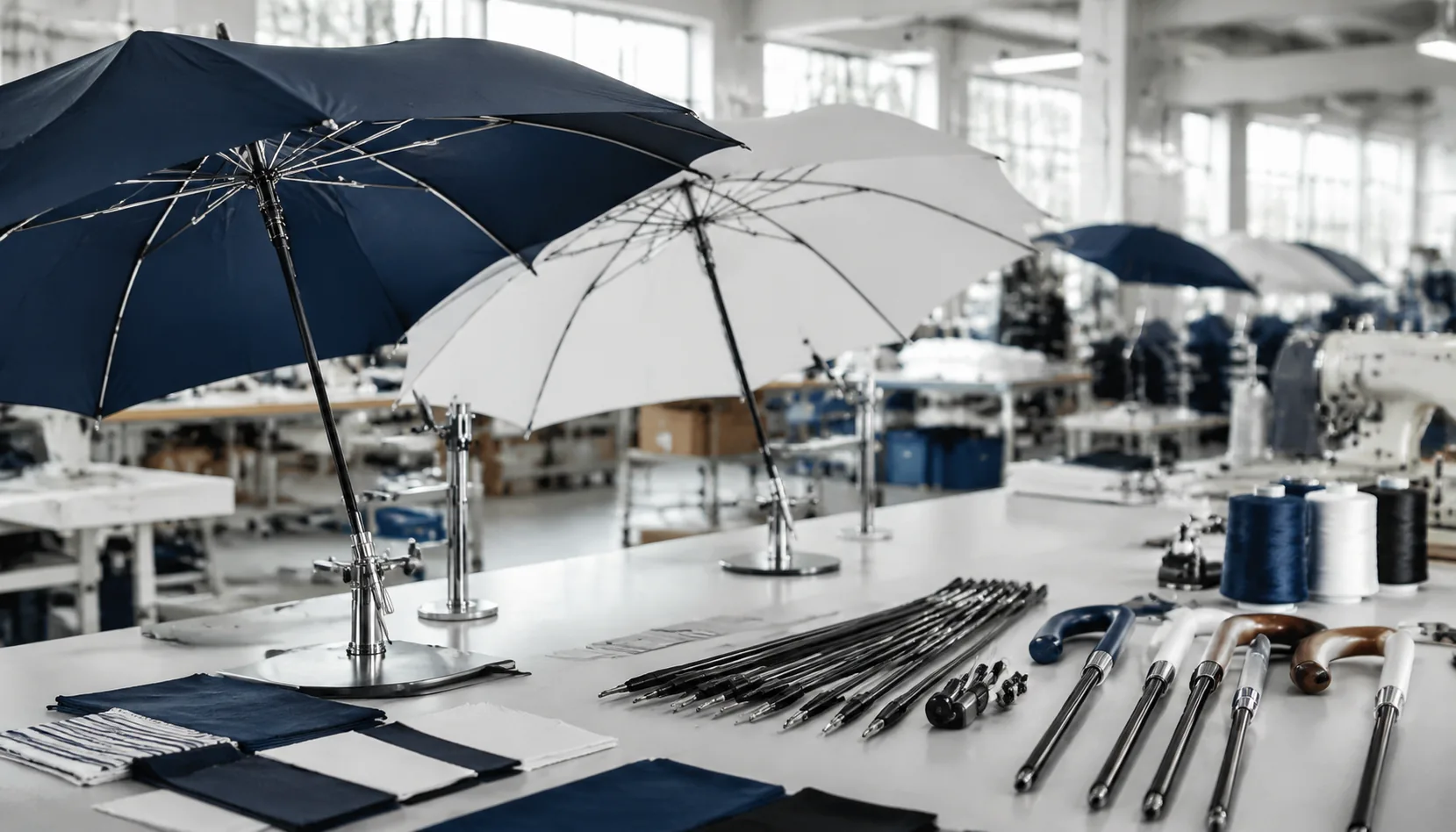
Custom Umbrellas for Cruise Lines and Shore Excursions
Source cruise-ready umbrellas with compact frames, UPF 50+ canopies, corrosion-resistant ribs, and carton plans for cabi...
Read More »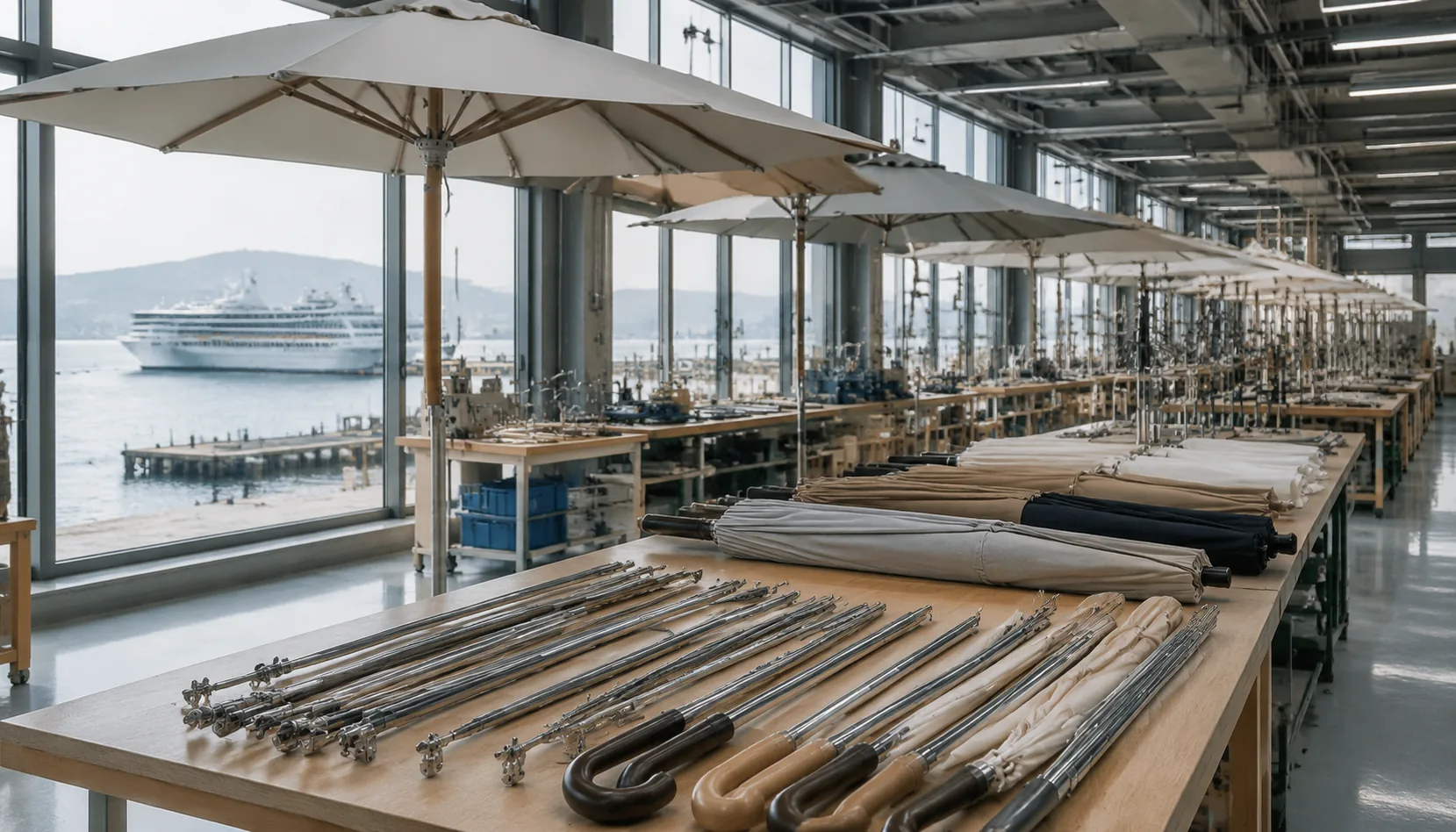
Custom Umbrellas for Cruise Lines and Port Excursions
Source cruise and excursion umbrellas with compact frames, 190T or 210T pongee, UPF 50+ options, port delivery planning,...
Read More »
Branded Umbrellas for Cruise Lines and Shore Excursions
Plan cruise and excursion umbrella programs with the right canopy fabric, windproof frames, QC standards, MOQs, and ship...
Read More »