Custom Umbrellas for Tourism Boards and Destination Marketing
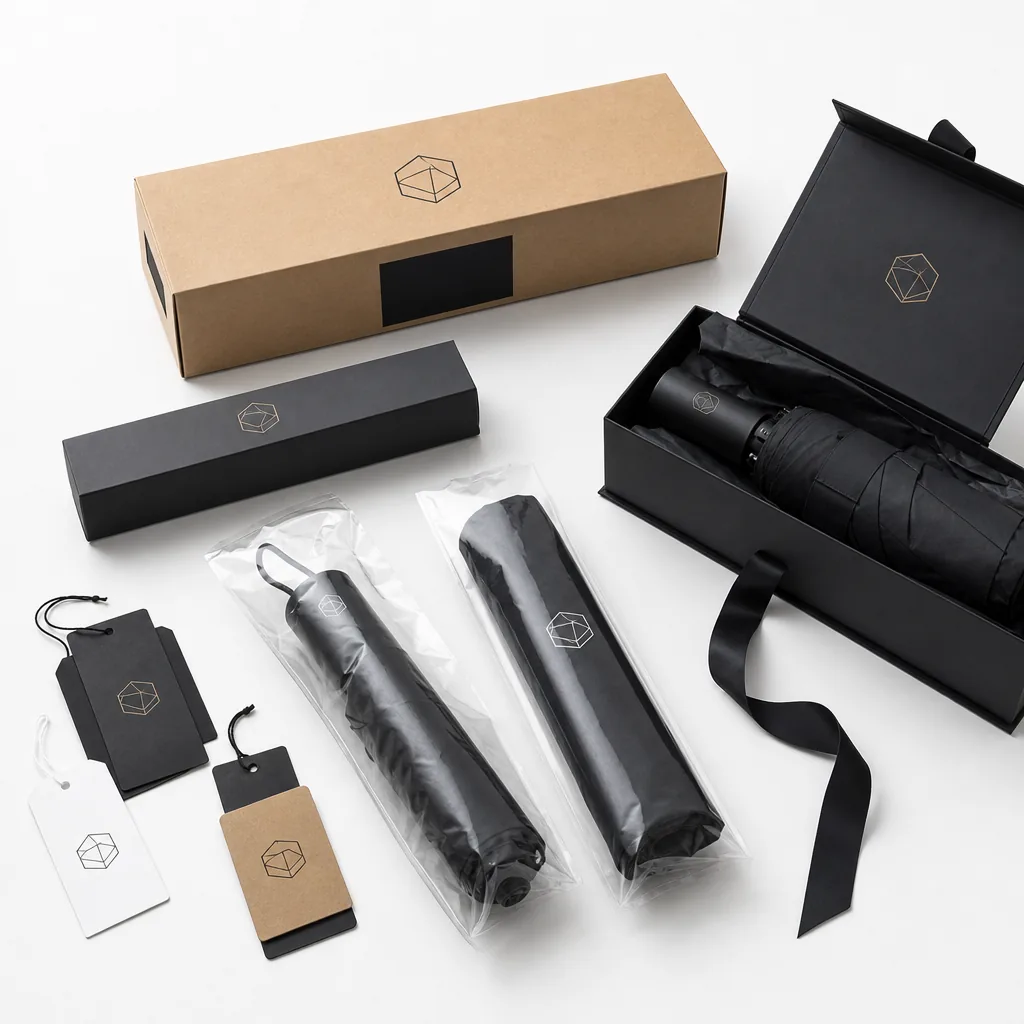
Tourism boards do not buy umbrellas the way retailers do: some units must survive daily loan-out at visitor centers, while others need gift-shop margins, tight color control, and delivery lined up with seasonal demand. On our Songxia factory floor, those requirements change frame gauge, canopy fabric, print method, and pack-out decisions early, which is why tourism board branded umbrellas need to be engineered as an operating program, not treated as a simple logo item.
How Tourism Boards Use Umbrellas Across Visitor Touchpoints
Most destinations end up buying two distinct umbrella programs because the cost drivers and failure modes are not the same. Operational stock covers visitor centers, guided walking tours, city ambassadors, and airport or rail welcome teams, where umbrellas are opened dozens of times per week, handed to guests, and exposed to crosswinds on plazas, waterfronts, and transit approaches. For that use, a 23 inch or 27 inch straight umbrella with 8K fiberglass ribs, a fiberglass shaft, and a vented double canopy is a practical staff spec. It resists 50+ mph gusts better than entry-level steel frames and is easier to keep in service through a full season. Tourism board branded umbrellas used this way do not need premium retail finishing; 190T or 210T pongee with a one-color screen print is usually the better buy because pongee holds canopy tension, dries cleanly, and maintains sharper print edges after repeated packing and redeployment. Buyers also reduce field claims by specifying AQL 2.5 inspection, reinforced runner stitching, and a basic auto-open mechanism with fewer moving parts to fail.
Retail merchandise has a different job: it must sell. Umbrellas intended for visitor center shops, museum stores, festival kiosks, and official e-commerce need stronger design value and a format travelers will carry home. Common souvenir umbrellas wholesale options include a 21 inch compact auto-open-close frame for easy packing, a clear POE dome for garden or heritage destinations, or a 16K frame for a more fashion-led city program. Those destination marketing umbrellas can support full-panel sublimation with maps, skyline art, or seasonal graphics, along with woven labels, hangtags, and retail sleeves that help justify the higher resale price. Standard-frame MOQs typically start around 300 to 500 pieces per design; custom molded handles, matched sleeves, or gift packaging usually push lead times from 25 to 30 days to 35 to 45 days. Press trips, familiarization tours, and official photo calls often sit between operations and resale, so many boards assign one SKU for staff issue, one for VIP or media gifting, and one for branded travel umbrellas sold as merchandise, then ship FOB Ningbo or DDP based on whether procurement runs direct or through a distributor. That separation controls replacement cost on staff stock and protects margin on retail units.
Choosing the Right Models for Lending, Tours, and Retail
For lending programs and walking tours, 8K is still the practical standard because it balances replacement cost, serviceability, and repeat-order consistency. Most tourism offices buying 500 to 3,000 units before peak season can source 8K frames faster and with fewer production variables than 10K or 16K. For portable use, a 21 inch or 23 inch compact branded travel umbrella works best at hotel desks, on coaches, and during guided tours because guests can drop it into a backpack or tote; the usual build is a 3-fold manual or auto-open frame with a 190T or 210T pongee canopy. For visitor center umbrellas that are checked out all day, a 27 inch or 30 inch straight stick model is the lower-risk choice because it has fewer moving joints and typically sees fewer failures at the runner, spring set, and shaft over repeated lending cycles. In coastal or windy destinations, specify fiberglass ribs rather than all-steel ribs: they flex under gusts and usually reduce breakage claims over a season of daily use.
Classic stick umbrellas remain the core format for destination marketing umbrellas because the larger, flatter panels print skyline art, museum logos, and district maps more cleanly and read better in group photos. When a city needs a stronger windproof spec, a vented double-canopy version can be quoted, often around a 50 mph wind rating depending on rib material and frame geometry. For public-use programs, a steel shaft with fiberglass ribs is usually the best cost-durability mix; full fiberglass lowers weight but does not always justify the higher unit price. Quality control matters more than styling on lending stock, so final inspection at AQL 2.5 should check opening force, tip security, print registration, loose caps, scratched handles, and off-grain sewing. If the brief is controlled FOB pricing and straightforward reorders, 8K remains the sensible baseline for both visitor center umbrellas and tour use.
Use 16K on the retail side, where souvenir umbrellas wholesale only works if the product supports a higher shelf price. A 16K frame creates a rounder canopy and denser panel rhythm, which gives tourism board branded umbrellas a more polished gift-shop appearance before any upgrades such as a wood crook handle, UPF 50+ coating, or a Teflon water-repellent finish. That visual lift is the real buying case. It is not automatically a tougher umbrella: more ribs mean more components, tighter sewing tolerances, and more assembly labor, so the added cost should be justified by merchandising and margin rather than by a windproof claim alone. For airport shops, museum stores, and heritage sites, the clearest product ladder is 8K compacts for utility, 8K sticks for lending and tours, and premium 16K styles for higher-margin destination branding and souvenir pricing.
Fabric, UV, and Windproof Specs by Climate
For tourism board branded umbrellas, canopy fabric should be specified from the artwork and price target, not from styling preference. Pongee 190T is the standard commercial grade for 21", 23", and 27" frames because it keeps unit cost down, packs smaller, and prints consistently for 1-color spot logos and simple visitor center umbrellas. It is the practical choice for high-volume rain programs, entry-price retail, and souvenir umbrellas wholesale where the artwork is clean and price sensitivity is high. When the design includes gradients, scenic photography, or full-panel destination graphics, 210T pongee is usually the better buy. Its tighter weave gives a smoother face, better ink holdout for heat-transfer or dye-sublimation printing, and a heavier handfeel that reads more premium at the counter. The budget tradeoff is real: moving from 190T to 210T typically adds a few percentage points to canopy cost, and the increase is easier to justify on dark grounds or all-over prints where tighter color control reduces reject risk.
Climate should set the performance spec early, because UV coating, fabric weight, and frame construction affect both durability and sell-through. In beach, desert, and high-altitude markets, ask for UPF 50+ with a black or silver undercoating so the umbrella works as shade rather than rain cover only. That coating can stiffen drape and shift printed color, so strike-offs are important before approving destination marketing umbrellas with photographic art. For retail-grade branded travel umbrellas, 210T pongee with UV treatment usually gives the strongest balance of print detail and sun protection; for simple rain coverage, 190T with selective spot printing is the lower-risk budget option. In coastal boardwalks, ferry terminals, and mountain viewpoints, use vented double-canopy construction on 23" or 27" frames with fiberglass ribs and a fiberglass or composite shaft, typically in 8K or 10K layouts. Those frames tolerate 50+ mph gusts far better than low-cost all-steel promo frames, while steel ribs remain acceptable for mild urban climates where weight and permanent bending after inversion are less critical. At shipment, locking fabric, coating, and frame into one approved spec and inspecting finished goods to AQL 2.5 reduces avoidable quality risk before FOB or DDP delivery.
Brand Storytelling Through Design and Packaging
For tourism board branded umbrellas, canopy artwork has to be engineered for the frame and fabric, not just approved from a flat mockup. An 8K canopy gives larger panels for skyline illustrations or a landmark spread across two opposing wedges; a 16K canopy supports more rhythmic, repeatable graphics for transit colors or district-by-district storytelling. On 21 inch and 23 inch compact frames in 190T or 210T pongee, seam loss, rib shadowing, and stitch tension will change how artwork reads once sewn, so small text, map labels, and icons should stay 12 to 15 mm away from panel seams. Continuous map graphics need registration planned panel by panel, especially where wraparound routes or waterfront lines cross stitches. When the design includes gradients, multilingual copy, or thin transit-line artwork, sublimation or heat-transfer printing usually holds finer detail than basic screen printing. That print choice affects sell-through: destination marketing umbrellas intended for museum shops, hotel boutiques, or paid retail programs need cleaner definition than low-cost giveaway stock.
Packaging is what turns visitor center umbrellas into retail merchandise instead of back-room inventory. Multilingual hangtags should carry the destination name, landmark callouts, care instructions, opening mechanism, canopy fabric such as 190T or 210T pongee, and a retail barcode in English plus one or two visitor languages tied to actual visitor traffic. A fitted sleeve in matching pongee or a printed paper box with city graphics gives retail partners a giftable format that shelves cleanly with apparel, mugs, and postcards. Sleeve fit should be checked again after production on auto-open-close models, because coating build, strap length, and tip shape can change packed diameter enough to trigger repacking complaints or returns. To lift price position, specify handle materials deliberately: EVA foam for entry-level programs, matte ABS for volume, and bamboo crook or wood-look straight handles for a stronger souvenir presentation. Color-matched edging tape, runner, wrist strap, and tie wrap can align with a city flag or campaign palette, while woven labels add branding without crowding the canopy. For souvenir umbrellas wholesale orders, fiberglass ribs generally outlast all-steel frames in repeat-use retail channels, and AQL 2.5 final inspection helps reduce cosmetic and packing defects before FOB or DDP shipment.
Sourcing Timelines, MOQ, and Import Terms for Seasonal Launches
For seasonal launches, the main sourcing risk is schedule drift, not a few cents of unit cost. A workable starting MOQ for tourism board branded umbrellas is 300 to 500 pieces per design when the build stays standard: 21 inch or 23 inch straight umbrella, 8K frame, stock 190T pongee canopy, and no custom trim. That volume suits a visitor-center pilot because it limits inventory exposure while giving you a real sell-through read on one SKU. Once the brief adds licensed artwork, Pantone-matched canopy panels, molded handle badges, or retail-ready packaging, many factories push the MOQ to 1,000 pieces or more per SKU; print setup, cutting loss, and hand-packing labor stop making sense below that level. For broader destination marketing umbrellas programs, 3,000 to 10,000 pieces across multiple destinations or store groups usually creates enough scale to upgrade the specification to fiberglass ribs, auto-open frames, or 210T pongee with UV coating while keeping landed cost within a retail program range. At that point, treat the order as seasonal merchandise with replenishment risk, not as a low-commitment giveaway buy.
Artwork approval is where most timelines slip. If the design includes city seals, park illustrations, museum marks, or other licensed files, allow 5 to 7 days for digital mockups and prepress revisions, then another 7 to 10 days for a physical sample. That is especially important for sublimation on a white canopy, which is usually the best method for map graphics or full scenic panels but requires cleaner file prep and tighter color approval than a one-color screen print on pongee. After sample signoff, standard bulk production for souvenir umbrellas wholesale is typically 25 to 35 days, extending to 35 to 45 days when the order includes custom handles, woven labels, hangtags, or mixed assortments for multiple visitor shops. Set QC to AQL 2.5 and inspect print registration, stitch consistency, opening force, canopy tension, and carton counts before shipment. FOB Ningbo or Shanghai is the better term when you are consolidating umbrellas with mugs, magnets, apparel, and other souvenirs because it keeps freight timing and container loading under your control. DDP is more practical for direct delivery to tourism offices, regional warehouses, or retail fulfillment sites because duty, customs clearance, and final-mile delivery are priced upfront. In both cases, add a 1 to 2 week buffer beyond ex-factory lead time for vessel space, customs exams, and delivery appointments, especially before summer and holiday peaks.
Frequently Asked Questions
What umbrella style is best for destination gift shops?
A premium compact or a 16K straight umbrella tends to perform well because both are giftable and visually distinctive. The best choice depends on whether the shop prioritizes packability for tourists or a higher-perceived-value souvenir.
Do tourism boards need different umbrellas for operations and resale?
Usually yes. Staff and tour operations often need durable auto-open or windproof models, while retail programs may prioritize artwork, packaging, and premium finishes to support souvenir pricing.
What umbrella types work best for tourism boards that need both visitor-use stock and retail merchandise?
Most programs split into two SKUs: a durable straight umbrella for visitor assistance or venue operations, and a compact folding umbrella for gift shop retail. A common opening order is 500-1,000 units per SKU so the tourism board can test usage rates and souvenir sell-through separately.
How should a destination plan umbrella assortments for different weather regions and peak seasons?
Coastal and windy destinations usually specify vented canopies, fiberglass ribs, and quick-dry pongee, while urban visitor centers often prioritize lightweight folding models for resale. For peak-season launches, buyers typically lock artwork 45-60 days before ship date to leave enough time for sampling, production, and export booking.
Can souvenir umbrella programs include retail packaging and multilingual labeling for international visitors?
Yes. OEM orders can include swing tags, barcode stickers, polybag or sleeve packing, and multilingual care labels for gift shop compliance. These add-ons are usually confirmed at sampling stage, and carton pack details should be finalized before mass production to avoid relabeling delays.
Looking to Launch Your Custom Umbrella Line?
ZheBrella is a Zhejiang-based OEM/ODM umbrella manufacturer with 17 years of export experience. Free design, low MOQ from 100 pieces, windproof construction, full-color print.
Get Free Quote Now »People Also Search For
Related Articles
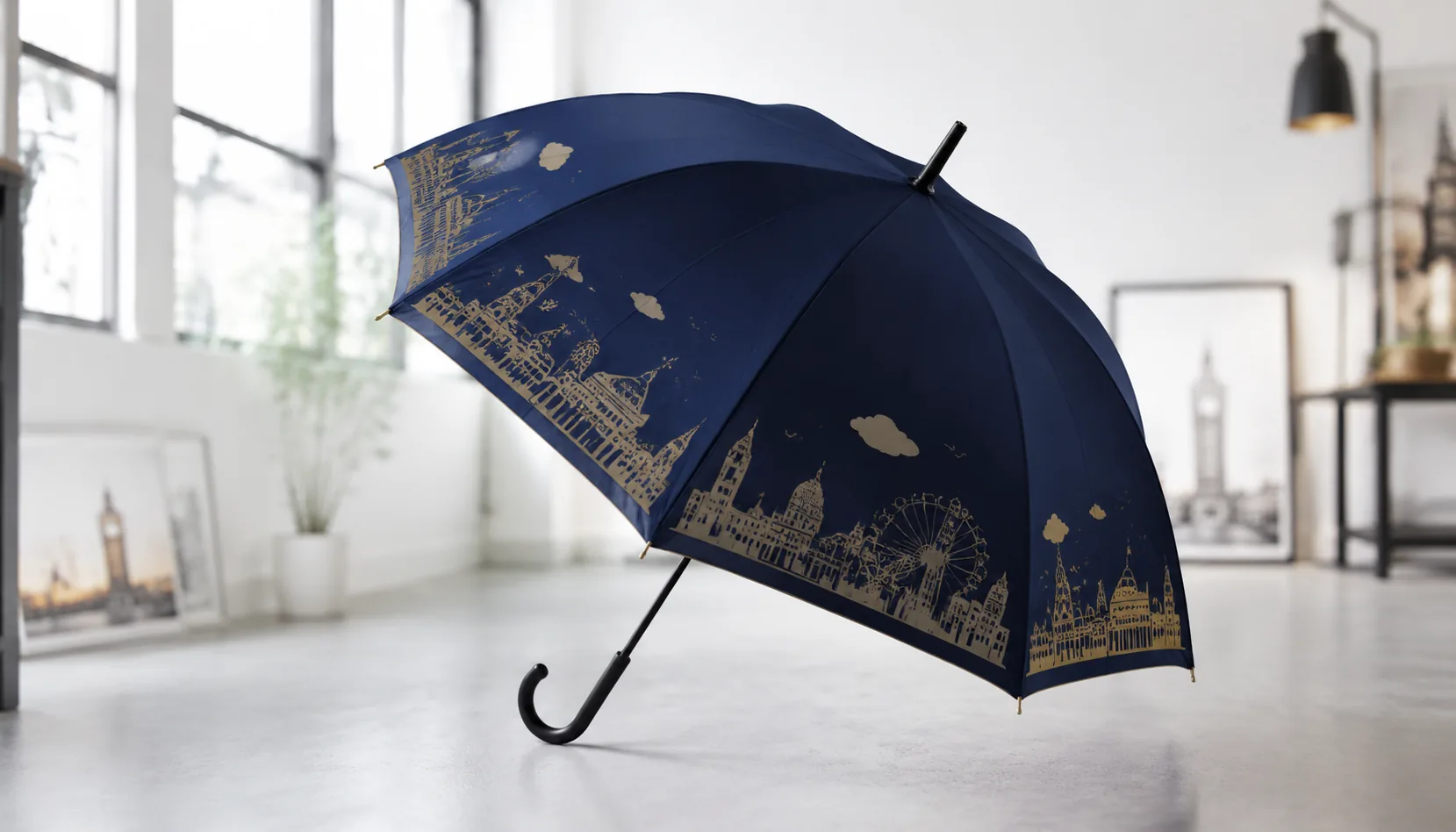
Branded Umbrellas for City Tours and Walking Guides
Source umbrellas for walking tours with guide visibility, guest comfort, UPF 50+ fabric, windproof frames, logo printing...
Read More »
Custom Umbrellas for Retail Mall Operations and Tenant Programs
Build umbrella programs for malls, valet teams, and tenant campaigns with durable specs, practical SKU tiers, QC control...
Read More »Umbrella Programs for Tourism Operators and Sightseeing Brands
Learn how tourism brands use branded umbrellas for guest comfort, wayfinding, and retail sales with durable specs, MOQ, ...
Read More »