Embossed Handle Logos on Umbrellas: OEM Options and Limits
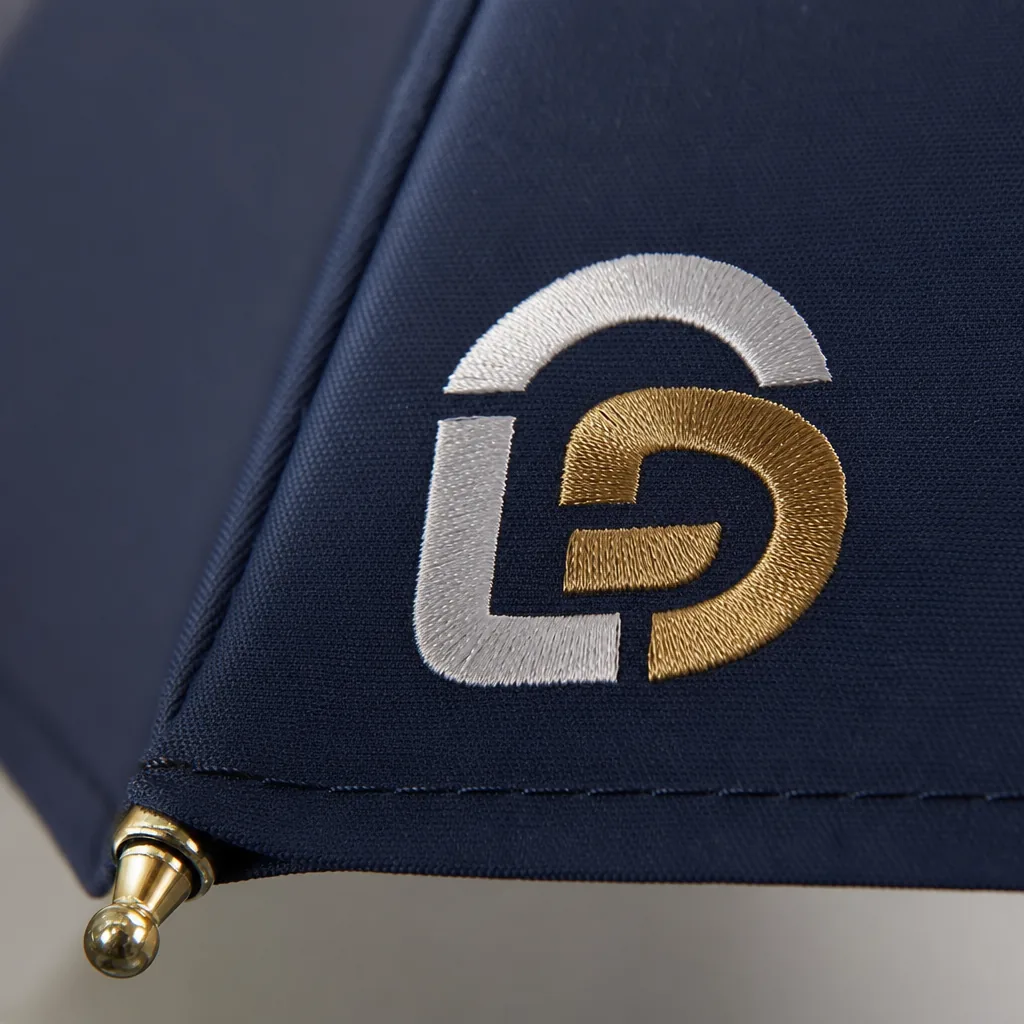
When a buyer asks for an embossed umbrella handle logo, the real challenge is not the artwork but whether the handle material, mold design, and production volume can support it without slowing the line or raising scrap. In factory practice, we see the decision hinge on resin type, tooling cost, minimum order quantity, and how cleanly the logo holds up after injection, polishing, and assembly. Understanding those limits early prevents expensive revisions and protects both lead time and brand consistency.
Which Handle Materials Support Embossed or Molded Logos
The handle material determines whether an embossed umbrella handle logo is realistic, not the artwork alone. EVA foam-skin handles are the most forgiving for shallow embossing or debossing because the surface compresses cleanly when the logo uses broad strokes and controlled draft angles. For EVA, a raised or recessed mark can work, but fine serif text, hairline strokes, and deep relief are risky because the foam can distort and the edges can blur with wear. ABS plastic behaves differently: it holds crisp geometry and is better suited to a molded logo umbrella handle formed directly in the cavity or sleeve during tooling. For private label umbrella handles, that is usually the cleanest and most repeatable method when the buyer needs consistent placement, depth, and alignment across a 5,000- or 20,000-piece run.
Rubber-coated handles can support debossed handle branding only when the outer layer is thick enough to hold the impression without tearing. Thin PU or soft-touch coatings are poor candidates for deep embossing because the skin can split at the edges after storage heat, friction, and repeated use. In those cases, a shallow deboss, a molded insert panel, or pad print on a flat area is the safer OEM option. Wood handles are the least suitable for an embossed umbrella handle logo because grain movement, sanding variation, and finish build make consistent relief difficult. On wood, a laser mark, hot stamp, or small metal badge on a flat milled area usually gives a cleaner result than pressing the brand into the grain. If the goal is a premium finish, a brass or aluminum badge is often more durable than relief branding.
The sourcing rule is simple: if the handle is molded, put the logo into the mold; if the handle is finished afterward, add the branding afterward. EVA and ABS can both support molded branding, but wood and many coated handles usually perform better with pad printing, laser marking, or a metal plate. The practical limits are wall thickness, draft angle, logo depth, and stroke width, all of which affect whether the part releases cleanly or flashes around the letters. Keep text strokes above about 2 mm on textured or soft surfaces and avoid deep relief on thin skins. When the spec is tight, a shallow deboss or a metal badge is usually safer than forcing detail that will not survive use or shipping.
Tooling, MOQ, and Unit Cost Drivers
Tooling drives the first meaningful cost jump for an embossed umbrella handle logo because the mark is built into the mold, not applied later. If the factory already has a stock handle, a replaceable insert is usually the cheapest path; if not, a new molded logo umbrella handle can require a one-time mold or cavity insert charge plus higher unit cost for material, wall thickness, logo depth, and handle diameter. Raised logos are harder to hold cleanly than debossed handle branding on PP, ABS, or EVA, since thin walls can show sink, flash, or blurred edges. For private label umbrella handles, the factory also has to confirm ferrule fit, grip profile, and surface finish, so a full new cavity costs more than a logo insert. Commercial thresholds are usually clear: stock handles often run about 1,000–3,000 pieces per color or version, while custom handles commonly move to 5,000–10,000 pieces to justify tooling and setup.
Promotional and retail programs split on MOQ, inspection, and unit cost. A promotional EVA handle logo can be done at lower cost because EVA accepts molded branding, pad print, or heat-bonded decoration without a full hard-tool investment, but it will not keep fine lettering as sharply as ABS or PP. Retail programs usually need tighter color control, carton labeling, and traceability, which adds labor before the handle cost is counted. The same embossed umbrella handle logo can stay economical on a 21" giveaway umbrella with a stock handle and looser cosmetic acceptance, but the price rises on a 23" or 27" retail model with an ergonomic grip, soft-touch coating, or two-color overmolding. For inspection, promotional orders often accept AQL 4.0 on appearance, while retail buyers usually specify AQL 2.5 for scratches, off-center lettering, and flash, because shelf presentation and return risk matter more than the base piece price.
How Handle Branding Affects Production Timing
Handle branding adds a separate tooling cycle, so an embossed umbrella handle logo is not a simple print change. A molded logo umbrella handle usually needs a new handle mold or a re-cut cavity with the right logo depth, draft angle, and surface finish. The same is true for debossed handle branding: the toolmaker has to confirm that EVA, PP, or rubber fills cleanly, the edges release without flash, and the logo stays readable after trimming and assembly. For private label umbrella handles, the normal sequence is CAD signoff, steel mold cutting, first article samples, then one or two revision rounds before production approval. That front-end work adds cost and time, but it reduces the risk of soft logos, sink marks, or ejection defects that can hold the order.
Canopy production usually moves faster than handle development. A standard 21" or 23" umbrella with 190T or 210T pongee can often move from fabric arrival to cut-and-sew in 10 to 14 days, while new handle tooling commonly adds 12 to 25 days before bulk production can start. That makes the embossed umbrella handle logo the critical path when the canopy is already approved but the handle is still under sample review. If the handle uses EVA with paint fill, overmolding, or an insert piece, expect 2 to 3 extra days for each sample round because the factory must verify color match, logo edge sharpness, and hand feel on physical parts. Buyers should treat handle approval as a gate, not a finishing step.
For a first OEM order, a realistic total lead time is often 30 to 45 days for a straightforward embossed or debossed handle branding job, and 45 to 60 days when the handle needs new tooling, special coloring, or matched packaging. Once the mold is stable and the sample file is closed, repeat orders move faster, but the first run still depends more on handle signoff than on the canopy line. Specs such as fiberglass ribs, UPF 50+ fabric, or a Teflon coating add sourcing time, but they usually do not affect the schedule as much as a custom handle. To keep production on track, approve the handle sample first, lock the logo artwork early, and plan the mold lead time as a fixed gate before mass production begins.
Quality Risks Buyers Should Check Before Approval
Alignment on a curved grip is one of the first checks buyers should put on a molded logo umbrella handle, because a logo can be technically centered and still look wrong in hand. For an embossed umbrella handle logo or debossed handle branding, the logo centerline should match the handle seam, push-button axis, or canopy panel direction exactly as approved on the golden sample. On an EVA handle logo, even a 5–10 degree rotation is visible. Buyers should also verify logo depth consistency across the sample lot, edge sharpness at the letter shoulders, and whether the mark stays readable after trimming and post-mold cooling. If the logo is paint-filled, add an adhesion check with tape pull on at least one handle per carton, plus a visual check for bleed, skipping, or gloss mismatch between cavities.
For release under AQL 2.5, inspect finished umbrellas, not loose handles, and sample from multiple cartons so the check covers assembly, packing, and transit damage. Open and close each unit, then confirm the logo faces the agreed presentation direction when the canopy is strapped, with no tilt, twist, or offset caused by the curved grip. Carton-level inspection should include inner polybag abrasion, handle-to-handle rub marks, and mixed versions packed into the same SKU, which is a common risk in private label umbrella handles. Record defects by category—shallow logo, fuzzy edge, paint loss, wrong position, wrong color, contamination, and mixed packing—so the supplier can correct tooling, molding pressure, or packing before FOB or DDP shipment, not after export.
Before shipment approval, compare the production lot against the signed sample under the same lighting and hand angle used for customer photos. This matters because curved handles can make a centered mark look off-center even when the mold is within tolerance. A practical QC sheet should require three checkpoints: visual alignment, logo depth measurement, and carton packing review. If the factory cannot hold consistent depth or edge sharpness across the run, the likely causes are cavity wear, demolding pressure, or paint-fill control, not random bad pieces. A carton-level pass/fail record at AQL 2.5 gives both sides a clear release standard and lowers the risk of sorting defects after arrival.
Best-Fit Use Cases for Promotional and Retail Orders
An embossed umbrella handle logo makes the most sense when the grip is part of the product story, not just a place to add decoration. For low-cost giveaways, canopy printing usually delivers better value: screen print or heat-transfer on 190T or 210T pongee is faster to set up, avoids handle tooling, and keeps unit cost lower on 21" or 23" folding umbrellas. That is why promo buyers often choose printed panels when the order is short-run, price-sensitive, or aimed at broad logo visibility rather than tactile branding. By contrast, a molded logo umbrella handle or debossed handle branding fits licensed retail and higher-end corporate gifts, where the umbrella needs to look cleaner on shelf and still carry the brand when folded. In those cases, the molded detail on the grip reads as part of the product, not an afterthought. An EVA handle logo or other soft-grip treatment can also work well when the buyer wants a more premium hand feel without relying on a large canopy graphic.
The economics change with tooling and volume. A private label umbrella handles program usually needs an upfront mold charge, so an embossed umbrella handle logo rarely makes sense for a one-off 3,000-piece promo run unless the client has a strict presentation requirement. The investment becomes easier to justify at 10,000 pieces and above, or whenever the same SKU will be repeated across seasons, channels, or licensed collections. At that level, the tooling is spread over more units and the per-piece premium falls enough to compete with more common decoration methods. The main constraint is handle construction: thin walls, soft detail lines, or weak draft angles can blur the logo or create release problems during molding. Buyers should also match the handle style to the frame and use case; 23" and 27" auto-open umbrellas work well for corporate gifting, while 30" straight umbrellas can support a larger grip shape if the detail is clean. For single-run giveaways, canopy print wins on speed and cost; for repeat retail, gifting, and private-label programs, handle branding usually gives better retention and a more durable brand impression.
For premium corporate gifting, the embossed treatment is strongest when the umbrella is part of a curated kit and the brand wants a less promotional look. A large canopy print gives maximum visible area, but it disappears when the umbrella is folded and can look busy on retail-oriented styles. Handle branding stays visible in hand, which matters for executive gifts, member rewards, and launch kits where the buyer wants the logo present without turning the product into an ad piece. It also reduces risk in licensed retail, where artwork approvals are often stricter and a clean molded logo umbrella handle can be easier to place than multi-panel graphics. The right choice is usually not either/or: canopy printing handles broad exposure, while embossing on the grip supports perceived quality and repeat brand recall. When the order is recurring, the mold cost can be treated as a long-term asset rather than a one-time decoration charge, which is why higher-repeat volumes are where embossed handle branding earns its keep.
Frequently Asked Questions
Can I add an embossed logo to a stock umbrella handle without opening a new mold?
Usually no for true embossing or debossing, because the logo must be built into the handle surface or mold insert. For lower MOQs, pad printing or a small badge on a stock handle is often more practical.
What MOQ is typical for a fully custom molded logo handle?
MOQ depends on handle material and mold complexity, but custom handles are commonly higher than stock-frame umbrella MOQs. Buyers should expect separate tooling approval and a longer development cycle before bulk production.
What handle materials work best for embossed or debossed logos?
Soft-touch EVA, TPR, and rubberized handles usually give the cleanest embossed or debossed result. Hard plastic handles can be branded too, but the logo depth is more limited and the finish is less tactile.
Do molded umbrella handle logos require new tooling?
Yes. A molded logo typically needs a custom handle mold or mold insert, which adds upfront tooling cost. Tooling lead time is usually about 2-4 weeks before production can start.
What MOQ is typical for private label umbrella handles with logo branding?
For simple embossing or debossing on an existing handle shape, MOQ is often lower, around 500-1,000 pieces per style. For fully molded logo handles, many factories require 3,000-5,000 pieces to justify the tooling setup.
Looking to Launch Your Custom Umbrella Line?
ZheBrella is a Zhejiang-based OEM/ODM umbrella manufacturer with 17 years of export experience. Free design, low MOQ from 100 pieces, windproof construction, full-color print.
Get Free Quote Now »People Also Search For
Related Articles
Embossed, Debossed, and Molded Logo Options for Umbrellas
Compare embossed, debossed, and molded logo options on handles, buttons, and tips, with MOQ, tooling, lead time, and bra...
Read More »Embossed, Debossed, and Molded Logos on Umbrella Parts
Compare embossed, debossed, and molded logo options on umbrella handles, buttons, and tips with MOQ, tooling, lead time,...
Read More »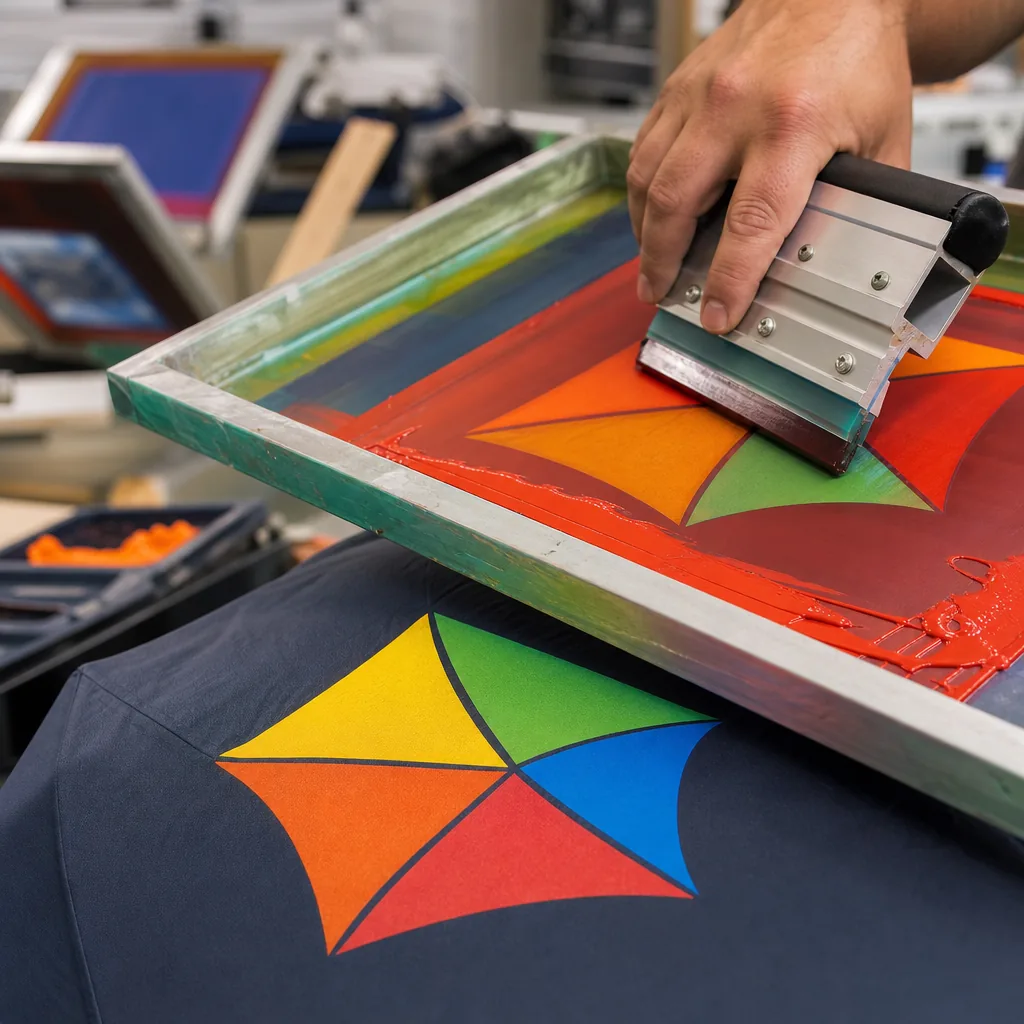
Debossed, Printed, or Molded Logos on Umbrella Handles
Evaluate handle logo options by material, tooling cost, MOQ, and durability to build branded umbrellas that look consist...
Read More »