Debossed, Printed, or Molded Logos on Umbrella Handles
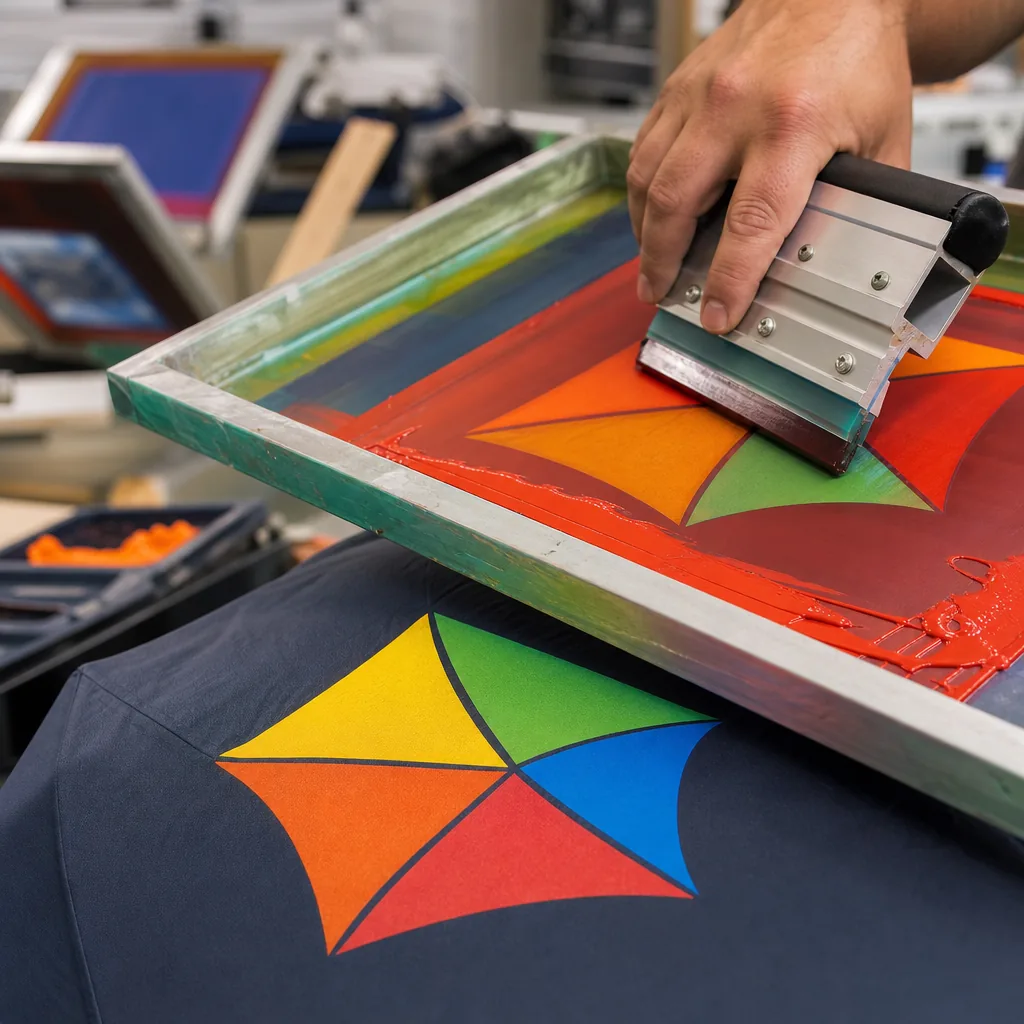
Choosing between debossed, printed, and molded marks on custom logo umbrella handles is usually where branding intent meets material limits, tooling cost, and MOQ reality. On the factory floor, logo results change with handle resin, grain, paint adhesion, mold venting, and how the part runs in bulk, so a sample that looks sharp at approval can drift fast if the process is not matched to the handle design.
Where Handle Branding Fits in the Overall Product Brief
Handle branding matters when the canopy is not selling the product. In a hotel lobby stand, on a retail peg, or during transit with the strap wrapped, the handle is often the only branded component a buyer can see and touch. That is where custom logo umbrella handles add value: they improve closed-umbrella visibility, strengthen tactile recall, and make a folded umbrella look finished at retail. A debossed mark on a matte ABS straight handle or an EVA grip creates repeated physical contact every time the user picks it up, which works differently from a logo printed on 190T or 210T pongee. This matters most on 21 in. and 23 in. folding umbrellas, which spend most of the day closed, and on 27 in. golf umbrellas stored in cars, clubhouses, and reception areas. For the buyer, the takeaway is straightforward: handle branding is a practical secondary identifier that supports the main canopy graphic; it should not replace the primary logo exposure delivered by the full 8-panel canopy.
The constraint is surface area and process. A handle gives you far less usable branding space than the canopy, and molded logo umbrella grips carry tooling limits, tighter detail tolerances, and fewer color options than screen print, heat transfer, or sublimation on fabric. That is why canopy decoration still handles long-distance exposure at events and on the street, while the handle reinforces brand recognition at close range. Process choice should follow the product brief. Printed umbrella handle branding suits simple 1-color artwork on ABS or PP parts. Debossed umbrella handles fit understated retail programs and avoid print wear on high-contact areas. A molded-in logo usually makes sense only when the project already requires new tooling for an OEM umbrella handle logo, because that added tooling step can extend lead time by 10 to 18 days before a standard 30 to 35 day production run. Finalize handle artwork only after the frame type, opening system, and packing method are locked: auto-open-close folders, manual stick umbrellas, vented frames, and sleeve packing all change grip geometry, logo orientation, and what remains visible under FOB or DDP shipment-ready packing.
Which Branding Methods Work on Different Handle Materials
Handle material usually decides the branding method before artwork does. For custom logo umbrella handles in PP or ABS, pad printing is usually the lowest-cost option for 1-color or 2-color logos on straight J handles, crook handles, and bottle-style travel umbrellas. On a smooth molded surface, pad print can hold about 0.25 mm line weight, but curved grip geometry still distorts small copy. Buyers should rule out QR codes, thin reversed type, and micro legal text unless the logo area is flat and large enough to proof clearly on the actual handle, not a 2D drawing. Laser marking can work on painted or coated plastic handles, including some wood-look finishes, but contrast depends on the resin and coating stack. Black-on-black parts often produce weak marks unless the coating was specified for laser response from the start. EVA and rubberized grips can also be pad printed, but wear is the main risk: sweat, skin oil, and abrasion remove surface ink much faster than on hard plastic, so printed umbrella handle branding is a short-life choice for daily commuter umbrellas or high-touch promotional runs.
For EVA foam, TPR, and some faux-wood overmolds, debossed umbrella handles usually outperform print because the logo is pressed into the surface instead of sitting on top of it. The gain is wear resistance; the loss is detail. Strokes under about 0.4-0.5 mm, fine serifs, and dense text often close up during compression, especially when foam rebounds after tooling, so heavier artwork is the safer approval standard. Molded logo umbrella grips are more durable again for repeat OEM programs because the mark is cut into the injection mold or overmold cavity. Once the tool is approved, repeatability is high, but the commercial tradeoff is real: a dedicated mold insert needs MOQ support, and any logo revision means steel rework rather than a new print plate, so molded branding rarely makes sense for a one-off 500-piece order. On real wood or wood-veneer handles, laser marking is usually the cleanest permanent option because it gives sharper edges than ink and does not wear off in use, but power settings must be controlled to avoid a scorched halo. For OEM umbrella handle logo approval, confirm resin, surface finish, and expected use cycle before sampling, then inspect logo position and legibility to AQL 2.5 after packing, since carton rub and humidity often expose weak branding that looked acceptable at bench stage.
Tooling, MOQ, and Unit Cost Tradeoffs
For a first order, printed umbrella handle branding is usually the lowest-risk route for custom logo umbrella handles because it avoids steel tooling and keeps MOQ workable. On existing ODM handle bases in ABS, PP, or rubber-coated EVA, most factories can pad print at 500-1,000 pcs per colorway, with a one-time setup plus a unit adder of about $0.03-$0.12 depending on logo size, ink count, and whether the curved surface needs a dedicated jig. Sampling is also faster: a pre-production logo sample typically costs $30-$80 and takes 5-7 days after artwork approval. That makes print the practical choice for campaign tests, new-market launches, or buyers splitting volume across several colorways. The limitation is durability. On high-turn 21 inch and 23 inch folding umbrellas, especially auto-open-close models, printed marks sit on the surface and will wear faster under hand oil, sunscreen, and carton friction than debossed umbrella handles or molded logo details.
Debossed umbrella handles are the middle option when the buyer needs better wear performance without funding a full new mold. If the factory already has an ODM handle shape that matches the frame, the logo can often be added by engraving an insert or modifying an existing cavity instead of cutting fresh tooling. Typical one-time tooling runs $80-$250, sample charges land around $50-$120, and MOQ is usually 1,000-3,000 pcs depending on ABS, TPR overmold, wood, or EVA foam. Deboss also removes the ink-adhesion variable on matte or soft-touch grips, which can reduce cosmetic rejects at AQL 2.5. For repeat programs, molded logo umbrella grips make sense once volume can absorb the tool: a dedicated OEM umbrella handle logo mold usually costs $600-$2,500 for a simple plastic handle, with higher cost for two-shot parts, metal inserts, or custom auto-open-close button housings.
The cost logic is straightforward. A $1,200 mold adds about $0.24 per unit at 5,000 pcs, but only $0.06 at 20,000 pcs, so OEM only starts to outperform ODM when the program is stable enough to spread tooling across repeat orders. That is the real tradeoff between OEM and ODM bases: ODM keeps upfront cash, sampling risk, and lead time lower, while OEM gives better brand control and a cleaner molded result at scale. In practice, ODM handles with a printed or debossed logo insert are the safer fit for shorter runs and 10-15 day sampling, while full OEM custom logo umbrella handles are easier to justify for private-label programs, repeat annual buys above about 5,000 pcs, and buyers who can accept 35-45 day production lead times plus the initial tooling charge.
How Umbrella Construction Affects Handle Branding Choices
Umbrella construction sets the branding method before artwork, because handle geometry and stress loads vary sharply by frame type. Straight umbrellas in 23", 27", and 30" sizes give buyers the widest range for custom logo umbrella handles: the longer shaft, larger handle core, and lower point stress make debossed umbrella handles viable on EVA foam, PU-wrapped crook handles, and selected ABS or PP molds. That holds across manual and auto-open straight frames, including 8K and 16K rib layouts, where the grip area is less interrupted by internal hardware. Compact folding umbrellas are less forgiving. On 21" and 23" auto-open-close models, the push-button module, spring tube, and wrist-strap anchor take up much of the usable surface, so printed umbrella handle branding usually holds small artwork more cleanly than a shallow deboss. Molded logo umbrella grips still work on folding models, but only when order volume is high enough to absorb dedicated tooling and sampling cost.
The frame spec often decides whether a premium handle treatment is commercially sensible. A steel-shaft, steel-rib compact built to hit a low FOB target usually leaves room only for pad printing or simple one-color silk printing on stock ABS handles; the mechanism, frame, and packing already consume most of the unit cost. Shift to fiberglass ribs, aluminum shafts, or a double-canopy windproof build rated above 50 mph, and the umbrella moves into a higher price tier where an OEM umbrella handle logo can justify insert molds, overmolded TPR badges, or deeper deboss work. Mechanism durability matters as much as cost: auto-open, and especially auto-open-close, drives repeated impact into the shaft and handle cap, so fine printed edges near the button wear faster after thousands of cycles. For stable programs of 1,000 to 3,000 pieces per colorway, molded or debossed treatments are workable even with an extra 7 to 12 days for tooling approval and pre-production samples. Below that volume, printed logos on stock handles usually keep lead time near 25 to 35 days and lower rework risk if the finished umbrellas fail AQL 2.5 on canopy stitching, ferrule fit, or handle alignment.
Quality Approval and Shipping Terms for Branded Handles
For custom logo umbrella handles, sample approval should freeze three variables before mass production: color, logo geometry, and wear resistance. A Pantone callout alone is unreliable on ABS, PP, TPR, or wood-grain coatings because resin lot, mold temperature, and surface texture can shift the finished shade. Approve a physical color chip or sprayed master sample under daylight and cool white light, and archive it with the golden sample for bulk comparison. For debossed umbrella handles, approve a depth reference on the actual handle, not only vector artwork. On rigid ABS, a deboss depth of about 0.25-0.40 mm usually stays clean and readable; on softer EVA overmolds, a broader, shallower cavity often holds definition better after compression or paint fill. For printed umbrella handle branding, confirm logo position, edge sharpness, metallic ink effect, and registration on the molded part itself. A pre-production sample is the control point that matters, because tooling steel, shrinkage, and grain texture determine how an OEM umbrella handle logo reads in the hand.
Abrasion checks are where branded-handle programs either get approved correctly or fail in the field. Test dry rub, wet rub, and tape adhesion anywhere ink, paint, or fill is applied, then inspect the thumb-contact zone, where sweat, hand sanitizer, and sunscreen usually break finishes down first. For molded logo umbrella grips, the logo is typically permanent, so inspection shifts to molding quality: flash lines, sink marks, uneven gloss around inserts, loose end caps, exposed glue, and handle orientation that does not align with canopy print. Use AQL 2.5 at final inspection; wrong logo, wrong color, cracked lacquer, sharp parting lines, and illegible branding should be treated as major defects, while light scuffs outside normal viewing distance can remain minor. Standard timing is 7-10 days for samples and 25-35 days for bulk production on stock handles. New molded custom handle components usually add 12-20 days for tooling and another 3-5 days for revised samples. FOB is usually the safer term when custom handle components are involved because tooling cost, spare parts, and carton consolidation stay visible; choose DDP only when one supplier controls the full umbrella order and landed-cost simplicity matters more than customs-line transparency.
Frequently Asked Questions
When is a molded handle logo worth the tooling cost?
A molded logo usually makes sense when the program is recurring and volume is high enough to spread tooling cost across multiple orders. It is commonly chosen for private-label or long-term corporate umbrella programs.
Are printed logos on handles durable enough for promotional use?
They can be, especially for short- to medium-term promotional use, but durability depends on handle material and ink adhesion. Buyers should request abrasion testing or real-use samples before approving bulk production.
Which handle materials are best for debossed, printed, or molded logos?
PP and ABS handles are usually the best fit for molded-in logos because they can use dedicated tooling inserts and hold detail well. EVA and rubberized grips are often better for pad printing or simple debossing, while wooden handles typically use laser marking or surface printing instead of molded branding.
What cost difference should a buyer expect between printed and molded handle logos?
Printed logos usually avoid new mold charges and are more suitable for lower MOQs starting around 500-1,000 pieces per style. Molded logos often require a new insert or modified handle mold, with tooling commonly adding a one-time cost and making more sense at 2,000-5,000 pieces or above.
How can buyers keep handle logo appearance consistent from approval sample to bulk production?
Approve the exact handle material, Pantone reference, logo size, and decoration position on a pre-production sample before mass production. For bulk orders, ask for a signed sample or golden sample and confirm acceptable tolerances for print location, depth of debossing, and color variation across production lots.
Looking to Launch Your Custom Umbrella Line?
ZheBrella is a Zhejiang-based OEM/ODM umbrella manufacturer with 17 years of export experience. Free design, low MOQ from 100 pieces, windproof construction, full-color print.
Get Free Quote Now »People Also Search For
Related Articles
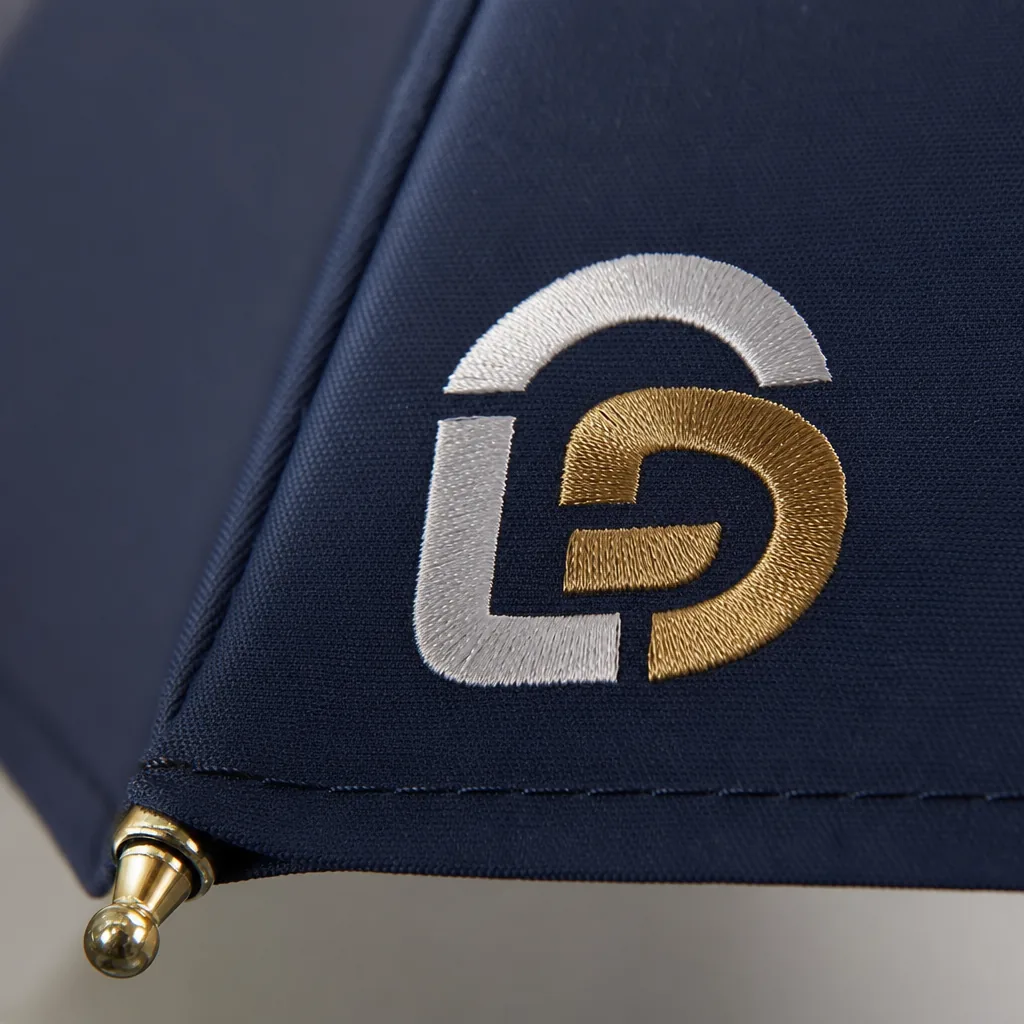
Embossed Handle Logos on Umbrellas: OEM Options and Limits
Compare embossed, debossed, and molded handle logo options by material, MOQ, tooling, and lead time to choose a workable...
Read More »Debossed, Engraved, or Printed Logos on Umbrella Handles
Compare debossing, engraving, and pad printing on umbrella handles by material, MOQ, cost, and durability for stronger b...
Read More »
Debossed, Molded, or Printed Umbrella Handles for Brand IDs
Compare debossed, molded, and printed handle branding for umbrellas, with MOQ, tooling, lead time, and durability tradeo...
Read More »