Fiberglass vs Steel Umbrella Frames: OEM Buyer Spec Guide
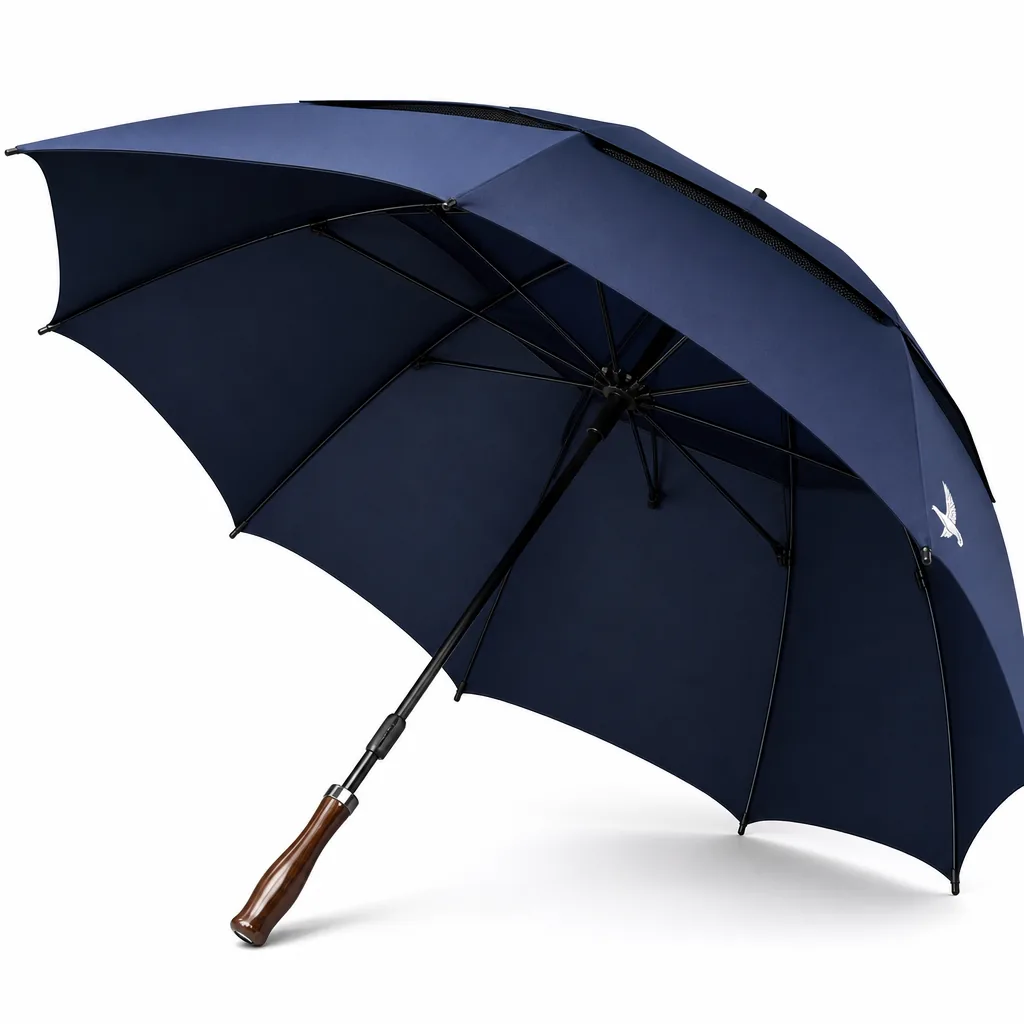
OEM buyers choosing between fiberglass and steel frame builds usually are not comparing materials in the abstract; they are balancing wind performance, weight, opening feel, yield loss, and landed cost against a specific retail or promotional program. At the factory floor, the real question is where each part fails first, whether the ferrule, runner, or rib joint can survive repeated flexing, and whether a fiberglass umbrella frame is worth the extra material cost for the target MOQ. The right spec depends on rib count, coating, and assembly tolerances, not just the headline material.
Frame Material Tradeoffs for Buyers
For buyers comparing a fiberglass umbrella frame against a steel umbrella frame, the first real advantage is flex behavior. Fiberglass rebounds under gust load instead of staying bent, so it is a better fit for city rain umbrellas that get carried on trains, stuffed in bags, and opened in cramped sidewalks. That matters on 8K ribs because the frame has enough structure for daily use without turning brittle at stress points. Steel is still the cheaper path when the design is simple and volume is high, especially for low-cost promotional programs where breakage tolerance is acceptable and the canopy size stays modest. In a factory setting, the decision usually comes down to whether the umbrella needs to survive repeated wind flexing or just meet a price point.
Corrosion resistance is where fiberglass clearly beats steel for coastal programs, beach markets, and rainy climates with salt exposure. A steel umbrella frame can be made durable, but once the plating or paint is damaged at the joints, rust starts at the ferrules, rivets, and runner contact points. Fiberglass does not eliminate every failure mode, but it removes the corrosion problem from the equation and usually lasts longer in wet storage. For a windproof umbrella supplier, this is why vented golf umbrellas and storm models often move to fiberglass stay rods or full fiberglass composite ribs, especially in 16K ribs constructions where the canopy is large and the load path matters more than raw material cost.
Steel still wins when stiffness per dollar is the main target. A straight steel umbrella frame feels firmer in the hand and can be easier to source at aggressive MOQs, which is why many 21 inch and 23 inch compact umbrellas still use it for retail and promotional orders. The tradeoff is weight, corrosion risk, and a higher chance of permanent deformation after a strong gust. For golf umbrellas and larger 27 inch or 30 inch spans, fiberglass usually gives better value because the frame can flex without collapsing, especially on double-canopy windproof builds. Our standard practice is to match the material to the use case: steel for budget city rain programs, fiberglass for coastal and wind-exposed markets, and mixed constructions when the buyer wants a controlled balance of cost, stiffness, and durability.
Rib Count and Section Design
Rib count changes how the frame carries load, not just how it looks on a spec sheet. An 8K ribs layout usually means fewer, more heavily loaded ribs, so each rib has to do more work when wind pushes the canopy. That can be fine on a compact stick umbrella or a basic manual model, but on a larger canopy it concentrates stress at the stretcher joints and runner. A 16K ribs structure spreads the same force across more points, so the canopy holds its shape better and the panel between ribs does not balloon as much in gusts. For an OEM buyer comparing a fiberglass umbrella frame against a steel umbrella frame, the practical question is not “which is stronger” in the abstract; it is whether the rib count matches the canopy span, fabric weight, and target wind rating. A windproof umbrella supplier should be able to show this relationship with sample builds, not marketing language.
Rib diameter and wall thickness matter as much as count. A thicker fiberglass rod or steel rib increases resistance to bending and permanent set, but it also adds packed weight and can make the umbrella feel stiff if the joints are not tuned correctly. Thin ribs may save grams, yet they deform faster under repeated opening cycles and side load, especially on larger 23-inch, 27-inch, or 30-inch canopies. In practice, 8K ribs often pair with simpler sections and lighter packed weight, while 16K ribs usually need smaller individual rib gauges or carefully controlled wall thickness to keep the frame from becoming too heavy in the hand. The right balance depends on the canopy material, whether the product uses manual, auto-open, or auto-open-close mechanisms, and how much flex the buyer wants before failure. If the rib wall is too thin, you get flutter and early fatigue; too thick, and the umbrella becomes bulky without a meaningful durability gain.
Open size and packed weight move together, but not linearly. A larger open diameter usually means longer ribs and more material in the frame, so even a well-designed fiberglass umbrella frame will weigh more than a smaller version with the same construction. Going from 8K ribs to 16K ribs on the same canopy size can improve load distribution and reduce panel flutter, but it also adds hub hardware, more stitching points, and often a small weight penalty from extra connectors and ferrules. Buyers should compare actual open diameter, closed length, and net weight side by side, because a lighter frame is not automatically better if it sacrifices service life. For promotional and retail programs, we usually see the best tradeoff when rib count, rib section, and canopy size are designed together from the start, rather than forcing one frame architecture across multiple sizes. That is the difference between a product that survives real use and one that only looks acceptable in a catalog.
What to Ask for in the Spec Sheet
Use request language that forces the factory to answer in the same format every time. For fiberglass ribs, ask: "Please quote 21-inch, 23-inch, and 27-inch models with fiberglass ribs, fiberglass stretchers, reinforced runner, stainless spring, and ferrule reinforcement suitable for wind resistance above 50 mph." For steel ribs, ask: "Please quote steel umbrella frame construction with 8K ribs or 16K ribs as specified, steel stretchers, heavy-duty runner, and reinforced ferrule for export retail use." For mixed-material builds, ask: "Please provide a hybrid structure with fiberglass ribs and steel shaft, or steel ribs and fiberglass stretchers, and state the differences in weight, open-close cycles, and cost." That wording usually flushes out whether the supplier understands the build or is just copying an old BOM. It also makes it easier to compare FOB and DDP pricing without hidden substitutions later.
Wind Resistance, Testing, and Failure Modes
The real difference between a fiberglass umbrella frame and a steel umbrella frame shows up after the first hard gust, not on a spec sheet. Steel usually fails by permanent shaft bend or a rib joint that deforms and stops recovering straight, while fiberglass more often snaps at the ferrule, stretcher, or tip when the resin layup is thin or the rib geometry is too aggressive. In 8K ribs, that means fewer load paths and a bigger hit on each rib; in 16K ribs, the load is spread better, but only if the hub, runner, and spring hardware are matched to the rib count. A weak canopy cut can also create asymmetric lift, which is why the same frame can look fine indoors and then invert in real wind. Procurement teams should ignore claims like “windproof” unless the supplier can show which component actually survived: rib flex, shaft recovery, or full-canopy inversion resistance. A windproof umbrella supplier should be able to separate those failure modes clearly.
Double-canopy and vented tops work because they let pressure bleed through instead of forcing the whole load into the frame. A vented crown reduces upward lift at the center, which is where inversion usually starts, and a true double-canopy design keeps the outer shell from ballooning like a sail. That matters more on a fiberglass umbrella frame because fiberglass flexes and recovers, but it still has limits; once the canopy creates a hard reverse load, the rib can fracture fast. Steel is less forgiving in that same event because it tends to stay bent after the gust passes. For 23-inch and 27-inch models, a vented top can be the difference between a usable promotional umbrella and a sample that folds backward in a parking-lot test. On larger 30-inch stick umbrellas, venting is not optional if the buyer expects repeated outdoor use.
A simple procurement test protocol should combine static and dynamic checks so you are not judging samples by hand feel alone. Clamp the handle, open the umbrella fully, and apply a side load at the canopy edge with a spring scale or weighted line, starting around 5 kg and stepping up until the frame deforms or the canopy inverts; record the failure point for each sample. Then cycle the open-close action 50 times and inspect for rib snap, shaft bend, loose rivets, and canopy tearing at the tip pockets and seams. Repeat with an overhead fan or wind tunnel equivalent at increasing speeds, and note whether the 8K ribs or 16K ribs recover shape after the load is removed. If the buyer is sourcing from a promotional program, I would ask for AQL 2.5 acceptance criteria on hardware and stitch quality, plus photos of the exact test setup before placing the PO.
MOQ, Lead Time, and Commercial Terms
MOQ is usually driven by frame complexity, not canopy color. A plain steel umbrella frame for a basic 8K manual model can often start around 300 to 500 pieces per colorway, while a fiberglass umbrella frame typically sits closer to 500 to 1,000 pieces because rib sets, stretcher geometry, and assembly checks are tighter. Once you move into 16K ribs, double-canopy vented construction, or auto-open-close mechanisms, the practical MOQ rises because the factory has to hold more components and spend more time on setup. ZheBrella’s standard practice is to quote by exact frame spec first, then canopy second, because that is where the cost and breakage risk actually live. Buyers comparing a windproof umbrella supplier should ask for rib material, ferrule type, runner material, and whether spare stretchers are included in the unit price; otherwise the quote is usually incomplete.
Lead time changes fast when you add custom tooling or special finishes. A stock steel umbrella frame may ship in 25 to 35 days after artwork approval, but a fiberglass umbrella frame with custom color, Teflon coating, UV treatment, or plated tips can push that to 35 to 50 days, especially if the order needs new molds, dyed resin, or nonstandard ferrules. FOB matters when you already control freight and want the factory price isolated; DDP matters when you need a true landed cost with duties, last-mile delivery, and paperwork included, but it should be priced carefully because destination charges vary a lot by country. For inspection, AQL 2.5 is the normal benchmark for commercial umbrella orders. Request spare parts when the order includes 16K ribs, automatic open-close mechanisms, or time-sensitive promotional runs, because one damaged stretcher can stall field replacement and create avoidable claims.
Frequently Asked Questions
Is fiberglass always better than steel for umbrella frames?
No. Fiberglass is usually better for flexibility, corrosion resistance, and wind recovery, but steel can be cheaper and stiffer on some low-cost programs. The right choice depends on the target price, wind requirement, and expected service life.
When should a buyer specify 16K ribs instead of 8K ribs?
Use 16K ribs when you need finer canopy support, better shape retention, or a premium feel on larger umbrellas. For basic promotional programs, 8K can be enough if the canopy size and wind expectations are modest.
For a 23-inch folding umbrella, how much lighter is fiberglass than steel in a typical OEM build?
In most OEM programs, a fiberglass frame can be about 10% to 25% lighter than an equivalent steel frame, depending on rib thickness and shaft design. That weight difference matters for shipping cost, hand feel, and retail positioning.
When should a buyer choose 8K ribs instead of 16K ribs?
8K ribs are usually enough for standard promotional or everyday umbrellas where cost is the main driver. 16K ribs are better for wind-focused programs because the extra support helps reduce inversion and rib deformation in higher gusts.
What is a practical MOQ difference between fiberglass and steel frame umbrellas?
Steel-frame models often support lower-cost sampling and easier standard sourcing, while fiberglass builds may require slightly higher MOQ because of material and tooling setup. For custom OEM orders, many factories quote around 500 to 1,000 pieces per color or style, but the exact MOQ depends on canopy fabric, handle, and rib specification.
Looking to Launch Your Custom Umbrella Line?
ZheBrella is a Zhejiang-based OEM/ODM umbrella manufacturer with 17 years of export experience. Free design, low MOQ from 100 pieces, windproof construction, full-color print.
Get Free Quote Now »People Also Search For
Related Articles
Fiberglass vs Steel Umbrella Frames: What Buyers Should Specify
Compare fiberglass and steel umbrella frames, including 8K and 16K ribs, so you can match wind resistance, weight, MOQ, ...
Read More »Double-Canopy Windproof Umbrellas: Buyer Selection Guide
Compare double-canopy builds, vent vents, rib materials, and MOQ so buyers can source windproof umbrellas that match ret...
Read More »Manual Open Compact Umbrellas for High-Volume Promo Orders
Learn when manual compact umbrellas outperform auto-open styles on cost, defect risk, and packing for large promotional ...
Read More »