How to Choose the Right Umbrella Canopy Fabric for B2B Orders
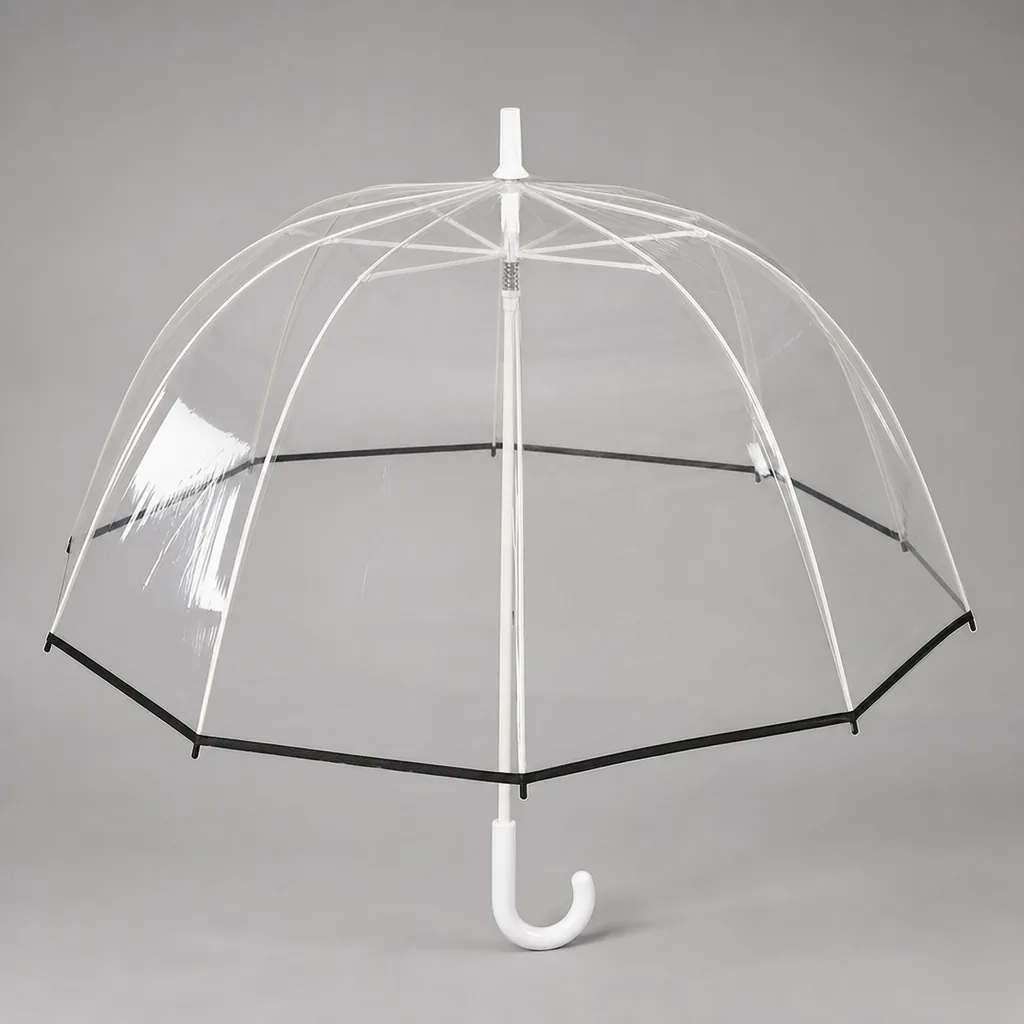
Choosing umbrella canopy fabric for a B2B order is not just a material decision; it affects print quality, shade performance, lead time, and landed cost. On the factory floor, we see buyers run into the same problem: a fabric that looks good in a swatch can stretch, fade, or print poorly once it is cut, sewn, and exposed to real weather.
Main fabric options and where each fits
For most B2B umbrella programs, the practical starting point is not “what looks best” but what survives production, printing, and transit without creating complaints. In a proper umbrella canopy fabric comparison, 190T pongee is the workhorse: light, smooth, and consistent enough for screen print, heat transfer, and sublimation when the art is simple and the margin is tight. 210T pongee is denser and slightly heavier, with a cleaner hand feel and better opacity, so it usually prints a little crisper and looks more finished on higher-value corporate pieces. Polyester is cheaper and widely available, but the weave tends to feel more utilitarian, and the print surface is not as refined as pongee. Nylon is lighter and stronger per gram, but it has a shinier, slipperier face that can make branding look less premium unless the buyer specifically wants a sporty, technical look.
In a canopy material guide, I separate these fabrics by end use, not by marketing claims. For promotional umbrella specs, 190T pongee is usually the safest choice for volume orders because it balances cost, sewing stability, and acceptable color reproduction, especially on 21" or 23" auto-open styles. Polyester fits the lowest-cost giveaway umbrellas, but if the customer expects sharp logo edges or a richer finish, it starts to show its limits fast. Nylon is less common for classic promotion because it can read too shiny and too thin under office lighting, though it can work in compact travel umbrellas where low weight matters more than a luxurious hand feel.
For retail and premium corporate umbrellas, 210T pongee is the better default because it supports a cleaner drape, better ink hold, and a more substantial feel when the canopy opens. If the order calls for UV protection fabric, the fabric base matters less than the coating system, but a tighter weave like 210T gives the laminate or black coating more to grip, which helps consistency. My rule in factory sourcing is simple: use 190T pongee when price and volume drive the job, move to 210T pongee when the buyer wants a better presentation, and reserve polyester or nylon only when the brief is explicitly cost-driven or technical. For premium corporate umbrellas, the canopy should match the frame and mechanism; a nice handle on a weak canopy still looks cheap once the first rain test happens.
How fabric density affects performance
The first thing buyers get wrong is treating umbrella canopy fabric as just a color choice. In practice, the fabric density drives three things that matter on the sales floor and in production: how quickly water beads and runs off, how the canopy hangs when open, and how much light shows through. A tighter weave with higher thread count gives better opacity and usually a cleaner drape, while a looser construction can look thin, wrinkle easier, and show the frame silhouette more clearly. Coating matters just as much as yarn count; a decent water-repellent finish can make a midweight cloth perform better than a heavier one with poor finishing.
For most B2B programs, 190T pongee is the workhorse because it keeps cost controlled without looking cheap when the sewing is clean. It is a good fit for giveaways, large-volume retail promotions, and price-sensitive umbrella canopy fabric orders where the buyer cares more about unit cost and print area than luxury hand feel. 210T pongee sits one step up: denser, more opaque, and usually better at holding a flatter surface, which helps the umbrella read as a premium product under bright light. In a canopy material guide, I would put 190T in the budget-to-mid tier and 210T in the mid-to-premium tier, especially when the canopy is part of a gift set or brand launch.
If the brief calls for UV protection fabric, density alone is not enough; the coating system and pigment load need to be specified in the promotional umbrella specs. Darker colors and tighter weaves usually block more light, but true UV performance comes from the fabric construction plus the applied finish, not from thread count by itself. For buyers, the practical rule is simple: choose 190T when you need acceptable coverage at scale and 210T when you want better opacity, a firmer drape, and a more polished appearance in photos, retail display, or corporate gifting.
UV and weather protection requirements
For B2B orders, the first thing to verify in any umbrella canopy fabric is whether the supplier is talking about water shedding or actual UV blocking. A canopy can bead water well and still give poor sun performance if the base cloth is thin, loosely woven, or lacks a proper UV coating. In a real canopy material guide, I would separate the two requirements immediately: water repellency comes from the surface finish, while UV protection fabric performance depends on fiber density, yarn construction, dye, and a measurable coating or lamination. If the buyer needs promotional umbrella specs that mention UPF 50+, ask for the exact test standard, the lab name, and the sample construction that was tested, because a clean spec sheet without those details is not enough to support a claim.
UPF 50+ is a performance result, not a decorative phrase. For 190T pongee and 210T pongee, the difference is not just hand feel; the higher thread count usually gives better coverage and more consistent coating uptake, which helps with sun protection and water resistance. But the coating type matters more than buyers think: silver coating, black adhesive coating, PU, or acrylic back coating all behave differently in reflectance, heat buildup, and long-term durability. A good supplier should show whether the claim was measured on the finished umbrella canopy fabric, not just the raw cloth, because sewing holes, panel seams, and color choice can all change the real-world result.
I ask buyers to request the full test report, not a screenshot of the first page. The report should identify the fabric construction, coating weight, test method for ultraviolet transmission, and whether the sample was new, aged, or washed. If the seller says the umbrella is rainproof and UV-rated, that is still two separate questions: water repellency is usually checked by spray or hydrostatic behavior, while UV protection fabric needs a transmission or protection rating. On promotional umbrella specs, this is where many vendors blur the line, so the safest buying practice is to require a written statement tying the exact umbrella canopy fabric, color, coating, and lab result together before mass production.
Print methods and fabric compatibility
Screen print is still the most forgiving method on umbrella canopy fabric when the buyer wants a sharp logo and controlled ink cost. On 190T pongee, the tighter weave gives decent edge definition, but the hand-feel and coating matter more than the thread count alone; if the fabric is heavily PU or water-repellent finished, the ink needs a proper cure or it will crack on folding ribs. 210T pongee usually gives a cleaner print surface because it is denser and slightly more stable under squeegee pressure, so small text and thin strokes hold better. In a real canopy material guide, I would rank 210T pongee above cheaper polyester for registration accuracy, especially on promotional umbrella specs where the logo sits on panels that get repeated flexing.
Heat transfer works well when the art has gradients or multiple colors, but it is less forgiving on textured or heavily coated UV protection fabric. The transfer film sits on top of the surface, so it can look crisp on smooth pongee, yet it may telegraph every crease line after the umbrella is opened and closed a few dozen times. Sublimation is different: it gives the best color depth on white or very light polyester-based panels, but it needs a receptive fiber and enough heat to penetrate, which is why it is not a universal choice across all umbrella canopy fabric constructions. If the canopy is dark, laminated, or coated for UV resistance, sublimation often loses intensity or shifts slightly because the base layer blocks full dye transfer.
Color migration and bleed usually show up when the fabric finish is inconsistent, the ink layer is too heavy, or the canopy is sewn from mixed lots. With 190T pongee, the looser structure can let fine details spread a bit more than expected, especially on small reverse-print logos and heavy spot colors. ZheBrella’s standard practice is to test one full panel before production approval, because the same artwork can behave differently on matte, glossy, or silicone-treated surfaces. For B2B buyers, the safest rule is simple: use screen print for bold spot colors, heat transfer for complex graphics, and sublimation only when the fabric chemistry and promotional umbrella specs clearly support it; otherwise, expect soft edges, washout, or back-side show-through after repeated opening cycles.
How to finalize a fabric spec with suppliers
The first decision is not the color or print; it is whether the umbrella canopy fabric has to hit a price ceiling, a windproof target, or a brand feel. For most B2B programs, 190T pongee is the baseline when the order needs a lower FOB and faster approval, while 210T pongee is the safer choice when the buyer wants a denser hand feel, better ink hold, and fewer complaints about thin spots after one rainy season. A practical canopy material guide starts with use case: promo giveaways can accept a lighter spec, but retail and corporate programs usually need a clearer UV protection fabric requirement, especially if the umbrella is sold as a UPF 50+ item. Once the fabric is fixed, the rest of the promotional umbrella specs become easier to lock: rib count, opening mechanism, panel size, and whether the canopy will be cut for manual, auto-open, or auto-open-close models.
MOQ and lead time should be set together, because fabric choice changes both cutting loss and sewing throughput. A custom dyed umbrella canopy fabric often pushes MOQ higher than stock black, navy, or white cloth, and exact pantone matching can add days if the mill has to re-dye or re-heat-set the lot. Sample approval is the checkpoint that prevents expensive surprises: buyers should confirm hand feel, coating, color delta, water beading, and print sharpness before mass production, not after the first carton ships. In practice, a stable order needs a signed sample, a clear tolerance on shade variation, and one approved pre-production panel set. That is where umbrella canopy fabric decisions affect order stability, because an easy-to-source fabric with consistent coating usually gives fewer late changes and fewer missed ship dates.
Fabric spec also changes the FOB quote in ways buyers often underestimate. A 190T pongee canopy can keep carton weight down and support tighter packing, while 210T pongee may add cost but reduce wrinkling, seam distortion, and in-transit damage when umbrellas are packed tightly for export. If the order uses a coated UV protection fabric, the supplier may need different finishing, which affects unit price, inspection time, and sometimes the packing method if the buyer wants sleeves, belly bands, or retail polybags that protect the print surface. The cleanest way to finalize the spec is to freeze the fabric construction, coating, color standard, and sample seal first, then ask for an FOB quote based on the exact umbrella canopy fabric and packing method. That keeps the commercial offer realistic and avoids the common problem where the first quote looks cheap but the final order turns unstable once the factory starts cutting real cloth.
Frequently Asked Questions
Is 210T pongee always better than 190T pongee?
Not always. 210T usually feels denser and more premium, but 190T can be the better choice when the buyer needs a lower cost or lighter build.
Which fabric is best for UPF 50+ umbrellas?
Pongee with the right coating or dark backing is often used for UPF 50+ umbrellas. Buyers should request test data, because the fabric alone does not guarantee UV performance.
How much does 210T pongee usually add to unit cost compared with 190T pongee?
For standard OEM orders, 210T pongee commonly adds about 3% to 8% to the canopy material cost versus 190T pongee, depending on color, coating, and order volume. On large runs, the difference is often small enough to justify if the buyer wants a smoother hand feel and a slightly more premium finish.
Which canopy fabric is better for dark all-over printing or saturated brand colors?
Higher-density pongee usually performs better for saturated prints because the surface is smoother and can produce cleaner color blocks and sharper logo edges. If you need panel-to-panel color consistency, ask for a print strike-off before mass production and confirm whether the factory is using screen printing or heat transfer.
Should B2B buyers request UV test data separately from the fabric name?
Yes. A fabric name like 190T or 210T only describes density and construction, not guaranteed UV performance. Buyers should request UPF or UV-blocking test data for the exact fabric and coating combination, especially for outdoor retail programs or golf umbrella orders.
Looking to Launch Your Custom Umbrella Line?
ZheBrella is a Zhejiang-based OEM/ODM umbrella manufacturer with 17 years of export experience. Free design, low MOQ from 100 pieces, windproof construction, full-color print.
Get Free Quote Now »People Also Search For
Related Articles
RPET Umbrellas vs Standard Pongee for Eco-Focused Orders
Evaluate RPET and standard pongee umbrellas for sustainability claims, print quality, durability, MOQ, and sourcing trad...
Read More »
How to Choose a 2-Fold Umbrella for Retail Programs
Compare 2-fold umbrella builds, rib counts, fabrics, and pack size so buyers can source the right retail model with fewe...
Read More »
Choosing the Right Umbrella Canopy Size for B2B Buyers
Compare umbrella canopy sizes, coverage, and shipping impact so buyers can match specs to events, retail, and corporate ...
Read More »