Rain Test Methods for Umbrellas Before Bulk Production

Late-stage umbrella failures usually trace back to a few missed checks on the line: canopy seepage at stitch holes, runner wear after repeated openings, and fabric performance that looks fine on paper but shifts in production. Buyers reviewing umbrella rain test methods before bulk production should ask for controlled spray tests, opening-cycle records, and clear QC hold points tied to actual assembly conditions, not just lab claims.
What a Practical Umbrella Rain Test Should Measure
A practical rain test needs four pass-fail points before bulk production: canopy leakage, seam seepage, drying behavior, and post-wet opening function. Start with the canopy body. The goal is not cosmetic beading but whether water penetrates the fabric under controlled spray. Seam checks should target stitched panel joins, tip pockets, and the top cap, where needle holes and thread tension can create wicking paths. Drying behavior should record retained surface water after a defined shake test and note whether the canopy stays heavy, wrinkled, or tacky. The final check is mechanical: after wet exposure, the runner must travel smoothly, the spring must reset, and the frame must open and close normally for 3 to 5 cycles. Good umbrella rain test methods measure the full product—fabric, seams, and frame—not just the cloth spec. Buyers should also separate fabric specification from process control in any canopy water resistance test. Pongee 210T may shed water better than basic 190T, but bulk results usually depend more on coating consistency, heat-setting, print coverage, and seam construction than on 190T versus 210T alone. Two pongee 190T 210T lots can perform differently if one dye lot takes finish unevenly after printing. For that reason, test records should identify the exact failure point: panel body, stitched seam, ferrule, top notch, tip pocket, or printed area. That shortens root-cause analysis and reduces rework because the factory can correct thread tension, seam construction, or water-repellent finishing instead of debating a vague waterproof claim.
Buyers should distinguish showroom demos from repeatable pre-shipment umbrella testing they can write into umbrella QC standards. A hand sprayer on one showroom sample for 20 seconds is only a visual demonstration; it does not control spray pattern, exposure time, sample source, or wet-function recovery. A usable production standard does. Specify an overhead spray, a fixed exposure such as 5 minutes, samples pulled from packed goods rather than the sample room, and a wet dwell followed by a function check—for example, 5 open-close cycles after 10 minutes. That makes the test repeatable across manual, auto-open, and auto-open-close styles. For bulk orders, tie sampling to the same discipline used in AQL 2.5 final inspection. The pass-fail standard should state what is acceptable: no interior drips, limited or no seam darkening, defined retained water after two shakes, and zero failures in opening or closing action after wet exposure. This is the key difference between a demo and enforceable umbrella rain test methods. One is subjective and easy to stage; the other gives the buyer a written method, a sample basis, and clear acceptance limits before shipment.
How Fabric and Construction Change Test Results
Fabric spec determines most umbrella rain test methods because repellency and leakage usually fail at different points. Pongee 210T has a tighter weave than 190T, so it typically resists misting longer during a canopy water resistance test, especially at panel centers where lower-density fabric darkens first. Pongee also tends to outperform standard polyester on runoff unless the polyester uses a durable water-repellent finish such as Teflon or a clear acrylic coating. That advantage narrows once the face fabric wets out. After 10 to 15 minutes of continuous spray, added canopy weight slows runoff and shifts the failure point to the seam. At that stage, stitch density, needle size, and clean heat-cut panel edges matter as much as fabric choice because capillary seepage usually starts at the stitch line, not the panel center.
Coated canopies change the result, but they add tradeoffs buyers should verify in pre-shipment umbrella testing. PU, silver UV, and clear waterproof backings can improve first-spray repellency and may also support UPF 50+, yet coated fabric is less forgiving when sewing tension is too high because needle holes stay more visible. A 190T pongee canopy with a solid coating can beat uncoated 210T in initial spray testing, then lose performance after repeated open-close cycles if the coating cracks at fold lines or tip stress points. Construction also shifts rain performance. Single-canopy umbrellas have fewer seams and fewer leak paths, while double-canopy vented designs handle 50+ mph wind better but add seam length and more routes for water migration between layers. Frame geometry matters too: 8K frames create wider panels that puddle sooner on weak fabric, while 16K frames use narrower panels that shed water more evenly but demand tighter cutting and cleaner sewing. Under umbrella QC standards, test the production canopy on the actual frame rather than approving fabric by roll alone.
Functional Testing After Repeated Open-and-Close Cycles
Dry cycle counts are not enough for bulk approval. A 23-inch 8K manual umbrella or 21-inch auto-open folding model can pass 500 to 1,000 dry cycles and still fail when the frame is wet and the canopy is holding water. That is why umbrella rain test methods should run in parallel with cycle testing for both manual and auto-open designs. A practical inspection interval is every 50 to 100 cycles. At each checkpoint, confirm smooth runner travel, consistent spring release, positive notch engagement, and full canopy tension with no lazy rib, bent stretcher, or partial lock. On auto-open umbrellas, water in the runner channel and latch area often reveals weak spring consistency first, especially on plated steel shafts with rough surface finish. On manual umbrellas, added drag under wet use usually points to poor tube tolerance, rough shaft finishing, or a runner-to-shaft fit issue that dry testing can miss.
The canopy needs the same wet-cycle scrutiny because frame fatigue and water resistance fail together. A canopy water resistance test should go beyond first-pass beading on pongee 190T 210T and check repeated wet opening, drying, and reclosing for seam puckering, panel distortion, tip pocket tearing, and wicking at the crown cap. On vented double-canopy umbrellas, verify that both layers stay aligned after cycling; if the vent geometry shifts, any windproof performance claim becomes less credible. Wet cycling also makes material differences obvious. Fiberglass ribs generally tolerate repeated flexing better than economy steel ribs, while steel stretchers, springs, and center shafts are more likely to show flash rust when plating is thin or cut edges are exposed. For pre-shipment umbrella testing under umbrella QC standards, reopen retained samples after 12 to 24 hours in the closed state. That is when sticking, rust transfer, odor, and reduced lock-up reliability usually appear.
What to Include in a Pre-Shipment QC Protocol
Build the pre-shipment QC protocol on ANSI/ASQ Z1.4, General Inspection Level II, not on factory photos or a single approval sample. Set AQL 2.5 for major defects and keep critical safety defects at zero tolerance: sharp tips, exposed rib wire, pinch points, and any failed open-close lock. For a 5,000-piece order, the report should state the exact sample size, carton numbers opened, SKU and colorway mix, and defect counts by critical, major, and minor classification. Carton selection matters as much as product selection: pull cartons across the full lot, including top, middle, and bottom stack positions, and spread the sample across different production dates or shifts when available. That approach catches clustered failures such as a bad rib batch, inconsistent canopy coating, or mixed labels on one packing line. Good umbrella rain test methods also cover packaging risk, because crushed master cartons, damp inner packs, wrong carton counts, or mixed shipping marks can create chargebacks or freight claims even when the umbrellas themselves meet spec.
Keep visual and function checks written, repeatable, and tied to the umbrella type. Visual checks should cover canopy centering, panel alignment, stitch consistency, print registration, ferrule straightness, shaft finish, handle scratches, and color shading between panels. For the canopy water resistance test, define the exposure method in the QC sheet and record pass-fail criteria before inspection starts. On pongee 190T 210T canopies, there should be no immediate water penetration at seams, needle holes, or panel joints, with extra scrutiny on dark sublimation prints where coating gaps are easier to miss. Function checks should separate a 23-inch manual straight umbrella from a 21-inch folding auto-open-close model: opening smoothness, lock engagement, canopy tautness, strap closure, leak performance, and twist resistance at the handle and top cap should all be checked, with cycle testing used to reveal runner hesitation, spring fatigue, or telescopic tube misalignment. Under umbrella QC standards, leaks, broken ribs, bent shafts, jammed mechanisms, severe print ghosting, wrong carton counts, and mixed SKUs are major defects; light scuffs, slight seam variation, and creasing that relaxes after opening are minor. If one carton shows repeated failures, expand sampling to adjacent cartons before release. Third-party inspection is usually worth the cost before final balance payment on orders above 3,000 pieces, on multi-SKU custom print runs, or with a new supplier under FOB or DDP terms, because pre-shipment umbrella testing is the last independent checkpoint before shipment release.
How to Write Test Requirements Into Your PO
Write the PO so the factory can test to a spec, not guess at intent. Replace broad terms like “waterproof canopy” with the exact build: “100% polyester pongee 190T” or “pongee 210T, yarn-dyed if applicable,” plus approved color tolerance, panel layout, and whether alternate panels may use POE, PVC, or EVA. State the finish in production terms: “C0 or standard water-repellent finish, spray rating minimum 80 after production,” or “Teflon finish only if matched to approved sample.” If you want a canopy water resistance test before bulk cutting, put the pass/fail rule in the PO: no continuous seepage through the panel face after controlled spray exposure, with seam leakage recorded separately from fabric wet-out. Good umbrella rain test methods start with fabric, finish, and sample-reference language the mill, cutting room, and QC team can verify without interpretation.
Add durability, evidence, and acceptance rules in the same PO, because rain failures often show up after frame stress. Define the frame completely: “21-inch, 8K, auto-open shaft, fiberglass ribs with steel stretcher, minimum 500 open/close cycles, with no broken rib, runner jam, spring misfire, or canopy detachment.” If wind resistance affects the buy, state it: for example, a vented double-canopy design passing a 50 mph equivalent fan test without inversion damage. If wind testing is not required, say so; otherwise a supplier may cut frame cost to hit target pricing. For pre-shipment umbrella testing, require dated photos of the spray-test setup, close-up images of the canopy after testing, and 30- to 60-second videos showing opening action, strap closure, and post-test condition on pilot samples and final lots.
Reduce claims disputes by tying every requirement to an inspection stage, sample reference, and remedy. A usable clause is: “Bulk production subject to approved golden sample; in-line fabric confirmation for pongee 190T 210T; final inspection per AQL 2.5 unless otherwise stated; all test records must reference PO number, color, handle, and carton marks.” Then specify what happens if results miss target: rework, remake, replacement parts, or negotiated discount. Under umbrella QC standards, state when evidence is due: before balance payment on FOB orders, or before customs handoff and final delivery milestone on DDP shipments. Clear umbrella rain test methods in the PO lower risk because buyer and supplier are checking the same specs, records, photos, and videos before shipment, not debating failures after cargo moves.
Frequently Asked Questions
Is there one universal waterproof rating for umbrellas like there is for outdoor jackets?
Not usually in umbrella sourcing. Buyers more often rely on agreed fabric specs, spray or soak tests, seam inspection, and practical open-close function checks rather than a single universal rating.
Should I require rain testing on every order, even repeat styles?
Yes, especially for new fabric lots, new printing runs, or supplier changes. Repeat styles can still vary due to coating application, stitching quality, or frame assembly differences in a given production batch.
How many umbrellas should be pulled for rain testing before bulk production starts?
For pre-production approval, many buyers ask for 3-5 finished samples per style and color. For bulk orders, a common approach is AQL-based random inspection with rain testing performed on selected cartons from the final packed lot.
What pass criteria should buyers set for a canopy water resistance test?
A practical pass standard is no visible leakage through stitched panels or the fabric surface after continuous spray exposure for 5-10 minutes. Buyers should also define whether light misting at needle holes is acceptable or treated as a defect.
Should opening cycle tests be done before or after the rain test?
Ideally both: cycle testing first can expose weak ribs, runners, and springs, while a follow-up rain test shows whether the canopy and stitching still hold after repeated use. For manual and auto-open umbrellas, buyers often request 200-500 open-close cycles on approval samples depending on price tier and use case.
Looking to Launch Your Custom Umbrella Line?
ZheBrella is a Zhejiang-based OEM/ODM umbrella manufacturer with 17 years of export experience. Free design, low MOQ from 100 pieces, windproof construction, full-color print.
Get Free Quote Now »People Also Search For
Related Articles
Custom Umbrellas for Corporate Events and VIP Hospitality
See how custom umbrellas support executive events, VIP arrivals, and hospitality programs with durable specs, logo place...
Read More »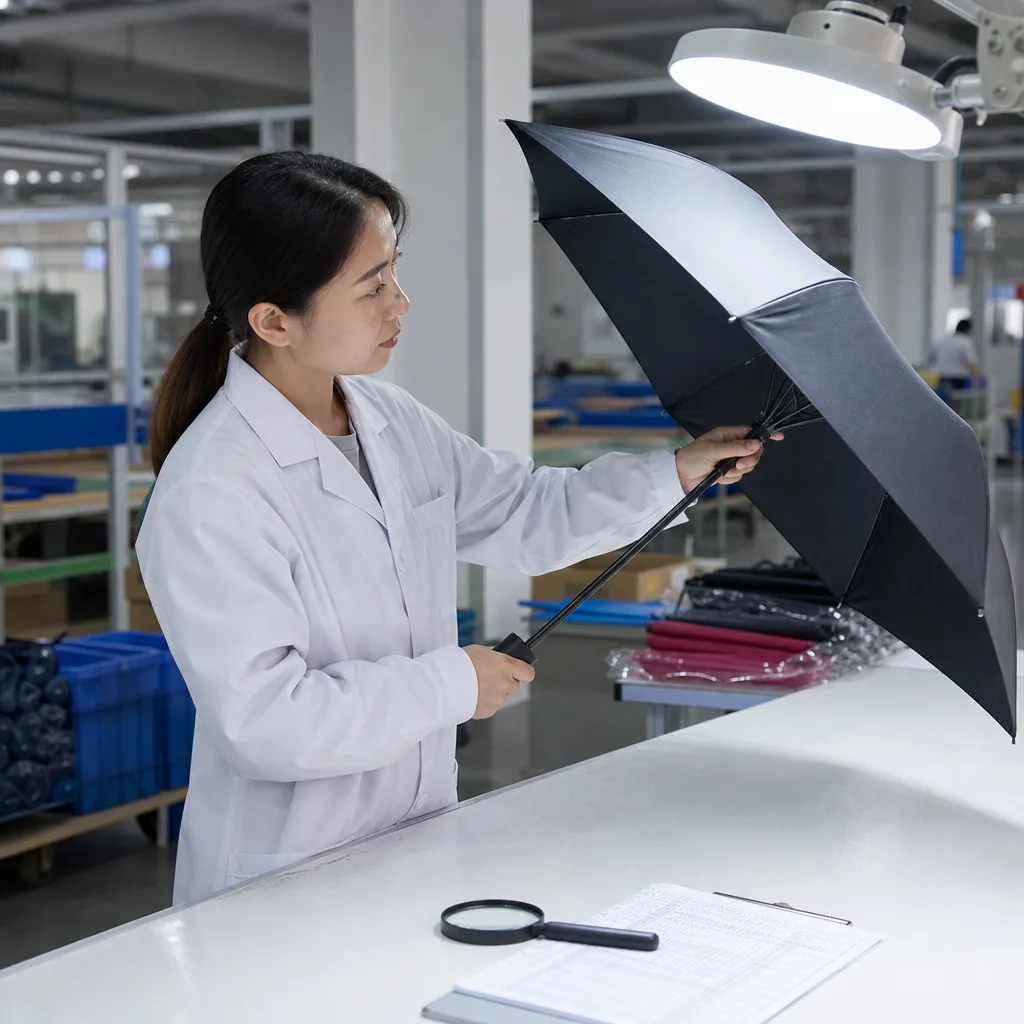
Rain Test Standards for OEM Umbrellas: What Buyers Should Ask
Learn which factory rain and durability tests matter for OEM umbrellas, from water repellency and seam leakage to cycle ...
Read More »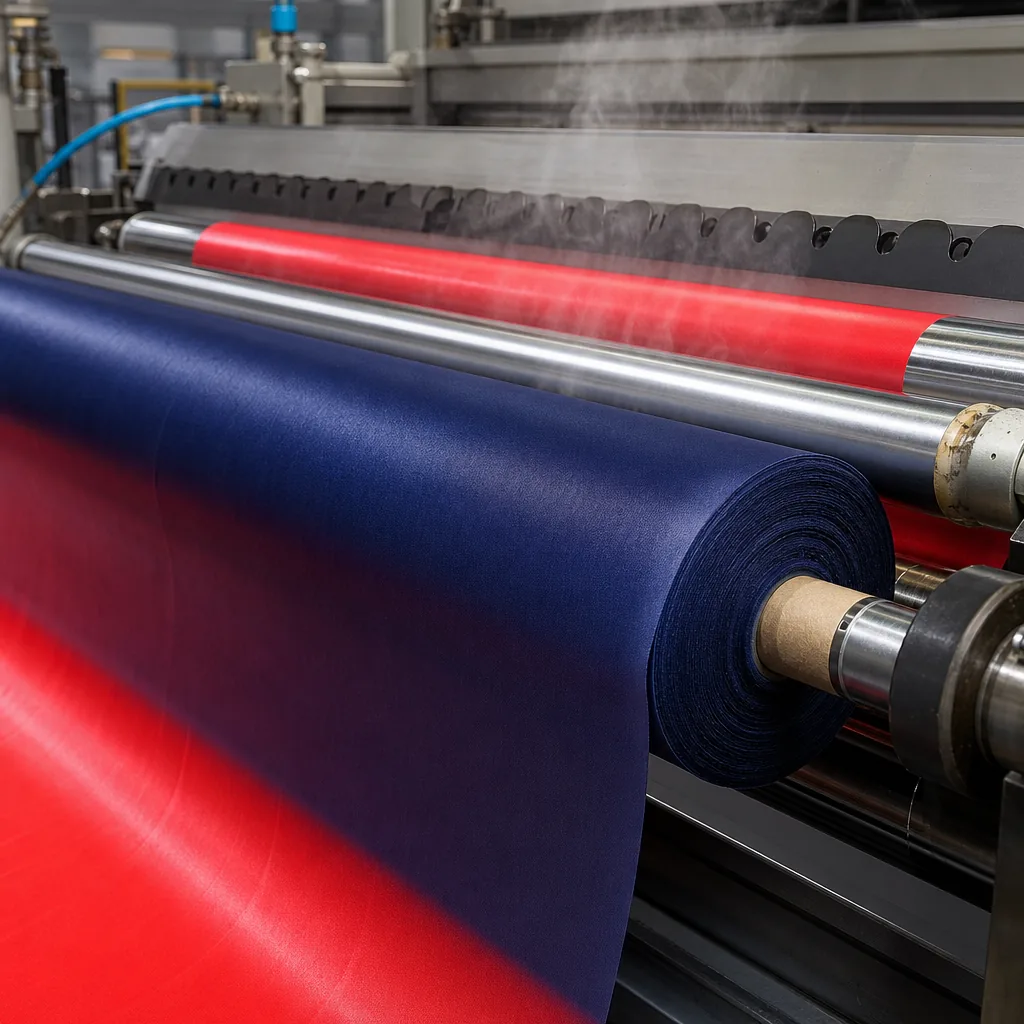
Umbrella Fabric Coating Cure Control for Stable Water Resistance
How curing time, temperature, and coating add-on affect water resistance, hand feel, and repeatability in OEM umbrella m...
Read More »