Umbrella Fabric Coating Cure Control for Stable Water Resistance
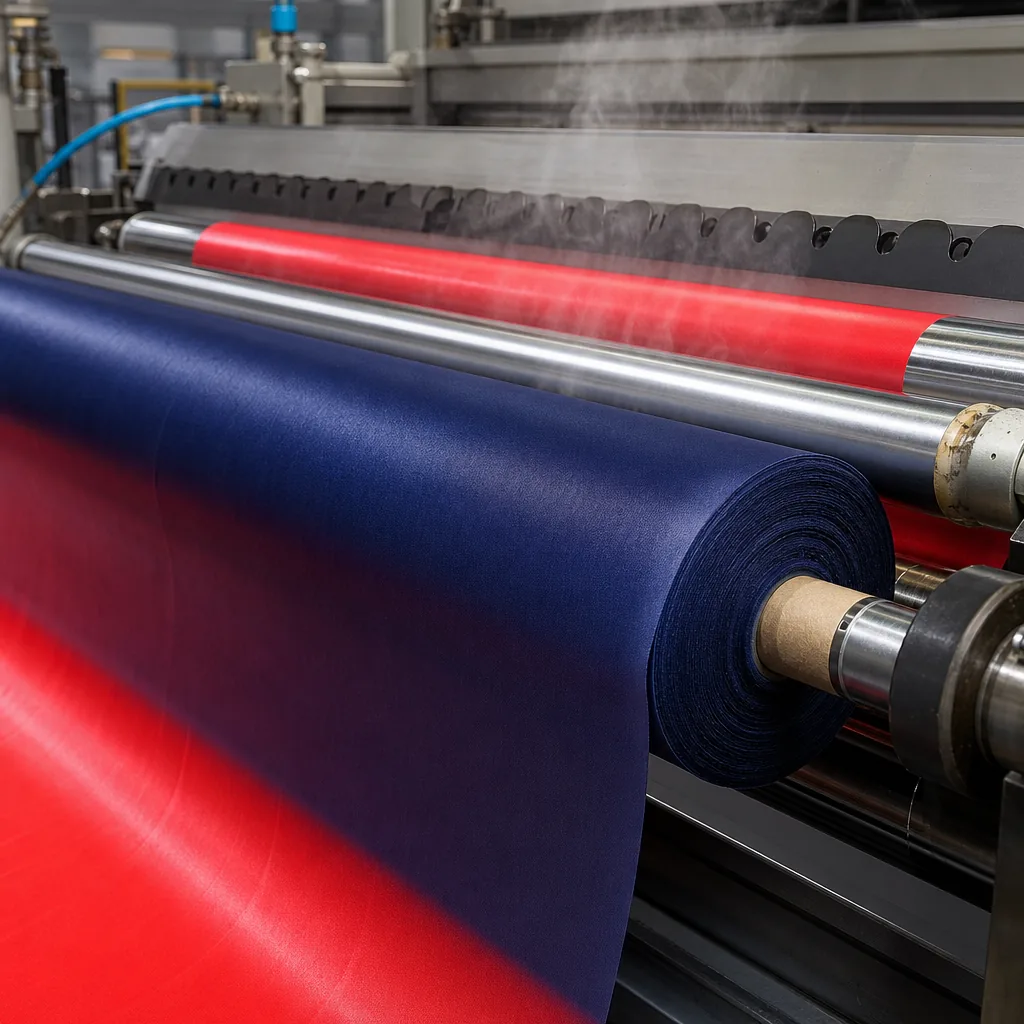
For OEM buyers, water resistance problems often show up late: a passed lab dip starts leaking after sewing, panels feel boardy, or repeat orders do not match the approved sample. On the factory floor, umbrella fabric coating cure is controlled by the balance of dwell time, oven temperature, and coating add-on, because each one changes film formation, hand feel, and lot-to-lot repeatability before the fabric ever reaches cutting.
Why coating cure control matters in umbrella production
Umbrella fabric coating cure determines whether repellency survives handling, not just whether droplets bead during a quick inline check. In a DWR coating process for pongee 190T umbrella fabric, the fluorine-free or C6 finish needs the specified fabric temperature and dwell time to crosslink on the yarn surface. If line speed runs too fast, oven zones drift, or exhaust airflow leaves uneven moisture, the roll may pass spray testing before cutting but lose beading after folding, rubbing, or 24 hours of conditioning. In OEM umbrella production, that miss becomes expensive because the fabric may already be printed, cut, sewn onto 8K or 10K frames, inspected under AQL 2.5, packed, and booked for FOB or DDP shipment before weak water resistance appears.
Over-curing creates the opposite failure on 190T and 210T pongee used for 21-inch, 23-inch, and 27-inch umbrellas. Too much oven temperature or dwell time can make the canopy papery, reduce drape, and increase opening noise. On auto-open and auto-open-close umbrellas, stiff fabric adds load to the runner, stretchers, ribs, and seam joints, so buyers may misread the defect as a frame or assembly problem. A hard surface can also affect screen ink, heat-transfer film, or sublimation laydown panel by panel. UPF 50+, Teflon treatment, and water pressure claims are only dependable when the umbrella fabric coating cure stays inside a documented window across bulk lots.
Buyers should require batch records tied to water resistance testing, not verbal assurance. Ask for coating bath ratio, pickup weight, line speed, oven zone temperatures, measured fabric exit temperature, curing dwell time, roll number, incoming fabric lot, cutting lot, and final AQL 2.5 inspection result. For 30- to 45-day OEM programs, keep a signed pre-production sample and approve bulk only after spray rating results, hydrostatic pressure where relevant, plus rubbing or folding tests. ZheBrella links these records to each production lot, so any beading loss can be traced to a line condition, fabric roll, or cutting batch before shipment risk turns into a claim.
Common coating systems used on umbrella canopies
For standard rain umbrellas, the baseline system is a fluorine-free DWR coating process on polyester pongee: 190T for promotional and midrange retail orders, 210T when the program needs a tighter weave and smoother hand. On pongee 190T umbrella fabric, the performance target is repellency, not tent-grade waterproofing: fast bead formation, low wet pickup, and clean shake-off after 5 to 10 minutes of rain. The finish must stay soft enough to wrap tightly around 8K or 10K steel or fiberglass rib frames without hard fold memory. In OEM umbrella production, sample approval should include spray rating, drip time, and post-rub repellency, not just a dry visual check. Weak bath pickup or uneven umbrella fabric coating cure often appears later as spreading droplets, darker wet patches, or panel-to-panel variation after folding, sleeve friction, or heat-transfer logo pressing.
PU back coatings are used when buyers need more water holdout, darker opacity, or better durability after moderate abrasion. A thin PU layer is common on 27 inch and 30 inch golf or straight umbrellas, UV umbrellas, and models where the face fabric keeps DWR while the inner side adds light blocking or deeper color. Compared with DWR alone, PU improves hydrostatic resistance and can support UPF 50+ performance when paired with the right pigment or black-out layer, but it increases stiffness and packing bulk. On a 23 inch auto-open umbrella, excess PU can make the canopy noisy and thick near the top cap, tips, and seam stacks. QC should test coated cloth before cutting and repeat water resistance testing after sewing, logo printing, and final drying, because needle holes, heat, and press pressure can reduce real canopy performance. Passing material should bond cleanly with no tackiness, pinholes, fold-line whitening, or uneven panel recovery.
Laminated finishes belong on premium umbrellas where repellency alone is not enough: storm models, branded retail lines, reversible designs, and double-canopy vented windproof umbrellas tested around 50+ mph in controlled wind-tunnel checks. Lamination can combine pongee with TPU, POE, EVA, or reflective UV film to improve water holdout, inner appearance, color control, and print consistency for sublimation or screen printing. The tradeoff is higher cost, more bulk, lower folding tolerance, and tighter process control. A laminated 16K canopy may look smooth when open, but film that is too thick, uneven adhesive cure, or drifting lamination pressure can cause creasing, rib-pocket delamination, or weak auto-open-close recovery. For premium work, umbrella fabric coating cure must be verified after assembly, not only on roll goods. Final approval should confirm high initial repellency, no film separation after humidity aging, acceptable softness for packing, and abrasion resistance through repeated open-close cycles to reduce AQL 2.5 final-inspection failures.
Process variables that change performance lot to lot
Line speed determines effective cure time, not only daily output. A 30 m oven at 30 m/min gives 60 seconds of theoretical dwell, but the first zone may spend much of that time evaporating water before the DWR coating process reaches reaction temperature. For pongee 190T umbrella fabric, OEM umbrella production should control fabric surface temperature at about 150-170°C and confirm 45-75 seconds of effective dwell at cure temperature, not rely on oven setpoints. Raising speed from 25 to 35 m/min to recover a delayed shipment can leave the canopy visually acceptable while cutting the spray rating by 10-20 points after one mild detergent rinse. Coating pickup needs the same roll-level control: check wet pickup and dry add-on, with typical water-repellent add-on held around 2-5% dry weight depending on chemistry and hand-feel requirements.
Fabric tension directly affects coating uniformity and water resistance testing. Tension must remove wrinkles before coating, but too much pull opens the weave, reduces local pickup, and creates streaks after curing. Small-frame finishing lines for 190T pongee commonly run about 8-15 kg total web tension, then adjust by fabric width, GSM, and bow or skew limits. Humidity is the main lot-to-lot risk in plum-rain season: when workshop RH rises from 55% to 80%, fabric moisture increases and evaporation slows, so the same oven setting can under-cure the finish. Practical corrections are to cut line speed by 10-15%, improve exhaust, or pre-dry fabric before changing chemistry. Stable umbrella fabric coating cure requires a roll log for oven temperature, measured dwell, pickup, speed, tension, and RH; without that record, failures usually appear later during AQL 2.5 inspection or customer rinse tests.
How factories verify cured coating quality
Verify umbrella fabric coating cure only after the coated roll has cooled and conditioned, not as it exits the tenter frame. For pongee 190T umbrella fabric, cut specimens from the head, middle, and tail of every roll and compare spray-test results with the approved standard swatch. Passing fabric should bead uniformly without dark wet patches, streaking, or selvage-edge absorption. A marginal cure may pass an immediate spray check but fail after folding, light rubbing, or 24 hours of conditioning, so the PO should define test timing, water temperature, specimen size, and minimum spray rating before bulk coating starts. For OEM umbrella production, replace vague “waterproof fabric” language with the exact DWR coating process, inspection method, pass/fail rating, and rejection trigger.
Spray testing must be paired with hydrostatic checks because beading alone does not prove coating continuity. Water column testing is useful on 210T pongee, recycled polyester, golf umbrella fabric, and 30 in. storm-canopy panels, where panel tension and seam layout increase leakage risk. Common rain-umbrella specs often use 300-500 mm water column; stronger retail programs may require 800-1,000 mm or higher. Rub resistance should be checked with white cloth in dry and wet conditions to catch unstable coating transfer onto cutting tables, printing blankets, heat-transfer logos, or the inside of a folded canopy. Inspect creases, heat-pressed logo areas, rib-tip panels, and selvage zones, not only clean center-roll fabric.
Final release should combine water resistance testing, rub checks, and visual inspection under AQL 2.5, since cured-coating defects usually show as uneven patches, streaks, hand-feel changes, or localized transfer. OEM files should record roll number, fabric supplier batch, coating date, curing temperature, line speed, operator, lab result, PO number, SKU, and the inspection disposition for that lot. Traceability must continue through cutting tickets, sewing bundles, and carton marks so a claim can be isolated to affected rolls or panels instead of the full shipment. Rework limits need written approval: one light recoat may be acceptable if adhesion and shade remain stable, but repeated curing can shrink fabric, distort printed logos, change hand feel, or weaken PU and silver UV coatings. Rolls above the agreed defect level should be blocked, not blended into production.
What to specify in an OEM or ODM tech pack
Start the tech pack with the substrate, because umbrella fabric coating cure is only stable when the base cloth and umbrella build are locked first. Specify the exact fabric: 100% polyester pongee 190T umbrella fabric, finished width, target GSM, available yarn count, and color standard by Pantone reference or sealed approval swatch. Then define the canopy and frame combination that will carry that finish: single-layer polyester, double-canopy vented construction, or transparent POE, PVC, or EVA; 21-inch folding, 23-inch stick, 27-inch golf, or 30-inch beach; manual, auto-open, or auto-open-close; and 8K or 10K rib count. These details affect wet pickup, drape, sewing tension, fold memory, and opening force, especially on light frames where added coating weight can change how the canopy closes and reopens. Put the fabric specification and finished-umbrella specification in one control document so the mill, cutting room, and sewing line are working to the same target instead of optimizing separately.
Write the finish requirement like a process sheet. State the coating chemistry, application side, and the DWR coating process if used: PU clear coat, acrylic, silver UV backing, black-out, or fluorine-free face-side DWR. Then define the cure window the supplier must hold: oven temperature range, dwell time, line speed, acceptable process variation, and a sealed control swatch approved against bulk. For acceptance criteria, tie every claim to water resistance testing at fabric inspection and again after canopy sewing: spray test rating or hydrostatic target, plus durability checks after heat aging and repeated opening-closing cycles. If UV performance is sold, state whether UPF 50+ comes from black coating, silver coating, or fabric density. Add clear visual limits: no pinholes at fold lines, no tackiness, no panel blocking, no shade drift beyond approved tolerance, and no abnormal odor after 24 hours of ventilation. Packaging requirements belong in the same tech pack: coated canopies must be fully cooled before strapping, desiccant required for humid-season shipments, agreed carton pack count to limit compression, polybag and warning-label details for retail, and shipment term such as FOB Ningbo or DDP. If screen print, heat transfer, or sublimation is used, specify whether coating is applied before or after decoration, because transfer heat and some inks can reduce repellency. In OEM umbrella production, a custom finish usually raises MOQ from stock-fabric levels to a full color lot or one coating batch, and lead time often shifts from about 25-35 days to 35-50 days depending on mill capacity and lab approvals. Require AQL 2.5 final inspection and retained finish-test samples in the tech pack, not after bulk starts.
Frequently Asked Questions
What is the most common cause of poor water repellency after production?
In many cases, the coating was not cured consistently across the roll, so the finish looks fine but beads poorly after shipment. Temperature variation, fast line speed, and fabric contamination are the usual root causes.
Should buyers ask for a wash or rub test on coated umbrella fabric?
Yes. A simple spray test is not enough for OEM work; buyers should also request rub resistance and batch-level inspection records. That helps confirm the finish holds up during packing, transit, and repeated opening cycles.
What curing settings are typically used for DWR-treated 190T pongee umbrella fabric?
For polyester 190T pongee, many factories cure DWR finishes at about 150-170°C for 45-90 seconds, depending on coating chemistry, fabric weight, and machine speed. Buyers should confirm the exact curing window on the approved bulk production specification.
How can importers verify that umbrella fabric water resistance is stable across bulk production?
Use AATCC 22 or ISO 4920 spray testing on pre-shipment samples from multiple rolls, not only the first roll. A common OEM requirement is a spray rating of 90 or above before aging, with roll-to-roll results recorded in the inspection report.
Can higher coating add-on improve water resistance without affecting hand feel?
Higher add-on can improve initial repellency, but too much coating may make the canopy feel stiff, reduce folding performance, or cause uneven appearance. For retail umbrellas, factories usually balance coating pickup against smooth hand feel and repeatable spray test results.
Looking to Launch Your Custom Umbrella Line?
ZheBrella is a Zhejiang-based OEM/ODM umbrella manufacturer with 17 years of export experience. Free design, low MOQ from 100 pieces, windproof construction, full-color print.
Get Free Quote Now »People Also Search For
Related Articles
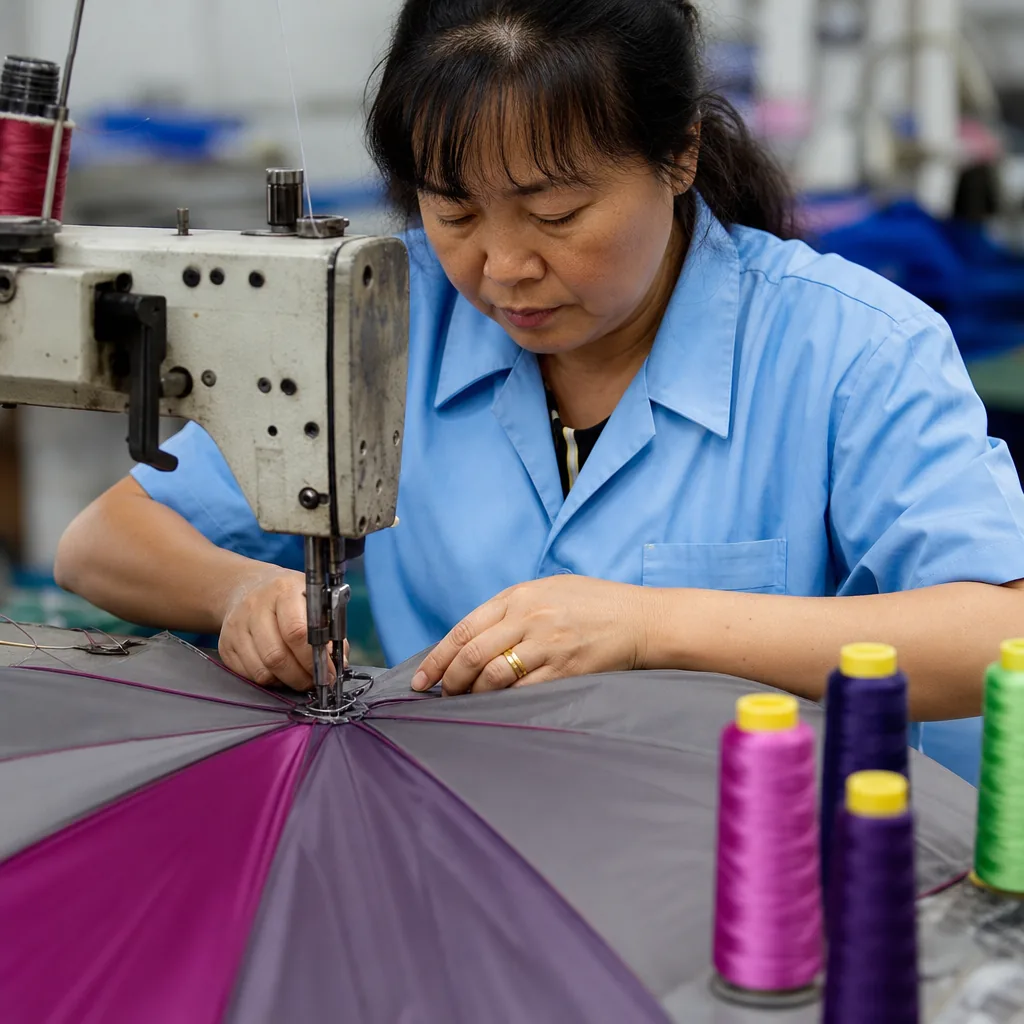
Umbrella Fabric Shrinkage Control in OEM Production
Understand how shrinkage affects panel size, fit, and print alignment, and what factories test to keep umbrella canopies...
Read More »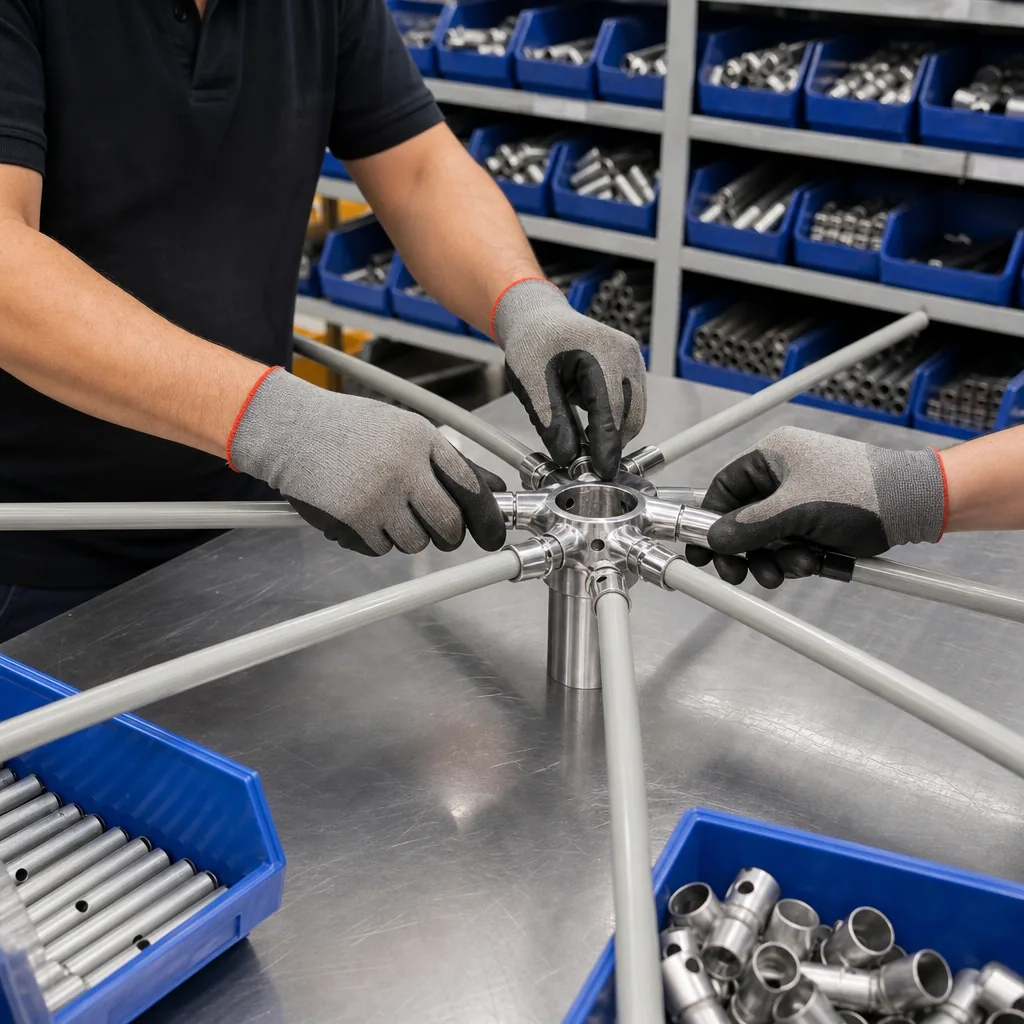
How Umbrella Canopy Panel Tension Is Measured in Production
See how manufacturers measure canopy tension, seam alignment, and panel fit to cut slack, wrinkling, and leakage risk in...
Read More »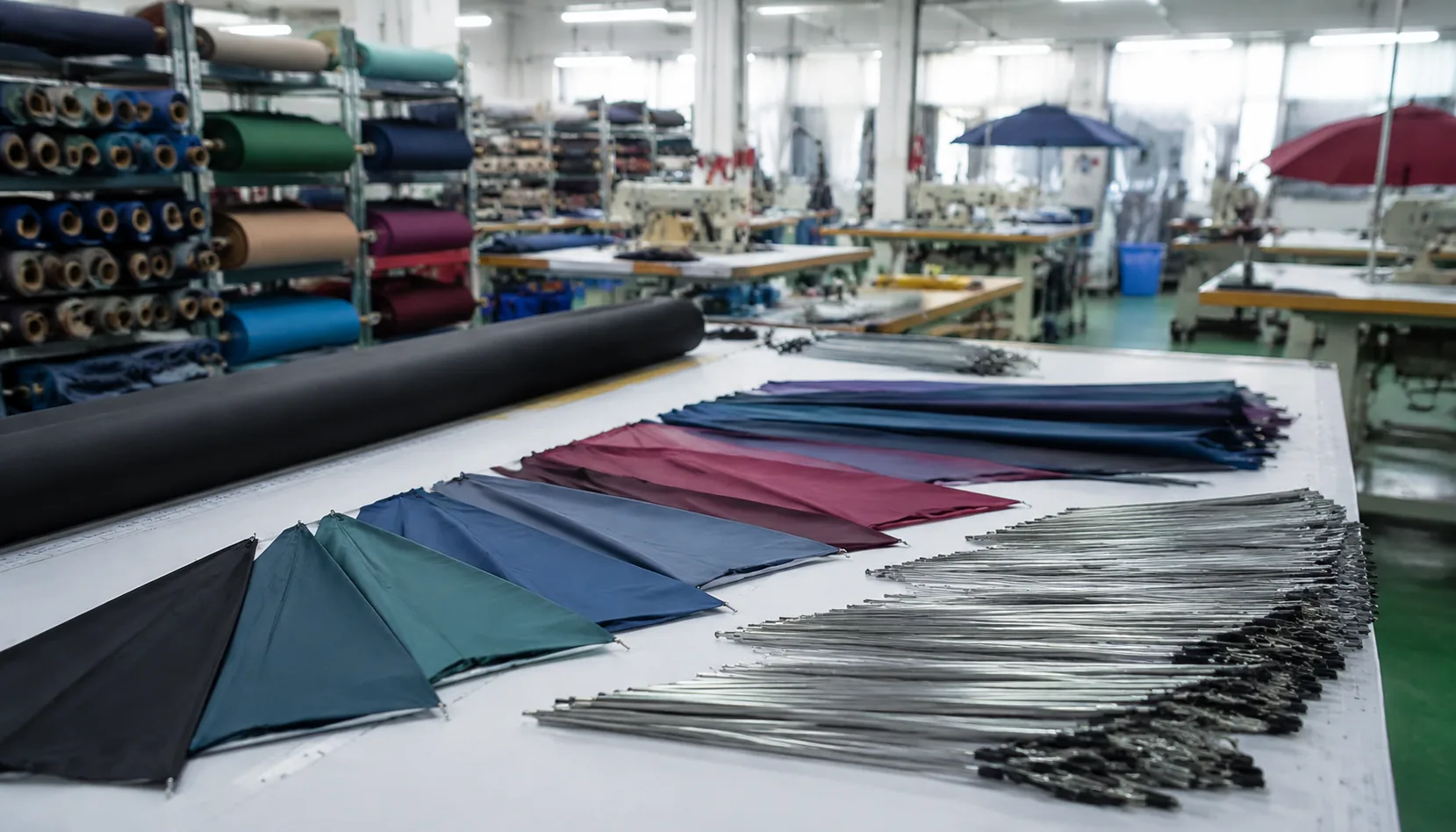
Umbrella Canopy Cutting and Panel Alignment for OEM Orders
Learn how cutting tables, panel tolerances, grain direction, and 190T/210T pongee controls reduce twist, wrinkles, and p...
Read More »