Step-and-Repeat Umbrella Prints for Event Brand Backdrops
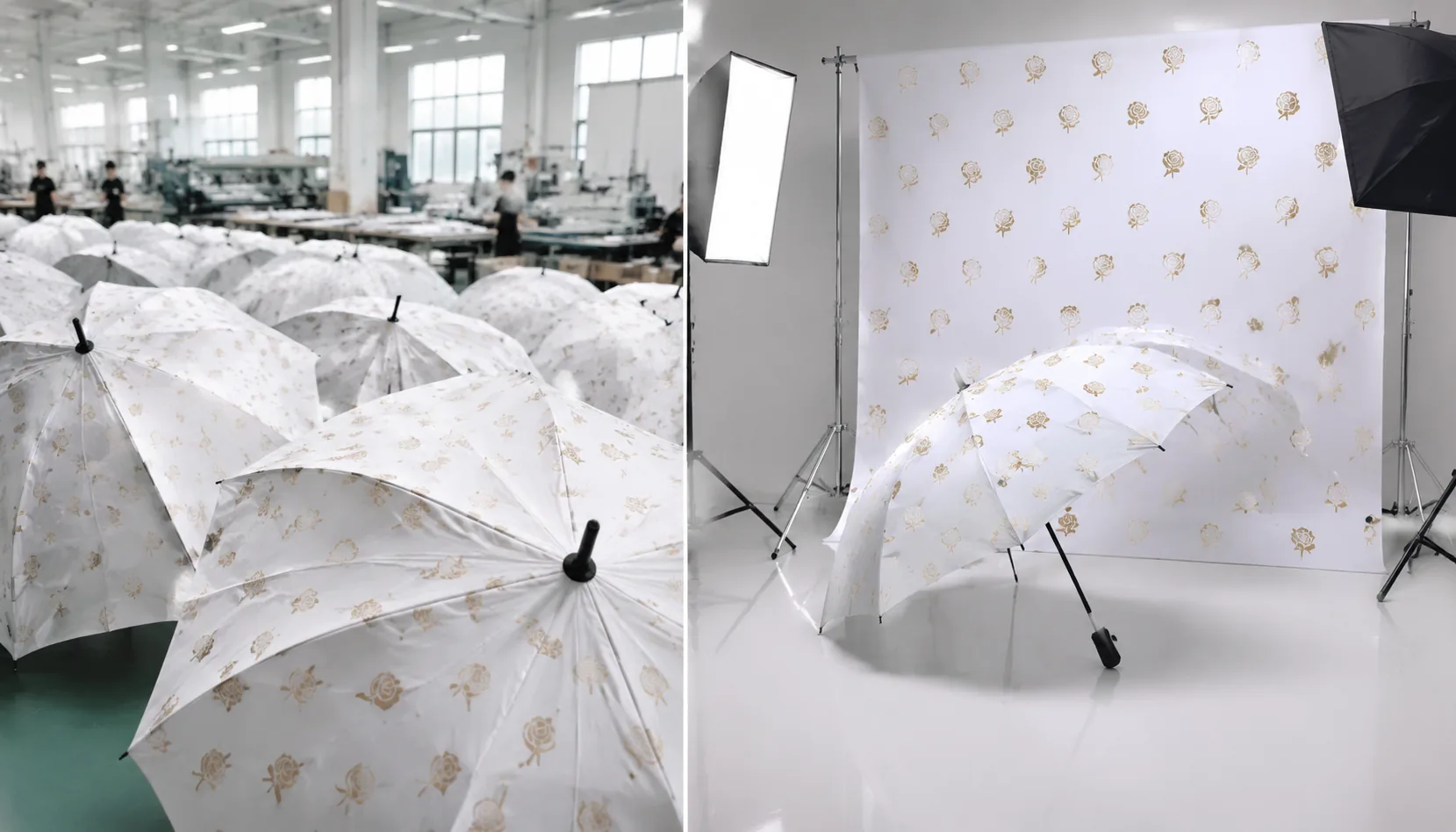
Event buyers often approve a clean logo grid on screen, then discover the repeat breaks across umbrella seams, ribs, and curved canopy panels under camera flash. On our Songxia production floor, step and repeat umbrella printing starts with panel-by-panel artwork mapping, logo scale checks at viewing distance, and fabric tests for ink hold and glare. The right sample control prevents warped marks, muddy colors, and inconsistent brand backdrops on event day.
Designing Repeat Logos Across Umbrella Panels
Rib count changes the whole registration problem. An 8K umbrella has eight wider panels, so each panel gives more room for readable repeats and fewer seam interruptions; it is the safer choice for sponsor logos, QR-style marks, or brand names that cannot be distorted. A 16K umbrella has narrower panels and a rounder silhouette, which looks premium, but every repeat is chopped into slimmer wedges and seam registration becomes harder to control. On 16K, I recommend smaller icons, monograms, or staggered diagonal repeats instead of long horizontal wordmarks. Keep critical artwork at least 20 mm above the lower hem, 15 mm from side seams, and 25 mm from the top notch where fabric bunches around the cap. For branded event merchandise ordered at 500 to 3,000 pieces, approve a printed pre-production sample, not just a digital mockup, because tension, color gain, and seam drift are only visible after assembly. A realistic tolerance is 2 to 4 mm across seams for mass production.
Choosing Fabric and Print Method for Repeat Patterns
For step and repeat umbrella printing, 190T pongee is usually the better balance of sharpness and cost when the pattern has small logos, tight spacing, or a lot of white space that must stay clean. The weave is fine enough to hold edge detail without the fuzzy bleed you get on cheaper polyester, but it still absorbs ink fast enough for stable production. 210T pongee has a tighter construction and a slightly smoother face, so it gives a cleaner line on premium event branded umbrellas, especially when the art has thin type or repeated icon rows. The tradeoff is that 210T can be less forgiving if the ink load is too heavy, because the surface is denser and shows strike-through or stiffness sooner. In practice, 190T is the workhorse for large promotional umbrella printing runs, while 210T is the better call when the umbrella is being judged as a branded event merchandise piece and the buyer wants a more refined hand feel.
Screen printing is still the best method for bold repeat graphics with 1 to 4 spot colors, because it lays down opaque ink and keeps the pattern consistent panel to panel. For an all-over logo umbrella, that matters more than fancy gradients; if the repeat has hard edges, strong contrast, or a brand mark that must read from 10 feet away, screen printing is the most reliable and economical route. Digital printing works better when the repeat is complex, includes full-color artwork, or needs short-run personalization, but it needs a fabric and coating that can accept the ink without dulling the image. Heat transfer sits between those two: it is useful for dense repeat patterns with fine detail, but it performs best when the run is shorter and the buyer wants fast design changes without making new screens. On dark fabric, heat transfer usually gives the cleanest small text; on light fabric, screen still wins for durability and wash resistance.
The real decision is not just print method, but how the pattern will behave after the umbrella is opened, flexed, and packed 1,000 times. Dense repeats with heavy coverage can make fabric feel boardy, so I avoid over-inking on 190T and use tighter registration on 210T to keep the repeat crisp without making the canopy stiff. If the design is a step and repeat umbrella printing job with many small logos, I would not push digital onto a low-grade cloth, because the weave will show through and the brand edges will look soft at close range. For long-run promotional umbrella printing, screen printing on 190T is the practical default; for premium event branded umbrellas with very fine type or multicolor gradients, 210T plus digital or heat transfer is usually safer. That is the combination that keeps branded event merchandise readable, durable, and worth the freight.
Controlling Color Consistency at Production Scale
Color consistency on step and repeat umbrella printing starts before ink ever touches fabric. We ask buyers to provide coated Pantone references, not just RGB artwork pulled from a deck or event rendering, because 190T and 210T pongee will dull a color differently than paper, PVC, POE, or EVA panels. For event branded umbrellas, the same logo may be printed on navy, white, and silver canopies, so one ink formula rarely behaves the same across all backgrounds. Dark canopies need an underbase or adjusted opacity to stop the fabric from swallowing fine text. Light canopies show contamination and registration drift more easily. High-contrast layouts, especially black logos on yellow or white logos on red, need tighter screen tension and more careful drying control to avoid edge bleed.
Lab dips are useful for base fabric color, but strike-off samples are the real decision point for promotional umbrella printing. A lab dip tells you whether the canopy cloth is close to Pantone 186C or 286C; a strike-off tells you whether the printed logo still reads correctly after heat transfer, screen printing, or sublimation. For an all-over logo umbrella, we normally check repeat spacing across cut panels before sewing, because a 2 mm shift at the panel edge becomes very visible after the canopy is assembled on an 8K or 16K frame. Our standard practice at ZheBrella is to set written tolerances by color group: tighter for light backgrounds, slightly wider for dark saturated canopies, and very strict for sponsor logos that sit beside each other in a step-and-repeat layout.
At production scale, color control must be measured lot by lot, not guessed from the first approved sample. Fabric rolls should be grouped by dye lot, printed panels should be checked under D65 light, and operators should pull samples from the start, middle, and end of each run. For step and repeat umbrella printing, AQL 2.5 inspection should include print defects such as pinholes, ghosting, ink buildup, misregistration, scumming, and visible color variance between panels. Branded event merchandise is often photographed under harsh LED lighting, so small differences that pass in a warehouse can look obvious on camera. A practical rule is to reject any canopy where adjacent panels make the repeat pattern look broken, even if each panel looks acceptable by itself.
Matching Frame Specs to Event Use Cases
For outdoor entrances, sponsor lanes, golf outings, and red-carpet queues, I would not start with the print file; I would start with the frame. Fiberglass ribs are the safer choice for event branded umbrellas because they flex and recover when a gust hits the canopy, while steel ribs tend to bend permanently once overloaded. A 23 inch or 27 inch stick umbrella with 8K fiberglass ribs, 190T or 210T pongee, and a double-canopy vented windproof structure is the practical baseline for most outdoor activations. The vent lets pressure escape instead of turning the umbrella inside out, and a decent build should survive 50+ mph wind-tunnel testing if the shaft, runner, and rib joints are not under-specified. That matters when the umbrella is also acting as a walking brand backdrop, not just rain protection.
Steel ribs still have a place, but I would position them honestly: budget giveaways, indoor registration desks, hotel room drops, or short-use promotional umbrella printing where unit cost matters more than storm performance. A 21 inch compact auto-open with steel ribs and 190T pongee can work well for conferences and trade shows, especially when MOQ pressure is high and the buyer needs FOB pricing kept tight. For premium outdoor use, auto-open is worth the extra cost because staff, VIPs, or guests can deploy the umbrella one-handed while carrying bags, badges, or drinks. Auto-open-close is better for compact umbrellas in transit programs, but on large photo-facing event umbrellas, a stable auto-open stick frame usually feels cleaner and lasts longer.
Rib count changes both strength and how the logo reads on camera. An 8K umbrella gives eight large print panels, which is usually best for step and repeat umbrella printing because each logo has room to breathe and align cleanly across seams. A 16K frame creates a rounder canopy and a more premium silhouette, but every panel is narrower, so small sponsor marks can look chopped unless the artwork is designed as an all-over logo umbrella with careful spacing. Our standard practice at ZheBrella is to check logo placement against rib lines before sampling, especially for branded event merchandise used in press photos. For high-visibility outdoor events, I would choose 23 inch or 27 inch 8K fiberglass, double-canopy, auto-open; for luxury hospitality, consider 16K; for budget handouts, use steel ribs only when the performance expectation is clearly limited.
Sampling, MOQ, Lead Time, and Shipping Planning
For step and repeat umbrella printing, the sample approval path should be locked before anyone discusses mass production dates. I normally start with a digital layout on the exact panel template: 8-panel for standard 23" auto-open umbrellas, 10K or 16K if the buyer wants a fuller dome, and separate artwork files for sleeve, tie wrap, and handle tag. For event branded umbrellas, one logo repeat that looks clean on a flat PDF can distort badly after sewing, especially across the seam allowance, so we check logo spacing against the cut panel, not the finished circle. A pre-production sample is usually 5–7 days for screen print, 7–10 days for heat transfer, and 10–14 days for sublimation if custom pongee fabric must be printed before cutting. Approval should cover print color, logo scale, rib color, shaft finish, handle material, opening mechanism, sleeve label, carton mark, and barcode placement if retail scanning is needed on-site.
MOQ depends more on print method and fabric waste than buyers expect. For promotional umbrella printing with a single-position logo, factories may accept 300–500 pcs per color, but an all-over logo umbrella usually starts around 500–1,000 pcs because each canopy panel must be printed, aligned, cut, and balanced against fabric shrinkage. Screen printing works for bold one- or two-color repeats on 190T pongee, while sublimation is better for full-color step patterns, gradients, and photographic event artwork on white polyester. Our standard practice at ZheBrella is to run an AQL 2.5 inspection after canopy sewing and again after final assembly, because a print that passes on loose fabric can still fail if rib tips pull the logo off-center. For rush events, choose stocked frames: 23" auto-open steel shaft with fiberglass ribs, 27" golf umbrella with double-canopy venting, or 21" folding auto-open-close. Custom-molded handles or dyed-to-match POE/PVC/EVA panels add time and should not be used for tight event windows.
Production lead time should be planned backward from the event date, not from the purchase order date. After sample approval and deposit, a normal batch of branded event merchandise takes 20–30 days for 500–3,000 pcs, while complex sublimated canopies, UV UPF 50+ coating, Teflon water-repellent finishing, or windproof frames rated for 50+ mph can push production to 35–45 days. Build in checkpoints: fabric arrival, print trial, bulk printing, canopy sewing, frame assembly, final inspection, carton packing, and export booking. For shipping, FOB Ningbo or Shanghai is clean if the buyer controls freight and customs, but DDP is safer when the umbrellas must arrive at a hotel, convention center, agency warehouse, or event venue by a fixed date. Air freight can rescue 200–800 pcs but gets expensive fast on 27" and 30" golf umbrellas; sea freight is economical but needs 30–45 days to the U.S. or Europe. For event-date-sensitive shipments, split delivery is often smartest: air ship the first usable quantity, then sea ship the balance.
Frequently Asked Questions
Can a step-and-repeat pattern cross umbrella seams perfectly?
Minor variation is normal because each canopy panel is cut and sewn before final assembly. Use seam-safe spacing and approve a printed strike-off before bulk production.
Is 16K better than 8K for repeat logo umbrellas?
16K provides more ribs and smaller panels, which can make the umbrella look premium but creates more seams to manage. 8K often gives larger logo fields and simpler artwork alignment.
What logo size works best for step-and-repeat umbrella photos?
For standard 21 to 23 inch panels, many event umbrellas use repeat logos around 80 to 150 mm wide so the mark is visible in photos without looking crowded. A pre-production mockup should check logo spacing across seams and panel edges.
Which printing method is better for all-over repeat logos on umbrellas?
Screen printing is cost-effective for 1 to 3 spot colors and large runs, while digital or heat transfer printing is better for gradients, photographic colors, or complex patterns. For all-over layouts, confirm color tolerance and registration on a physical sample before mass production.
How long does bulk production take for event branded umbrellas?
After artwork approval, sampling usually takes about 5 to 10 days, and bulk production often takes 25 to 45 days depending on quantity, fabric, and print complexity. Buyers should allow extra time for logo color matching, packaging approval, and sea or air freight.
Looking to Launch Your Custom Umbrella Line?
ZheBrella is a Zhejiang-based OEM/ODM umbrella manufacturer with 17 years of export experience. Free design, low MOQ from 100 pieces, windproof construction, full-color print.
Get Free Quote Now »People Also Search For
Related Articles
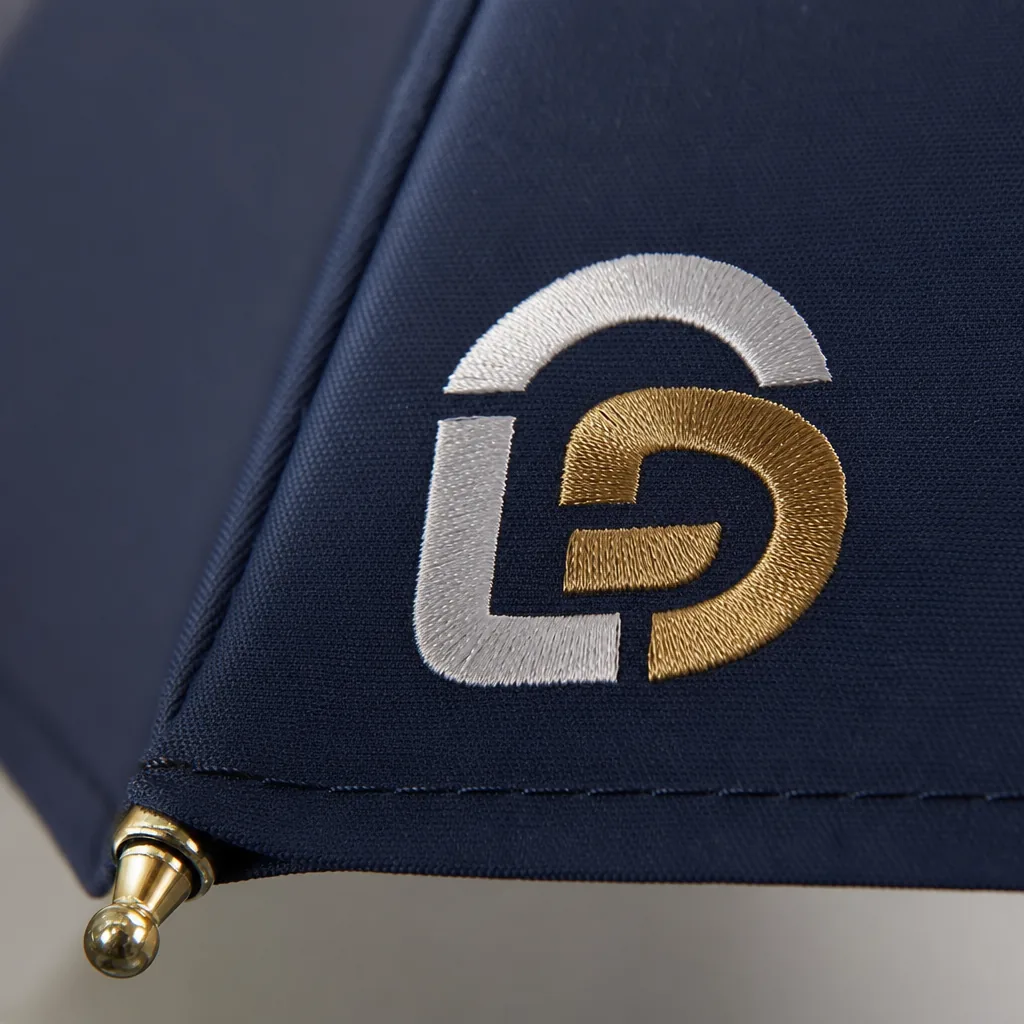
Step-and-Repeat Umbrella Patterns for Brand Campaigns
Plan repeating logo umbrella patterns with panel layout, print sizing, color control, MOQ, sampling, and QC checks for r...
Read More »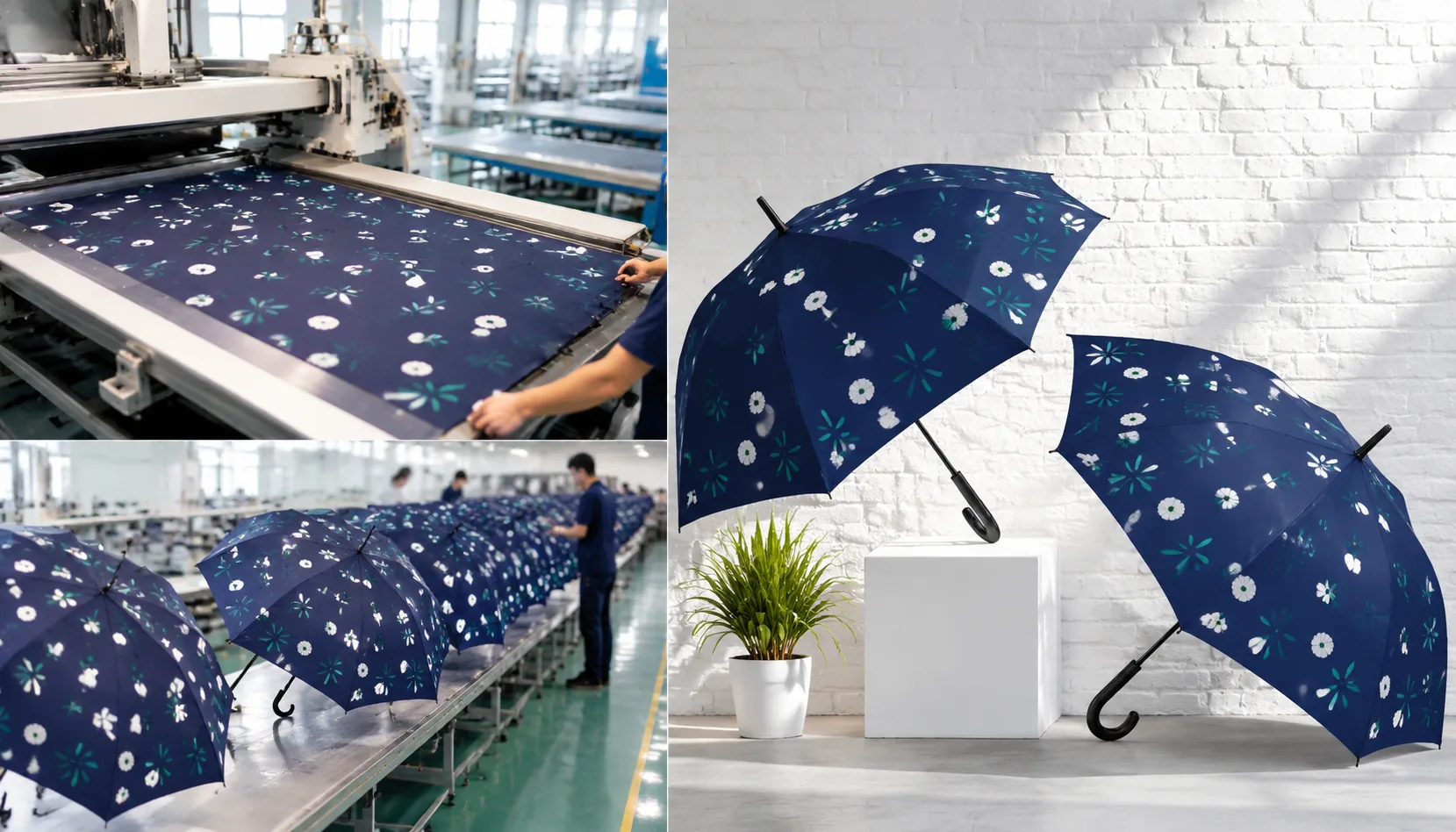
Step-and-Repeat Umbrella Printing for Sponsor Campaigns
Plan sponsor-ready step-and-repeat umbrella prints with logo spacing, panel seams, 190T/210T fabric choices, MOQ, sample...
Read More »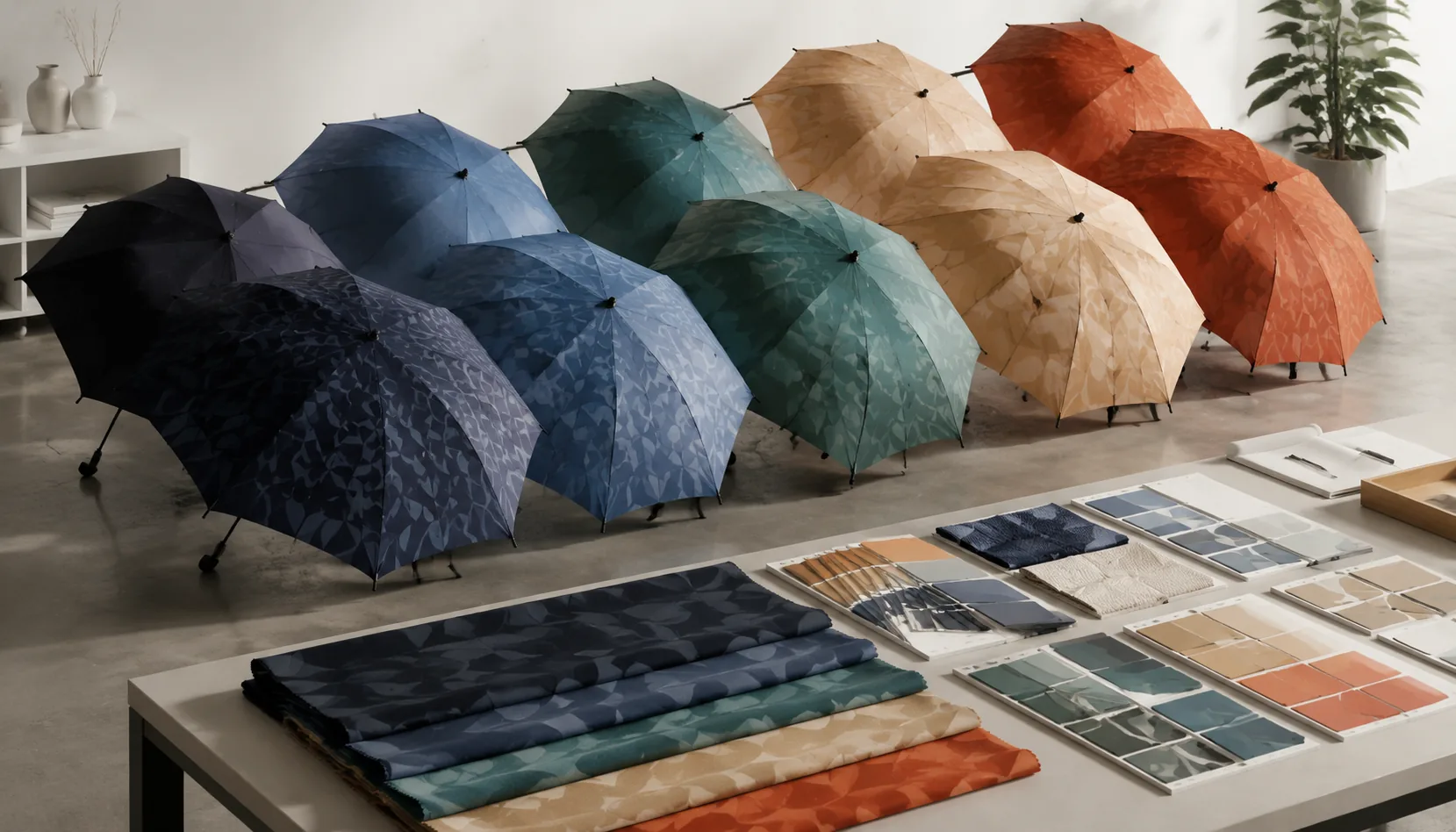
Step-and-Repeat Logo Patterns for Promotional Umbrellas
Plan repeat-logo umbrella artwork with correct scale, panel breaks, 190T/210T fabric choices, proofs, MOQ, lead times, a...
Read More »