Umbrella Durability Testing Beyond AQL: What Buyers Specify
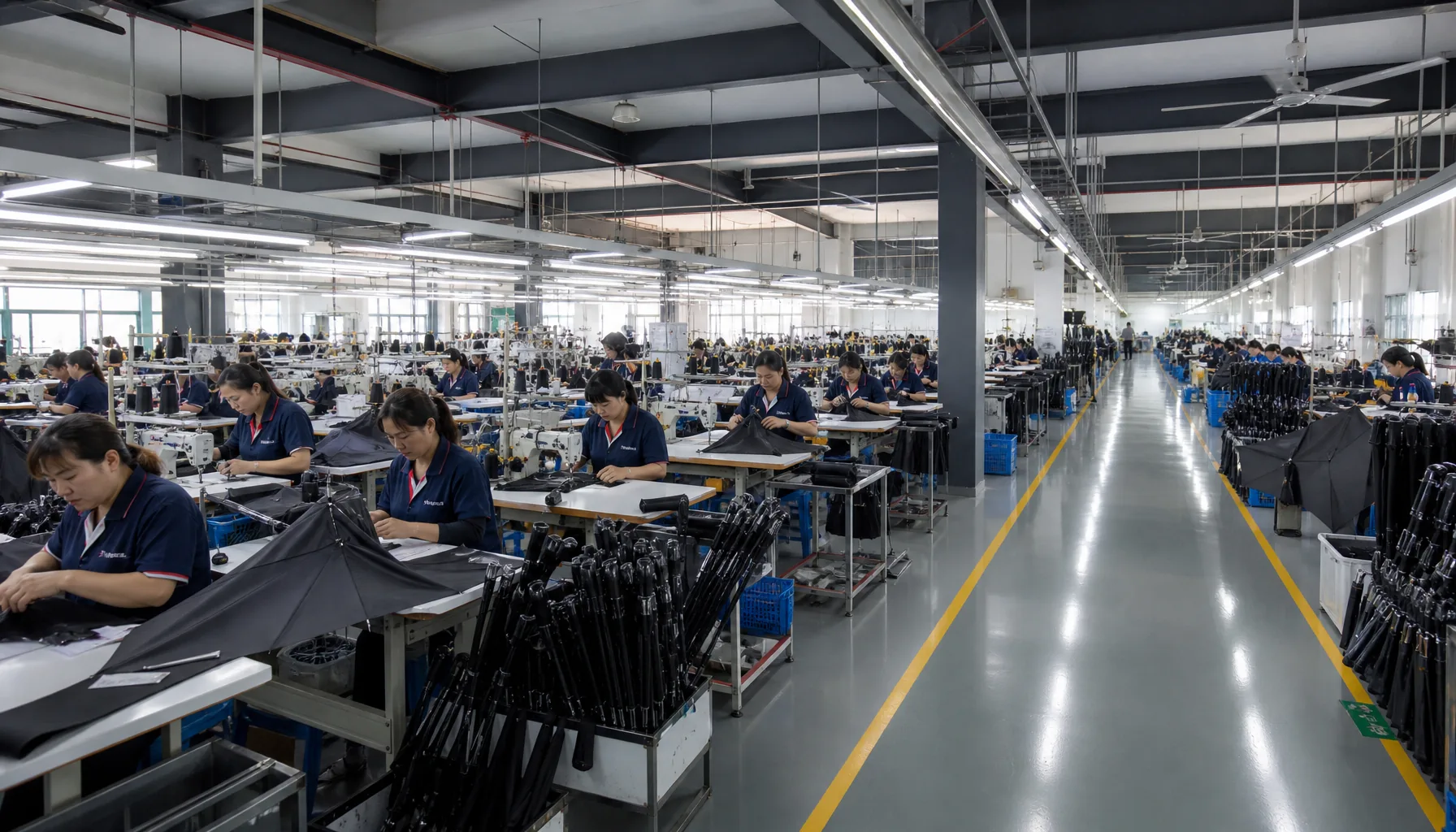
A passed AQL inspection can still leave buyers with umbrellas that leak, fade, jam, or fail after the first windy season. On our Songxia production floor, we see that umbrella durability testing has to be specified before bulk production, not added as a last-minute checklist at final inspection. The real question is which tests match your market, price point, and failure risks before cartons leave Shangyu.
Why AQL Inspection Is Not a Durability Test
AQL 2.5 is a sampling rule, not a stress test. In a normal custom umbrella inspection, the inspector pulls a statistically defined quantity from finished cartons and checks visible or functional defects: broken tips, skipped stitches, crooked print registration, loose ferrules, stains on 190T/210T pongee, wrong carton marks, handle scratches, and whether manual, auto-open, or auto-open-close mechanisms operate correctly at that moment. That process is useful because it protects buyers from a bad production lot, but it does not tell you whether a 23" 8K steel-frame umbrella will survive six months of commuter use or whether a 27" fiberglass golf umbrella can handle repeated gusts. AQL accepts or rejects based on defect counts, usually with critical, major, and minor categories. It does not cycle the runner 500 times, soak the canopy, bend ribs repeatedly, or run windproof umbrella testing at 40–50+ mph. Treat AQL as the final gate before shipment, not as proof of durability.
Real umbrella durability testing starts before mass production and uses controlled abuse that finished-goods AQL will never cover. For frames, buyers should specify open-close cycling, rib flex testing, shaft bending, runner pull force, spring fatigue, and drop tests on handles. For canopies, useful umbrella quality tests include hydrostatic or spray rating, colorfastness to rubbing and rain, seam slippage, UV coating verification for UPF 50+, and adhesion checks for screen print, heat-transfer logos, or sublimation panels. A double-canopy vented model should be tested for vent stitching strength, not just checked for appearance. A POE, PVC, or EVA transparent dome umbrella needs cold-crack and whitening checks because these materials fail differently from pongee. In our standard practice at ZheBrella, pre-production samples and pilot-run pieces get harsher testing than carton inspections because that is when tooling, rib gauge, fabric coating, and sewing tension can still be corrected without scrapping thousands of units.
The best buying specification combines both systems: lab-style durability checks for the approved sample and pilot run, then AQL 2.5 inspection on packed mass production before FOB or DDP shipment. For example, require a 21" auto-open-close compact umbrella to pass 300–500 open/close cycles, a 30" golf umbrella to survive wind-tunnel testing at 50+ mph without rib fracture, and a printed canopy to pass wet-rub and tape-pull checks before approving bulk production. Then use AQL to confirm the actual shipment matches that approved construction: rib count, fiberglass versus steel, fabric weight, coating, logo position, barcode, polybag, and carton quality. Buyers should put these requirements in the PO, not negotiate them after goods are packed. Umbrella factory testing is most reliable when acceptance criteria are numerical: no shaft deformation over a set load, no seam opening beyond 3 mm, no broken ribs after a defined cycle count. That is how umbrella durability testing becomes enforceable instead of just a marketing claim.
Open-Close Cycle and Auto Mechanism Testing
Open-close cycle requirements should be written by mechanism type, not copied as one blanket number. For manual stick umbrellas and 23" folding models, I like to see 500 full cycles as a baseline: open to shaft lock, hold 3 seconds, close fully, then repeat. For auto-open umbrellas, specify 1,000 button-triggered openings with hand-closing after each cycle, because the spring and runner take the load differently than a manual frame. For auto-open-close 21" and 23" compact umbrellas, 1,500 cycles is a more realistic screen, with every cycle including button open, button canopy collapse, and manual shaft compression until the lock clicks. This part of umbrella durability testing catches problems AQL 2.5 final inspection often misses, especially weak coil springs, sticky plastic runners, and shafts that lock well for the first 20 tries but start slipping after real use.
Spring fatigue is the first failure mode I watch. After cycle testing, the canopy should still snap open without hesitation, the runner should travel smoothly, and the top spring should not leave the umbrella half-open. On steel shafts, check for burrs or plating buildup around the locking hole; on aluminum or fiberglass-shaft compact models, check whether the telescopic sections twist under compression. The runner must not crack, the notch must not deform, and the shaft lock should hold when the open umbrella is pulled downward with moderate hand force. In proper umbrella factory testing, we also record opening speed before and after cycling. A slow auto-open is usually not a button problem; it is often spring fatigue, rib friction, or canopy tension from tight sewing at the tips.
Button reliability and handle security need separate checks because they fail in different ways. Press the button from center, left edge, and right edge for at least 100 samples in a production lot, and reject if the button sticks, double-fires, or needs excessive force. For auto-open-close umbrellas, the reset compression should not feel gritty, and the user should not need two hands and body weight to push the shaft back in. Handle pull testing should be specified at 15–20 kgf for glued plastic handles and higher for screw-fixed wooden or EVA handles, followed by a twist check to catch weak adhesive. For custom umbrella inspection, especially promotional orders with printed handles or rubberized grips, check that branding does not interfere with button travel. These umbrella quality tests pair well with windproof umbrella testing, because a frame that survives 50+ mph in a tunnel still fails the buyer if the button jams after three weeks.
Frame Strength, Wind, and Rib Recovery Checks
Frame strength starts with static rib load, not a slogan about being “stormproof.” In our umbrella factory testing, we hang calibrated weights at the rib tip and mid-rib position, then check deformation after 30 seconds and again after release. A typical 23" 8K promotional umbrella with steel ribs may pass a 500–700 g tip load, but once bent past its elastic range it often keeps a visible kink. Fiberglass ribs behave differently: they flex deeper, recover cleaner, and usually fail by splitting at the joint or cap instead of taking a permanent bend. For retail programs, buyers should specify the load point, load weight, hold time, and allowable recovery gap, because “strong frame” means nothing without those four numbers.
Rib count changes durability, but not always in the way buyers assume. An 8K frame has fewer stress paths, so each rib carries more load; it is lighter, cheaper, and easier to assemble consistently. A 16K frame spreads canopy tension better and looks premium, especially on 27" and 30" golf umbrellas, but it doubles the number of joints, rivets, and potential looseness points. I have seen poor 16K frames fail faster than a well-built 8K fiberglass frame because the stretchers were too thin or the rivet holes were punched off-center. Practical umbrella durability testing should include open-close cycling, rib symmetry measurement, runner lock pull force, and recovery after manual inversion.
Wind claims need sample-based validation, not copied numbers from a catalog. For double-canopy vented windproof umbrellas, we test airflow escape, canopy lift, rib inversion, and whether the frame returns without cracked stretchers or torn pockets. A realistic claim for a well-made 23" or 27" fiberglass vented umbrella is “survives 50+ mph controlled wind-tunnel testing,” but only if the sample size, wind duration, angle, and pass criteria are recorded. ZheBrella’s standard practice is to separate windproof umbrella testing from normal AQL 2.5 visual inspection, because AQL catches stitching defects and bent tips but does not prove frame recovery. For custom umbrella inspection, buyers should approve pre-production samples, then validate bulk lots with pulled samples from packed cartons, not handpicked showroom pieces.
Fabric, Coating, and Colorfastness Tests
Fabric failure shows up before frame failure when buyers specify cheap cloth, so umbrella durability testing should start with the canopy roll, not the finished carton. For 190T pongee, I like to see a basic hydrostatic resistance check around 300–500 mm H2O for promotional umbrellas and higher for retail rain umbrellas; 210T pongee with tighter yarn density normally performs better after coating. Rain leakage testing is simple but revealing: mount the finished 23" or 27" umbrella at a natural use angle, spray for 10–15 minutes, then check seam lines, top notch stitching, tips, and panel joins. Most leaks are not through the middle of the fabric; they come from needle holes, loose thread tension, or poor cap assembly at the top.
DWR performance is different from waterproofness, and buyers should not let suppliers mix the two terms. A good water-repellent finish makes droplets bead and roll off after a shower spray test; hydrostatic resistance measures how much water pressure the coated fabric can resist before penetration. In umbrella factory testing, we check both before bulk cutting because coating variation across a dyed lot can ruin consistency. For UV umbrellas, UPF 50+ claims need a coating-side check, especially on silver, black glue, or color glue fabrics. If the coating is uneven near fold lines or panel edges, the umbrella may pass visually but fail UV transmission testing after repeated opening and folding.
Colorfastness and print adhesion matter most on custom umbrellas because logos sit on moving, wet fabric. For rubbing colorfastness, dry and wet crocking tests should be run on dark 190T/210T pongee, especially navy, red, black, and saturated Pantone colors. Screen printing should survive tape pull and moderate scratch checks after curing; heat-transfer logos need edge-lift checks around curved panel areas; sublimation should be inspected for migration and shade shift. Our standard practice at ZheBrella is to include these umbrella quality tests in custom umbrella inspection when the order uses large white logos, metallic ink, or retail packaging where staining is unacceptable. AQL 2.5 catches visible defects, but it does not prove coating life, color stability, or adhesion under real rain use.
How to Put Testing Into a Purchase Order
Put the test language directly in the PO, not in a side email, because the QC team on the factory floor follows the signed order and approved sample. A good PO names each umbrella durability testing item, the standard or internal method, the sample size, and the pass/fail line. For example: 23" auto-open, 8K fiberglass ribs, 190T pongee canopy; open/close cycle test 500 times with no runner jam, spring failure, rib deformation, or loose tips; static water spray 30 minutes with no leakage through top cap or seam; handle pull test 15 kg for 10 seconds with no cracking. For windproof umbrella testing, write the target clearly: double-canopy vented construction must survive 50+ mph tunnel speed for 3 cycles without rib inversion damage or shaft bending. If the product uses UPF 50+ coating, Teflon water-repellent finish, POE transparent canopy, or heat-transfer logo, add the relevant coating, adhesion, and colorfastness checks instead of assuming they are included.
Separate the testing stages so the supplier cannot push all risk to final inspection. At sample stage, approve the complete construction: steel versus fiberglass ribs, 8K/10K/16K frame count, shaft diameter, fabric weight such as 190T or 210T pongee, logo placement, packaging, and operating mechanism. At pre-production, require a pilot run check on bulk materials before cutting: canopy color under D65 light, rib gauge, runner fit, spring tension, tip stitching, Velcro tab strength, and carton drop suitability. At pre-shipment, run umbrella quality tests on finished goods after packing is mostly complete, usually when 80% to 100% of the order is produced and at least 80% is packed. Our standard practice at ZheBrella is to freeze the golden sample before mass production, then use it as the reference for custom umbrella inspection so the final AQL result is not argued subjectively.
AQL belongs in the PO together with functional testing, because they answer different questions. I recommend AQL 2.5 for major defects and 4.0 for minor defects on most promotional and retail orders, with critical defects at zero tolerance. Define major defects in buyer language: broken rib, sharp burr, failed auto-open-close, crooked logo over 3 mm, leaking seam, cracked handle, wrong barcode, or mixed color in carton. Packaging checks should include inner polybag warning text, hangtag, retail sleeve, master carton strength, carton marks, SKU separation, quantity per carton, desiccant if required, and pallet loading for DDP shipments. Also write who pays for retesting if the first inspection fails, when the booking can be released, and whether the inspector may open sealed export cartons. Good umbrella factory testing is not complicated, but it must be measurable; if the PO only says “good quality,” the factory can pass almost anything that looks acceptable from one meter away.
Frequently Asked Questions
Should durability testing be done on samples or mass production goods?
Both are useful. Samples confirm the design, while pre-shipment testing on production units verifies the factory used the approved frame, fabric, coating, and mechanism.
What is a reasonable open-close cycle test for custom umbrellas?
For promotional umbrellas, buyers often request several hundred cycles; for premium retail umbrellas, higher cycle targets are appropriate. Auto-open-close models need extra attention because spring and runner failures are more common.
How many open-close cycles should a buyer request for a durability test?
For promotional and retail umbrellas, buyers commonly request 1,000 to 3,000 open-close cycles depending on the price point and frame type. Higher-end or automatic models may require a tighter spec with no frame failure, loose parts, or canopy tearing at the end of the test.
What salt spray result is reasonable for metal umbrella parts?
A practical buyer spec is 24 to 48 hours of salt spray resistance for coated metal parts, with no red rust on critical joints or springs. For coastal retail programs, some importers ask for longer exposure or upgraded anti-corrosion coatings.
Should AQL replace functional testing for umbrellas?
No. AQL is useful for visual and dimensional sampling, but it does not prove durability in use. Buyers usually pair AQL with functional tests such as wind, rain, cycle, and rib-strength checks before shipment.
Looking to Launch Your Custom Umbrella Line?
ZheBrella is a Zhejiang-based OEM/ODM umbrella manufacturer with 17 years of export experience. Free design, low MOQ from 100 pieces, windproof construction, full-color print.
Get Free Quote Now »People Also Search For
Related Articles
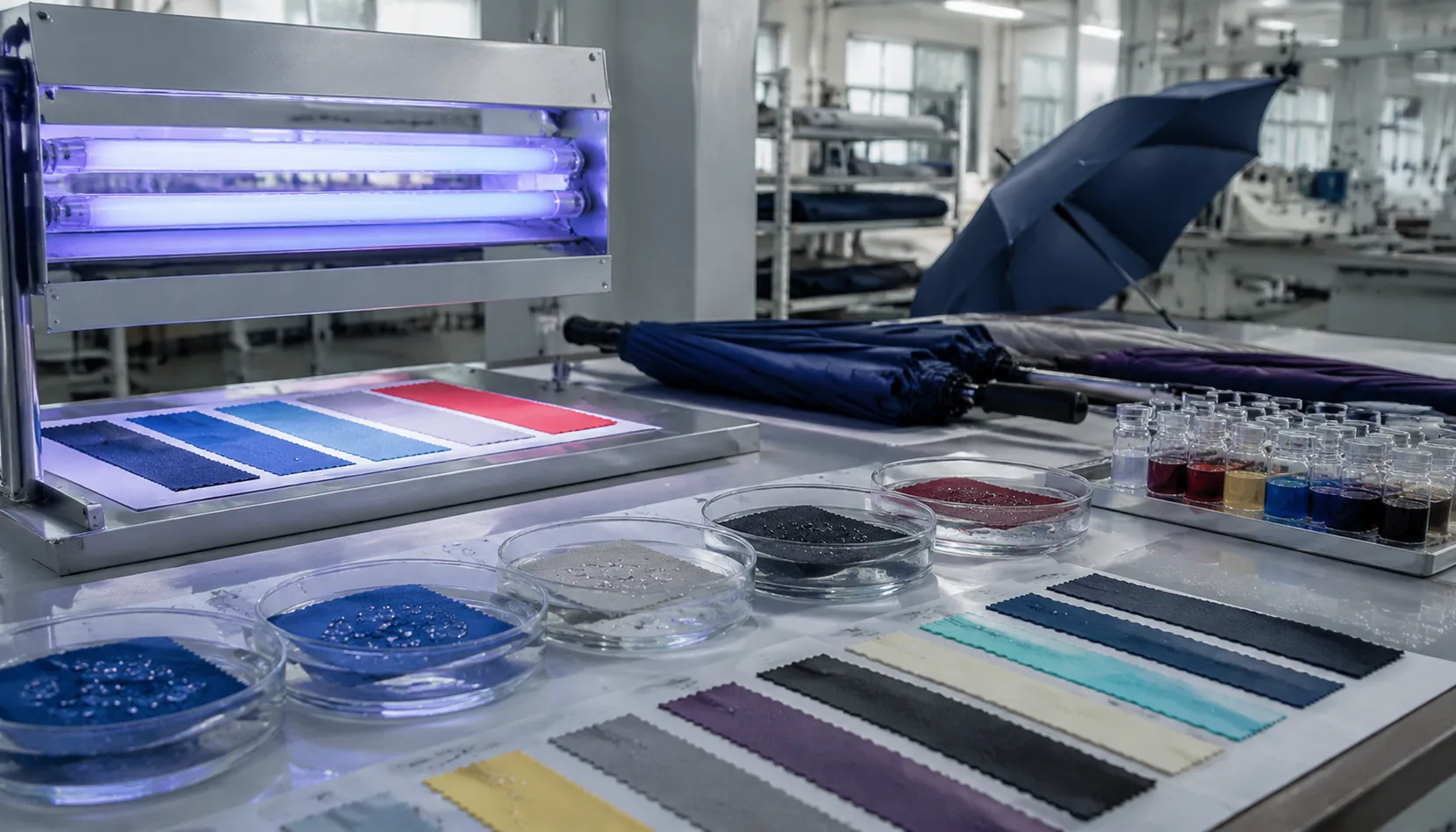
Umbrella Fabric Colorfastness Tests for Branded Orders
Avoid logo bleed and shade drift with colorfastness, rubbing, UV, and rain tests for 190T/210T pongee before bulk umbrel...
Read More »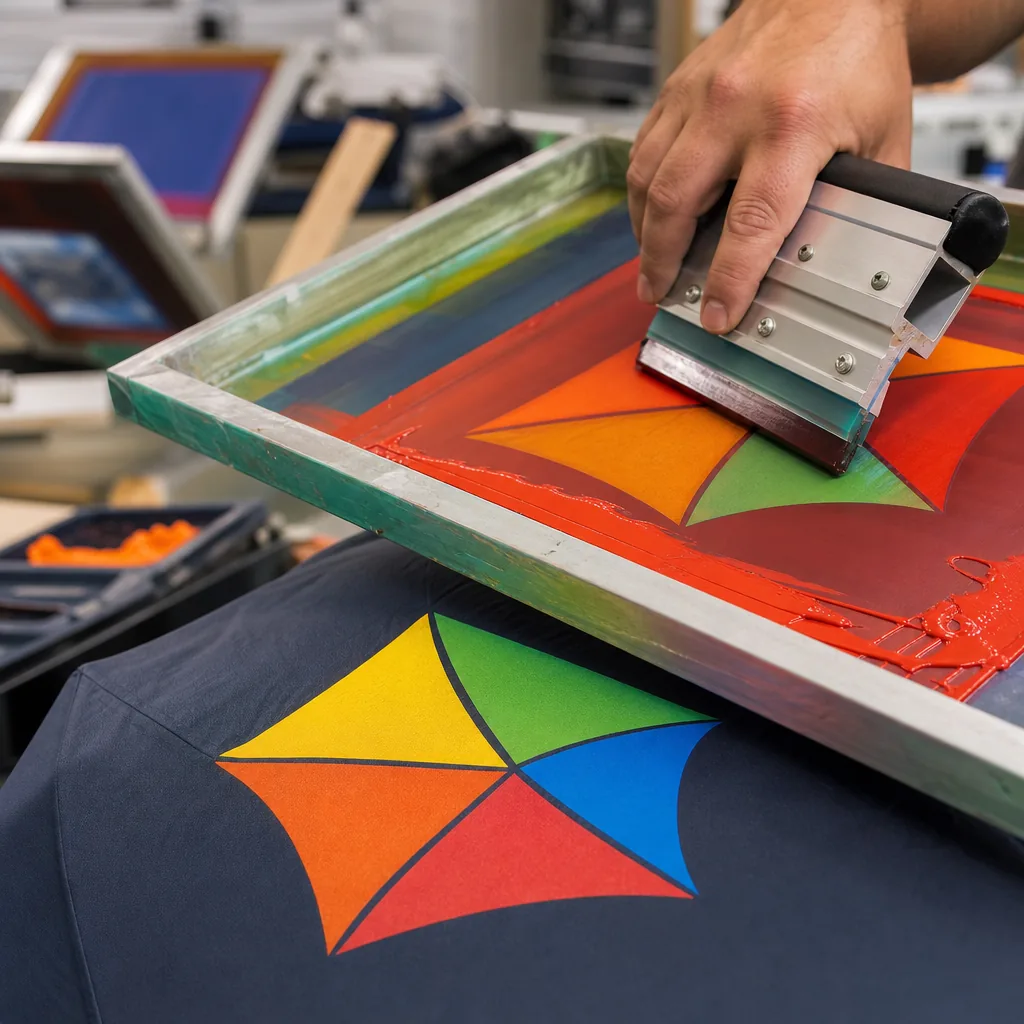
AQL 2.5 for Umbrella Inspections: What Buyers Should Specify
See how AQL 2.5 is applied to umbrella orders, which defects matter most, and what tolerances protect quality before shi...
Read More »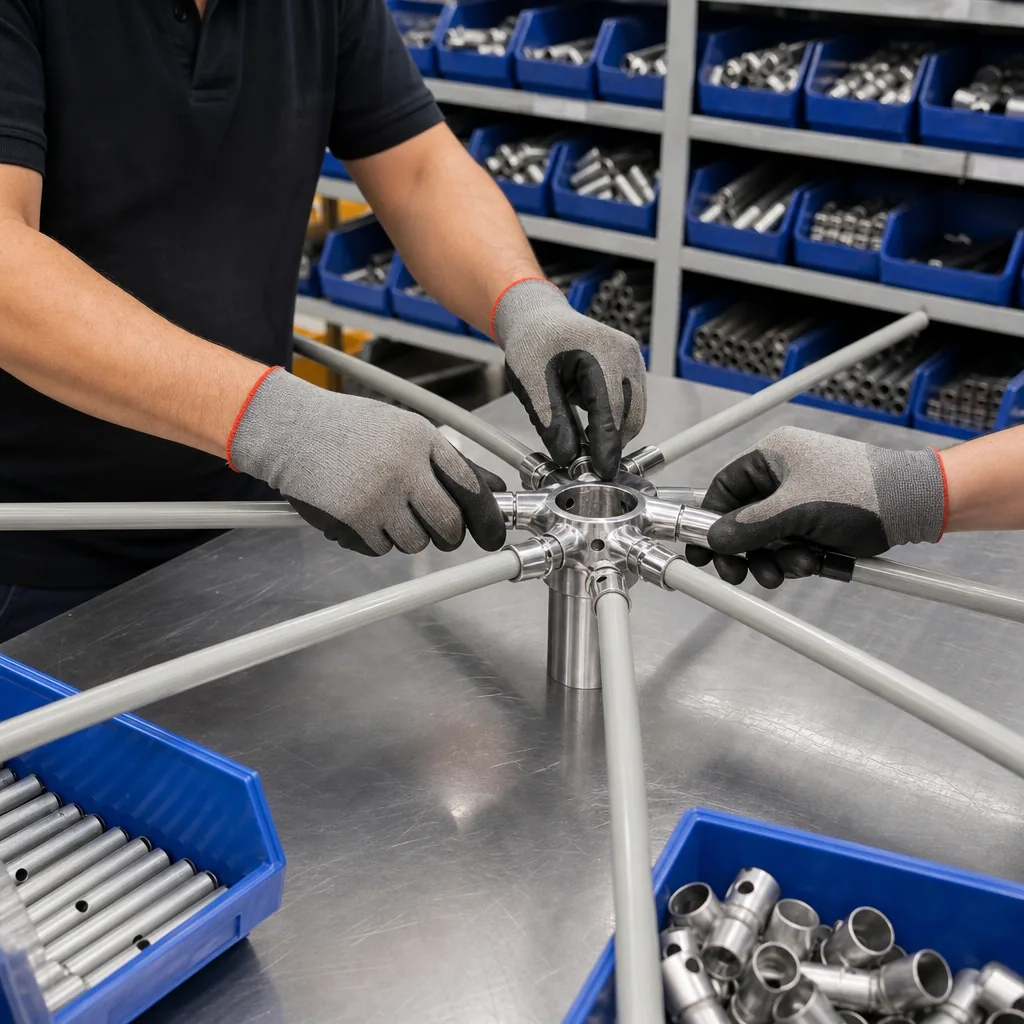
AQL 2.5 Umbrella Quality Control for OEM and ODM Orders
Learn how umbrella factories use AQL 2.5, pull tests, opening-cycle checks, and fabric verification to control defects b...
Read More »