Umbrella Fabric GSM Explained: Weight, Strength, and Feel
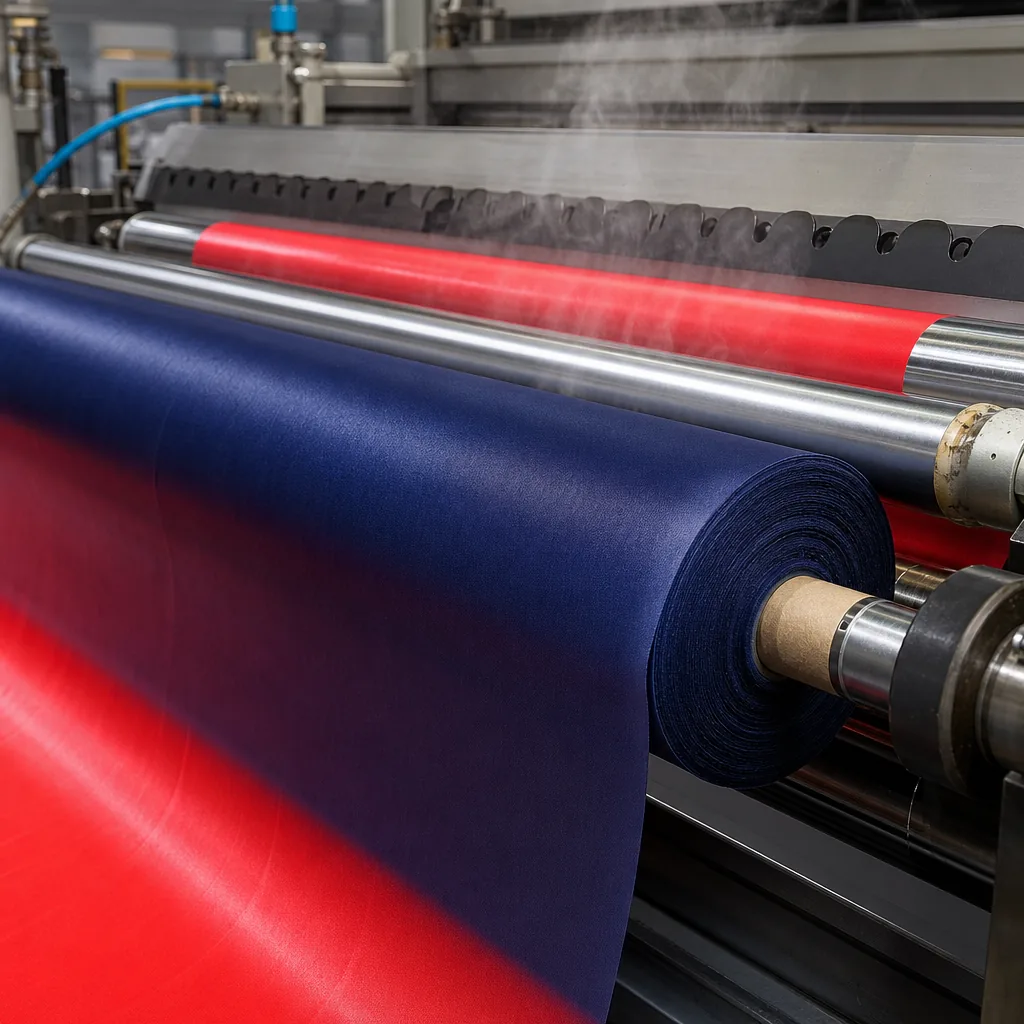
Choosing umbrella canopy fabric is a balancing act: too light and the cover can stretch, leak, or wear out early; too heavy and the umbrella feels stiff, costs more, and can slow production. In practice, umbrella fabric gsm is the starting point for matching wind resistance, hand feel, and print performance to the right product tier. On the factory floor, the best spec depends on canopy size, frame strength, coating, and how the umbrella will actually be used.
What GSM measures and why it matters
GSM means grams per square meter, so umbrella fabric gsm is simply the weight of one square meter of canopy cloth before cutting and sewing. It is a density measure, not a marketing label, and it gives you a fast way to compare how substantial one fabric is against another. In umbrella work, 190T pongee at one GSM level and 210T pongee at another can feel very different in hand even when the weave count sounds close, because the yarn size, coating, and finishing also change the result. A higher GSM usually means more body, less see-through, and better resistance to abrasion, but it also adds umbrella canopy weight, which affects how the finished product carries and folds.
Thread count is a different metric. It tells you how many threads are woven into a given area, usually by counting the ends and picks in the weave, while GSM tells you the actual mass of that fabric. Two fabrics can share the same thread count and still have different umbrella fabric density if one uses thicker yarns or a heavier coating. That is why a gsm umbrella spec should never be read in isolation. On the factory floor, we look at weave construction, coating type, and hand feel together, because a tight weave with a light finish can feel crisper than a looser weave with a heavy resin layer, even when the grams per square meter are close.
For buyers, the practical question is not just how heavy the cloth is, but what that weight does in use. Lower GSM fabrics usually pack smaller and make a lighter frame easier to carry, which matters for promotional giveaways and compact travel models. Higher GSM fabrics usually drape better, block light more effectively, and hold up better against repeated opening, closing, and rubbing at the ribs and tips. That is why umbrella fabric gsm should be matched to the frame style, canopy size, and end use. A 21-inch folding umbrella for mass retail does not need the same umbrella canopy weight as a 30-inch golf umbrella, and specifying the right umbrella fabric density early avoids complaints about flapping, transparency, or a product that feels flimsy in the hand.
GSM vs durability and water resistance
Umbrella fabric gsm tells you how much cloth is packed into a square meter, and that usually tracks with feel and durability, but it is not a straight line. A 190T or 210T pongee canopy at a moderate gsm will usually outlast a thin polyester canopy because the yarn structure is tighter and the coating holds better, not just because the fabric is heavier. In factory terms, umbrella canopy weight matters most when you compare the same fiber, weave, and finish. A gsm umbrella made with a denser weave and proper resin or PU coating will resist tearing at the seam and around the rib tips better than a lighter cloth that looks similar on paper. Once you get into very heavy fabric, the gains flatten out, and the frame becomes the weak point if the ribs are still thin steel instead of fiberglass.
Water resistance is driven more by coating, weave density, and finishing than by weight alone. A higher umbrella fabric gsm can help the surface carry more coating, but if the fabric density is loose, water still pushes through pinholes and capillary gaps. In practice, a 210T pongee with a clean DWR finish and tight weave sheds water better than a heavier but poorly finished cloth. The same goes for umbrella fabric gsm on POE, PVC, or EVA canopies: thickness improves initial splash resistance, but the real test is how fast the droplets bead and roll off after repeated flexing. ZheBrella’s standard practice is to check hydrostatic behavior after cutting and sewing, because needle holes, seam tape, and print layers often matter more than the nominal fabric weight.
There are diminishing returns once the canopy is already at a reasonable range for the umbrella size. For a 21-inch compact, pushing fabric weight too high makes the umbrella feel stiff, slows drying, and adds bulk without a proportional jump in service life. For a 27-inch golf model, a heavier cloth can be useful if the frame is 8K or 10K fiberglass and the design needs better wind stability, but even then the extra grams only help up to the point where the canopy stops fluttering and starts loading the mechanism. Buyers should read umbrella fabric density alongside coating type, rib count, and frame material, not as a standalone spec. The practical question is whether the fabric survives abrasion, repeated opening, and wet-dry cycles without losing shed performance; that is where the real difference between a cheap gsm umbrella and a properly built canopy shows up.
Typical GSM ranges by umbrella type
For promotional umbrellas, the usual umbrella fabric gsm is roughly 45 to 75 gsm for very light polyester, and about 75 to 90 gsm when buyers want something that survives normal giveaways without looking flimsy. That range is common for 21" to 23" compact frames, where the canopy is more about keeping unit cost down than building a heavy-duty product. In practice, the real difference is not just umbrella canopy weight but how tightly the fabric is woven and how well it is coated; a 70 gsm cloth with a poor coating can feel worse than a 60 gsm cloth with better resin finish. On the factory floor, we look at umbrella fabric density, yarn thickness, and coating pick-up together, because GSM alone does not tell you how the canopy will drape, print, or hold shape in wind.
Premium umbrellas usually sit in the 90 to 120 gsm range, and that is where gsm umbrella specs start to matter to end users instead of only to procurement. This is the zone for better pongee polyester, often 190T or 210T, where the hand feel is smoother, the canopy recovers better after folding, and the printed logos do not show as much strike-through. For a 23" or 27" stick umbrella, that extra weight gives a more substantial feel without making the frame fight the cloth. ZheBrella’s standard practice is to match fabric weight to rib count and opening mechanism, because an auto-open-close frame with thin cloth can feel loose, while a manual frame with heavier fabric can feel properly balanced. If you want a premium look, the coating and weave matter as much as the number on the spec sheet.
Patio canopies are a different category entirely, and the usual umbrella fabric gsm is closer to 160 to 220 gsm, sometimes higher for outdoor shade products that stay exposed for long periods. These fabrics are thicker, less about packability, and more about resisting UV, fading, and repeated tension across a large span. A patio canopy often uses solution-dyed polyester, acrylic, or heavier coated woven fabric, because the umbrella canopy weight needs to stay stable in a large 9 ft to 11 ft structure. Here, umbrella fabric density is tied directly to service life: a low-GSM cloth may look fine at delivery, but it stretches, whips, and loses color faster under sun and moisture. For buyers comparing patio and hand-held umbrellas, the key point is simple: the same GSM number does not mean the same performance, because weave, coating, and fiber type all change how the fabric behaves in the field.
Weight tradeoffs for portability
On a compact umbrella, umbrella fabric gsm is not just a spec line on a datasheet; it changes how the product feels in a bag and in the hand. A 21-inch folding umbrella with 190T pongee at roughly 55 to 60 gsm will pack smaller and dry faster than a heavier 210T or coated fabric, but the lighter cloth can look less substantial and show pinholes sooner if the coating or weave control is poor. In practice, the canopy weight adds up with the frame, runner, tips, sleeve, and strap, so a 30 to 60 gram difference in fabric can turn into a noticeable carry penalty once the whole umbrella is assembled. Buyers who focus only on gsm umbrella numbers sometimes miss the real question: whether the extra grams buy better abrasion resistance, less flutter in wind, or just a heavier item to carry all day.
Heavier fabric usually improves hand feel and opacity, but it does not automatically make a compact umbrella stronger. Umbrella fabric density matters because a tighter weave with a good PU or water-repellent finish will shed rain better than a loose, heavy cloth that was chosen only for weight. For promotional or travel models, 190T pongee around 55 gsm is often the sweet spot because it keeps the umbrella canopy weight low without feeling flimsy. If the use case is a premium retail umbrella or a high-exposure city commuter model, moving to 210T pongee or a thicker coated polyester can make the canopy look fuller and reduce light bleed, but the folded package gets heavier and the opening action can feel less crisp if the frame is also underbuilt. The fabric has to match the ribs, not fight them.
The portability tradeoff becomes obvious when you compare a 3-section compact with a full-size stick umbrella. A 21-inch auto-open-close model is often carried every day, so even small changes in umbrella fabric gsm affect how often users actually take it with them. If the canopy is too heavy for the frame, the umbrella can feel nose-heavy in the wrist and wobble when closed in a tote or backpack. If it is too light, you save weight but risk a thin hand feel, louder flapping, and faster wear at the seams and vent points. For most compact programs, I would treat umbrella fabric density as one part of the system: pick the lightest fabric that still gives acceptable opacity, tear resistance, and print quality, then confirm the total canopy weight against the target carry spec before locking the BOM.
Specifying GSM in your tech pack
Do not write only a number in the tech pack. If you want the factory to hit the right hand feel and durability, specify umbrella fabric gsm together with the exact fabric base and finish: for example, 190T pongee at 100 gsm with a PU coating, or 210T polyester at 120 gsm with a silver UV backing. That matters because the same gsm umbrella can behave very differently once you change yarn count, weave density, or coating thickness. A loose weave at 110 gsm will feel lighter and let more light through than a tighter 100 gsm pongee with the same coating. In practice, umbrella canopy weight is only one part of the spec; the buyer also needs to define whether the cloth is pongee, polyester, POE, PVC, or EVA, and whether the finish is water-repellent, Teflon-treated, or UV coated. Our standard practice is to lock all three variables in the tech pack so there is no guessing at sample stage.
You should also state acceptable tolerance and the target performance, not just the nominal gsm. A supplier can cut the same panel weight a little heavier or lighter depending on dyeing and coating, so write something like 105 gsm +/- 5 gsm, 190T pongee, PU backing, water resistance level target, and UPF 50+ if UV protection is required. That is the practical way to control umbrella fabric density without creating a vague spec that gets interpreted differently by each mill or sewing line. If the umbrella is for a budget promo program, a lighter canopy may be fine; if it is a windproof or retail-grade product, the canopy weight should be matched to rib count, venting, and open-close mechanism so the frame and cloth do not fight each other in use. In short, the tech pack should describe the full fabric system, not just umbrella fabric gsm in isolation.
Frequently Asked Questions
What GSM is good for an umbrella canopy?
Most quality umbrella canopies fall in a moderate GSM range that balances durability with weight; very high GSM adds little water resistance but a lot of carry weight. State the GSM together with the fabric type (e.g. 210T polyester) and coating so the spec is unambiguous.
Does higher GSM mean a better umbrella?
Not automatically. Past a point, more weight just makes the umbrella heavier without improving rain performance, which depends more on the coating and weave. Match GSM to the use case rather than assuming heavier is better.
What GSM range is typical for compact folding umbrellas?
Most compact folding umbrellas use canopy fabric in the 70 to 100 GSM range, usually with 170T to 190T polyester. That keeps the umbrella light enough for carry use while still giving basic rain resistance and decent printability.
What GSM should I specify for a stronger golf umbrella canopy?
For golf umbrellas, buyers often spec 100 to 160 GSM fabric, depending on wind target and frame strength. If the frame is reinforced, 110 to 130 GSM is a common middle ground because it balances durability, drying speed, and weight.
Does higher GSM always mean better umbrella performance?
Not always. Higher GSM usually means a heavier and denser fabric, but performance also depends on weave, coating, seam quality, and frame design. A well-coated 100 GSM canopy can outperform a poorly finished 140 GSM fabric in real use.
Looking to Launch Your Custom Umbrella Line?
ZheBrella is a Zhejiang-based OEM/ODM umbrella manufacturer with 17 years of export experience. Free design, low MOQ from 100 pieces, windproof construction, full-color print.
Get Free Quote Now »People Also Search For
Related Articles
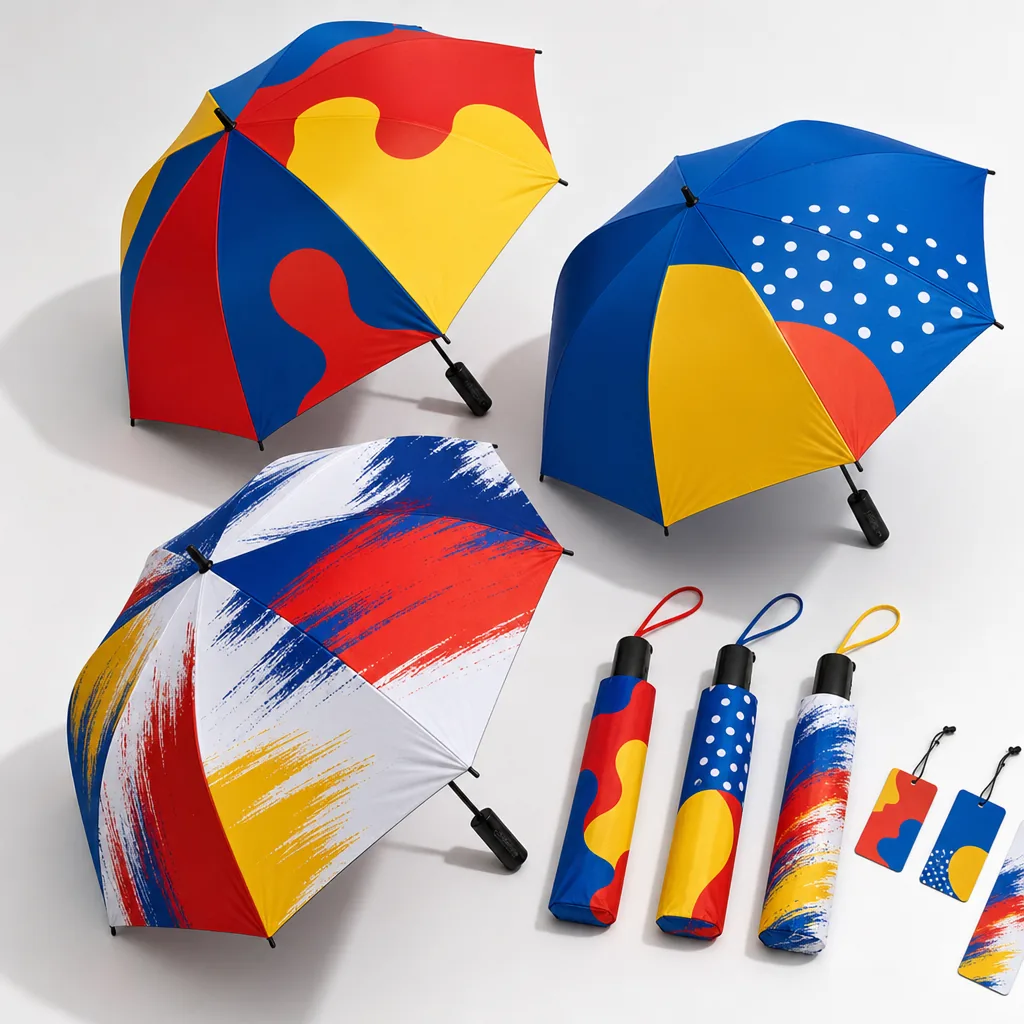
Choosing Canopy Fabric for Custom Umbrellas: Weight, Feel, and Finish
Learn how canopy fabric weight, weave, and coating affect print quality, water resistance, UV protection, and landed cos...
Read More »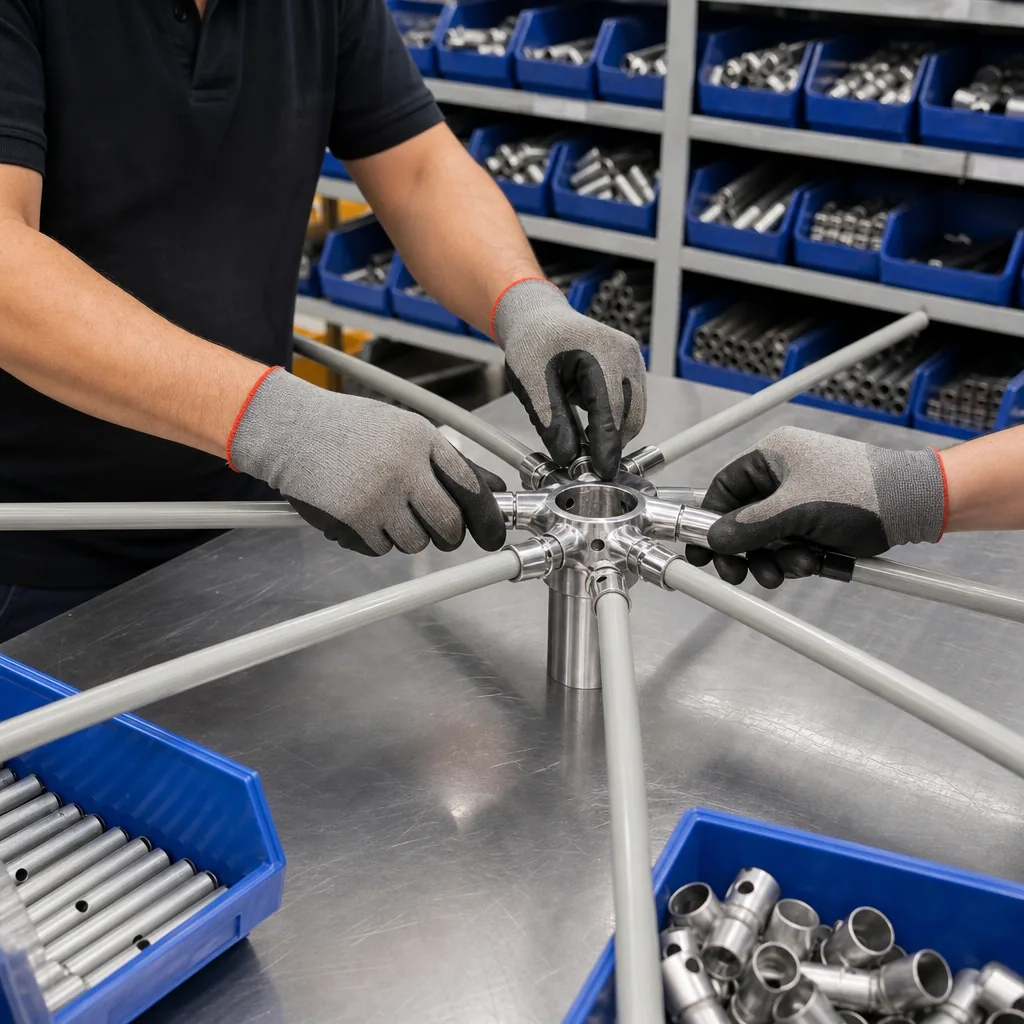
Umbrella Canopy Cutting Tolerances for Consistent Production
See how panel cutting tolerance, fabric shrinkage, and marker layout affect canopy fit, print alignment, and rework in O...
Read More »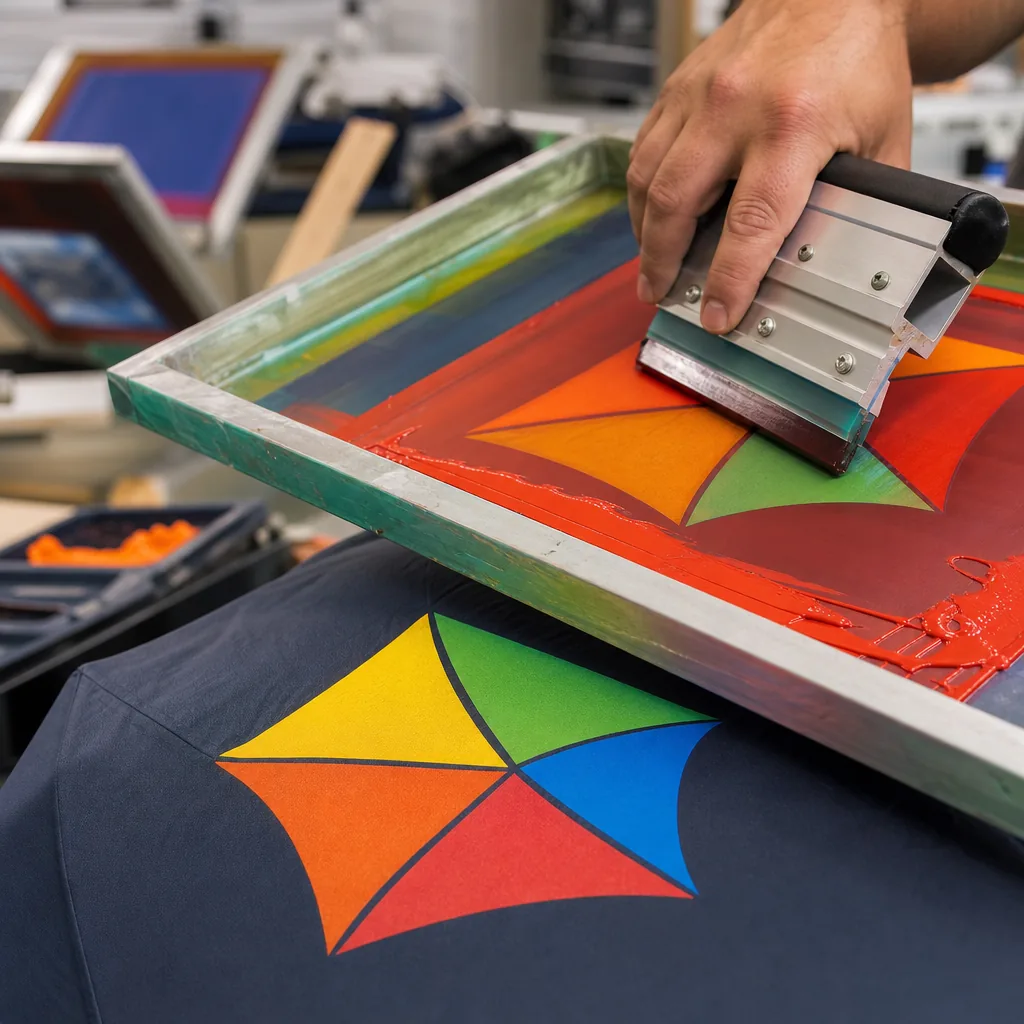
Umbrella Canopy Cutting: Panel Accuracy and Fabric Yield
See how marker planning, 190T/210T pongee layup, die or CNC cutting, and shade control improve fit, yield, and repeatabi...
Read More »