Umbrella Canopy Cutting Tolerances for Consistent Production
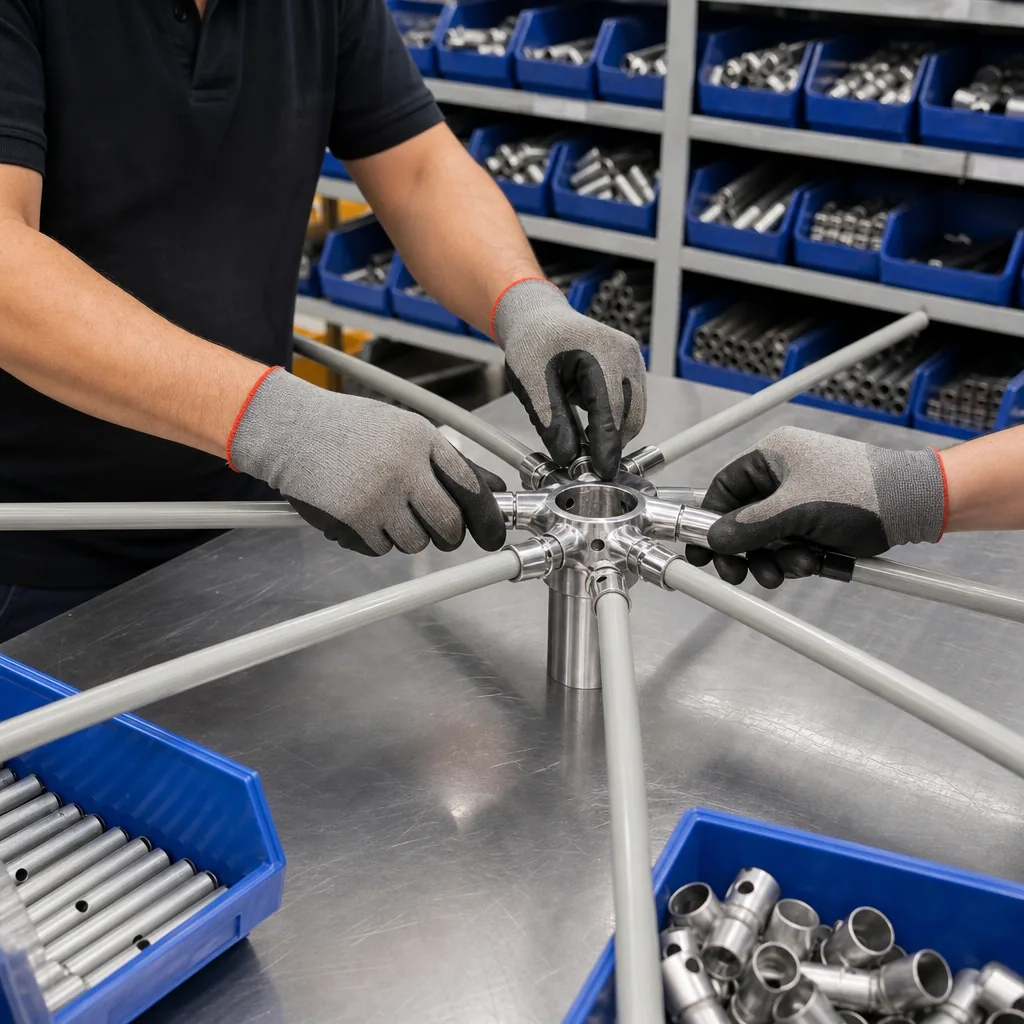
In OEM umbrella production, small errors at the cutting table show up later as twisted seams, off-register prints, and canopies that fight the frame during closing tests. From our floor in Songxia, we watch umbrella canopy cutting tolerance, fabric shrinkage after coating, and marker layout together, because a few millimeters in panel variance can decide whether a run packs cleanly or goes back for rework.
How Panel Accuracy Affects the Finished Umbrella
Small panel errors become visible once the canopy is sewn onto the frame. On a standard 8-panel umbrella, a 2 mm miss at the panel base adds 16 mm around the skirt; on a 16-panel golf umbrella, the same error repeats across twice as many seams and distributes load unevenly across fiberglass or steel ribs. The result is not cosmetic only: one panel running long while the next runs short pulls the canopy diagonally, which creates uneven tension, twisted tips, a high side, or a crown that will not center on the shaft. In umbrella panel cutting, the control points that matter are center seam length, lower arc width, tip allowance, grain direction, and notch position for the rib pocket or ferrule. For most OEM umbrella production, a practical umbrella canopy cutting tolerance is about +/-1.5 mm on promotional 190T pongee, with tighter control expected on 210T pongee and printed retail-grade canopies because the sewing line has less room to hide error without adding distortion.
Print registration usually exposes bad cutting before frame issues do. Artwork can look correct on a flat marker, then fail after sewing when panels vary in grain direction, seam allowance, or notch position. On heat-transfer or sublimation canopies, a 3 mm shift near the top is enough to break a circle, step a stripe, or make a logo jump at every seam. Fabric behavior also matters in pongee canopy manufacturing: rolls cut immediately after spreading can relax back, and damp fabric or fabric with heavy Teflon or UV coating can drag under the knife and change the arc. Poor closing behavior is another common symptom. Panels cut too wide at the lower arc bunch between ribs and make the runner feel heavy; panels cut too narrow over-tension the canopy, so manual, auto-open, and auto-open-close frames snap open hard and fold poorly. On double-canopy windproof styles, the upper and lower layers must also match rib spacing and vent overlap or airflow drops and a 50+ mph design loses performance. Good umbrella fabric QC checks cut-panel stacks by size before sewing, not only finished goods at AQL 2.5. That matters even more on 21 inch compacts with tight curves and on 27 inch or 30 inch golf umbrellas, where small cutting errors travel farther and show at the tips, seams, closure strap, and skirt line.
Fabric Behavior: 190T vs 210T Pongee
190T pongee is faster to spread and easier to handle in high-volume rain umbrella lines, but its softer hand and lower yarn density make it more vulnerable to distortion before cutting. The critical failure mode is bias stretch: uneven table tension, over-pulled layers, or cutting from an unrested roll can turn an accurate marker into panels that sew short at the crown or drift near the tip. In umbrella panel cutting, this appears quickly on 8K and 10K frames because one distorted gore can rotate the seam line and twist the finished canopy. For standard 21 inch and 23 inch rain umbrellas, a realistic umbrella canopy cutting tolerance is about +/-1.5 mm on panel width and +/-2 mm on panel length when the cutting room controls spreading tension, relaxes fabric before laying, and checks skew before releasing bulk cuts.
210T pongee gives better dimensional control under a straight knife or CNC cutter because the denser weave resists stretch and keeps the coated face flatter on the table. That makes it the safer fabric for 23 inch and 27 inch auto-open umbrellas, retail programs, all-over prints, and OEM umbrella production where logo placement, seam alignment, and panel symmetry affect acceptance. The tradeoff is cosmetic risk: flatter 210T seams make a 2 mm panel-edge mismatch easier to see than on softer 190T. In pongee canopy manufacturing, 210T still needs sharp blades, vacuum hold, and controlled stack height; excessive plies can cause top-to-bottom drift, especially on long 27 inch and 30 inch golf umbrella panels.
Coating behavior can affect cutting accuracy more than the base weave. UPF 50+, Teflon-type DWR, PU backing, and blackout coatings can change surface friction, create edge curl, or relax after unrolling, so coated 190T and 210T rolls need tighter spreading and resting controls than uncoated rainwear fabric. At ZheBrella, coated rolls normally rest 12 to 24 hours before cutting, stack height is limited, and panel dimensions are checked from the top, middle, and bottom of the lay. For coated 210T on premium windproof umbrellas with large logos or contrast piping, critical seam edges may require +/-1 mm control. Effective umbrella fabric QC starts before the marker: roll width, coating stability, fabric skew, GSM, and shrinkage must be verified before bulk cutting is released.
Marker Layout, Grain Direction, and Cutting Method
Marker layout determines consistency before cutting starts. In 190T and 210T pongee canopy manufacturing, warp and weft do not stretch the same way, so rotating a gore 90 degrees to save fabric can change panel tension after sewing and frame mounting. On 23", 27", and 30" straight umbrellas, keep all 8K or 10K panels on one grain direction unless a mixed-grain marker has already passed frame fitting on the exact frame size. Smart nesting can reduce waste from roughly 18% to 12-14%, but over-tight nesting creates avoidable problems: shade-direction mismatch, unstable bias edges, and rib-tip distortion. The umbrella canopy cutting tolerance is set in the marker, not corrected later at sewing. Seam allowance, hem allowance, tip reinforcement allowance, notch position, and logo placement should be locked before bulk cutting. That approval step matters because even small changes in panel width or notch location can shift canopy balance, slow sewing, and increase rejection during umbrella fabric QC.
Choose the cutting method by MOQ, material, and tolerance risk. Steel-rule die cutting is usually the most repeatable option for OEM umbrella production once a single size reaches about 5,000-10,000 pieces; with controlled stack height, 190T or 210T pongee panels typically hold about +/-1 mm. For POE, PVC, or EVA, reduce stack height because compression and creep can move the cut line. Hand knife cutting suits samples, urgent 300-800 piece runs, and irregular umbrella panel cutting, but only with hard templates and experienced cutters; its main risk is cumulative drift across all eight panels, which can leave the finished canopy tight on one rib line and loose on the opposite side. CNC cutting is the practical choice for mixed SKUs, low-to-mid MOQ orders, sublimation panels, and artwork that needs registration control. A vacuum-table CNC system with a digital marker can hold about +/-0.5 to +/-1 mm on relaxed pongee if spreading tension is controlled. For printed panels, allowance planning must include measured print shrinkage; 1% movement across a 30" golf umbrella panel is enough to push a logo visibly off center. First-cut panels should be fitted on the actual frame before bulk release, then checked for panel width, arc length, notch location, and grain direction.
Inline Measurement and Print Alignment Checks
Stop defects at the cutting table, not after 5,000 panels reach sewing. In umbrella panel cutting, measure four points on every bundle before release: panel length from crown point to hem line, arc width along the curved edge, notch position for rib alignment, and tip allowance for the metal or plastic end cap. On a 23-inch straight umbrella with 8K steel or fiberglass ribs, a workable umbrella canopy cutting tolerance is typically +/-1.5 mm on panel length and arc, with notch position held to +/-1.0 mm. Do not relax control on 27-inch golf umbrellas or 30-inch promotional umbrellas; across 8K, 10K, or 16K frames, small cutting errors accumulate into twisted ribs, puckered seams, uneven canopy tension, and added rework cost after assembly. Record crown angle, hem curve, notch depth, and tip allowance on the cutting QC sheet so sewing receives panels that match the approved pattern, not a mixed bundle that forces hand-trimming later.
Pongee canopy manufacturing needs tighter process discipline because 190T and 210T polyester behave differently after coating, rolling, and spreading. A Teflon-coated 210T pongee panel can creep under a worn die, while POE, PVC, and EVA transparent canopies make seam mismatch immediately visible. For OEM umbrella production, check the first cut bundle, then recheck after blade sharpening, after each fabric roll change, and every 300 to 500 panels. For printed umbrellas, verify artwork placement before sewing starts because accurate cutting will not correct an off-center logo or artwork rotated across a rib line. On screen print, heat-transfer, or sublimation panels, hold logo center position within +/-2 mm of the approved panel artwork and confirm rotation against the rib centerline before releasing the bundle. Compare repeat orders with the signed pre-production sample under normal light, and confirm the logo clears the seam allowance, stays visible after the tip allowance folds, and aligns across adjacent panels on vented double-canopy styles. AQL 2.5 final inspection can catch visible defects, but the lowest-risk control point in umbrella fabric QC is still before sewing.
How Buyers Should Define Tolerance in Orders
Define umbrella canopy cutting tolerance in the purchase order with inspection points, not vague terms like “standard.” For a 23-inch straight umbrella in 190T pongee, specify panel length from tip to crown, seam allowance, and opposite-panel diagonal balance. A workable baseline for solid-color OEM umbrella production is ±2 mm on panel length and ±1 mm on seam allowance; for printed or striped panels, tighten the visible edge to ±1 mm because sewing drift is obvious once the canopy is mounted. For 27-inch and 30-inch golf umbrellas, add where the check applies: before sewing, after sewing, or after final mounting on the frame. That avoids disputes when larger panels show more stretch. Put the approved PP sample in the tech pack as the physical standard for umbrella panel cutting, including crown hole position, tip shape, grain direction, and acceptable fitting tension on 8K, 10K, or 16K frames.
Lock the fabric spec before discussing tolerance, because pongee canopy manufacturing changes with material and finish. State 190T or 210T pongee, recycled PET pongee, black-UV-coated polyester, or clear POE/PVC/EVA; then add GSM, yarn density, coating side, color standard, shrinkage allowance, and whether fabric must relax before cutting. A 210T pongee with Teflon finish typically cuts cleaner and shifts less under a press knife than softer coated fabric, while clear POE can deform if stacks are too high. Add a separate print-placement limit to the tech pack, since artwork registration is different from fabric size control: for example, logo offset from panel centerline at ±2 mm for screen print and ±3 mm for heat transfer on curved panels. Also write rework rules before bulk production: whether out-of-tolerance panels can be recut, downgraded, replaced, or accepted under AQL 2.5 umbrella fabric QC. Tighter umbrella canopy cutting tolerance is achievable, but buyers should expect more sampling rounds, higher cutting and inspection labor, and lead times that can extend by 2 to 5 days, especially on low-MOQ orders where fabric loss cannot be spread across volume.
Frequently Asked Questions
What cutting tolerance is realistic for custom umbrella panels?
Many OEM orders define panel tolerance in millimeters rather than visually. The exact limit depends on fabric, canopy size, and cutting method, but buyers should approve it during PP sampling instead of leaving it open.
Does 210T pongee cut more accurately than 190T pongee?
210T pongee often feels denser and can be more stable during handling, but coating, spreading tension, and cutter setup matter just as much. The factory should test the actual bulk fabric before mass cutting.
What cutting tolerance should buyers specify for OEM umbrella canopy panels?
For most straight umbrella and folding umbrella orders, buyers commonly specify a panel cutting tolerance of about +/-1 mm to +/-2 mm, depending on canopy size, fabric stretch, and print requirements. Tighter tolerances should be confirmed during pre-production sampling because they can increase cutting time and QC rejection rates.
How does fabric shrinkage affect umbrella canopy fit after sewing?
Pongee and polyester fabrics can shrink or relax slightly after coating, printing, heat transfer, or storage. A factory should test fabric shrinkage before bulk cutting and adjust the marker or panel dimensions so the finished canopy fits the ribs without pulling, sagging, or twisting.
What QC checks help prevent print misalignment on custom umbrella panels?
For printed canopies, the factory should check marker position, grain direction, print registration points, and panel stacking before cutting. During bulk production, first-piece inspection and in-line canopy assembly checks help catch alignment issues before hundreds or thousands of panels are sewn.
Looking to Launch Your Custom Umbrella Line?
ZheBrella is a Zhejiang-based OEM/ODM umbrella manufacturer with 17 years of export experience. Free design, low MOQ from 100 pieces, windproof construction, full-color print.
Get Free Quote Now »People Also Search For
Related Articles
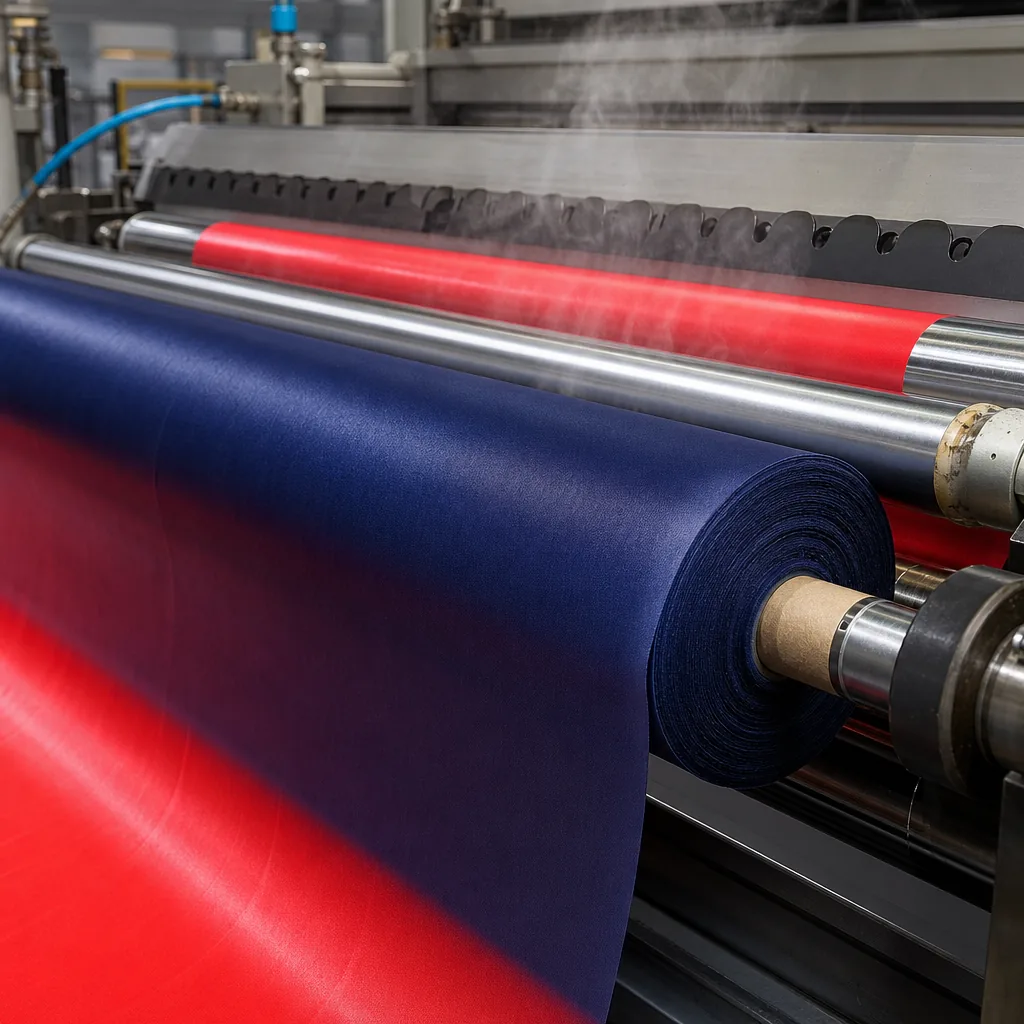
Umbrella Canopy Cutting Tolerances for Consistent OEM Fit
Control canopy panel cutting tolerances for 190T and 210T pongee umbrellas to improve rib fit, seam alignment, appearanc...
Read More »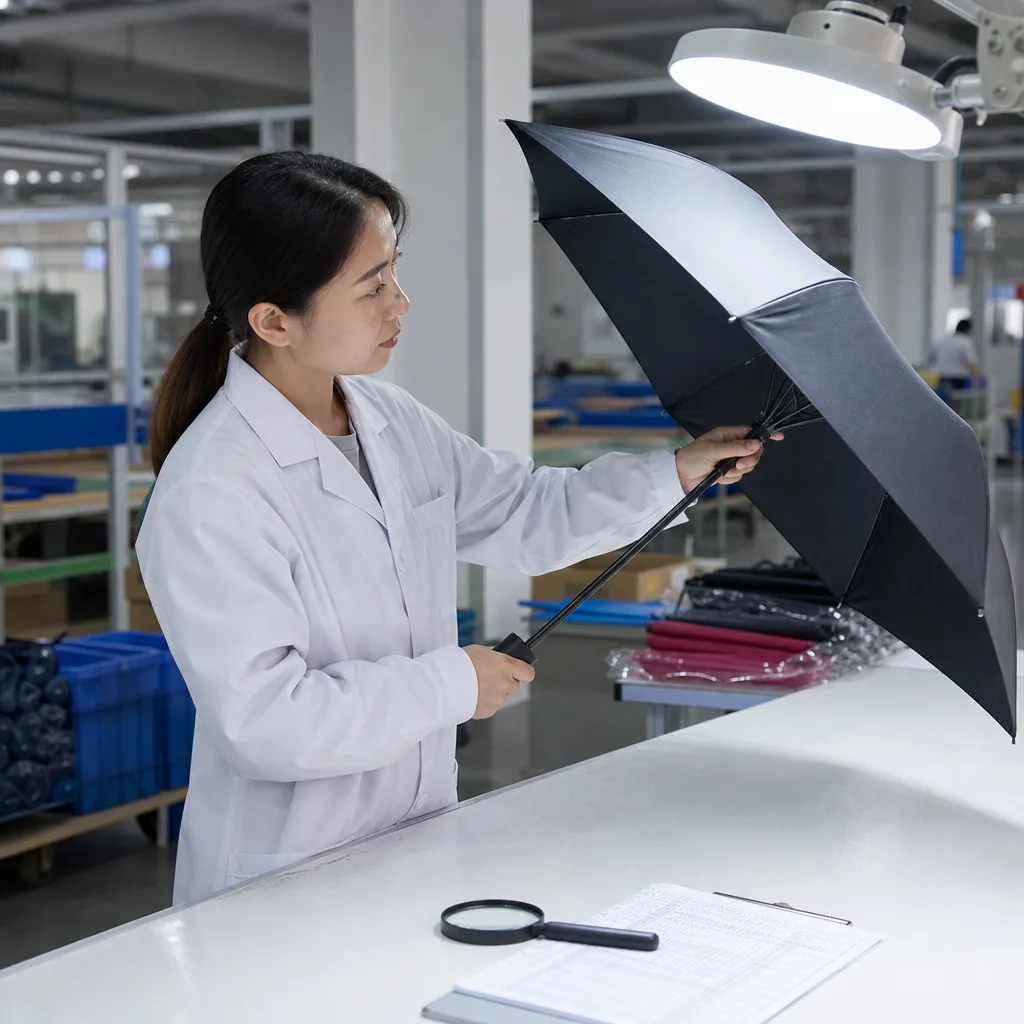
Umbrella Fabric Cutting Tolerances for Bulk Production
See how die cutting, panel templates, and seam allowance controls keep 190T/210T pongee canopies consistent and reduce l...
Read More »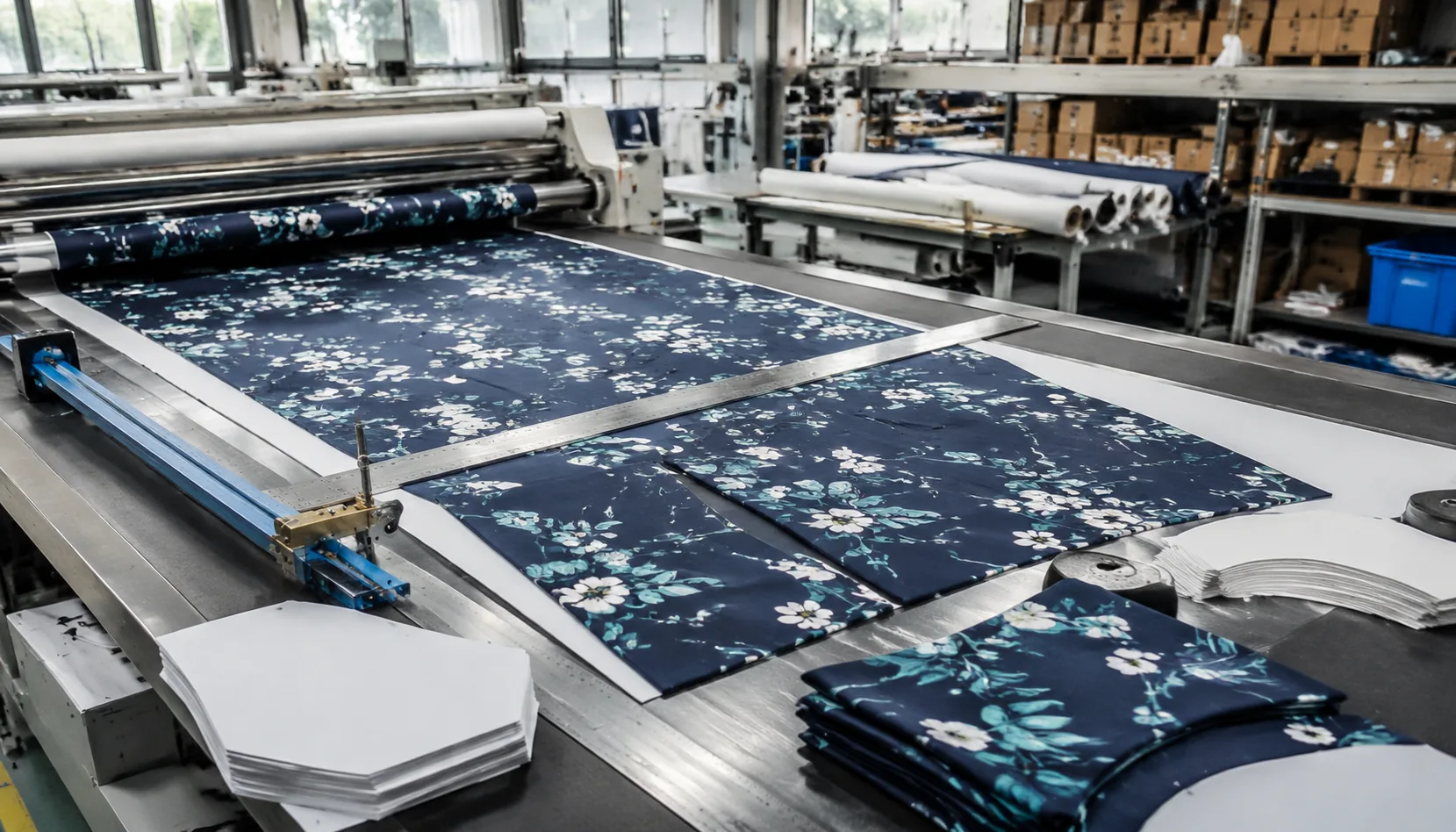
Umbrella Canopy Cutting Tolerances for OEM Production
Learn canopy cutting tolerances, panel grain control, and sewing allowances that keep 190T/210T pongee umbrellas fitting...
Read More »