Umbrella Canopy Cutting Tolerances for Consistent OEM Fit
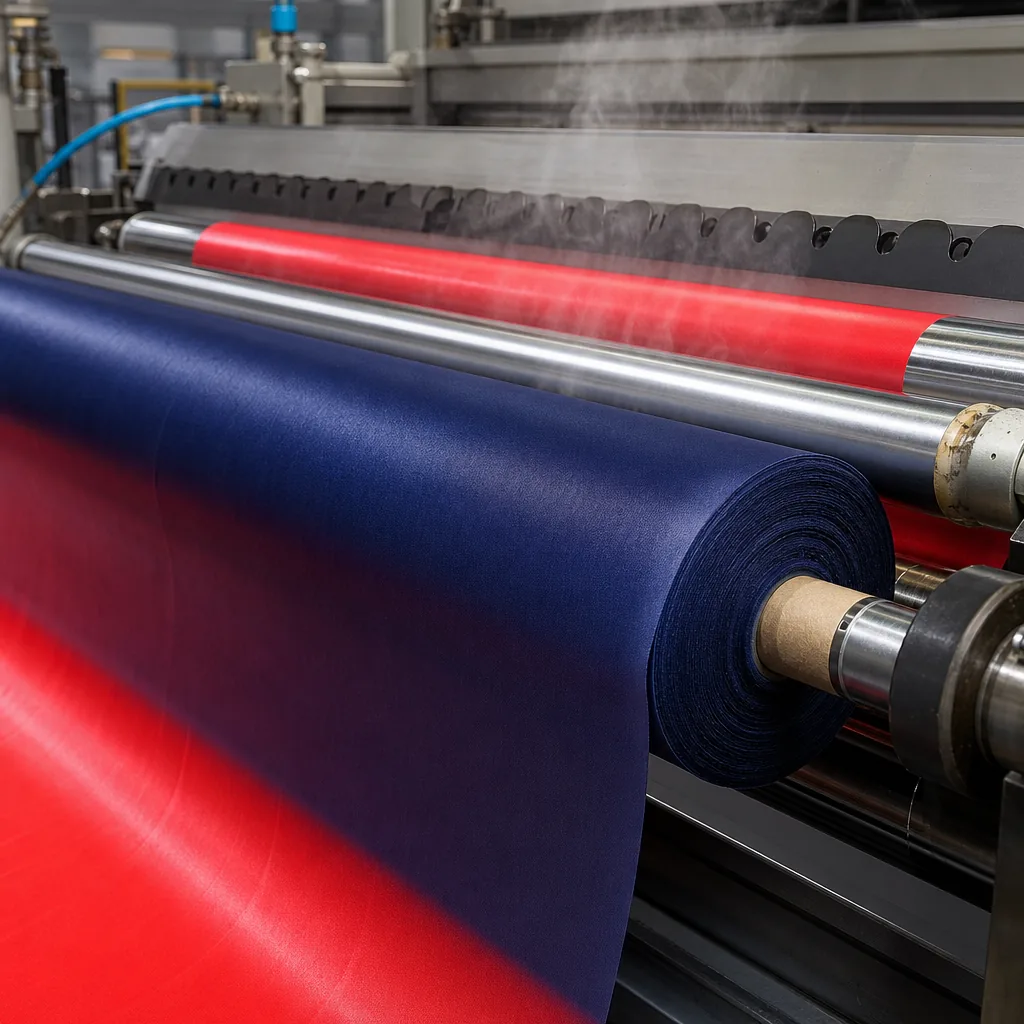
For OEM buyers, a canopy that looks fine on the cutting table can still pull ribs off-center, twist seams, or fail final inspection once it is stretched over the frame. On our Songxia factory floor, umbrella canopy cutting tolerance is controlled differently for 190T and 210T pongee because fabric hand feel, coating, and lay thickness all affect panel spread. Tight control here protects fit consistency, appearance, and yield before sewing problems multiply.
How Cutting Tolerance Affects Finished Umbrellas
The fastest way to ruin an otherwise good OEM umbrella production run is to let panel size drift by “only” 2 or 3 mm. On a single pongee 190T fabric triangle that sounds small, but across 8 panels it can add 16–24 mm of extra or missing circumference at the edge. Too large, the canopy bags between ribs, catches wind, and makes the umbrella look cheap even if the frame is decent. Too small, the fabric over-pulls the tips, bends light steel ribs, and can make fiberglass ribs sit under permanent stress. This is why umbrella canopy cutting tolerance is not a sewing-room detail; it is a finished-product fit control point. For most straight umbrellas and folding models, we hold critical panel edges tighter than decorative dimensions because rib alignment, runner travel, and tip-pocket position depend on those cut lines, not on the printed layout file.
Bad canopy panel cutting also shows up in places buyers do not connect to cutting at first. If one side of a panel is long and the opposite side is short, the assembled canopy twists clockwise or counterclockwise, so tips do not sit evenly on an 8K or 10K frame. Seam allowance then becomes inconsistent: one seam may be stretched open and leak under rain testing, while another seam forms a ridge that traps water. Logo placement suffers the same way. A centered screen print on the fabric table can land visibly off-center once the canopy is tensioned, especially on alternating-panel logos or full-panel heat-transfer graphics. On promotional umbrellas, I have seen a 5 mm cutting error make a round logo look oval after sewing and rib attachment. Our standard practice at ZheBrella is to check cut panels against both hard templates and finished-frame fit, not only against the paper pattern.
Frame type changes how strict the umbrella canopy cutting tolerance needs to be. An 8K umbrella is more forgiving because each panel spans a wider rib interval and small variation can distribute through the canopy. A 10K frame has narrower panels, so the same 2 mm error becomes more visible in tip alignment and seam straightness. A 16K frame is the least forgiving: more ribs mean more seams, more tip pockets, and more chances for tolerance stack-up. For umbrella fit control, we match cutting rules to the frame batch, because two 23 inch frames from different tooling can vary slightly in rib arc, tip angle, and open diameter. Before bulk cutting, a pilot canopy should be sewn onto the actual production frame, opened 20–30 times, checked for sag, over-tension, twisted tips, seam balance, and logo position. That sample tells more truth than a flat fabric measurement alone.
Fabric Behavior Before Cutting
Coating direction matters more than many buyers realize. UPF 50+ coated fabrics, black glue polyester, silver-coated polyester, and some water-repellent Teflon finishes have a functional face and back; reversing panels can change color tone, waterproof beading, UV performance, and seam behavior. Coated goods also shrink differently under heat-transfer logos or sublimation curing, so we separate approval samples by fabric type instead of applying one universal umbrella canopy cutting tolerance across 190T pongee, 210T pongee, and coated polyester. Cleaner blade control is mandatory on coated fabrics because a dull knife drags the coating, creates micro-serration along the bias edge, and can cause white stress marks near the panel tip. For retail OEM work, I like to record shrinkage after steaming or heat exposure, then adjust canopy panel cutting by 1 to 3 mm before bulk production. That small correction is cheaper than reworking 5,000 canopies after final AQL 2.5 inspection.
Pattern Making and Marker Planning for Bulk Orders
The first control point for umbrella canopy cutting tolerance is the CAD pattern file, not the cutting table. For OEM umbrella production, we build the canopy by rib count and arc size: a 23" 8K stick umbrella does not share panel geometry with a 23" 10K because the panel angle, bias direction, and tip pocket position change. A production-ready file should include panel outline, grain direction, seam allowance, hem allowance, notch marks, tip-end reference, center-top reference, and runner-side orientation. On pongee 190T fabric, our normal seam allowance is 7–10 mm depending on sewing method, while the finished panel edge tolerance is usually held within ±1.5 mm after cutting. That sounds small, but eight panels drifting 2 mm each can make the canopy sit twisted on the frame, especially on fiberglass ribs where flex hides the problem until final inspection.
Marker planning is where good engineering saves real money. For solid-color bulk orders, panels can be nested head-to-tail to improve yield, but printed umbrellas need logo registration points locked into the CAD marker before fabric is cut. If a client wants a centered logo across two adjacent panels, we add registration marks and usually cut those panels in controlled pairs instead of mixing them from the full lay. For all-over sublimation, the artwork file, panel template, and sewing notch positions must match, or the print crosses the seam unevenly. In our standard practice at ZheBrella, approved digital patterns are frozen after pre-production sample sign-off; changing the logo size or moving a seam by 5 mm after that means rechecking the marker, not just telling the sewing line to adjust.
MOQ and fabric width directly affect waste percentage and factory pricing, which buyers often underestimate. Common pongee rolls are 150 cm wide, while some coated UV UPF 50+ or Teflon-treated fabrics arrive closer to 145 cm usable width after edge trimming. A 500-piece MOQ in one color may run 8–12% cutting waste, but splitting that same order into five colors can push effective waste higher because each color needs its own lay setup, end loss, and QC separation. Large 27" or 30" golf umbrellas, 16K frames, vented double-canopy styles, and oversized logo placement all reduce nesting efficiency. Good umbrella fit control means pricing the marker honestly: lower waste supports sharper FOB pricing, while poor canopy panel cutting plans create hidden cost in fabric, rework, and AQL 2.5 failures at final inspection.
Inline Checks During Cutting and Sewing
Inline checks matter more than final sorting because canopy errors get locked in once the panels are sewn to the ribs. For OEM umbrella production, we check panel width, arc length, notch position, and tip allowance against the approved paper pattern or CAD marker before full cutting starts. On a 23-inch 8K straight umbrella, a 2 mm error per panel can become a visible 16 mm circumference mismatch after sewing, so our working umbrella canopy cutting tolerance is normally ±1.5 mm on straight edges and ±2 mm on curved edges for pongee 190T fabric. For stretchier POE or EVA, we tighten handling control rather than pretending the material behaves like woven polyester. Cut bundles are labeled with PO number, model, size, rib count, fabric lot, print version, cutter ID, and time, then tied in quantities that match the sewing line rhythm, usually 50 or 100 canopies per bundle.
Color-lot separation is non-negotiable when panels come from different rolls, especially with black, navy, bottle green, and custom Pantone shades where a half-tone shift shows under daylight. We keep pongee 190T fabric rolls separated by dye lot and do not mix lots inside one canopy unless the buyer has approved a tolerance sample. First-piece approval happens twice: once after canopy panel cutting and again after the first sewn canopy is mounted on a frame. The cutter, sewing supervisor, and QC inspector compare it against the sealed sample for panel symmetry, vent overlap on double-canopy windproof models, seam allowance, logo orientation, and top cap position. ZheBrella’s standard practice is to stop the line if the first piece pulls off-center at the tips, because sewing 500 bad canopies faster only creates 500 expensive repairs.
During sewing, seam alignment audits catch fit problems before final assembly. Inspectors pull samples every 30 to 60 minutes and check whether panel tips land evenly on rib ends, whether the center hole sits square under the runner, and whether printed artwork stays within the buyer-approved position, often ±3 mm for screen print and ±2 mm for heat transfer on promotional umbrellas. Umbrella fit control is judged by canopy tension after opening: loose fabric wrinkles between ribs, while over-tight cutting bends fiberglass ribs or stresses steel tips. At AQL 2.5 final inspection, canopy defects are linked directly to function and appearance: uneven tip location, twisted seams, puckering, off-register print, wrong color lot, and poor rain-shedding tension are recorded as major defects. That is why umbrella canopy cutting tolerance must be monitored at cutting and sewing, not argued about at carton inspection.
Specs Buyers Should Confirm Before Production
Lock the measurable items before any OEM umbrella production starts, because canopy mistakes usually show up only after the frame is already assembled. The tech pack should state fabric type and weight, such as pongee 190T fabric for standard retail umbrellas or 210T pongee when the buyer wants a denser hand feel and better print coverage. Confirm the rib count and frame size together: an 8K 23" auto-open umbrella does not use the same panel geometry as a 10K 27" golf umbrella or a 16K fashion frame. Buyers should specify finished canopy diameter, arc size, number of panels, vented or single-canopy construction, and whether the frame uses steel, aluminum, or fiberglass ribs. For umbrella canopy cutting tolerance, I like to see panel length and panel width controlled separately, not just a vague “within tolerance” note. A practical range is often ±2 mm for standard panels and tighter only when the logo crosses seams or the canopy has edge binding.
Canopy panel cutting must also include seam allowance, because a correct cut panel can still create a poor fit if the sewing line is wrong. Most straight seams need 6–8 mm allowance, while reinforced tips, Velcro straps, reflective binding, or double-canopy vent overlaps may require separate drawings. Logo placement tolerance should be written from fixed reference points, not by eye: for example, center logo ±3 mm from panel centerline and ±5 mm from lower hem, with rotation tolerance under 2 degrees. Screen printing, heat transfer, and sublimation each behave differently; sublimation on white pongee can hold fine position, while heat-transfer film on dark 190T pongee may shift slightly during pressing. For umbrella fit control, buyers should ask the factory to check cut panels before sewing, sewn canopy before mounting, and final canopy tension after tip installation. AQL 2.5 inspection should include open diameter, seam puckering, panel symmetry, logo skew, and whether tips align without forcing the ribs.
Sample approval should be staged, not treated as one photo confirmation on WeChat or email. First approve the frame and canopy pattern, then approve fabric color by lab dip or stock swatch, then approve print strike-off, and only after that approve a pre-production sample mounted on the actual frame. Our standard practice at ZheBrella is to keep the approved sample at the sewing line so operators can compare canopy tension, tip position, and logo orientation during production. Custom tooling changes the calendar: a stock 23" 8K umbrella with standard pongee may need 25–35 days after deposit and artwork approval, but new rib tooling, unusual 30" golf size, molded handles, or a revised canopy cutting die can add 7–15 days. If the buyer changes the umbrella canopy cutting tolerance after sample approval, the factory may need to remake paper patterns, laser templates, or steel cutting dies, which affects both lead time and MOQ. Put these rules in the purchase order before deposit, especially for FOB/DDP programs with fixed event dates.
Frequently Asked Questions
What tolerance should buyers allow for umbrella canopy panels?
Factories commonly define tolerance by panel size and fabric type, but buyers should state acceptable finished-canopy diameter and logo-position tolerance in the tech pack.
Does UPF 50+ coating change cutting requirements?
Yes. UPF 50+ coated fabric can be stiffer or more sensitive to coating scratches, so blade sharpness, layer height, and handling controls should be tighter.
What cutting tolerance is typically used for 190T and 210T pongee umbrella panels?
Many OEM factories target a cutting tolerance around ±1 to ±2 mm per panel edge, then verify final canopy diameter after sewing. The exact allowance depends on panel count, rib length, and whether the canopy is for a manual or automatic opening frame.
How much does panel cutting variation affect rib fit in an OEM umbrella?
Even a 2 to 3 mm deviation at each panel can add up across 8 or 10 panels and cause loose corners, puckering, or poor tip alignment. For repeat orders, buyers should ask the factory to control both panel length and bias-cut direction to keep canopy fit stable.
What should a buyer ask for in a canopy cutting quality check?
Ask for a pre-production pattern approval, first-article measurement, and in-process sampling by panel length, width, and diagonal. For bulk runs, many factories inspect every lot against a tolerance sheet and reject panels that exceed the agreed limits before sewing.
Looking to Launch Your Custom Umbrella Line?
ZheBrella is a Zhejiang-based OEM/ODM umbrella manufacturer with 17 years of export experience. Free design, low MOQ from 100 pieces, windproof construction, full-color print.
Get Free Quote Now »People Also Search For
Related Articles
Umbrella Canopy Cutting Tolerances for Consistent Production
See how panel cutting tolerance, fabric shrinkage, and marker layout affect canopy fit, print alignment, and rework in O...
Read More »
Umbrella Canopy Cutting Tolerances for Consistent Fit
Control panel cutting, fabric relaxation, and marker layout so 190T or 210T pongee canopies fit frames cleanly with fewe...
Read More »
Panel Cutting Tolerances for Umbrella Production Lines
See how CNC patterns, fabric relaxation, +/-2 mm panel control, and shade-lot batching improve 190T/210T pongee canopy f...
Read More »