Umbrella Canopy Cutting Tolerances for Consistent Fit
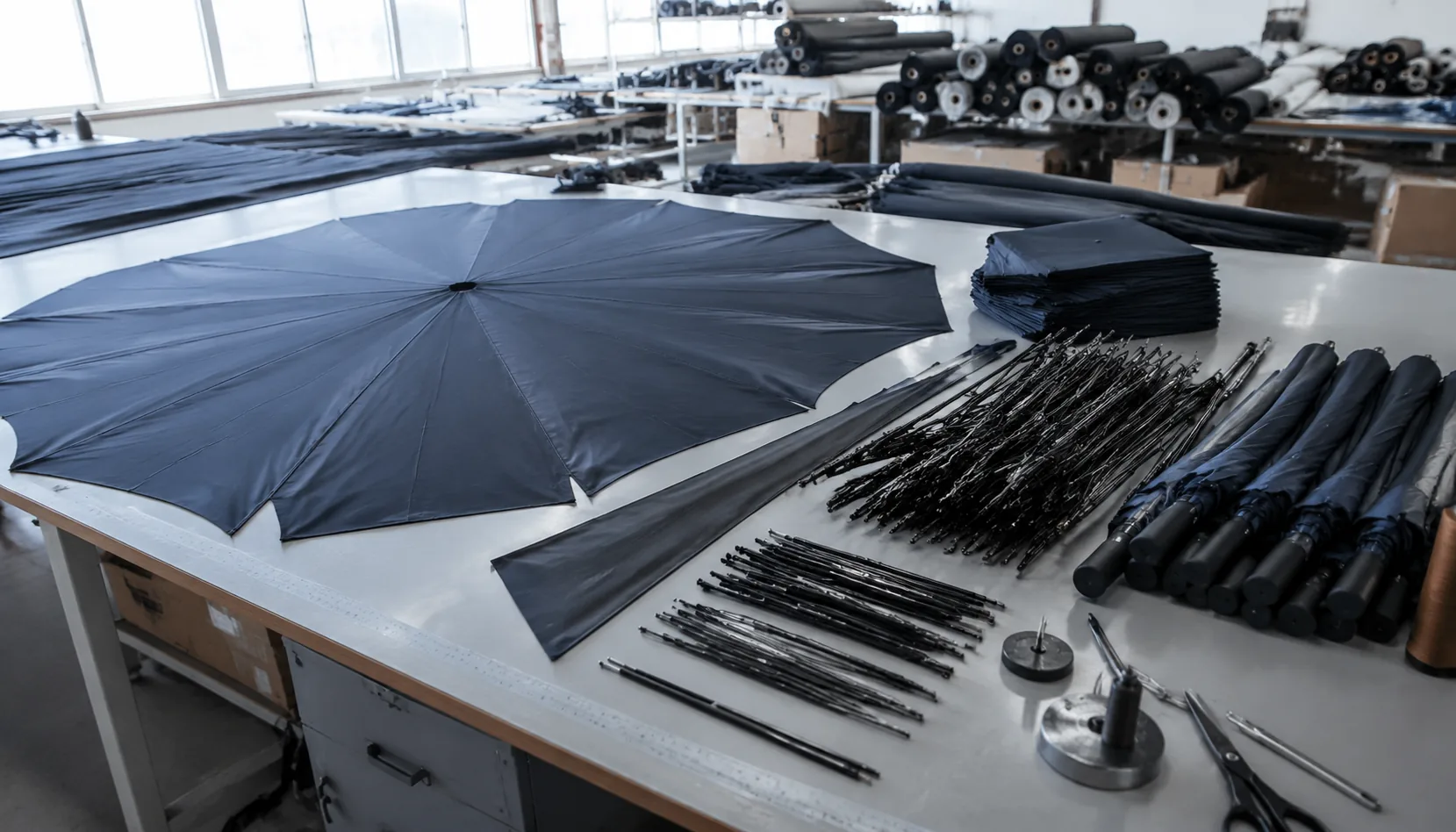
When a canopy looks wrinkled on a finished umbrella, the problem often started before sewing: relaxed pongee, stretched layers, or a marker that ignored panel grain. On our Songxia cutting tables, umbrella canopy cutting tolerances are controlled against the actual frame spec, not just the CAD pattern, because 190T and 210T fabric behave differently after spreading, resting, and heat transfer. Tight control here means cleaner rib alignment, smoother tips, and fewer rejects at final assembly.
How Cutting Accuracy Affects Finished Umbrellas
Cutting accuracy shows up first at the rib tips, not on the cutting table. A canopy panel that is only 2–3 mm short along the outer arc can make the umbrella look acceptable when half-open, then pull hard when the runner reaches the notch. On a 23 inch 8K straight umbrella, that error multiplies around eight panels and creates tight tips, diagonal wrinkles, and a canopy that feels “over-tensioned” even if the frame is correct. If the panel is 2–3 mm too long, the opposite happens: the seam line sags between ribs, water pockets form near the ferrule side, and the umbrella closes with bulky folds that do not sit neatly under the strap. That is why umbrella canopy cutting tolerances matter as much as rib material or fabric coating in real OEM umbrella production.
The tolerance window gets narrower as the rib count increases because each panel becomes slimmer and seam placement has less room to hide error. An 8K frame is forgiving because each gore has a wider angle, while a 10K canopy needs more consistent umbrella panel cutting to keep the visual spacing even around the shaft. A 16K fashion umbrella is the toughest: tiny left-right imbalance on one panel can travel through the seam chain and make the final two panels fight each other during sewing. With 190T or 210T pongee umbrella fabric, we normally control panel length and arc deviation within about ±1.5 mm for standard rain umbrellas, tighter for printed layouts where logos must land between ribs. PVC, POE, and EVA are less forgiving because they do not ease into shape like woven pongee.
Poor canopy fit quality is often blamed on sewing, but cutting is usually the first suspect I check on the floor. If notches are off, operators stretch one side to match, which produces uneven seam allowance, puckering after topstitching, and tip cups that sit at different heights. If the center angle is wrong, the canopy may open flat on one rib and crowned on the next, especially on fiberglass windproof frames with more rebound than steel ribs. For auto-open and auto-open-close umbrellas, bad panel sizing also affects closure force; too much fabric tension makes the spring system snap harshly, while loose panels wrap unevenly around the shaft. Our standard practice at ZheBrella is to confirm first-cut panels on the actual 8K, 10K, or 16K frame before bulk cutting, then inspect finished umbrellas under AQL 2.5 for wrinkles, tip tension, seam symmetry, and closing appearance.
Fabric Behavior Before Cutting
Coatings change the settling rule. UPF 50+ silver-coated, black-coated, vinyl-laminated, or heat-block sun umbrella fabrics are stiffer and less forgiving than plain pongee. The coating film can hold memory from rolling, and laminated layers may relax at different rates from the base polyester. In summer humidity in Shaoxing, I have seen coated sun umbrella fabric cup at the selvage or curl after spreading, which makes stacked cutting risky unless it rests flat first. For these fabrics, we normally allow 24–48 hours of settling, reduce stack height, and avoid excessive clamp pressure that can leave impressions or shift the coating side. These extra controls are part of practical umbrella canopy cutting tolerances, not overengineering. A half-millimeter pattern correction is useless if the coated fabric creeps 3 mm between spreading and sewing. Stable fabric gives the sewer a fair chance to match rib length, tip spacing, and crown shape without forcing the canopy during final assembly.
Marker Layout, Grain Direction, and Panel Matching
Marker layout is where umbrella canopy cutting tolerances are either protected or ruined before a blade touches fabric. For straight-color pongee umbrella fabric, we can nest panels tighter, but printed OEM umbrella production needs more breathing room because the logo, stripe, border, or repeat pattern must land in the same visual position after sewing. On a standard 23 inch 8K umbrella, each triangular panel usually allows only about ±1.5 mm edge variation before the canopy starts pulling unevenly at the rib tips. For 27 inch golf umbrellas or 30 inch beach-style frames, we often hold ±2.0 mm on long bias edges, but logo placement tolerance stays tighter, typically ±1.0 to ±1.5 mm from the approved CAD reference point. Poor nesting saves fabric on paper and creates complaints in the finished sample: repeat prints crawl from panel to panel, circular logos become slightly oval after tensioning, and brand graphics shift off the front viewing face.
Grain direction matters more than many buyers realize, especially on 190T and 210T pongee with PU, Teflon, or UV UPF 50+ coatings. Umbrella panels are not square pieces in a shirt pattern; they sit under radial tension from the rib ends, stretcher joints, and top notch. If umbrella panel cutting ignores warp and weft orientation, one panel stretches more along the bias while the next panel resists, giving a twisted canopy even when sewing looks clean on the table. For vented double-canopy windproof models rated around 50+ mph, we align the upper and lower canopy grain separately so the vent overlap opens evenly instead of fluttering on one side. Our standard practice at ZheBrella is to lock grain arrows in the CAD marker before plotting, then check first-cut panels against a hard pattern template, not just against the digital file.
Panel numbering is non-negotiable for printed OEM orders because sewing operators need to assemble the canopy in the same sequence the artwork was approved. We number panels 1 through 8, 10, or 16 depending on rib count, mark the front panel, and bundle cut pieces by umbrella body rather than by color pile when logos cross seam lines. This is especially important for promotional umbrellas with alternating panels, border prints, QR codes, or retail graphics that must face outward when the umbrella is opened. Good canopy fit quality comes from matching the CAD marker, grain direction, printing registration, and sewing sequence as one system. If a cutting room mixes panel positions after heat-transfer or sublimation printing, the defect may not appear until final AQL 2.5 inspection, when the canopy is already sewn, tipped, and mounted on the frame. At that stage, rework is slow, fabric-consuming, and usually more expensive than cutting correctly the first time.
Cutting Methods and Tolerance Control
Cutting accuracy decides whether the canopy sits clean on the frame or fights the ribs during final assembly. For small OEM umbrella production runs, hand cutting is still used when the order is under normal MOQ or the artwork changes often, but I do not like it for tight canopy fit quality because stack pressure, blade angle, and operator fatigue can move the edge by 2–3 mm. On a standard 23" 8K straight umbrella with 190T or 210T pongee umbrella fabric, we usually target ±1.5 mm on panel edge length and ±1.0 mm at the crown notch. For 27" golf umbrellas or 30" beach umbrellas, the tolerance can open slightly because the fabric has more allowance, but uneven panel tips will still show immediately when the canopy is tied to fiberglass ribs.
Die cutting is the most stable method for bulk umbrella panel cutting when the panel shape is fixed. A steel rule die can hold roughly ±0.8–1.2 mm if the fabric stack height is controlled, the cutting board is not worn, and the operator rotates the blade line before burrs develop. It is efficient for 8K and 10K models using repetitive pongee, PVC, POE, or EVA panels, especially when screen printing or heat-transfer logos need consistent registration near the lower edge. The downside is tooling cost and MOQ: a custom panel curve, deep scallop, or 16K canopy often needs a dedicated die set, so suppliers normally ask for higher MOQ, commonly 1,000–3,000 pieces depending on size and material waste. That cost is not decoration; it prevents panel stretch, off-grain cutting, and rib-end mismatch later.
Automatic cutting gives the best control when orders have multiple sizes, digital patterns, or sublimation-printed panels that must line up by mark. CNC oscillating-knife systems can hold about ±0.5–1.0 mm on single-ply or low-stack cutting, but the fabric must be relaxed before cutting because tightly rolled pongee shrinks back after release. For umbrella canopy cutting tolerances, first-cut inspection matters more than arguing over machine brand: we check panel length, arc height, crown notch, rib-tip position, grain direction, and print placement before releasing bulk cutting. At ZheBrella, our standard practice is to approve the first 8–16 panels against the frame sample, then record measurements for in-process checks and final AQL 2.5 inspection. If the first-cut panel is wrong by 1.5 mm at the wrong point, sewing will not fix it; the finished umbrella will show twisting, loose valleys, or an uneven ferrule line.
Fit Checks Before Sewing and Final Assembly
Fit checks must happen on the approved production frame, not on a sample-room frame that happens to be nearby. For a 23" 8K straight umbrella, I want the cut panels temporarily stitched or clipped into one canopy, pulled over the exact rib length, stretcher geometry, runner position, and tip cup style confirmed in the pre-production sample. This is where umbrella canopy cutting tolerances become visible: a panel that is only 2 mm narrow at the outer edge can make every tip fight the fabric, while 2–3 mm extra crown height can create loose wrinkles around the top notch. For pongee umbrella fabric, especially 190T and 210T, we also check fabric relaxation after cutting because coated cloth can shrink back slightly after stack pressure is released. In OEM umbrella production, the cutting master should record actual panel width, arc length, notch position, and bias direction before anyone releases bundles to sewing.
Tip alignment is the fastest way to judge canopy fit quality before the sewing line wastes a full day. On an 8K frame, all eight tip pockets should land squarely without twisting ribs outward; on 10K and 16K frames, even small spacing errors multiply and show as spiral tension. I normally allow a controlled seam allowance of 6–8 mm depending on fabric weight, seam type, and whether the canopy uses single-needle lockstitch or reinforced double stitching at high-stress points. During umbrella panel cutting checks, the inspector should measure seam allowance after trial sewing, not only on flat cut pieces, because operator feeding and fabric stretch change the final shape. Top hole position, cap overlap, rib-end symmetry, and closing strap placement must also be reviewed before mass sewing, since these defects are expensive to correct after tips and ferrule are installed.
Under AQL 2.5, fit defects need clear categories or the inspection becomes a negotiation. Critical defects include wrong panel size that prevents mounting on the approved frame, exposed sharp rib ends, or canopy tension that blocks full open/close function. Major defects include tip misalignment over 3 mm, uneven hem causing visible droop, seam allowance below the approved minimum, loose crown fit, or panel mismatch that creates obvious twisting. Minor defects include small cosmetic wrinkles, slight print-to-seam drift within the signed standard, or local puckering that does not affect function. Cutting approval should be locked with a signed golden canopy, approved paper or CAD marker, fabric lot reference, and measured tolerance sheet before bulk cutting and mass sewing start. Once locked, ZheBrella’s standard practice is to stop production for re-approval if the frame, fabric coating, rib count, or cutting die changes.
Frequently Asked Questions
Do 16K umbrellas require tighter canopy cutting control than 8K umbrellas?
Yes. More panels mean more seams and more cumulative tolerance risk, so panel shape, seam allowance, and frame matching need stricter first-article checks.
Can the same cutting pattern be used for steel and fiberglass frames?
Only if the rib length, arc, and tip positions match. Fiberglass ribs may flex differently, so factories should confirm fit with a production frame before bulk cutting.
What cutting tolerance should a pongee umbrella canopy hold to fit frames consistently?
For most OEM umbrella programs, keep panel length and width variation within about ±1 to 2 mm per edge, then verify the assembled canopy against the rib length and stretch profile. Tight control matters more on 190T and 210T pongee because the fabric can relax differently after cutting and sewing.
How much fabric relaxation should be allowed before sewing umbrella panels?
A practical production approach is to let cut pongee panels rest for several hours, or overnight for larger runs, before final inspection and sewing. This helps reduce post-cut shrink or distortion that can shift the canopy fit and create wrinkles during assembly.
What does a distributor need to confirm in the cutting spec for OEM umbrella production?
Ask for the panel cutting dimensions, allowable tolerance, marker layout direction, and whether the factory checks panels after relaxation. For stable fit, the spec should also define acceptance limits for canopy diameter, seam alignment, and wrinkle rate on a finished frame.
Looking to Launch Your Custom Umbrella Line?
ZheBrella is a Zhejiang-based OEM/ODM umbrella manufacturer with 17 years of export experience. Free design, low MOQ from 100 pieces, windproof construction, full-color print.
Get Free Quote Now »People Also Search For
Related Articles
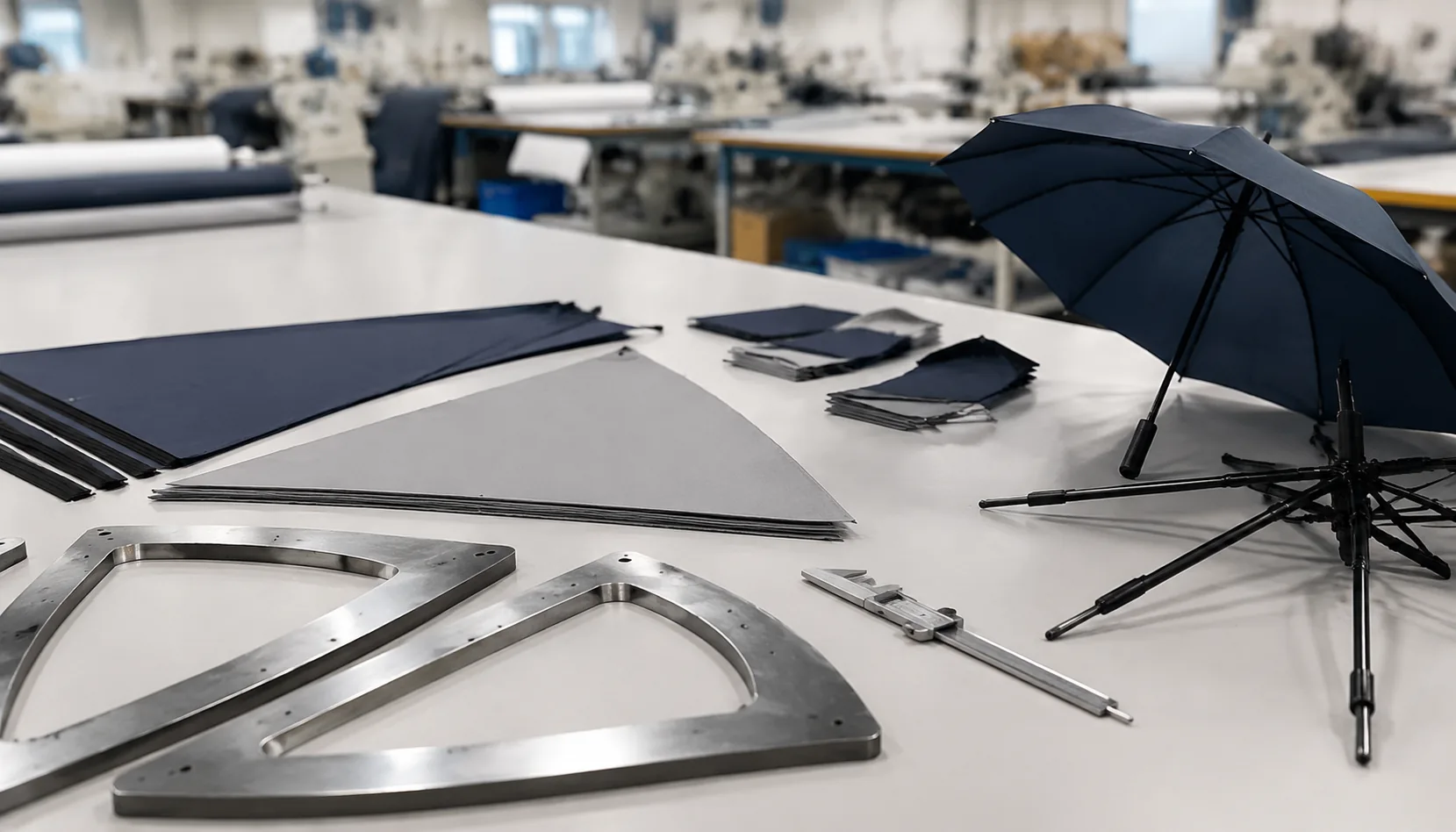
Umbrella Panel Cutting Tolerances for Consistent Canopy Fit
Learn how panel cutting tolerances, fabric lot control, and sewing allowances keep OEM umbrella canopies tight, aligned,...
Read More »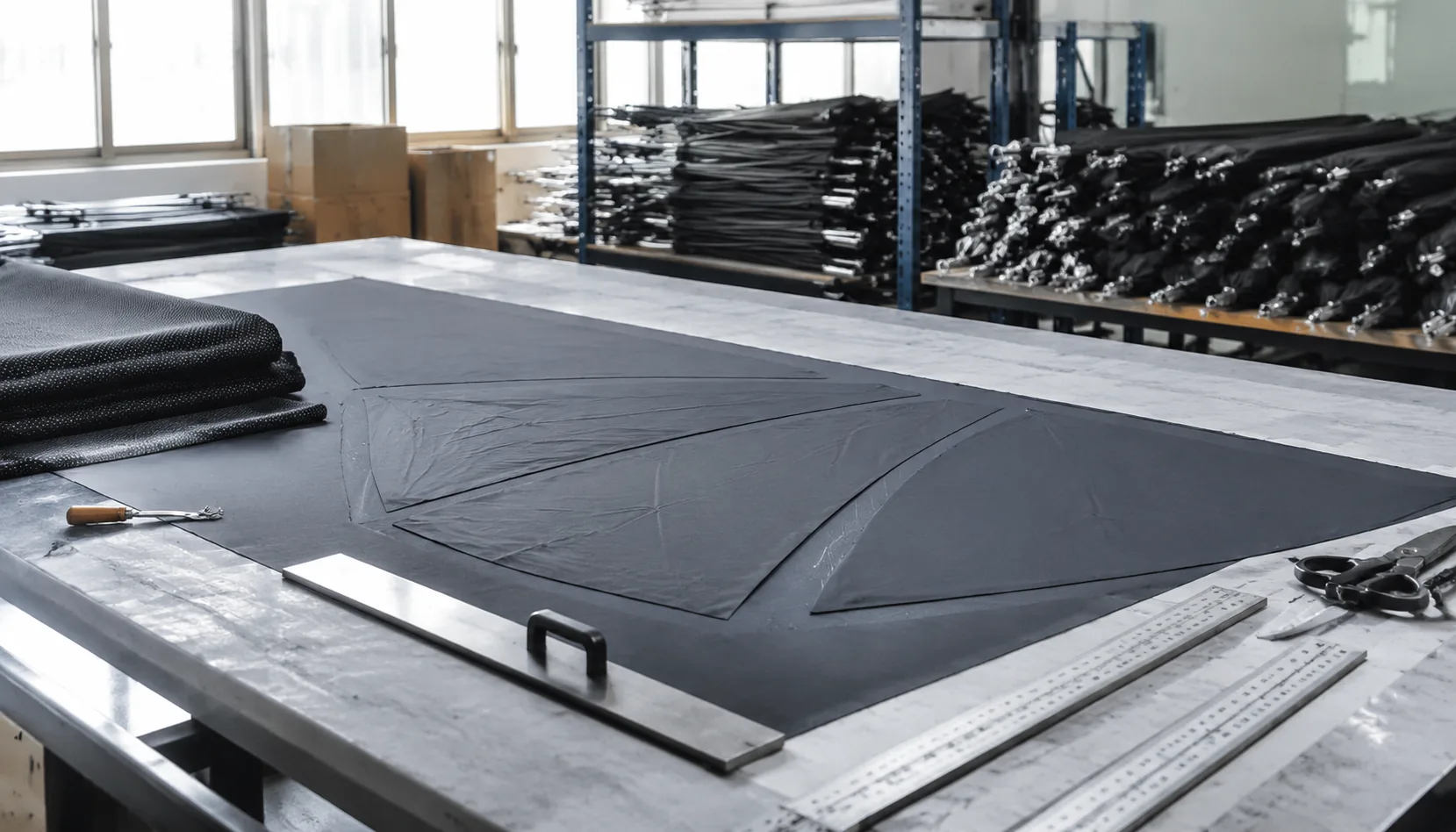
Umbrella Canopy Cutting Tolerances for Accurate Panel Fit
Set canopy cutting tolerances for 190T/210T pongee panels, print alignment, seam allowance, and frame fit to reduce wrin...
Read More »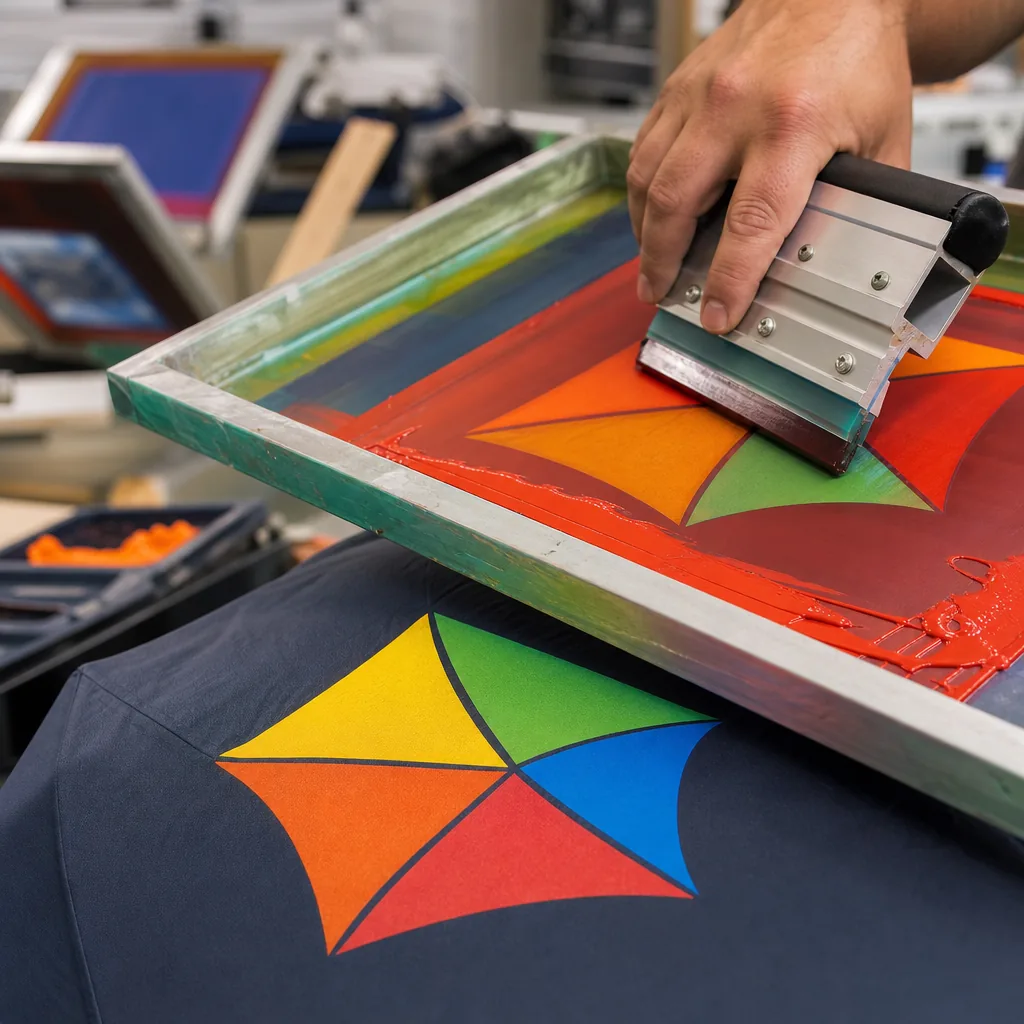
Panel Cutting Tolerances for Umbrella Production Lines
See how CNC patterns, fabric relaxation, +/-2 mm panel control, and shade-lot batching improve 190T/210T pongee canopy f...
Read More »