Pongee vs Nylon vs Polyester: Choosing Custom Umbrella Canopy Fabric
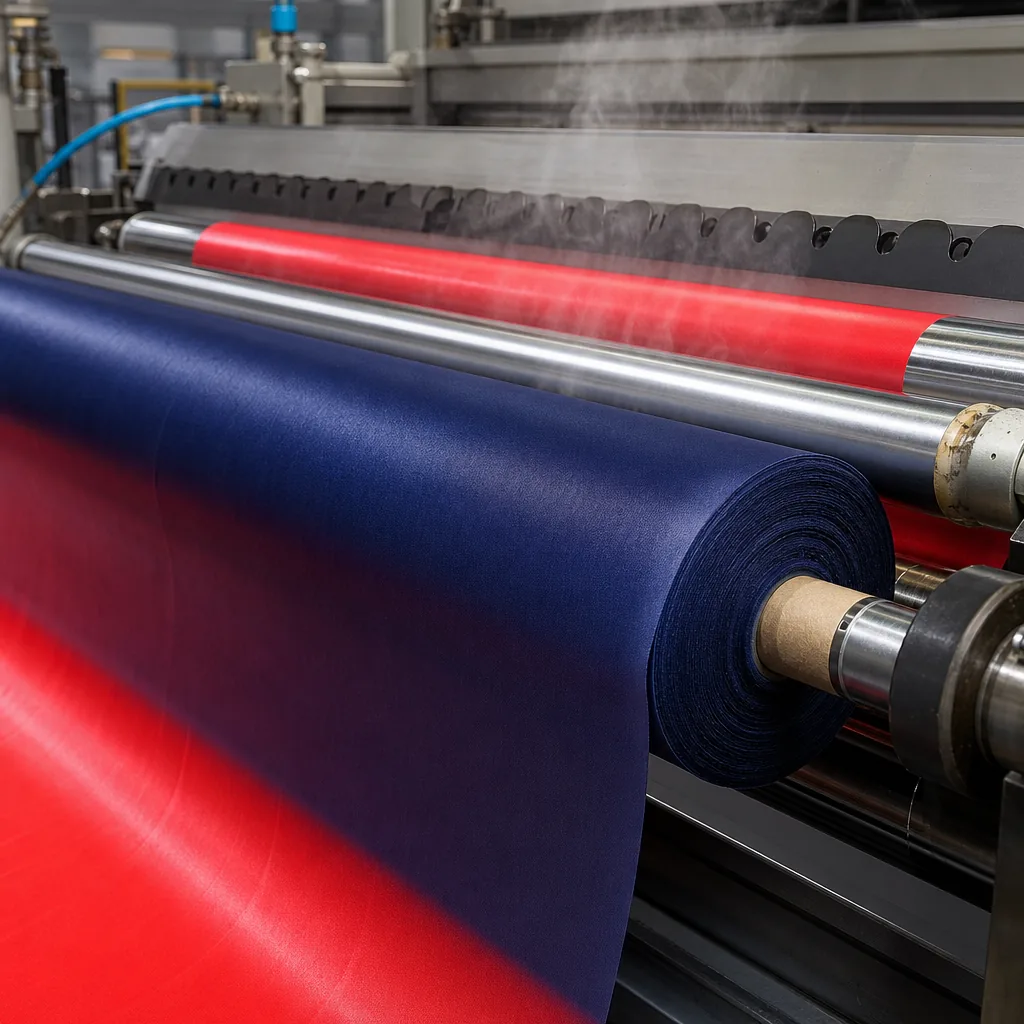
Choosing canopy fabric for a custom umbrella is rarely about fabric names alone; it is about how the panel prints, sheds water, folds, and holds up after thousands of openings on the factory floor. Buyers often start by comparing cost, but the better choice depends on the balance between image quality, wet-weather performance, hand-feel, and target margin, which is why pongee umbrella fabric is so often specified for premium custom orders.
Reading fabric specs: 190T, 210T, denier, and GSM
The numbers buyers see first — 190T, 210T, denier, and GSM — are not decoration; they tell you how much material is in the canopy and how tightly it will hold shape in rain and wind. In umbrella trade language, the “T” in 190T or 210T refers to thread count in the weave, which affects fabric density, hand feel, and how well the coating sits on the cloth. A 190T fabric is common for value umbrellas, while 210T is denser, smoother, and usually a better base for a pongee umbrella fabric canopy when you want a cleaner print surface and less pinholing. Denier measures yarn thickness, so a higher denier usually means a heavier, more robust yarn, but you still have to look at weave construction and coating quality together; a loose high-denier cloth can still perform worse than a tighter 190T 210T fabric with a proper finish.
GSM is the practical weight number buyers should use when comparing a polyester umbrella canopy against a nylon umbrella or other custom umbrella fabric options. In real production, a lightweight promotional canopy may sit around 60–75 GSM, while a more substantial canopy often lands around 80–95 GSM depending on fiber type and coating. Polyester tends to feel more stable and print-friendly, with less stretch and better dimensional consistency, while nylon usually has a softer hand and can feel lighter for the same apparent thickness, but it also tends to absorb moisture differently and can show more variation if the weave is not controlled tightly. If you are specifying pongee umbrella fabric, ask for both thread count and finished GSM, because one number alone does not tell you whether the canopy will feel crisp, drapey, or overly thin once coated.
From a factory-floor standpoint, the best spec is the one that matches the umbrella size, rib count, and coating system, not the one that just sounds strongest on paper. A 21-inch compact umbrella with an auto-open-close frame does not need the same cloth weight as a 27-inch golf canopy, and a double-canopy vented windproof style often benefits from a slightly lighter but tighter weave so the vents release pressure without the panels ballooning. For custom umbrella fabric, I ask buyers to confirm the base cloth, coating, and intended print method together: screen print, heat transfer, or sublimation all behave differently on polyester umbrella canopy versus nylon umbrella cloth. If the supplier only quotes “210T” with no GSM, no denier, and no coating details, you are missing the information that actually determines durability, opacity, and how the canopy will look after wet use and repeated opening cycles.
Polyester: the workhorse for printed umbrellas
Polyester is the workhorse for printed umbrellas because it takes ink consistently, holds registration better than cheap nylon, and does not punish you with the same amount of stretch or seam creep. In promotional production, 190T and 210T fabric are the common starting points: 190T is lighter and cheaper for mass giveaways, while 210T gives a slightly fuller hand, better opacity, and less show-through when you print darker logos or large blocks of color. For a polyester umbrella canopy, that balance matters more than fashion talk; buyers usually need a canopy that can be cut, stitched, and printed at volume without the artwork wandering after a few thousand pieces.
Sublimation is where polyester really earns its place, because the dye bonds into the fiber structure instead of sitting on top like a brittle film. On white or light-colored custom umbrella fabric, sublimation gives cleaner gradients, sharper fine text, and lower risk of cracking after folding and opening cycles. Screen printing also works well on polyester, especially for spot logos, but you have to control ink deposit and cure temperature; too heavy and the print feels stiff, too hot and you can distort the panel edges. The practical advantage is repeatability: when the factory knows the shrink behavior of 190T 210T fabric, you get fewer surprises on panel alignment and logo placement.
Colorfastness is the main reason polyester stays dominant in the promo market, not because it is the fanciest material. Good-dye polyester can handle routine sun exposure, rain, and warehouse storage better than many low-grade alternatives, especially when the base cloth is paired with a decent PU or silver coating. That said, polyester is not magical; cheap resin finishes and weak dyes will still fade, and a black umbrella stored in hot transport can show heat stress if the fabric was badly cured. For clients comparing pongee umbrella fabric with a polyester umbrella canopy, polyester usually wins on price, printability, and availability, while higher-end pongee is reserved when you want a softer hand and a more premium retail feel.
Pongee: premium hand-feel and matte finish
Pongee umbrella fabric is the one buyers pick when they want the canopy to feel less like a disposable rain cover and more like a branded product. It has a softer drape, a tighter hand, and a matte surface that photographs better than shiny synthetics. In the factory, that matters because the fabric hangs cleaner on the ribs, shows print edges more evenly, and usually gives a more “retail” look on 21" and 23" folding umbrellas as well as 27" golf styles. Compared with a glossy polyester umbrella canopy, pongee reads as more finished, less plasticky, and that difference is visible before the customer even opens the umbrella.
Most custom umbrella fabric buyers pay more for pongee because the weave and finish support better perceived quality, not because it is magically stronger in every case. Standard specifications are usually 190T or 210T fabric, with 210T feeling denser and more substantial under the hand. A nylon umbrella can feel slicker and sometimes lighter, but pongee is usually preferred for promotional programs, retail private label, and corporate gifts where appearance matters. On the production side, pongee also behaves well with screen print, heat transfer, and sublimation on coated panels, so logos stay sharper and the canopy looks more uniform after sewing and tensioning.
The practical reason purchasing teams choose pongee umbrella fabric is that it sits in the sweet spot between price, appearance, and build consistency. It is not the cheapest canopy material, but it avoids the harsh shine of low-end polyester and the overly technical look some buyers associate with nylon. For brand owners, that matte finish helps justify a higher selling price, especially on auto-open and auto-open-close models where the customer expects a smoother touch experience. When the brief calls for a premium look without moving to specialty coatings like POE, pongee is usually the first fabric I recommend because it gives the cleanest balance of cost and presentation.
Nylon and specialty fabrics
Nylon is strong for its weight, but it is not the first fabric I would pick for a custom umbrella canopy unless the buyer has a specific reason. A nylon umbrella canopy can take abuse during packing and handling, and it has a good tear-to-weight ratio, but the problem on the factory floor is stretch. Under heat, tension, and repeated opening cycles, nylon moves more than a stable woven polyester umbrella canopy, so panels can lose shape faster and seams can pucker if the cutting and sewing tolerances are loose. It also tends to absorb more water than polyester, which means a heavier wet hand feel and slower drying after rain. If the goal is a neat retail look and consistent panel geometry, nylon needs tighter control than most buyers expect.
For most promotional and retail programs, 190T 210T fabric in polyester is still the safer baseline because it holds print detail better and gives more predictable panel recovery. Pongee umbrella fabric usually sits above commodity polyester in hand feel and appearance, but nylon is a different animal: more resilient in tension, less stable in dimension. That matters when you specify auto-open-close mechanisms, 21" or 23" travel umbrellas, or vented double-canopy builds where the panels must match precisely. If the canopy is oversized, like 27" or 30" golf formats, nylon stretch can show up as edge waviness, uneven hem tension, or a loose crown after extended use. Buyers often think “stronger” means “better,” but on umbrellas strength without shape retention is a tradeoff, not a free upgrade.
RPET recycled polyester is the specialty option I recommend when the brief needs sustainability without sacrificing production consistency. A recycled polyester umbrella canopy can be made in 190T or 210T constructions with similar sewing behavior to virgin polyester, so you avoid the stretch problems typical of nylon while keeping a familiar conversion process for printing, seam sealing, and panel cutting. PG cloth is another niche material some suppliers mention for lightweight or technical applications, but availability, finish consistency, and color matching are usually less reliable than standard custom umbrella fabric. If you are sourcing at FOB or DDP level, ask for fabric weight, coating type, and color fastness data up front, because recycled or specialty cloth can vary more lot to lot than buyers expect.
Coatings: PA, silver, Teflon, and UPF
Coatings are where a plain canopy becomes a usable product, and they are not all doing the same job. A PA coating is the cheapest way to improve water repellency on custom umbrella fabric, but it will not hold up like a proper PU or Teflon finish. Silver coating is mainly for heat reflection and UV blocking; it is common on a polyester umbrella canopy or a nylon umbrella sold for sun protection, but it adds stiffness and usually makes the hand feel less textile-like. On the factory floor, we treat coating as a layer choice, not a substitute for the base cloth: 190T 210T fabric in pongee umbrella fabric will behave differently from a lighter polyester weave even before coating is added. Expect coating cost to move the material price meaningfully, especially when the buyer asks for both water repellency and UPF performance.
Teflon is the most practical premium option because it improves bead-off, stain resistance, and drying speed without making the canopy feel plastic-heavy. On a 190T or 210T pongee canopy, a Teflon finish usually gives a cleaner open-and-close cycle after rain because the cloth sheds water instead of soaking it up at the seams and fold lines. UPF coatings are a separate issue: if the buyer wants sun protection, the coating package must be specified with the target UPF, usually UPF 50+, and verified on the actual colorway, because dark inks and dense weaves perform better than light prints. A silver-backed custom umbrella fabric can look strong on paper, but if the buyer wants both rain use and repeated folding, the coating stack matters more than the headline claim.
Cost depends on coating chemistry, application method, and order volume, but the jump is real enough that it should be priced at RFQ stage, not after sampling. A basic PA finish may add only a small increment, while silver or Teflon plus UV treatment can push the canopy cost up several percentage points, especially on small MOQ orders where setup and QC are spread over fewer pieces. The practical rule is simple: specify the base cloth first, then the coating, then the performance target, because a cheap polyester umbrella canopy with a strong coating is still not the same as a denser pongee umbrella fabric with a lighter finish. For export programs, we usually ask buyers to confirm water-repellent only, water-repellent plus UV, or full sun-shielding package before quoting FOB or DDP, since each layer changes both raw material cost and inspection criteria.
Frequently Asked Questions
What is the difference between 190T and 210T umbrella fabric?
The T number is thread count per inch. 210T is denser than 190T, giving a smoother print surface and slightly better water resistance, at a small cost premium. Both are standard polyester pongee weaves.
Which umbrella fabric prints the sharpest logos?
Tightly woven 210T polyester with heat-transfer or dye-sublimation gives the crispest full-color logos. For solid-color spot logos, screen printing on 190T is more economical.
Which fabric usually gives the sharpest logo print on a custom umbrella canopy?
Pongee usually gives the cleanest print result because it has a smoother, tighter weave and a more uniform surface. For small text or detailed logos, it is typically the safest choice compared with standard polyester or nylon.
What is the most common fabric choice for a budget promotional umbrella order?
Polyester is often the default for budget projects because it balances cost, availability, and acceptable water resistance. For many bulk runs, buyers specify 190T or 210T polyester, with MOQs often starting around 500 to 1,000 pieces depending on color and print complexity.
Does choosing nylon instead of polyester change production lead time?
Usually only slightly, but nylon can add time if the order needs special coating, color matching, or extra QC for hand-feel and sheen. Typical production for custom canopy fabric orders is about 15 to 30 days after artwork approval, with sampling taking longer if multiple fabric options are compared.
Looking to Launch Your Custom Umbrella Line?
ZheBrella is a Zhejiang-based OEM/ODM umbrella manufacturer with 17 years of export experience. Free design, low MOQ from 100 pieces, windproof construction, full-color print.
Get Free Quote Now »People Also Search For
Related Articles
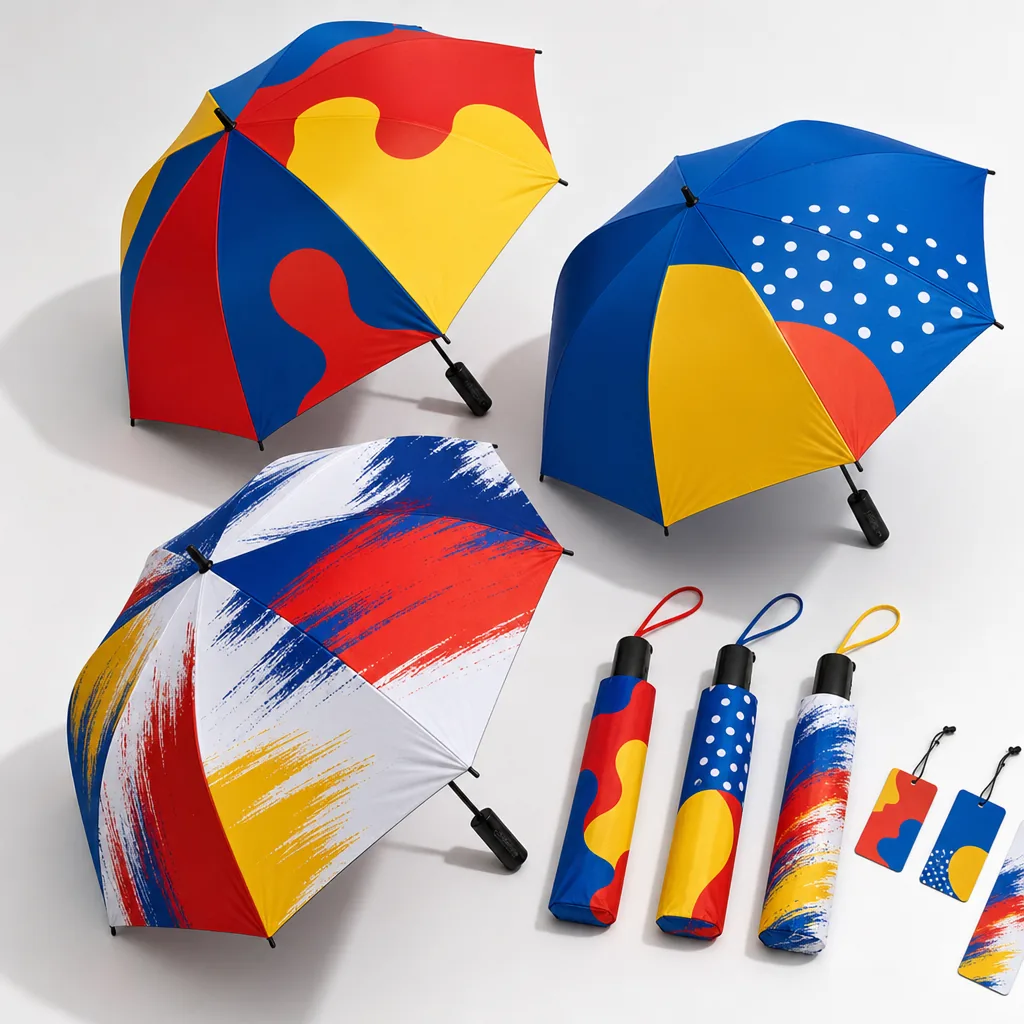
Choosing Canopy Fabric for Custom Umbrellas: Weight, Feel, and Finish
Learn how canopy fabric weight, weave, and coating affect print quality, water resistance, UV protection, and landed cos...
Read More »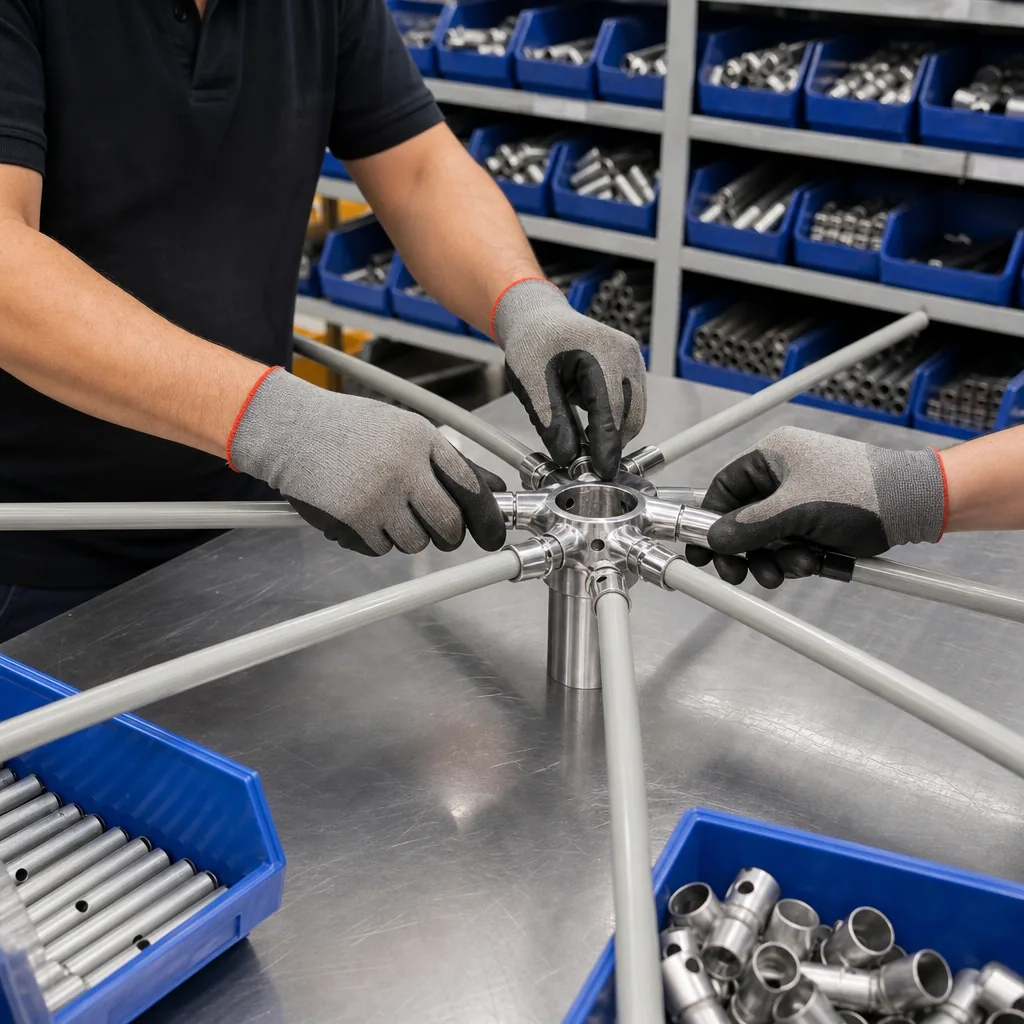
Umbrella Canopy Cutting Tolerances for Consistent Production
See how panel cutting tolerance, fabric shrinkage, and marker layout affect canopy fit, print alignment, and rework in O...
Read More »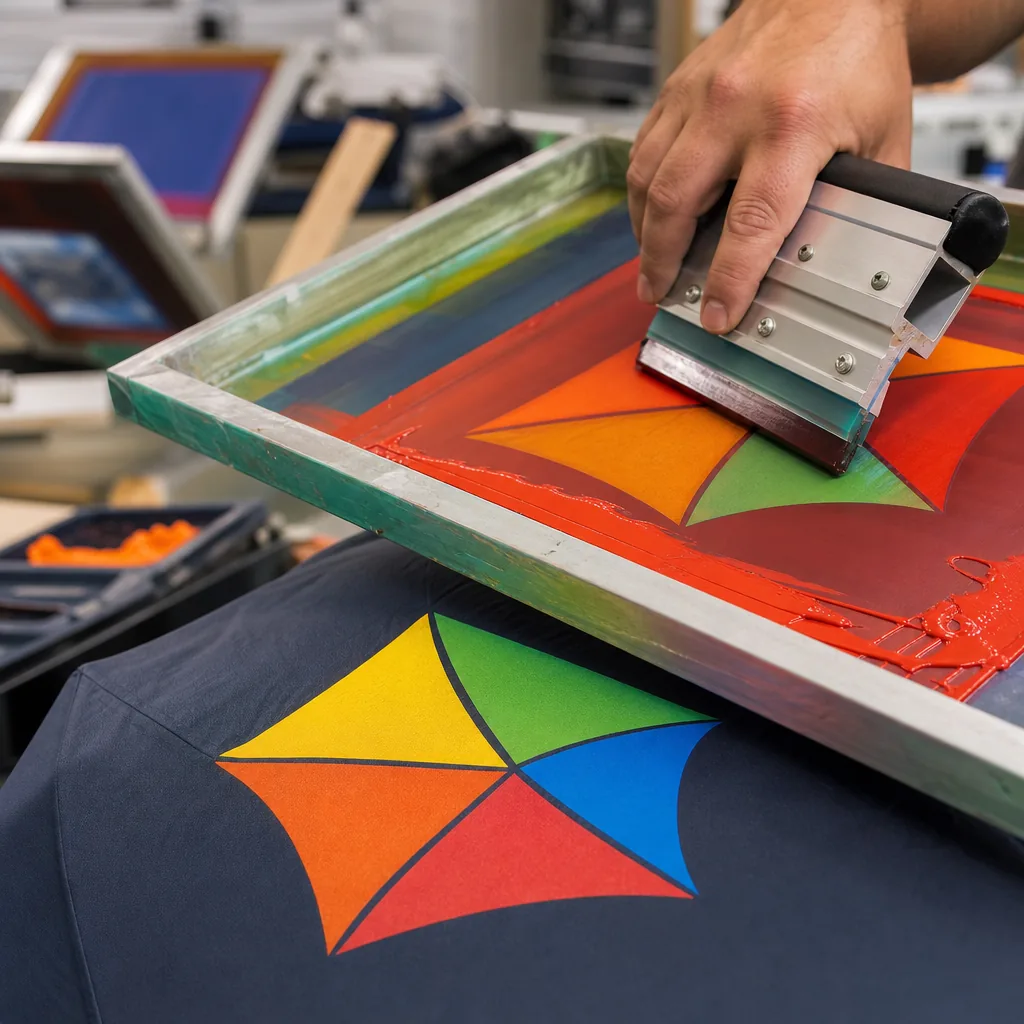
Umbrella Canopy Cutting: Panel Accuracy and Fabric Yield
See how marker planning, 190T/210T pongee layup, die or CNC cutting, and shade control improve fit, yield, and repeatabi...
Read More »