RPET Recycled Fabric Umbrellas: OEM Buyer Guide
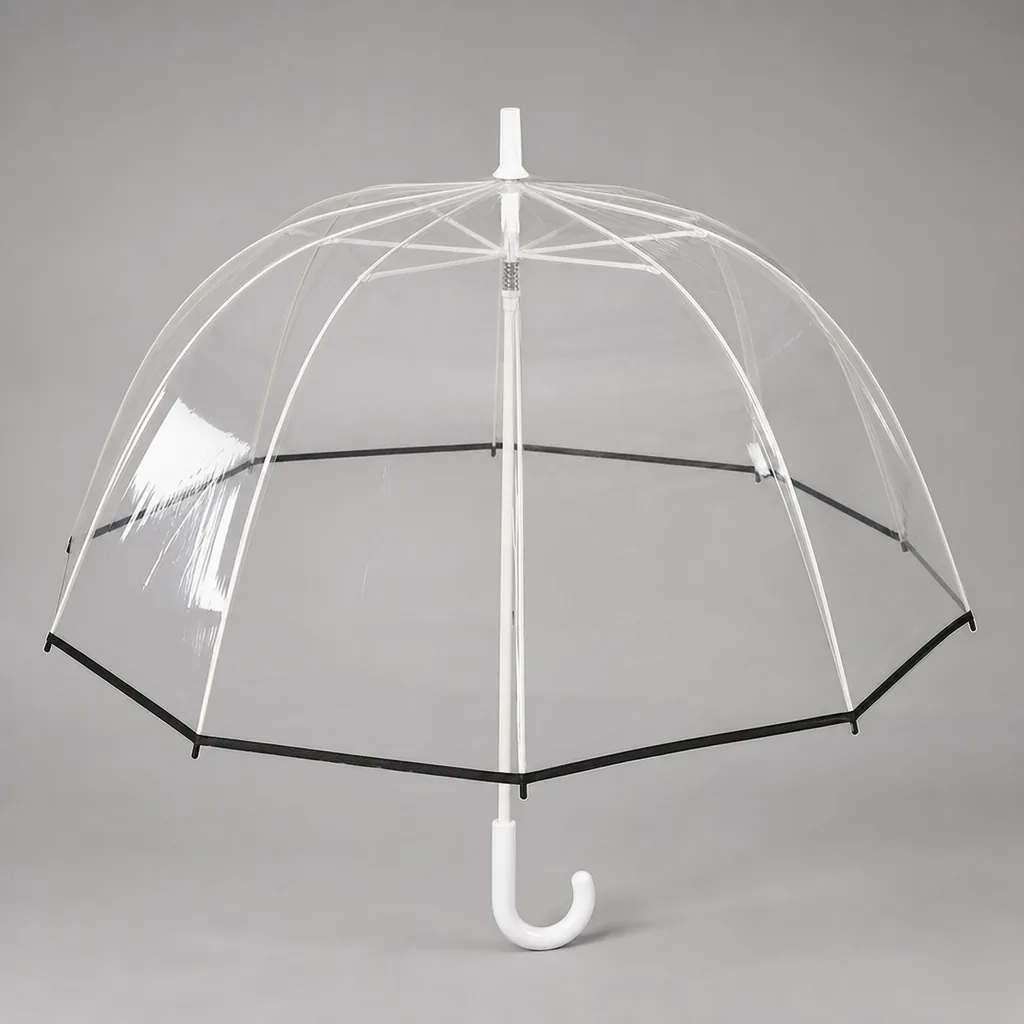
For OEM buyers, RPET recycled umbrellas are not just a sustainability claim; they are a specification job where yarn source, fabric weight, coating, colorfastness, frame strength, and labeling all have to line up before mass production. On our Songxia factory floor, the problems usually appear in the small gaps: loose fabric certificates, weak water-repellent finish, mismatched rPET labels, or frames chosen only by price instead of wind-load performance.
Define What Counts as an RPET Umbrella
An RPET umbrella should be defined first by the canopy fabric, not by a green hangtag or kraft carton. In production terms, RPET means the polyester yarn is made partly or fully from recycled PET bottle flake, then woven into umbrella cloth such as 190T pongee, 210T pongee, or polyester oxford. For most OEM orders, the practical equivalent is recycled pongee umbrella fabric: it behaves much like virgin 190T/210T pongee in cutting, sewing, digital printing, and water-repellent finishing, but the yarn source changes. A buyer should specify recycled content by percentage, for example 100% recycled polyester canopy or 50% recycled polyester blended with virgin yarn, because both can be sold loosely as RPET recycled umbrellas. Also confirm coating separately: standard PU, black UV coating for UPF 50+, silver coating, or Teflon-style water repellency are finishing choices and do not automatically make the base fabric recycled.
Material declarations should be requested before sampling, not after bulk inspection. Ask the RPET umbrella supplier for a fabric composition sheet, recycled-content declaration, transaction certificate where applicable, and a bill-of-materials breakdown covering canopy, sleeve, label, carton, and polybag. If the order is for retail or government procurement, many buyers also request GRS or RCS chain-of-custody documents; those are stronger than a simple supplier letter because they trace recycled input through spinning, weaving, dyeing, and fabric trading. Our standard practice at ZheBrella is to lock the fabric mill name, denier, weave, color code, coating, and recycled-content claim on the pre-production sample approval sheet, then match it during incoming fabric inspection. For printed sustainable promotional umbrellas, buyers should also check whether screen ink, heat-transfer film, or sublimation paper creates any additional compliance requirement.
The biggest mistake is treating recycled packaging as proof of an RPET umbrella. A recycled kraft box, FSC paper hangtag, or biodegradable polybag may reduce packaging impact, but it says nothing about the canopy yarn. Likewise, a bamboo handle or wheat-straw plastic grip does not make the whole umbrella sustainable if the canopy is virgin polyester and the steel frame is standard plated material. Fully sustainable product claims need a wider bill of materials: recycled fabric, low-impact dyeing where documented, repairable frame design, reduced-plastic packaging, and realistic durability targets such as fiberglass ribs, 8K or 10K construction, and a windproof double-canopy design that survives 50+ mph testing. For OEM buyers, the safest wording is specific and auditable: “canopy made from 100% RPET 190T pongee with recycled-content declaration,” not “eco-friendly umbrella” without evidence. That wording protects both the brand owner and the factory during AQL 2.5 inspection and customer audits.
Select Fabric Weight, Coating, and Performance
Color and print control are where many eco umbrella manufacturing projects fail quietly. RPET yarn accepts disperse dye well, but shade matching still depends on lab dips, bulk dyeing discipline, and whether the coating changes the perceived face color. For Pantone-matched retail canopies, I ask buyers to approve fabric under D65 daylight and TL84 store lighting, because gray, navy, beige, and muted green can shift after coating. Print sharpness on RPET recycled umbrellas is normally very close to virgin pongee when the fabric is heat-set flat and the coating is not oily; screen printing handles solid logos, heat transfer handles gradients, and sublimation works best on white or light RPET fabric. Our standard practice at ZheBrella is to test logo adhesion with tape pull and folding rub before mass production, then inspect canopy color, coating marks, and print registration under AQL 2.5. A serious RPET umbrella supplier should control those checks before packing, not after complaints arrive.
Pair Sustainable Canopies With Practical Frames
The canopy can carry the sustainability story, but the frame decides whether the umbrella survives real use. For RPET recycled umbrellas, I push buyers to specify the same frame discipline they would use on standard 190T or 210T pongee models: rib material, rib count, shaft thickness, runner fit, and opening mechanism all matter. Steel ribs are cheaper and give a solid hand feel, but they bend permanently after gust loading, especially on 21" and 23" compact umbrellas with thin three-fold ribs. Fiberglass ribs cost more, usually adding USD 0.25–0.70 depending on size and rib count, but they flex back instead of kinking. For sustainable promotional umbrellas handed out at campuses, banks, or outdoor events, that difference often prevents complaints after the first windy day.
An 8K frame is still the practical base for most OEM programs because it balances weight, cost, and assembly speed. On a 23" straight umbrella, 8 fiberglass ribs with a 14 mm metal or aluminum shaft can pass normal rain-use testing and survive around 40–50 mph gusts if the tips, stretchers, and runner are properly matched. A 16K frame looks more premium and gives a rounder canopy profile, which helps with full-panel branding on recycled pongee umbrella fabric, but buyers should not treat rib count as automatic strength. Sixteen weak steel ribs can fail faster than eight well-made fiberglass ribs. Our standard practice at ZheBrella is to test frame sets before printing approval, because logo work is wasted if the skeleton is underbuilt.
Lightweight eco umbrella manufacturing often uses aluminum shafts, especially for 21" compact auto-open-close or 23" manual travel umbrellas, but aluminum needs sensible wall thickness; ultra-light builds reduce freight weight yet raise wobble and return-rate risk. For golf and commuter models, 27" or 30" double-canopy vented windproof frames are a better match for RPET fabric because the vent releases upward pressure instead of forcing ribs inside out. Buyers sourcing from an RPET umbrella supplier should define windproof expectations in the quote sheet: fiberglass or steel ribs, 8K/16K count, shaft material, canopy size, manual or auto mechanism, and whether wind-tunnel testing is required. Eco positioning brings the customer to the product; durability keeps it out of the claims report.
Plan Branding, Labels, and Packaging Claims
Branding on RPET canopy fabric needs tighter control than on standard polyester because recycled yarn lots can vary slightly in shade and hand feel. For panel logos, we usually choose screen printing for 1–3 solid colors, heat transfer for gradients or small text, and sublimation only when the canopy is white or very light 190T/210T recycled pongee umbrella fabric. On a 23" auto-open or 27" golf umbrella, keep critical artwork at least 20–25 mm away from seams and rib tips because sewing tension and frame curvature distort straight lines. If the order uses a Teflon-style water-repellent finish or UV coating rated UPF 50+, print adhesion should be tested after coating selection, not after mass cutting. For RPET recycled umbrellas, I recommend approving one printed pre-production sample plus a wet-rub and tape-pull check before releasing bulk panels to sewing.
Labels and hangtags are where many “eco” programs get sloppy. A woven RPET label can be sewn into the seam, attached near the tie wrap, or placed on the sleeve, but the wording should match what the supplier can document: recycled canopy only, recycled sleeve only, or full recycled fabric set. Hangtags can state recycled content, bottle-equivalent estimates, care instructions, and QR codes linking to certificates, but avoid claiming “100% recycled umbrella” if the frame is steel, fiberglass, aluminum, zinc alloy, ABS, or PP. A practical claim for sustainable promotional umbrellas is often “canopy made with recycled polyester” rather than a broad environmental statement. For EU or North American retail buyers, ask the RPET umbrella supplier for transaction certificates, yarn declarations, or GRS-related documentation before artwork approval, because changing label wording after AQL 2.5 inspection creates rework and shipping delays.
Packaging should reduce waste without making the umbrella arrive damaged. Recycled paper sleeves work well for straight umbrellas and 21"–23" folding models, but heavier 27"/30" golf umbrellas often still need a carton divider or reinforced master carton to prevent handle scratches during FOB or DDP transit. FSC-style packaging requests are common, but buyers should specify whether they need FSC-certified paper, FSC-mix printing marks, soy-based ink, or simply kraft paper appearance; those are not the same thing in eco umbrella manufacturing. Polybag reduction options include one shared polybag per inner carton, paper belly bands, compostable bags where accepted, or no individual bag for event giveaways. Our standard practice at ZheBrella is to confirm packaging by drop test and carton compression check, then lock the claim language to the documents available before mass production, normally 25–35 days after sample approval depending on MOQ and print complexity.
Control MOQ, Lead Time, and Inspection Risks
RPET recycled umbrellas usually take more discipline on the front end than standard pongee because the fabric starts with recycled pellets and dyed yarn lots that can drift in shade, hand feel, and coating uptake. On a normal 190T pongee umbrella, a buyer may get lab-dip approval in a few days; with recycled pongee umbrella fabric, I plan for a longer approval cycle and a higher MOQ if the mill has to run a dedicated recycled yarn batch. For many sustainable promotional umbrellas, 500 to 1,000 pieces is workable only if the color is close to stock and the print is simple. If you want a custom Pantone match, expect more sampling, more back-and-forth on shade bands, and a real chance that the first confirmed lot will sit above the order quantity you had in mind.
The inspection plan should be stricter than “looks fine at packing.” For RPET recycled umbrellas, I would require fabric certificate checks for recycled content, colorfastness, and coating compliance before cutting starts, then AQL 2.5 on the finished goods, not just a carton count. At the factory floor, we also run open-close testing on sample units to catch loose rivets, weak stretchers, and canopy misalignment, because recycled yarn can expose sewing and bonding issues faster than virgin fabric. If you are comparing an RPET umbrella supplier against a standard mill, ask for the certificate number, the test standard used, and whether the canopy passed water-repellent and seam-split checks after repeated opening cycles.
For landed-cost planning, FOB and DDP should be modeled separately because the cheapest unit price is often not the cheapest delivered cost. FOB gives you control over freight and destination charges, while DDP folds in duty, local delivery, and brokerage, which is useful when you are comparing eco umbrella manufacturing quotes across suppliers. A quote that is $0.15 lower on fabric can disappear once you add extra sampling, longer approval time, and a higher reject rate at AQL 2.5. The clean way to buy RPET recycled umbrellas is to lock the spec sheet, confirm certificate copies before deposit, and budget one extra week for testing and one extra buffer for shade variation. That keeps the order from turning into an inventory problem after the freight has already left port.
Frequently Asked Questions
Is RPET pongee as waterproof as standard pongee?
Yes, waterproof performance mainly depends on the coating and finishing process. Buyers should approve a pre-production sample and include water repellency checks in QC.
Does RPET fabric increase umbrella MOQ?
Often yes, especially for custom colors or verified recycled fabric lots. Stock RPET colors can reduce MOQ and shorten sampling time.
What fabric specifications should a buyer request for RPET umbrella canopies?
Ask for the yarn count, weave density, recycled content percentage, water-repellent coating, and colorfastness target. For retail programs, many buyers also require a fabric test report showing REACH or equivalent compliance and a confirmed gsm range before production.
What MOQ and lead time are common for custom RPET umbrellas?
For OEM orders, MOQ often starts around 1,000 to 3,000 pieces per style, depending on panel count, frame type, and print complexity. Typical lead time is about 30 to 45 days after sample approval and deposit, but repeat orders can be faster.
How should quality control be set up for recycled umbrella orders?
A practical QC plan checks fabric roll consistency, canopy stitching, open/close cycle testing, spray resistance, and carton drop testing. Buyers usually ask for AQL inspection on finished goods plus pre-production approval of labels, swing tags, and packaging artwork.
Looking to Launch Your Custom Umbrella Line?
ZheBrella is a Zhejiang-based OEM/ODM umbrella manufacturer with 17 years of export experience. Free design, low MOQ from 100 pieces, windproof construction, full-color print.
Get Free Quote Now »People Also Search For
Related Articles
RPET Pongee Umbrellas: Buyer Guide for Sustainable Orders
Source RPET pongee umbrellas with verified recycled fabric, 190T or 210T specs, GRS documents, print options, MOQ planni...
Read More »
RPET Pongee Umbrellas: Buyer Guide for Eco Programs
Learn how to source RPET pongee umbrellas with verified fabric claims, durable frames, practical MOQs, and retail-ready ...
Read More »
Recycled PET Pongee Umbrellas: Buyer Spec Guide
Source rPET pongee umbrellas with the right fabric weight, certification documents, frame specs, MOQ, lead time, and AQL...
Read More »