Umbrella Frame Fatigue Testing: Cycle Counts and Failure Modes
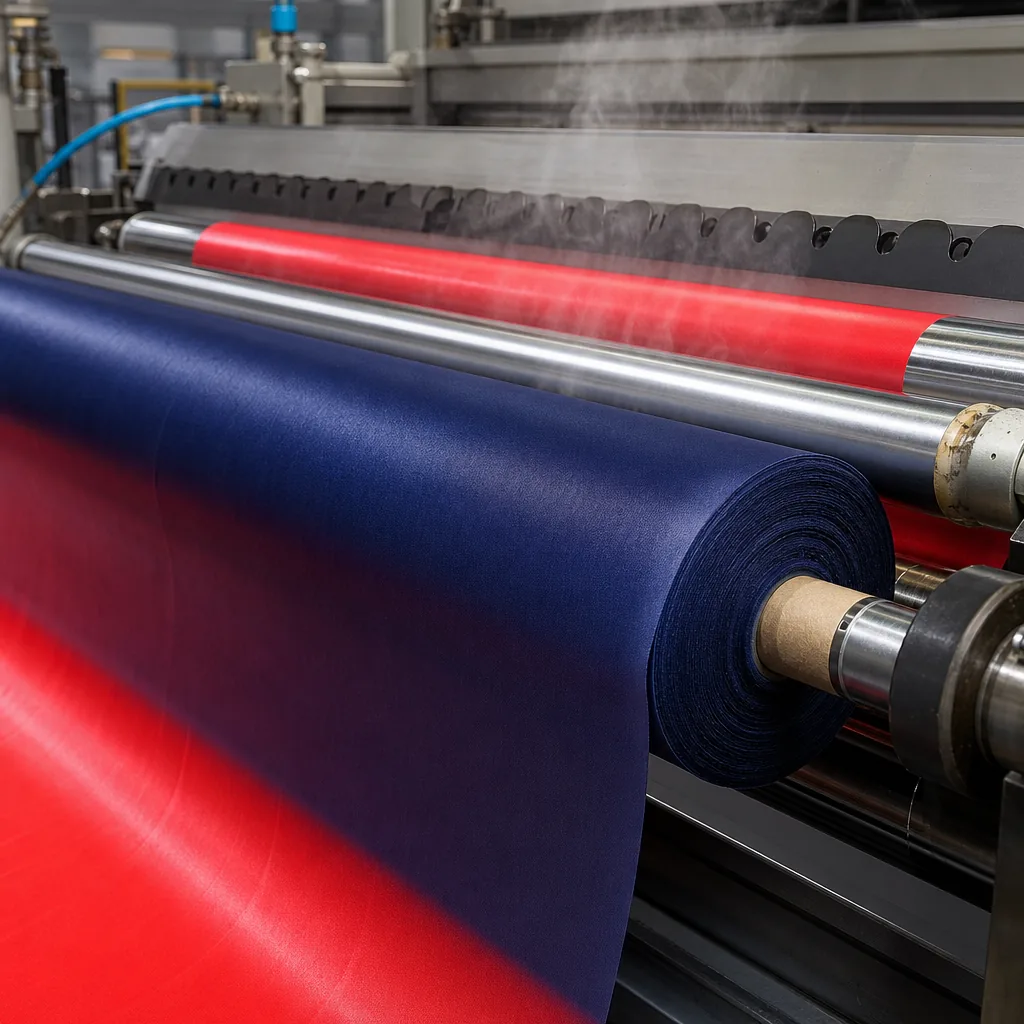
A frame that looks strong on the sample table can still fail after a few hundred open-close cycles, especially when rib joints, springs, rivets, and runner parts are under uneven load. In umbrella frame fatigue testing, we track cycle counts against real failure points, then check whether the break comes from poor tempering, loose riveting, weak plating, or bad part matching before bulk production locks in the risk.
Why Fatigue Testing Matters in Umbrella Manufacturing
Umbrella frame fatigue testing finds the parts that fail before a finished sample looks defective: the stretcher-to-runner joint, rib tip stitching points, rivets, spring locks, and the notch where the top hub absorbs repeated impact. Steel ribs usually bend before they break; fiberglass ribs recover better after wind load but can delaminate when resin quality is weak or rib-end drilling removes too much material. On 8K and 10K frames, one loose rivet can shift load across the canopy and create uneven opening. On 16K fashion frames, the higher rib count can mask small tolerance issues until several ribs begin tracking out of line. Auto-open and auto-open-close umbrellas need closer review because the spring drives force into the same joints on every cycle, so a frame that passes visual assembly can still fail at 300 to 500 openings.
A proper rib cycle test uses a fixture, not hand-clicking at a desk. The factory should test the selected 21", 23", 27", or 30" frame with the production shaft, runner, spring, and canopy attached, then cycle the umbrella at a consistent speed with inspections at fixed intervals. Check for rivet ovalization, runner cracking, rib twist, loose tips, canopy tension loss, and early canopy failure modes such as tearing at rib tips, leaking at needle holes, or puckering after heat-transfer printing. For low-cost promotional umbrellas, 300 cycles is a practical minimum and 500 cycles is a stronger target for short-term event use. Retail straight umbrellas and compact 3-fold models should normally reach 800 to 1,000 cycles. Premium windproof models should be pushed to 1,500 cycles or more before bulk approval, while double-canopy vented frames still need separate wind checks, often 50+ mph, because cycling alone does not prove inversion recovery.
For OEM umbrella QC, buyers should request a report that lists sample size, cycle target, actual cycles completed, failure definition, inspection intervals, and failure photos, not just a pass/fail stamp. The report should identify frame material, rib count, shaft diameter, runner material, canopy fabric such as 190T or 210T pongee, and any coating, printing, POE, PVC, or EVA change that affects canopy stiffness. Link factory durability testing results to AQL 2.5 shipment inspection so buyers can separate isolated workmanship defects from design risk. For FOB or DDP orders, require pre-production umbrella frame fatigue testing before locking lead times when changing handle weight, auto-open spring force, rib material, or custom canopy construction. That evidence protects cost and schedule because the cheapest point to fix a weak joint is before mass cutting, printing, and assembly start.
Test Methods for Ribs, Stretchers, and Runner Assemblies
Umbrella frame fatigue testing should start on an open-close cycle rig because runner travel, stretcher pivot wear, and spring fatigue cause more returns than one-time wind abuse. For an 8K 23-inch manual frame, mount the handle vertically, set the actuator to fully lock and fully release the runner, then run 3,000-5,000 cycles for promotional grades. Retail auto-open and auto-open-close frames need 8,000-10,000 cycles, with spring force recorded before and after the run. A 16K frame needs a lower cycle speed because the extra ribs and tighter stretcher geometry add friction; running too fast can heat the plastic runner and hide the real failure point. During the rib cycle test, QC stops every 500 cycles to check runner wobble, cap looseness, bent stretchers, rivet elongation, and late rib deployment. A rib that opens late is usually a wear signal, not a cosmetic issue: the stretcher rivet hole may be ovalizing, or the runner slot may be opening up.
Side-load checks measure the abuse that occurs when a user opens into wind, shakes off water, or twists the canopy. Lock the umbrella open, support the shaft, and apply controlled lateral force at the rib tips: typically 15-25 N for compact frames and 30-45 N for 27-inch or 30-inch golf frames. Test both single-point load and repeated deflection, because one push test will not expose joints that loosen after 200 side-load pulses. Fiberglass and steel fail differently. Fiberglass ribs flex and recover until the resin, socket, or rivet joint cracks; steel ribs usually take a permanent set first, especially low-carbon steel with thin plating. On 16K frames, the canopy load spreads across more ribs, but each smaller rib and stretcher has less tolerance for poor riveting. Factory durability testing should mark the loaded rib positions so the inspector can confirm whether drift repeats at the same joint.
Manual inspection catches failure modes that cycle counters miss. After testing, close the umbrella halfway and sight down the rib line for S-bends, cracked rivet heads, ovalized holes, split runner tabs, loose compression springs, and notch wear on the shaft. For OEM umbrella QC, also inspect canopy failure modes caused by frame fatigue: pulled bar-tacks at rib tips, seam puckering near the crown, stress whitening on POE/PVC panels, and coating abrasion on 190T or 210T pongee where a bent stretcher rubs. Steel may keep opening with a slight bend, but the misalignment can cut fabric or damage coating over time. Fiberglass can look straight with a hidden crack, then snap near the joint in the next wind event. Close the report by grading defects under AQL 2.5: critical for unsafe breakage, major for lock or runner defects, and minor for deformation that stays within the approved sample limit.
Common Failure Modes and What They Say About Build Quality
Rib splintering is the failure I take most seriously because it usually points to a material decision, not just rough handling. In umbrella frame fatigue testing, a fiberglass rib should whiten and lose stiffness before it fractures; if it snaps cleanly after a few hundred open-close cycles, the resin content is wrong, the fiber layup is uneven, or the rib was over-ground at the joint. Steel ribs fail differently. A cheap 0.45 mm rib may crease near the notch or rivet hole, especially on 8K and 10K promotional umbrellas, while a better heat-treated steel rib bends slightly and returns. On 16K golf frames, mismatched rib stiffness creates load concentration, so one weak rib starts a chain reaction during wind inversion. In OEM umbrella QC, we record whether the break happens at the tip, middle rib, U-joint, or rivet hole because each location tells a different story about raw material grade and assembly pressure.
Stretcher bend-set and runner sticking usually expose poor stamping accuracy or careless plating control. A stretcher that stays bent after a rib cycle test is often made from low-carbon strip steel without proper heat treatment, or the stamping die has left a burr that becomes a stress riser beside the rivet. The umbrella may look fine at final packing, but after 500 to 1,000 cycles the canopy opens unevenly and the user feels one panel lag behind the others. Runner sticking is more mechanical than cosmetic: ovalized center shafts, rough spring slots, excessive paint thickness, or a runner bore that is 0.1 mm too tight can turn an auto-open frame into a customer complaint. For auto-open-close models, weak springs and misaligned notch buttons are even less forgiving because the closing force is higher than on manual 21 inch or 23 inch frames.
Hub loosening is a quiet failure mode, but it tells an experienced inspector that the frame was built without enough control at riveting and cap assembly. If the top notch or runner hub begins to wobble during factory durability testing, the likely causes are shallow rivet flare, soft zinc alloy, loose hole tolerance, or plastic hubs molded with too much recycled material. Once the hub moves, canopy failure modes follow: pongee 190T panels start pulling off-grain, stitches at the rib tip distort, and PVC or POE canopies tear because the frame no longer shares the load evenly. Our standard practice at ZheBrella is to pair cycle results with teardown inspection, not just count pass or fail. A frame that survives 50+ mph wind-tunnel loading but shows hub play after 300 cycles is not a durable product; it is a warranty problem waiting for a retail rainy season.
How Buyers Should Write Fatigue Requirements Into a PO
Write fatigue requirements in the tech pack and PO as a test method, not as subjective wording such as “strong frame.” For umbrella frame fatigue testing, specify the product, operation, cycle count, and inspection points: a 23 inch auto-open stick umbrella must complete 1,000 full open-close cycles on finished goods; an auto-open-close compact umbrella should complete 1,500 actuator cycles because the runner, spring, shaft lock, tips, and ribs absorb repeated impact. A manual golf umbrella with 8K fiberglass ribs may require fewer mechanism cycles, but it still needs a rib cycle test that flexes ribs and stretchers through the agreed angle, especially when 210T pongee, UV coating, or Teflon coating adds canopy load. Make pass/fail binary: no broken ribs, loose rivets, runner jams, cracked notches, detached tips, shaft bending beyond tolerance, or permanent canopy distortion that prevents clean closing.
Lock sample size, source, and test sequence before bulk production. One approval sample does not prove durability; for OEM umbrella QC, require 8 to 13 units per style/color mechanism from pre-shipment bulk, not hand-built samples. If the order uses more than one frame vendor, each frame lot must be represented. State whether the test is destructive and whether failures block shipment release. Sequence matters: fatigue before wind tunnel testing measures normal assembly life; fatigue after salt spray is more relevant for coastal retail, marine promotions, or humid storage; fatigue after 50+ mph wind testing exposes loosened rivets, bent stretchers, and runner slippage under combined stress. Do not let the factory choose the order for convenience, because the same frame can pass or fail depending on preconditioning.
AQL 2.5 general level II supports final inspection, but it is not enough by itself for factory durability testing. AQL can catch basic open/close defects, print misalignment, sewing faults, handle scratches, carton damage, and visible canopy failure modes such as loose top stitching or broken tips. It does not prove that a 10K steel frame will survive repeated opening, wet-dry exposure, trunk storage, or promotional-event abuse. Separate inspection from reliability in the PO: “Final inspection to AQL 2.5 general level II; durability tests require zero critical failures and maximum one minor functional degradation in 13 tested units.” At ZheBrella, fatigue failure triggers corrective action because cracked rivet holes, weak runner springs, and bent stretchers usually point to tooling, heat treatment, frame material, or assembly pressure, not one bad sample.
Using Test Data to Balance Cost, MOQ, and Lead Time
Use umbrella frame fatigue testing to price risk before mass production, not after cartons are packed. A 23-inch auto-open promotional umbrella with 8K steel ribs may pass a 300-cycle open-close check and AQL 2.5 final inspection, but raising the spec to 1,000 cycles plus a wet-canopy rib cycle test usually adds 2 to 4 days for lab queue, technician time, and teardown review. That extra sampling time is cheap compared with assembly rework: rivet looseness, weak spring rebound, or stretched joints can push repair rates from under 2% to 6% or more because workers must replace stretchers, adjust tips, or re-crimp joints. The cost pressure is sharpest on 500 to 1,000 piece MOQ orders, where testing and rework spread across too few units. Set the target at sampling: 500 cycles for price-driven event umbrellas, 1,000 cycles for branded retail, and 1,500 cycles or wind-tunnel confirmation for vented models making 50+ mph claims.
Failed factory durability testing should trigger teardown diagnosis before the buyer rejects the frame. If 10K fiberglass ribs crack near the runner while tips, canopy, and stretchers stay intact, increasing rib wall thickness by 0.1 to 0.2 mm may fix the weak point at lower cost than changing the full frame. If auto-open-close samples rebound too hard or the runner jams, the spring force may exceed tube tolerance; reducing spring load can improve cycle life without making the umbrella feel soft. If black steel ribs rust after salt-spray or humidity storage, phosphate plus paint is often more practical than switching every rib to aluminum. Strong OEM umbrella QC records the failure location and then cuts samples apart: fracture faces, rivet ovaling, slider wear, and spring deformation show whether the corrective action belongs in rib thickness, spring force, surface finish, or assembly control.
Lead time determines how far a correction can go. For FOB Ningbo shipment in 25 days, changing from 8K steel to 10K fiberglass may add 5 to 7 days for material sourcing, pre-production samples, and line adjustment, while a rivet, rib thickness, or finish change can often fit inside normal frame preparation. Higher durability standards can also raise MOQ: custom rib tooling, special powder coating, and nonstandard springs often move practical orders from 1,000 pieces to 3,000 or 5,000 pieces because the frame supplier will not interrupt a line for a small batch. Separate structural frame defects from canopy failure modes before approving a change. Broken ribs, loose stretchers, and bent shafts justify frame changes. Torn 190T pongee at the tip, seam slippage, or POE/PVC whitening after cycling usually points to sewing tension, fabric weight, panel cutting accuracy, or coating brittleness. Good umbrella frame fatigue testing protects margin by fixing the cheapest true cause.
Frequently Asked Questions
What cycle count should a buyer request for umbrella frame testing?
It depends on the product class, but 3,000 to 5,000 cycles is common for promotional umbrellas, while higher-volume retail programs often ask for more. The key is to define the exact open-close motion, load condition, and acceptance criteria in writing.
Does a high cycle count guarantee a stronger umbrella?
No. A frame can survive cycles in a lab and still fail in real use if wind loading, corrosion, or poor canopy tension is not addressed. Buyers should pair fatigue testing with wind, corrosion, and assembly checks.
What cycle count should buyers request for an OEM umbrella frame fatigue test?
For standard rain umbrellas, many buyers request 500 to 1,000 open-close cycles before approval. For windproof or premium models, 1,500 to 3,000 cycles is more common, especially when fiberglass ribs or double-canopy frames are used.
Which failure modes should be recorded during umbrella frame testing?
A useful report should separate rib bending, runner jamming, stretcher breakage, rivet loosening, shaft deformation, canopy tearing, and tip detachment. Mapping the failure location helps the factory decide whether to change rib material, rivet size, stitching density, or assembly pressure.
When should fatigue testing be done in the bulk umbrella production process?
Fatigue testing should be completed on pre-production samples before fabric cutting and bulk frame assembly. For large OEM orders, buyers often ask for another spot check during production, usually after the first 5% to 10% of units are assembled.
Looking to Launch Your Custom Umbrella Line?
ZheBrella is a Zhejiang-based OEM/ODM umbrella manufacturer with 17 years of export experience. Free design, low MOQ from 100 pieces, windproof construction, full-color print.
Get Free Quote Now »People Also Search For
Related Articles
Umbrella Frame Tension Specs for Stable Opening and Closure
Learn how frame tension, runner friction, and spring force affect smooth opening, closure, and return rates in OEM umbre...
Read More »Umbrella Frame Stress Testing for OEM Quality Control
See how factories stress-test umbrella frames with bend, cycle, and pull checks to reduce breakage, returns, and warrant...
Read More »
Umbrella Frame Torque Testing for Smooth Opening and Closure
Learn how torque, spring force, and cycle testing keep auto-open and manual umbrellas smooth, safe, and consistent in ma...
Read More »