Umbrella Frame Tension Specs for Stable Opening and Closure
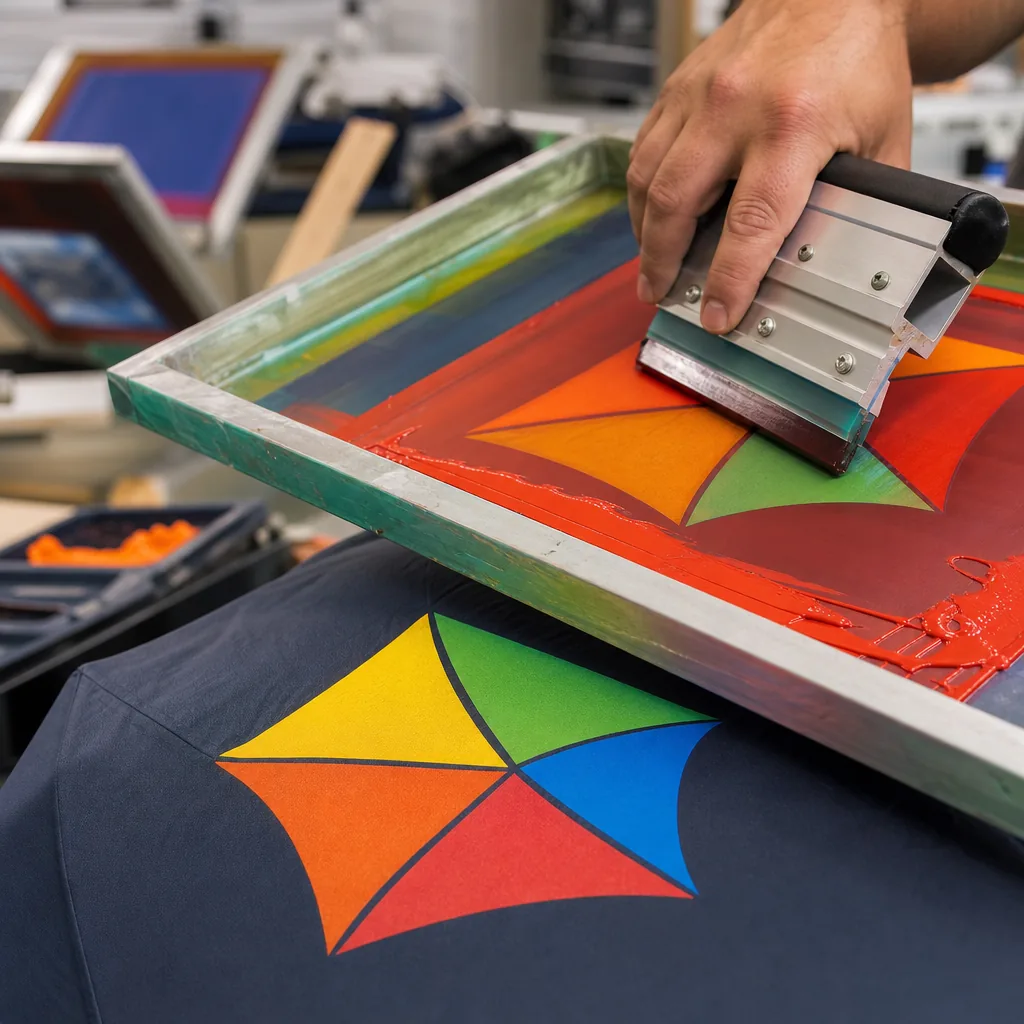
A frame that feels smooth in a sample room can still fail after a few hundred open-close cycles if rib tension, runner friction, and spring force are not balanced as a system. On our production floor, umbrella frame tension specs are checked against real assembly behavior: how the runner travels, how the ribs settle at full open, and whether closure feels controlled without forcing the shaft or stretchers.
What frame tension means in umbrella manufacturing
Umbrella frame tension specs define the force balance between shaft clearance, runner friction, spring preload, stretcher leverage, and rib recovery. On a manual 23-inch 8K stick umbrella, runner friction testing should hold push-pull force near 1.5-2.5 kg across the full shaft travel, not just at mid-stroke. Inspect the notch, spring catch, and top-stop because small burrs or plating buildup there create drag spikes that buyers notice as a hard open or rough close. For 21-inch auto-open folding models, the OEM umbrella mechanism adds shaft spring preload, so a fast bench open can mask a poor runner fit. Too-tight clearance makes the runner bind, raises closing force, and opens the frame unevenly. Too-loose clearance lets the runner chatter or tilt under load, producing a weak lock and a delayed snap. The pass condition is simple: smooth travel, repeatable lock engagement, and a clean snap at full open without extra thumb force.
The stretcher-rib system creates the second tension point. As the runner rises, each stretcher pushes its rib outward; joint angle and rib spring force control canopy tightness, final snap, and wind recovery. Steel ribs give a sharper open but can take a permanent set after overload, while fiberglass ribs recover better on 10K or 16K windproof frames. Line checks should confirm equal rib angles after opening, no rib tip lift, no sag between seams, and no hard kick in the last 10% of runner travel. Loose tension shows first on 190T or 210T pongee as wrinkles near rib tips and panel valleys; POE, PVC, and EVA canopies expose imbalance even faster because the surface does not hide distortion. Use an opening cycle test of 500-1,000 cycles for promotional orders, then recheck runner force, rib alignment, spring response, and lock engagement. For double-canopy vented umbrellas rated around 50+ mph, tune vent gap and fabric pull before increasing preload. AQL 2.5 inspection should sample smooth travel, full lock, clean closure, and post-cycle canopy tightness.
How to measure runner friction and spring force
Start with runner friction testing before changing rib spring force, because shaft drag can make an otherwise stable OEM umbrella mechanism feel defective. For a 23 inch straight umbrella with 8K steel ribs, test after riveting, with the canopy removed, the shaft held vertical, and a calibrated digital push-pull gauge hooked under the runner ring. A manual frame should break free at 1.2 to 2.0 kgf and remain below 2.5 kgf through the middle of the shaft travel. A 21 inch 3-fold compact frame can accept 1.5 to 2.8 kgf because telescopic tubes, spring buttons, and extra joints add resistance. Any reading above 3.2 kgf should trigger inspection for runner burrs, excessive plating thickness, ovalized shaft tubing, or a misaligned notch. Record umbrella frame tension specs on the assembled frame, not loose shafts and runners, because stretchers add side load that changes the measured pull force.
Measure opening resistance only after the finished canopy is installed. 190T pongee, 210T pongee, POE, PVC, and EVA all change drag, fold memory, and return speed, so a bare-frame result does not predict buyer use. On a manual 27 inch golf umbrella with fiberglass ribs, the stroke should stay even and must not spike near the top notch. Check rib spring force by deflecting the rib tip 50 mm and recording the return load at the stretcher joint; a practical target for 8K rain umbrellas is 0.45 to 0.75 kgf per rib. For 10K and 16K frames, lower per-rib force is usually needed so total opening load remains comfortable. For return speed, release the notch from full open and time closure to the folded position. A manual stick umbrella should collapse smoothly in under 2 seconds without the runner stopping halfway; violent rebound points to excessive rib tension or an over-tight canopy pattern.
Auto-open and auto-open-close frames need separate acceptance limits because the coil spring must overcome shaft friction, canopy weight, latch resistance, and joint drag in one stroke. For a 21 inch 3-fold auto-open frame, full deployment should take 0.35 to 0.70 seconds after button release, with zero half-open failures across 30 consecutive samples. Set the opening cycle test by sales tier: 500 cycles for promotional orders, 1,000 cycles for retail-grade compact umbrellas, and 3,000 cycles for premium windproof models before final AQL 2.5 inspection. After cycling, pull force should rise by no more than 20%, and the frame must still lock securely at the top notch. Double-canopy vented windproof designs and UPF 50+ coated fabrics add weight, so final umbrella frame tension specs must be confirmed on finished umbrellas before shipment, not copied from a bare-frame drawing.
Matching tension to rib count, material, and canopy size
Do not copy umbrella frame tension specs from an 8K approval sample to a 16K retail frame. An 8K layout carries more load per rib and stretcher, so runner travel feels heavier but the lock-up point is easier to tune. On a 23-inch arc stick umbrella with steel ribs, the frame often needs a firmer main spring and a tighter runner fit to pull the canopy cleanly into the crown. A 16K umbrella of the same diameter spreads canopy load across more ribs, but it also adds hinge and rivet friction at twice as many rib positions. If the spring is undersized or rivet setting varies, one or two panels open late, the canopy rotates before lock-up, and the buyer sees a crooked mechanism. In many cases, the OEM umbrella mechanism is not defective; the failure comes from inconsistent rib spring force and excessive runner friction across the frame.
Material changes the spring target and the reinforcement plan. Steel ribs recover predictably after bending, but their weight raises the force needed to overcome inertia, especially on 27-inch and 30-inch golf umbrellas. Fiberglass ribs reduce weight and handle wind deformation better, but they store and release energy differently; if the stretcher angle is too flat, the canopy blooms unevenly and the runner can stall before the notch. For 190T and 210T pongee, runner friction testing should happen after printing, coating, and final sewing because seam pull and surface finish change the opening load. PVC, POE, and EVA canopies need tighter control: they are heavier, stickier at panel contact points, and less forgiving around tips. Use stronger tip pockets, reinforced runner joints, and clean rivet clearance to prevent diagonal pull during closure.
Canopy diameter sets the practical limit for tension design. A 21-inch compact auto-open-close frame has a short rib span and tolerates smaller variation, while a 30-inch double-canopy vented umbrella needs more consistent rib spring force plus reinforcement at the crown, runner, and stretcher joints. A spring that is too strong snaps the canopy open, overloads the runner, and can shorten results in an opening cycle test. A weak spring leaves the canopy below full extension, so ribs do not seat evenly and panels look twisted. For ZheBrella export lots inspected under AQL 2.5, we check assembled samples after printing, coating, and sewing for off-center runner travel, tip pocket pull, and rib angle variation. It is cheaper to adjust spring wire diameter, runner tolerance, and rivet clearance before mass assembly than to sort finished umbrellas for crooked opening behavior.
Common defects caused by poor frame balance
Poor frame balance is a functional defect under AQL 2.5 when the umbrella cannot open fully, lock securely, or close without rib interference. Inspectors should record half-open canopies, latch failure, jammed runners, and ribs crossing under adjacent ribs as major defects, not appearance issues. The usual causes are mismatched rib spring force, uneven stretcher geometry, high runner friction, or canopy pull approved before the final fabric load was assembled. A bare frame can pass hand testing but fail after sewing 210T pongee, POE panels, UV coating, or a double-canopy vent because added weight changes the opening load path and raises closure resistance. For sample approval, umbrella frame tension specs should be checked on the complete assembled umbrella, not on the frame alone.
Freeze the OEM umbrella mechanism only after frame tension, spring load, canopy pull, and runner friction testing match the approved pre-production sample. During inspection, repeated open-close handling should check for latch hesitation before full lock, early rivet dust, bent stretchers, cracked plastic runners, loose tips, and uneven rib return. An opening cycle test helps catch premature joint wear before a visible break appears: the canopy opens slower, one rib twists off plane, or the runner needs extra force to pass the notch. These symptoms should trigger corrective action before bulk approval because they affect durability, return rates, and delivery risk. Clear umbrella frame tension specs convert vague “smooth operation” comments into measurable acceptance criteria for AQL 2.5 inspections and final sample sign-off.
Buyer spec sheet items that reduce mechanical failures
Put mechanical requirements on the purchase spec before artwork approval, not after the first sample. For 21", 23", 27", and 30" umbrellas, require the factory to match the OEM umbrella mechanism to canopy weight, frame size, and closure type. The spec sheet should name the opening cycle test target, acceptable pull-force range at the runner, rib spring force, rib material, and joint tolerance. State whether the ribs are fiberglass or steel and whether the canopy is 190T or 210T pongee, POE, or PVC, because heavier canopies need different spring and runner settings. Require runner friction testing after repeated wet and dry openings, then inspect joint gaps, rivet fit, spring rebound, and rib alignment. These checks catch the failures buyers actually receive: slow opening, jammed closure, rib inversion, uneven tension, and loose joints.
Packing belongs in umbrella frame tension specs because storage pressure can damage a correct frame before the user opens it. For compact auto-open-close models, specify sleeve tightness, strap position, carton quantity, inner polybag thickness, and whether rib tips must be aligned before packing. A 21" auto-open-close umbrella packed into an overly tight sleeve can arrive with distorted ribs before the button is pressed. For long umbrellas, require tip protectors, handle separation, and carton compression limits; 190T or 210T pongee will not compensate for a bent shaft in transit. Clear specs help the factory source the right runners, springs, ribs, and rivets before fabric cutting or logo printing, which shortens lead time and stabilizes MOQ planning. Vague mechanical requirements often cause two extra sampling rounds, adding 7-15 days before bulk production. On FOB or DDP orders, tighter specs also reduce replacement risk because AQL 2.5 mechanical defects are harder to rework than loose threads or minor print marks.
Frequently Asked Questions
What opening cycle count should buyers ask for in umbrella sampling?
For OEM programs, buyers should usually request a quantified cycle test rather than a generic durability claim. A common spec is several hundred to 1,000+ open-close cycles, with visible alignment and latch function still within tolerance.
Why does one umbrella feel smoother than another with the same design?
Small differences in runner molding, spring rate, and joint friction can change the feel significantly. Even with the same rib count, tighter component tolerances usually produce more consistent operation.
What opening force range should buyers specify for OEM umbrellas?
For manual straight umbrellas, many factories target roughly 20-35 N of opening force, while compact folding umbrellas may require slightly higher force because of tighter frame geometry. Buyers should confirm the range by sample approval and include an acceptable tolerance, such as +/- 3 N, in the QC specification.
How many cycles should an umbrella mechanism pass before mass production approval?
A common buyer requirement is 500-1,000 open-close cycles for standard promotional umbrellas and 1,500-3,000 cycles for retail-grade automatic umbrellas. The test should record runner sticking, rib deformation, spring fatigue, and any failure to lock fully open.
What frame tension issues usually cause high return rates?
The most common issues are excessive runner friction, weak rib springs, uneven rib tension, and lock mechanisms that do not fully engage. These defects often appear after packing compression or repeated cycling, so pre-shipment inspection should include both fresh samples and cycled samples.
Looking to Launch Your Custom Umbrella Line?
ZheBrella is a Zhejiang-based OEM/ODM umbrella manufacturer with 17 years of export experience. Free design, low MOQ from 100 pieces, windproof construction, full-color print.
Get Free Quote Now »People Also Search For
Related Articles
Umbrella Frame Torque Testing for Smooth Opening and Closure
Learn how torque, spring force, and cycle testing keep auto-open and manual umbrellas smooth, safe, and consistent in ma...
Read More »Umbrella Opening Cycle Tests for Durable OEM Mechanisms
See how factories test manual and auto-open umbrellas for cycle life, spring stability, and field reliability before bul...
Read More »Umbrella Frame Assembly QC: From Ribs to Final Opening
Learn how factory line QC controls rib riveting, runner fit, frame tension, and opening cycles before AQL 2.5 final insp...
Read More »