Umbrella Mechanisms: Springs, Shafts and QC Tests
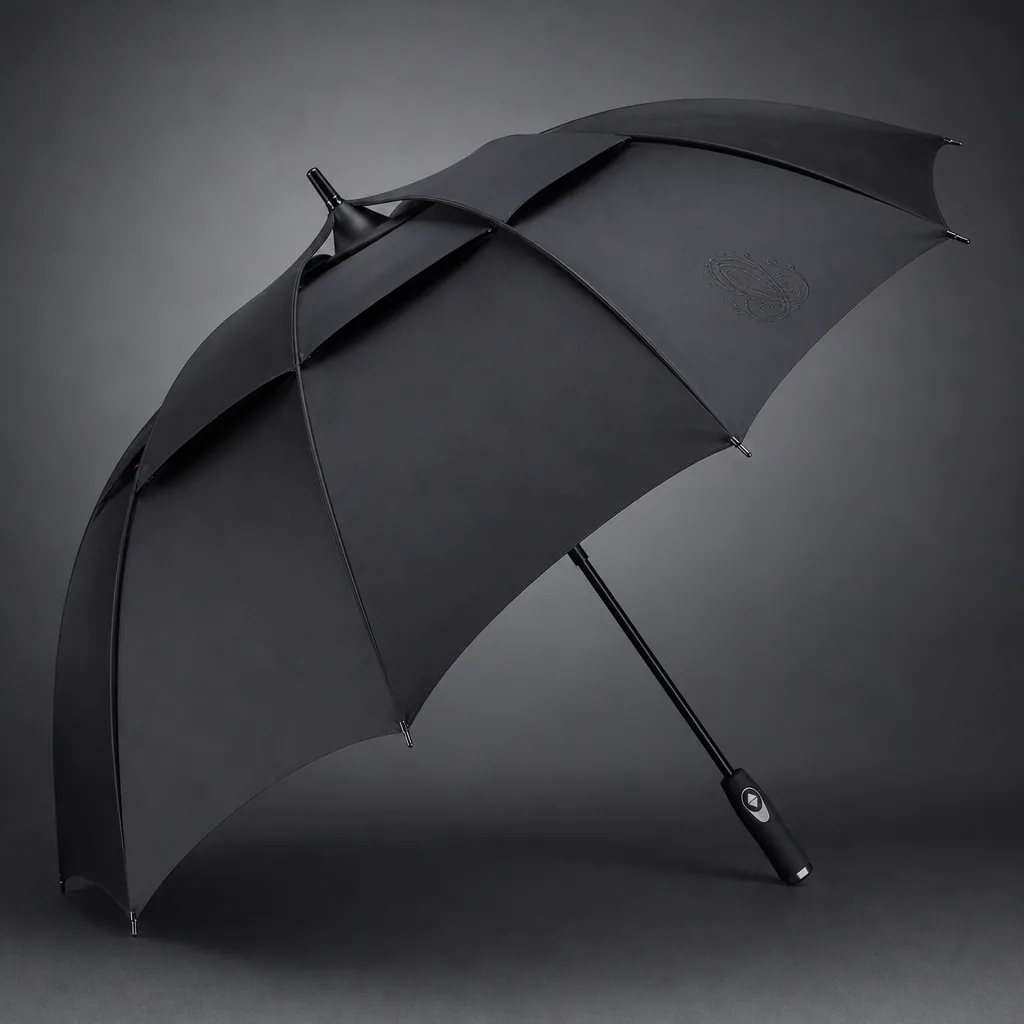
This technical guide breaks an umbrella frame mechanism into its runner, latch, shaft tubes, spring pack, button and rib load path. Use it to set cycle-life targets, diagnose opening or reset failures, and define measurable QC checks before mass production.
Umbrella mechanism parts and load paths
An umbrella frame mechanism transfers force through a defined path: the user's hand or a stored spring moves the runner, the runner pushes the stretchers, and the stretchers rotate the ribs until the notch or latch holds the canopy open. The parts that control this movement are the handle button, release pawl, main spring, telescopic shaft tubes, runner, notch, stretcher joints, rib rivets and top cap. A mechanism drawing should identify each loaded surface and the direction of travel. Without that drawing, a supplier can change a spring, shaft wall or latch profile without the buyer understanding why button feel or service life changed.
Manual frames rely on user force and a simple runner lock. Automatic frames store opening energy in a spring and release it through a trigger. Auto open-close assemblies add a return sequence, a cord or linkage and several locking positions inside a short telescopic shaft. The engineering question is therefore not whether a button exists, but how spring force, runner travel and shaft alignment stay controlled from the first cycle to the last. Record the shaft diameters, wall thickness, spring wire specification, latch material and permitted runner play in the approved bill of materials.
Ribs and canopy tension are part of the same load path. A heavier 210T pongee canopy, extra coating or a larger arc changes the force needed to reach full lock. Fiberglass end ribs can absorb twist, but they do not correct a weak shaft or poorly seated spring. During sample approval, evaluate the complete assembly with production fabric and trim rather than testing a bare frame that carries less load.
If you are choosing a mechanism for a retail or promotional program, use our manual versus auto open-close folding umbrella buyer guide.
Spring, latch and shaft failure modes
Spring set is a gradual loss of stored force. It appears as slow opening, incomplete runner travel or a canopy that does not reach the lock consistently after repeated cycles. The root cause may be spring material, heat treatment, excessive preload or a shaft that creates too much friction. Measure opening time and final lock engagement at the start, middle and end of the qualification test. A pass based only on the first ten cycles will miss the failure pattern that creates field returns.
Latch and button failures usually begin with tolerance drift. A release pawl that is too shallow can slip under shock; one that is too deep can require excessive button force. Thin ABS button housings may crack around the pivot, while rough moulding flash can prevent the trigger from returning. On auto open-close frames, an incomplete shaft reset is another common complaint. Check whether the last telescopic section seats squarely and whether the mechanism gives a clear tactile or audible lock without requiring the user to strike the handle against a hard surface.
Shaft ovality, rivet looseness and corrosion create secondary failures even when the spring is acceptable. A bent inner tube increases sliding resistance; loose stretcher rivets let the canopy open asymmetrically; corrosion products add drag inside the tube set. Teardown failed samples instead of recording only 'does not open.' Classify the fault by spring, latch, shaft, runner or rib joint so corrective action reaches the responsible component supplier.
How mechanism complexity changes component cost
Mechanism cost is driven by controlled components and inspection time, not simply by the number of metal pieces. A stable quotation should identify the spring pack, shaft material and wall thickness, runner and notch material, button housing resin, rivet specification and any lubricated surfaces. If those details are replaced with 'standard automatic frame,' two visually identical samples can have different opening force and very different life-test results.
Tighter tolerances add value only where they control motion. Critical dimensions include shaft concentricity, latch engagement depth, runner clearance and spring installed length. These points may require gauges, force measurement and functional sorting during assembly. Build the cost sheet around the approved control plan: incoming component checks, in-line trigger tests, end-of-line function cycles and any destructive teardown samples. That makes price changes traceable when the buyer asks for a longer cycle target or lower button-force variation.
Spare-part and repair policy should also be decided before the purchase order. For large programs, retain labelled springs, buttons, runners and shaft assemblies from the same production lot, or agree on a credit and replacement process tied to lot numbers. A cheaper mechanism with no controlled replacement path can cost more after launch than a slightly higher BOM with repeatable components and documented inspection records.
Matching frame hardware to umbrella format
A 3-fold compact frame places high spring load inside short telescopic tubes, so straightness, reset force and runner clearance deserve priority. Test the assembly with the final handle, wrist strap and sleeve because handle geometry can change button travel and users may force a tight sleeve against the trigger. For coated compact canopies, confirm that fold bulk does not prevent complete closure or place side load on the shaft during reset.
Straight and golf frames have more shaft length but carry larger canopy loads. Specify the relationship between shaft diameter, rib length, stretcher geometry and opening spring rather than upgrading one part in isolation. A strong spring on a light shaft can produce impact at the top stop and loosen rivets. A large vented canopy may reduce inversion pressure, but its extra panels and seams still affect opening load and balance.
Children's and hospitality products need their own safety and use controls. Rounded tips, guarded pinch points and a lower actuation force can matter more than fast deployment. Record the intended user, umbrella size, canopy fabric, opening mode and expected use frequency in the mechanism specification. This prevents a factory from reusing a convenient adult commuter assembly in a product where the force profile and risk are different.
Cycle, button-force and AQL QC tests
Start with an approved golden sample and a written functional sequence. Inspect button return, full opening, positive lock, canopy symmetry, shaft wobble and complete reset. Measure the actuation or reset force with a consistent fixture and record an acceptable range from approved samples. A subjective instruction such as 'button should feel smooth' cannot control drift between cartons or production dates.
Separate endurance qualification from routine AQL inspection. Qualification can use 500, 1,000 or 3,000 cycles depending on the agreed channel and warranty target, with checkpoints for spring force, lock engagement, shaft play and visible damage. Routine production inspection may use a shorter preconditioning cycle on sampled units plus AQL 2.5 for major defects, but AQL sampling does not prove long-term mechanism life. Define critical failures such as unintended release, exposed sharp parts or inability to lock separately from cosmetic defects.
Keep failed samples and teardown evidence by lot. Photograph the latch, spring seat, tube wear and broken joint, then link the finding to component incoming records and the assembly line. Final reports should state sample size, cycle count, test speed, environment, measured force range and failure classification. These records turn an umbrella mechanism QC claim into a repeatable release decision for the next order.
Frequently Asked Questions
What parts make up an auto open-close umbrella mechanism?
The controlled parts normally include the button and release pawl, spring pack, telescopic shaft tubes, runner, notch, return linkage, stretchers, ribs and rivets. They should be approved as one load system rather than as independent cosmetic parts.
How should buyers specify an umbrella cycle test?
State the cycle count, test speed, complete opening and reset sequence, inspection checkpoints and pass criteria for lock engagement, spring force, shaft play and visible damage. Use production fabric and trim on the test units.
What is the most common automatic umbrella mechanism failure?
Common failures include spring force loss, latch wear, incomplete shaft reset, cracked button housings and excess friction from bent or corroded shaft tubes. Teardown is needed to identify the actual component cause.
Why should button and reset force be measured?
Force measurement catches drift that a visual check misses. A trigger that is too light may release unintentionally, while excessive button or reset force increases user complaints and can accelerate wear in the housing and shaft.
Does AQL 2.5 replace umbrella mechanism endurance testing?
No. AQL controls the defect rate in a sampled production lot. Endurance qualification evaluates how the mechanism changes over hundreds or thousands of cycles. A robust control plan uses both for different purposes.
Looking to Launch Your Custom Umbrella Line?
ZheBrella is a Zhejiang-based OEM/ODM umbrella manufacturer with 17 years of export experience. Free design, low MOQ from 100 pieces, windproof construction, full-color print.
Get Free Quote Now »People Also Search For
Related Articles
Umbrella Opening Cycle Tests for Durable OEM Mechanisms
See how factories test manual and auto-open umbrellas for cycle life, spring stability, and field reliability before bul...
Read More »
Umbrella Frame Tension Specs for Stable Opening and Closure
Learn how frame tension, runner friction, and spring force affect smooth opening, closure, and return rates in OEM umbre...
Read More »Umbrella Frame Torque Testing for Smooth Opening and Closure
Learn how torque, spring force, and cycle testing keep auto-open and manual umbrellas smooth, safe, and consistent in ma...
Read More »