Umbrella Frame Riveting Quality: Preventing Loose Ribs in Bulk
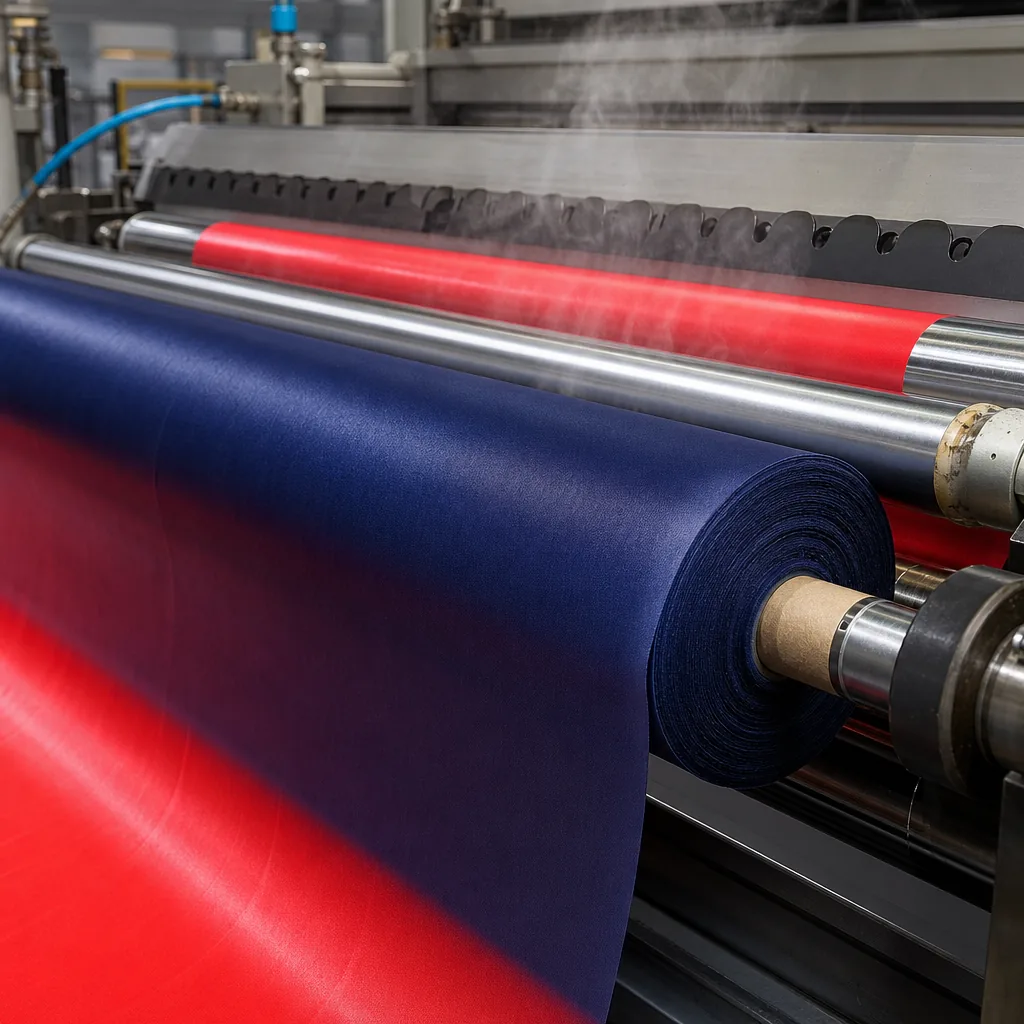
When OEM umbrellas come back with loose ribs or crooked frames, the root cause is usually not the fabric—it is inconsistent riveting on the frame line. At our Songxia factory, we see how rivet diameter, press force, die alignment, and pull-test discipline directly affect frame life in bulk production, especially when buyers need repeatable quality across thousands of units.
Where Rivets Control Umbrella Frame Durability
Rivets decide whether an umbrella frame feels tight or sloppy before the canopy ever goes on. On a typical manual or auto-open frame, the critical points are the rib-to-stretcher joints, runner connections, top notch, and the small linkage pins that tie the folding geometry together. In production, `umbrella frame riveting quality` is not a cosmetic issue; if the rivet head is under-set, ovalized, or split the hole, the joint starts to walk under load. That shows up as side-to-side wobble at the runner, uneven rib deployment, and a frame that never centers cleanly when opened.
The failure mode is predictable: loose umbrella ribs create slack in the structure, so the canopy no longer loads evenly across all ribs. One weak joint can make the opposite side carry extra tension, which leads to canopy sag, poor wind recovery, and a frame that feels noisy or unstable in the hand. In OEM umbrella frame assembly, I check that each rivet holds the joint without binding, because a joint that is too loose wears fast and a joint that is too tight chews through the metal during cycling. That is why umbrella rivet testing needs both pull stability and repeated open-close cycles, not just a quick visual check.
For bulk umbrella QC, the fastest way to catch bad riveting is to test representative samples after full frame assembly, not after finished packing. Watch for inconsistent opening force, misaligned ribs at full spread, and runner drift after several cycles; those are the early signs that rivet compression or hole tolerance is off. On the factory floor, we treat the top notch and linkage clusters as high-risk points because any play there multiplies across the whole frame. If those joints pass, the frame usually survives shipping, retail handling, and customer use; if they do not, returns start with complaints about wobble and end with broken claims about durability.
Rivet Materials, Diameters, and Frame Compatibility
Rivet choice is not cosmetic; it controls whether a frame stays tight after a few hundred open-close cycles. On the factory floor, we usually see plain steel, plated steel, and stainless rivets, and each one behaves differently in production. Plain steel is cheapest and presses cleanly, plated steel gives better corrosion resistance for coastal or humid markets, and stainless is the safer call when the umbrella will live in wet storage, but it is harder on tooling and needs tighter press control. For umbrella frame riveting quality, the real issue is matching the rivet to the joint stack-up, not just the metal grade.
Diameter and grip length have to match the frame material and rib count. Fiberglass ribs need enough shank length to clamp without crushing the resin-rich layer, while steel ribs can tolerate a firmer set but will loosen if the hole is oversized or the rivet is too short. Aluminum shafts also need careful head spacing because they deform faster than steel under the same press tonnage. In 8K layouts the joint load is lower and you can stay with smaller diameters, but 16K frames put more stress on each connection, so short or thin rivets are a common cause of loose umbrella ribs during transit or end-user testing.
Over-pressing fiberglass is the classic mistake: the head looks tight on the line, but the rib wall has been pinched, micro-cracked, or partially delaminated, so the joint fails later under wind load. Under-pressing steel joints is the opposite problem: the rivet holds on inspection, then walks loose because there is not enough upset to lock the stack. In OEM umbrella frame assembly, I insist on umbrella rivet testing with pull and swing checks, plus AQL-based bulk umbrella QC on randomly selected frames, because a frame that passes visual inspection can still open up after shipping vibration and humidity.
Press Settings and Assembly Jigs on the Production Line
On the production line, umbrella frame riveting quality starts with the machine, not the inspector. Pneumatic riveters give better repeatability than hand hammering, but only if air pressure is held in a narrow band and the punch stroke is matched to the rib material: fiberglass needs enough compression to seat the pin without crushing the glass bundle, while steel ribs can tolerate more force but will deform if the die is off-center. In OEM umbrella frame assembly, I treat fixture alignment as non-negotiable. If the rib channel sits even 1–2 mm out of line, you get tilted rivets, oval holes, or cracked rib channels, and those defects usually show up later as loose umbrella ribs after a few open-close cycles.
Shift-start first-piece checks are where most bad runs are caught. We verify rivet head formation, joint gap, and hinge movement on one sample from each station before releasing volume, then repeat after any die change or pressure adjustment. A proper check is not just visual: the canopy frame should open smoothly without drag, especially on auto-open and auto-open-close models where a tight joint can restrict spring travel and create partial deployment. For bulk umbrella QC, I also watch for burrs around the rivet hole and misaligned washers, because those small errors create friction, squeaks, and premature looseness even when the frame passes a casual shake test.
Umbrella rivet testing should be simple but disciplined: apply side load to the rib joint, open and close the frame repeatedly, and reject any piece that shows play, rotation at the rivet, or a sticky hinge. ZheBrella’s standard practice is to log first-piece results against press settings so the operator can see immediately whether the issue is pressure drift, worn tooling, or a bad fixture stop. The point is to stop defects before they become cartons of rework. If the riveting station is stable, the frame stays square, the rib motion stays free, and you avoid the expensive pattern of loose umbrella ribs that only appear after packing or transit vibration.
Rivet Strength Tests for In-Line and Final QC
Rivet strength is where umbrella frame riveting quality either holds up in production or starts sending loose umbrella ribs into the carton. On the line, I would not trust a visual check alone: sample every lot with manual articulation at the ferrule, runner, stretchers, and tip joints, then judge the torque feel by hand. A good rivet should move smoothly without side play, chatter, or a dry scraping feel, and the pull check should show the joint taking load without ovalizing the hole or cracking the knuckle. In OEM umbrella frame assembly, those are the first signs that the rivet diameter, upset length, or staking pressure is off.
For umbrella rivet testing, cycle samples through repeated open-close operation and inspect frame symmetry after each set. A frame that twists to one side, closes unevenly, or leaves one rib hanging higher than the others usually has a rivet problem, not a canopy problem. I also check the crown and stretcher alignment against a flat jig, because small rivet defects often show up as a bowed spine or a runner that binds under load. In bulk umbrella QC, this kind of functional check catches the failures that pass a quick glance but come back later as warranty noise.
Final inspection should still sit on AQL 2.5, but the acceptance level depends on the program. For retail umbrellas, I would keep the tolerance tight and reject any batch with recurring joint looseness, visible rivet cracking, or more than isolated symmetry drift. For promotional programs, a slightly wider cosmetic window is acceptable if the frames still pass torque feel and cycling; for resort or hospitality use, durability matters more, so the lot should survive harsher open-close sampling and a higher pull threshold before release. The point is simple: define the failure mode up front, then match the test load to the customer’s abuse level instead of shipping all programs on the same weak standard.
What Procurement Teams Should Add to RFQs
Procurement teams should stop sending vague umbrella RFQs and start specifying the parts that actually drive failure. For umbrella frame riveting quality, the buyer needs to state rib material first: steel, fiberglass, or mixed construction, because each one changes rivet choice, hole tolerance, corrosion risk, and labor time. Rib count matters too — 8K, 10K, 16K, or even 30-inch canopy structures do not use the same rivet spacing or head reinforcement. If you do not define expected opening cycles, the factory will quote a standard commercial build, not a fatigue-tested frame, and that is where loose umbrella ribs usually show up after a few thousand opens.
Windproof requirement should be written in plain numbers, not marketing language. Say whether the frame must survive 50+ mph gusts, use double-canopy venting, or carry fiberglass ribs with reinforced joints, because those choices affect rivet diameter, ferrule design, and how much time is spent on umbrella rivet testing. Salt-air exposure is another cost driver that buyers often forget; coastal use means stainless hardware, anti-rust plating, or tighter post-riveting inspection, all of which increase piece price and can extend lead time by several days. If the umbrella is for hotel, resort, or marine use, OEM umbrella frame assembly needs that information up front, or the quote will miss the real corrosion requirement.
Warranty target should also be explicit. A 6-month promotional warranty is not the same as a 2-year retail warranty, and the factory will change bulk umbrella QC accordingly: more pull tests, more cycle checks, and usually a higher AQL pressure on riveted joints. For pricing, buyers should ask whether FOB or DDP includes enhanced QC, because extra inspection, sorting, and carton-level recheck may be included in one quote but excluded in the other. MOQ and lead time also move when you ask for tighter rivet specs, especially if the factory has to change tooling or source a nonstandard rib profile. The cleanest RFQs list rib material, rib count, cycle target, windproof standard, salt-air condition, and warranty target in one line each, so the quote reflects the real production risk instead of a generic frame build.
Frequently Asked Questions
Are loose ribs usually a material problem or an assembly problem?
Most loose-rib complaints come from assembly control: wrong rivet length, unstable press settings, or poor jig alignment. Material also matters because fiberglass, steel, and aluminum components tolerate different riveting pressure.
Should every umbrella frame be rivet-tested before shipment?
Factories usually combine 100% functional opening checks with sampled rivet strength checks under an AQL plan. For premium OEM orders, buyers can request higher sampling, extra open-close cycle tests, or special checks on 16K and windproof frames.
What rivet pull strength should a bulk umbrella frame pass?
For most OEM umbrella frames, buyers often request a pull test that confirms the joint will not loosen under repeated opening and closing cycles. A practical factory spec is to verify the rivet holds through at least 500 to 1,000 cycles, with the exact force target set by the frame material and rib diameter.
How many umbrellas should be checked during in-line rivet QC?
For mass production, many factories inspect the first 5 to 10 pieces from each setup change, then sample every 30 to 50 pieces during the run. For AQL final inspection, the sample size usually depends on order volume and the buyer’s defect tolerance.
What usually causes loose ribs in OEM umbrella production?
The most common causes are incorrect rivet diameter, inconsistent press pressure, misaligned hole positioning, and worn tooling. In some cases, weak material thickness in the rib joint also leads to early loosening during transit or customer use.
Looking to Launch Your Custom Umbrella Line?
ZheBrella is a Zhejiang-based OEM/ODM umbrella manufacturer with 17 years of export experience. Free design, low MOQ from 100 pieces, windproof construction, full-color print.
Get Free Quote Now »People Also Search For
Related Articles
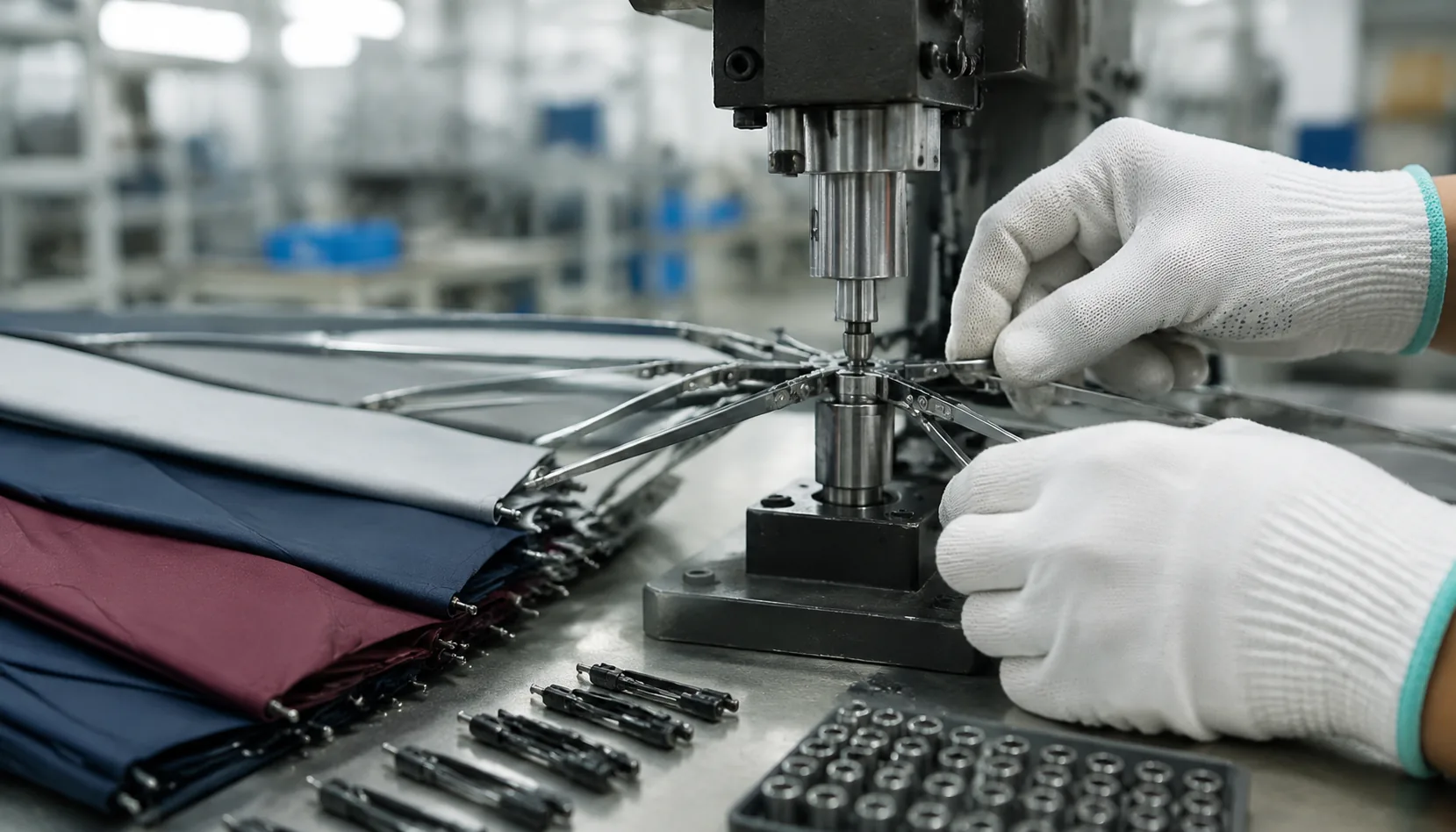
Umbrella Frame Riveting Quality: Preventing Loose Joints
Specify rivet materials, joint tolerances, pull checks, and in-line inspections to reduce loose ribs and frame failures ...
Read More »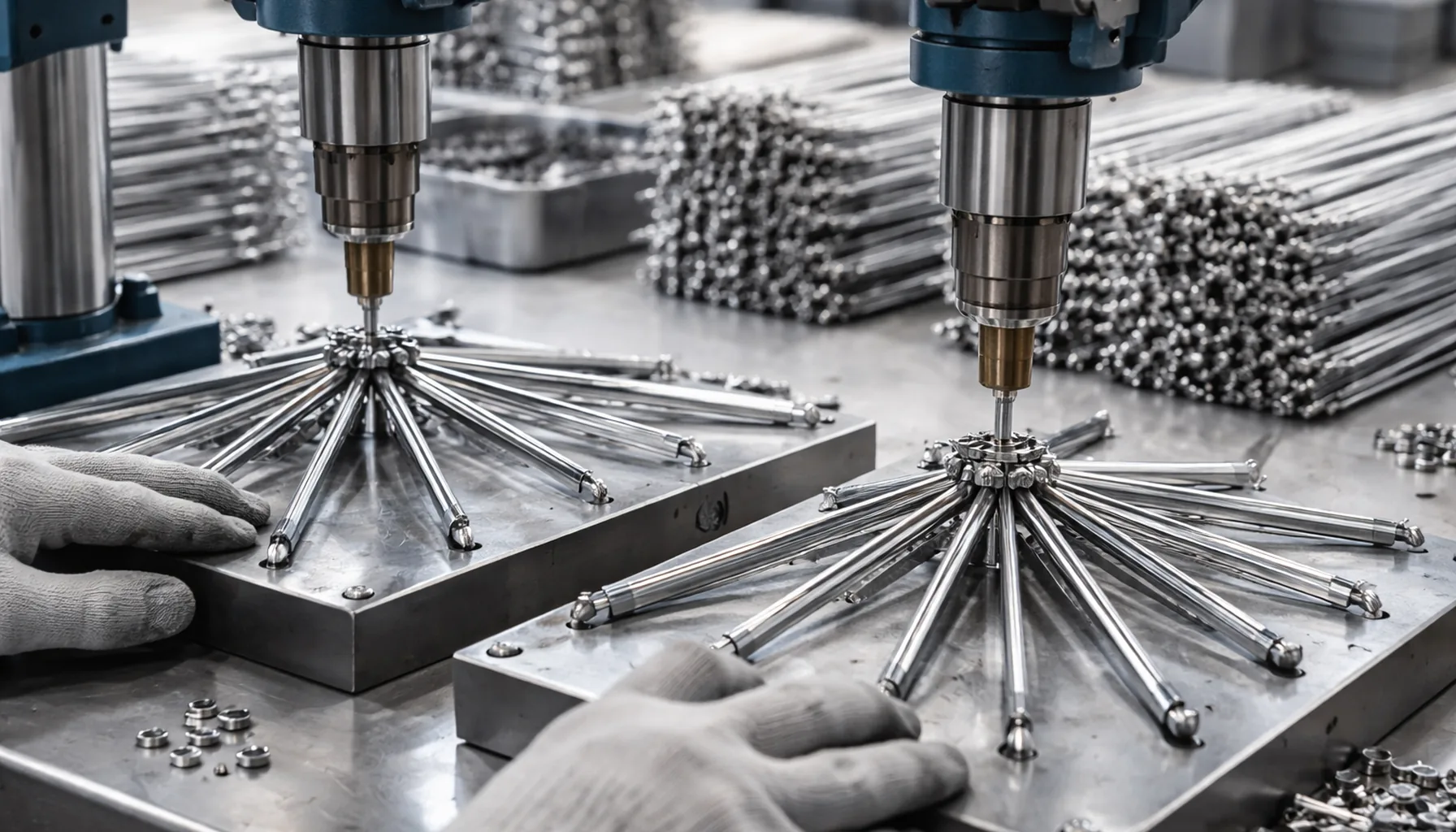
Umbrella Frame Riveting Specs for Consistent Bulk Assembly
Learn how rivet diameter, washer choice, rib alignment, and in-line pull tests reduce 8K/16K frame failures before AQL 2...
Read More »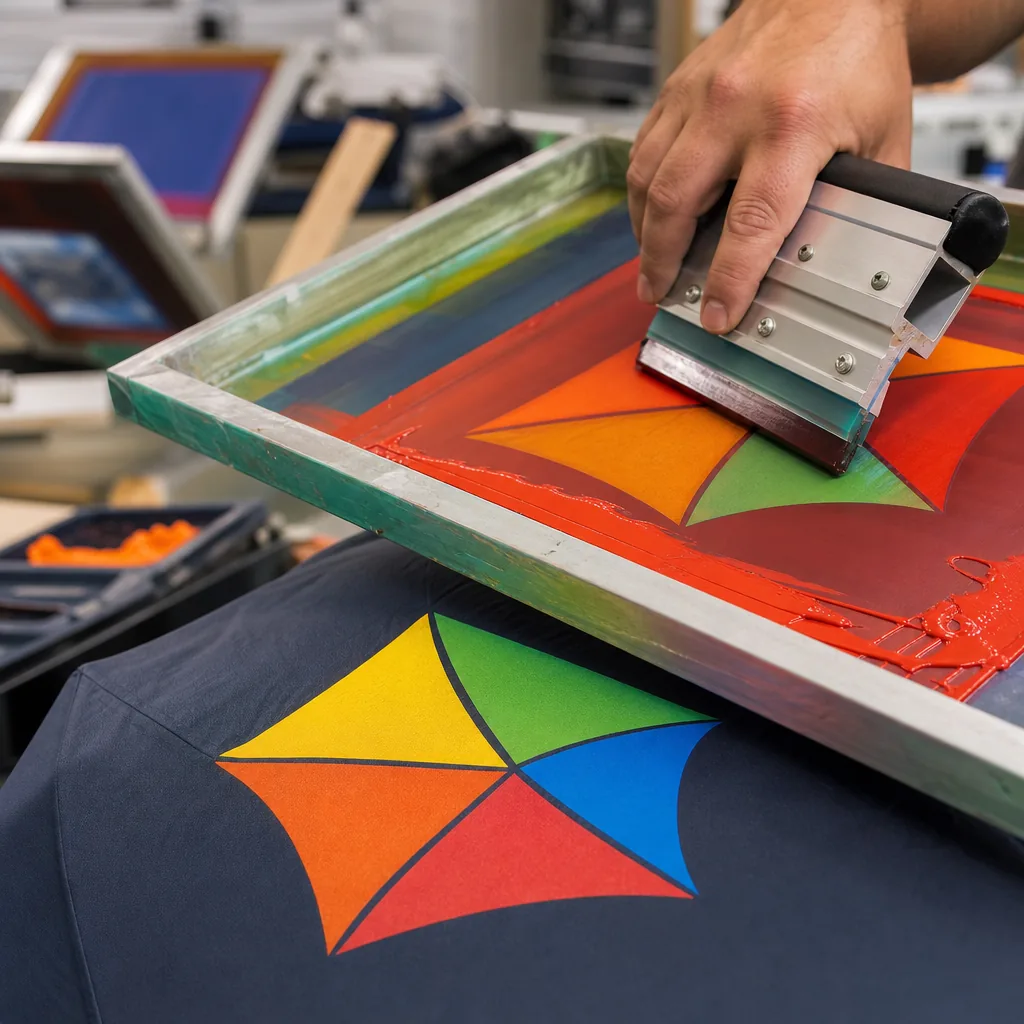
Umbrella Frame Riveting Quality: Controlling Joint Failure
Learn how rivet selection, hole tolerance, and pull testing reduce loose ribs, twisted stretchers, and frame failures in...
Read More »