Umbrella Handle and Tip Options for Retail and Promo Buyers
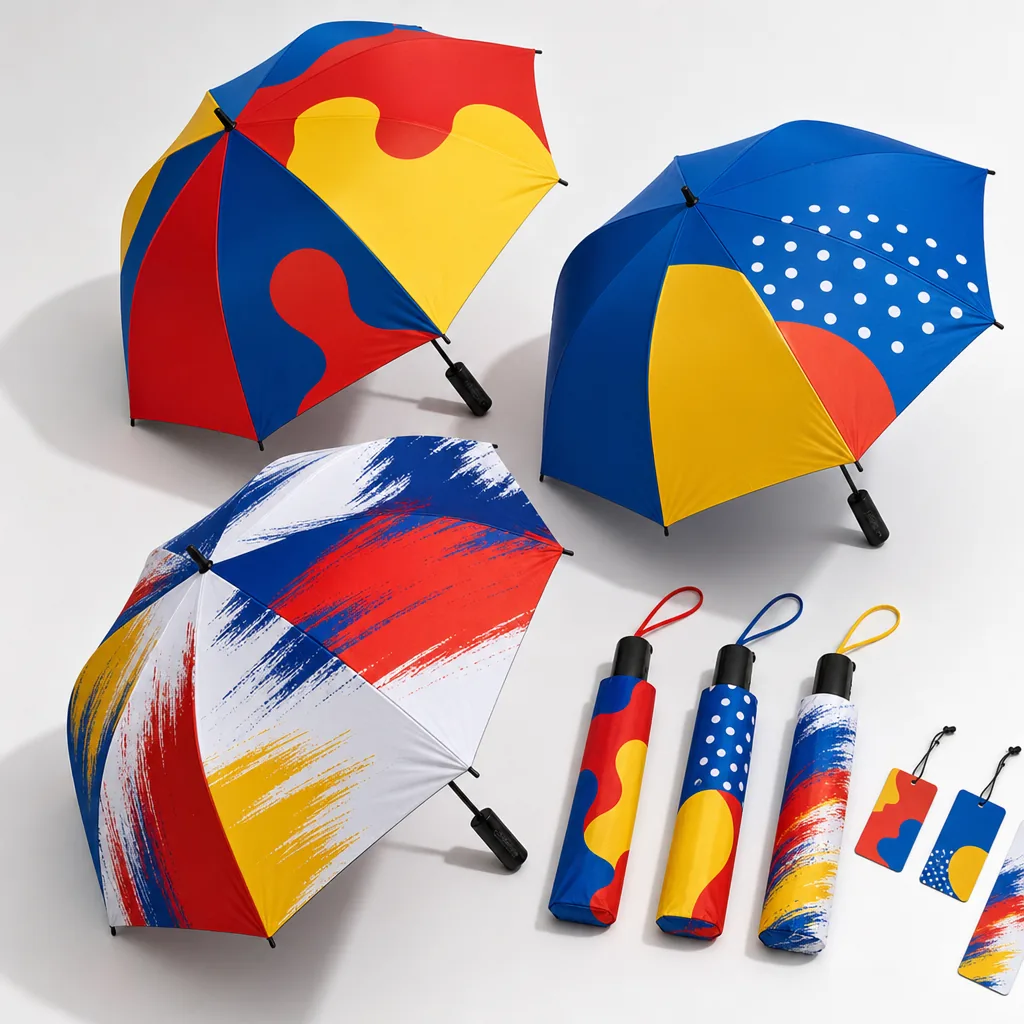
Choosing the right umbrella is rarely about canopy color alone; the handle and tip determine how the product feels in hand, how long it lasts in daily use, and how well it carries a brand. For retail and promo buyers, the real challenge is balancing comfort, durability, and decoration space across different umbrella handle options without creating a product that looks good on paper but fails on the floor.
Why handle and tip selection changes user experience
Handle and tip choices change the umbrella user experience more than most buyers expect. A straight handle, a hook handle, and a compact T-handle all shift how the weight sits in the hand, how easily the umbrella hangs on a wrist, and whether it feels secure in wind or on a crowded commute. In umbrella handle options, the grip profile matters as much as the finish: a soft grip handle in EVA or TPR feels better on long walks, while harder PP or ABS handles are cheaper and more common on promotional items. If the handle is too thin, too slick, or poorly balanced against the shaft, users notice it immediately, even if the canopy fabric is decent.
Retail returns usually come from the same complaints: the umbrella feels awkward to carry, the handle twists in the hand, the tip rattles, or the finish chips after a few uses. For retail umbrella sourcing, that is a quality signal problem, not just a comfort issue. Buyers often underestimate how much custom umbrella handles affect perceived value; a molded contour, painted coating, or wrapped texture can make a low-cost frame feel more intentional, while a cheap glossy handle makes the whole product look disposable. On the tip side, umbrella tip materials need to survive knocks against floors, bags, and table edges, so loose metal caps, brittle plastic ends, or poorly crimped ferrules quickly turn into complaints.
For promotional giveaways, the failure mode is different: people are less likely to complain directly, but they stop keeping or using the umbrella if the handle is uncomfortable or the tip looks fragile. That hurts brand exposure, which is the whole point of the program. OEM umbrella components should be selected as a system, not as isolated parts; a good shaft, rib set, handle, and tip package needs to feel stable in the hand and store cleanly in a car door pocket, backpack, or office drawer. Buyers who focus only on print area and unit price usually miss the basic truth from the factory floor: when the grip feels right and the tip looks durable, the umbrella gets used longer and returned less often.
Handle materials and finishes buyers can specify
EVA is the cheapest path when a buyer cares more about reaching a price point than about hand feel; it is light, easy to mold, and forgiving on MOQs, but it looks like what it is unless you specify a better texture or overmold. Rubberized and soft-touch coatings move the product into a more serious retail lane because they hide mold marks better and improve wet-weather grip, but they add process cost and can show gloss variation if the supplier does not control cure time. ABS sits in the middle: clean, rigid, and good for molded shapes or a more technical profile, though it feels less premium unless you combine it with a soft grip handle. Wood is the opposite choice: heavier, slower to machine, and more expensive, but it still sells when the brand story is heritage, gift, or executive. Those are the basic umbrella handle options buyers actually end up choosing from, not the fantasy catalog version.
Custom umbrella handles need to be planned around decoration, not after it. Pad printing is fine for simple logos on flat or gently curved sections, but it will not rescue a bad handle shape, and embossing only works when the mold is designed with enough draft and wall thickness. If the artwork needs exact color control, the safest route is Pantone matching on the resin or coating layer, then a secondary print only if the logo has fine detail. Soft-touch surfaces can take print, but they scratch more easily than plain ABS, so I usually push buyers to keep the brand mark small and place it where the hand does not rub all day. For retail umbrella sourcing, that combination of material, finish, and decoration matters more than a pretty render, because returns usually start with handle feel, not canopy fabric.
On OEM umbrella components, the handle decision should be tied to the rest of the frame package and the target channel. A lightweight EVA or ABS handle makes sense on a compact auto-open stick for mass promotion, while a wood or rubberized grip is easier to justify on a 23-inch or 27-inch retail umbrella with a higher ticket. If the buyer wants a soft grip handle, I would check the internal tube fit, because some soft coatings add thickness that creates sloppy assembly or stress at the ferrule. Tip materials should be specified separately: plastic is cheap and works for promo, but metal or reinforced tips hold up better when the umbrella is dragged on sidewalks or packed into cartons. Treat handle, ferrule, and tip as one system, not three unrelated line items, and the sample failures drop fast.
Hook, straight, and ergonomic handle formats
Hook, straight, and ergonomic formats solve different buying problems, and the wrong one usually shows up first in packing and shelf handling, not in the hand. Hook handles still make sense for executive gift sets and classic retail umbrella sourcing because they hang neatly on fixtures and look familiar in a carton; straight handles fit commuter and promotional stick umbrellas because they stack tighter, ship flatter, and are easier to sleeve; ergonomic bodies are the practical choice for long-wear carry, especially when a soft grip handle improves comfort on 21" and 23" folding models or 27"/30" golf styles. For buyers comparing umbrella handle options, the decision is less about style preference and more about where the product will live before it is opened.
Packaging size changes fast once you move from a simple straight shaft to a hook or molded ergonomic shape. Hook handles usually require a longer carton or more void fill so the curve does not crush the bag or canopy edge, while straight handles maximize tray density and hanging card compatibility for peg displays. In retail, that matters because custom umbrella handles often need to align with blister packs, header cards, or gift boxes, and the handle silhouette determines whether the item can hang vertically or needs to sit flat. A bad handle choice can turn a clean retail presentation into a messy shelf fit, which is why OEM umbrella components are usually specified with the full packout in mind, not just the frame drawing.
Material choice matters as much as shape, especially where grip feel, durability, and cost need to balance out. Wood and ABS still dominate cleaner gift positioning, while TPR and EVA are common when buyers want a soft grip handle for commuting or outdoor use; for colder climates, a larger ergonomic section also reduces hand fatigue when the umbrella is wet or used with gloves. Tip hardware should be selected with the same discipline, because umbrella tip materials affect both safety and wear: exposed metal tips read premium but can scuff display cartons, while molded plastic or rubberized tips are easier on retail packaging and better for kid-safe or promotional programs. If the program needs logo alignment, color matching, or replacement parts, those umbrella handle options should be fixed early with the rest of the OEM umbrella components so the supplier can keep tooling, assembly, and carton sizing consistent.
Tip, ferrule, and cap details that improve durability
Metal tips hold up better than cheap molded plastic when the umbrella sees real use, especially on 21" and 23" folding frames that get tossed into bags and reopened dozens of times a week. For retail umbrella sourcing, I prefer plated steel or aluminum tips on straight-handle product and glass-filled nylon only when the price target is tight and the canopy load is light. Tip geometry matters more than buyers think: a sloppy tip lets the canopy eyelet chew through the fabric, while a properly sized tip keeps tension centered and reduces edge flutter in gusts. That is why umbrella handle options and tip selection should be specified together, not as separate afterthoughts.
Reinforced ferrules are where a lot of low-cost umbrellas fail first, because the joint sees bending every time the frame snaps open or catches wind. Good ferrules need enough wall thickness to keep the rib ends aligned, and the fit to the shaft should be tight enough to stop wobble without splitting the tube. On OEM umbrella components, I watch for ferrule-to-rib clearances, pin retention, and whether the end cap locks the assembly or just covers it cosmetically. If the ferrule is loose, the ribs shift under canopy tension and the umbrella starts to twist, which is what eventually cracks both the frame and the canopy corners.
End caps are small parts, but they control whether the tip stack stays stable after shipping, drop tests, and repeated opening cycles. A cap that bottoms out cleanly prevents axial play, while a brittle cap with poor draft or thin walls will split around the first stress point and expose the shaft end. The same goes for custom umbrella handles: a soft grip handle can feel better in hand, but if the cap and internal plug are not matched to the shaft diameter, the grip will loosen and start rotating. For buyers comparing umbrella tip materials, the real test is system fit—tip, ferrule, shaft, ribs, and canopy holes all need to work as one assembly, or durability drops fast.
How to brief a factory for consistent output
For consistent output, the factory needs a hard spec sheet, not a vague style reference. On umbrella handle options, give the exact handle length, maximum diameter, neck length, and whether the core is straight, hooked, pistol, or T-style; if you want custom umbrella handles, also state the resin, ABS, EVA, wood, or rubberized finish and whether a soft grip handle is required for retail use. Add the logo method up front — pad print, laser, hot stamp, deboss, or metal badge — because the usable area changes with handle geometry, and separately define umbrella tip materials such as plastic, metal, or colored resin so the tip matches the frame and canopy positioning.
Color control is where most promo jobs go sideways, so specify a physical standard: Pantone code, approved master sample, and whether the buyer will judge against a dipped sample, printed swatch, or production-off-line sample. For OEM umbrella components, I also ask buyers to define acceptable defect limits in writing: scratch depth, molding flash, color shift, wobble, loose caps, and logo misregistration, plus the AQL level they expect, usually 2.5 for retail umbrella sourcing. If a part is cosmetic, say so; if it affects function, call it critical and set a zero-tolerance limit for breakage or poor fit.
MOQ changes what is practical, so the brief should state whether the order is a test run, seasonal replenishment, or full production and whether lower-volume custom umbrella handles can justify a dedicated mold or require an existing mold. FOB pricing is better when the buyer already has freight control and wants to compare factory offers directly, while DDP is more useful when the buyer needs landed cost for a retailer or promo program and does not want to manage customs, duties, or last-mile delivery. Put both in the request if possible, but for serious quoting include target quantity, packing method, carton count, and the delivery window in days; otherwise the price means very little.
Frequently Asked Questions
Which handle type is best for a premium retail umbrella?
Soft-touch, wood, or ergonomic grips usually work best when the goal is a higher perceived value. Buyers should confirm the finish can survive rub testing and color consistency across the full order.
Do umbrella tips matter for durability?
Yes. A loose or brittle tip can affect canopy tension and create early wear at the panel ends. Buyers should specify tip material, attachment method, and any reinforcement at the ferrule.
Which handle material works best for high-volume promotional umbrellas under a tight budget?
PP plastic handles are usually the most cost-effective for large promo runs because tooling is standardized and unit cost stays low. EVA or rubber overmolds improve comfort, but they add material cost and can extend production by about 5-10 days depending on color matching and mold availability.
When should a buyer choose metal tips instead of plastic tips for an umbrella program?
Metal tips are a better fit for golf umbrellas, wind-resistant frames, and higher retail price points where durability and appearance matter. Plastic tips are lighter and cheaper, making them more suitable for giveaway umbrellas or children’s styles where cost control is the priority.
Do custom handle shapes require new tooling, and how does that affect MOQ?
Yes, a fully custom handle shape usually requires a new mold, especially for unique silhouettes, recessed logo areas, or mixed-material designs. Buyers should typically expect a tooling charge plus an MOQ starting around 1,000-3,000 pieces, while stock handle shapes with custom colors can often run at lower minimums.
Looking to Launch Your Custom Umbrella Line?
ZheBrella is a Zhejiang-based OEM/ODM umbrella manufacturer with 17 years of export experience. Free design, low MOQ from 100 pieces, windproof construction, full-color print.
Get Free Quote Now »People Also Search For
Related Articles
Umbrella Handle Materials and Grip Options for OEM Buyers
Compare rubber, EVA, wood, ABS, and soft-touch handles for comfort, branding, durability, and order specs buyers should ...
Read More »
Wooden Handle Umbrellas vs EVA Grip Builds for Brand Lines
Compare wooden handles and EVA grips for retail and branded umbrellas, including comfort, durability, style fit, frame m...
Read More »
J Handle vs EVA Grip Umbrellas for Promo and Retail Use
Compare J handles and EVA grips by comfort, cost, branding area, and durability so buyers can match umbrella handle spec...
Read More »