Umbrella Packaging Inserts That Improve Brand Story and Sell-Through
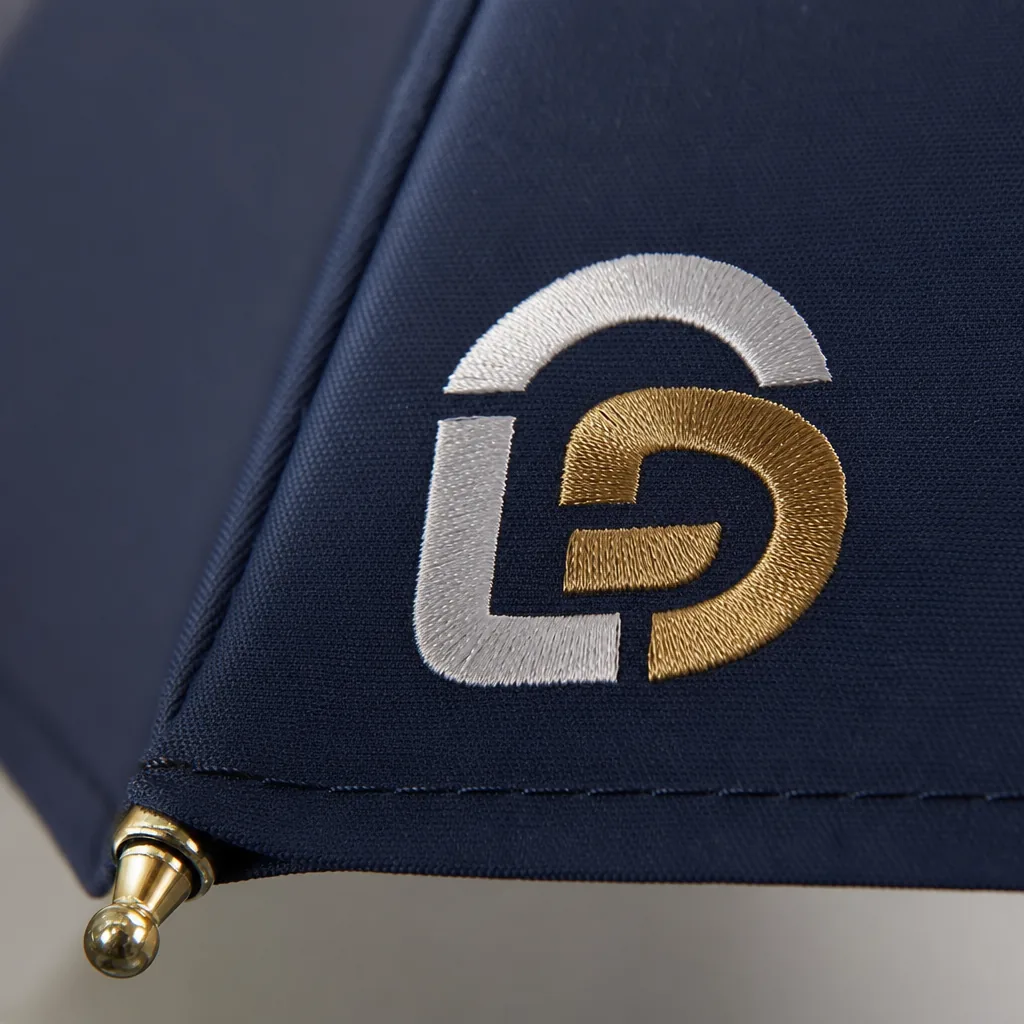
At the packing tables in Songxia, we see the same issue repeatedly: a well-made umbrella reaches retail or gifting channels with too little context to guide the customer, support the brand, or prevent avoidable returns. Well-designed umbrella packaging inserts help close that gap by carrying care instructions, warranty cues, and brand story in a format that survives transit, fits the carton, and works cleanly with high-volume hand packing.
Why inserts matter in umbrella branding
In the pack-out sequence, the insert comes after the umbrella is closed, strap-fastened, and checked for canopy stains and runner action. The unit is then placed in its sleeve or gift box, followed by the card or leaflet, before master-carton packing. That timing matters because umbrella packaging inserts are often the first branded element the end user touches, especially when the umbrella itself is a plain black or navy private label model in 190T pongee. The insert should do the identification work the exterior does not: 23-inch straight or 21-inch folding size, manual or auto-open-close mechanism, 210T pongee or POE canopy, and any feature claim the buyer needs to verify at a glance, such as UPF 50+ coating or double-canopy venting. In retail and fulfillment, branded insert cards also reduce SKU confusion when umbrellas share the same outer sleeve but differ in a 10K compact frame, fiberglass rib upgrade, or sleeve color. For buyers trying to control MOQ and avoid reprinting cartons across channels, the insert is the lowest-risk place to carry product identity, barcode space, and market-specific copy.
A good insert has to earn its cost by handling three jobs clearly. First, it tells the brand story with specific product choices, not slogans: RPET canopy fabric, fiberglass ribs instead of lower-cost steel, or a frame tested to hold shape in 50+ mph gusts. Second, it reduces preventable returns by showing correct opening, drying, and storage steps, which is most important on auto-open-close compact models where users force the shaft and damage the spring nest. Third, it increases perceived value across sales channels. On retail shelves, stronger retail umbrella presentation helps a 10K or 12K compact read as a designed product rather than a commodity. For promo gifts, a leaflet can explain why the client chose a Teflon-coated canopy, wooden crook handle, or color-matched sleeve. In DTC orders, it replaces the missing salesperson and clarifies what the customer paid for. Compared with changing canopy print or woven labels, OEM umbrella packaging updates are usually faster, cheaper, and easier to version for retail, gifting, and DTC.
Which insert formats work for different umbrella types
Use postcard-style umbrella packaging inserts when pack space is limited and the product sells on two or three visible specs. For 21-inch and 23-inch compact folding umbrellas, a 300 to 350 gsm card around 90 x 140 mm gives enough surface for first-glance claims without snagging on the closure strap or creasing inside the sleeve during packing. Keep the front to buying triggers only: auto-open or auto-open-close, 8K or 10K frame, 190T pongee canopy, and fiberglass ribs versus steel ribs. On UV compact models, put UPF 50+ on the front because that claim usually drives shelf conversion more than handle material or shaft finish. This format also suits retail umbrella presentation in clear POE or EVA pouches, where the card must face outward and read in two seconds from a peg display or dump bin. For branded insert cards, postcard format is usually the lowest-cost option that still supports sell-through when the product can be understood at a glance.
Choose folded leaflets for umbrellas with more features, higher ticket prices, or multilingual compliance needs. A 23-inch stick umbrella or a 27-inch to 30-inch golf umbrella can accommodate a 4-panel or 6-panel leaflet, giving you room to separate feature claims from care, warranty, and legal text. Put technical details inside: double-canopy vented windproof construction, 50+ mph wind performance only when backed by test data, fiberglass ribs versus steel stretchers, and 210T pongee when you need to signal a tighter handfeel and better print holdout than 190T. Warranty cards and QR cards should add utility, not repeat the leaflet. A business-card-size warranty card fits mid- to upper-tier stick and golf umbrellas when reinforced runners, anti-rust coating, or upgraded fiberglass support the value story. QR cards work better on compact and UV umbrellas by moving dense content off-pack: auto-open-close instructions, coating care, UPF 50+ test basis, and demo videos. In OEM umbrella packaging for private label umbrellas, QR programs usually make sense only above about 3,000 pieces per colorway.
What product details reduce confusion and returns
Print the specs a shopper can confirm in five seconds. Effective umbrella packaging inserts should list canopy size, rib count, opening mechanism, and frame material in the same order across every SKU so buyers can compare quickly at shelf or in a product photo. Use retail-facing size language buyers already know—21-inch folding, 23-inch stick, 27-inch golf, or 30-inch oversize—and state whether the number refers to arc length or open diameter. Rib count matters just as much: 8K, 10K, and 16K are different builds with different coverage, weight, and wind behavior, even when the umbrella looks similar closed. Replace soft claims like “windproof” with the actual construction, such as 8 fiberglass ribs or 16 steel ribs, so the price difference is tied to a visible spec instead of a vague promise. Put opening style in a prominent line, not buried in fine print: manual, auto-open, or auto-open-close changes user expectations immediately, especially for compact commuter models sold online, on endcaps, or in mixed retail umbrella presentation sets.
Good branded insert cards also explain why a premium model costs more before the customer uses it, which reduces confusion-driven returns. Name the shaft and rib materials directly—aluminum shaft with fiberglass ribs, all-steel frame, or fiberglass-reinforced construction—and pair them with short care instructions that prevent misuse. Tell users to open and dry the umbrella fully after rain, not store a wet canopy strapped tight, and never force closure against the spring path on auto-open-close frames. Canopy material should be printed with matching care guidance: 190T pongee, 210T pongee, or clear POE/PVC film each needs different handling. For clear canopies, note soft-cloth cleaning, no sharp folds in cold weather, and no long-term heat exposure that can distort POE or PVC. If the canopy includes a Teflon water-repellent finish or UPF 50+ coating, state the benefit and the limit so buyers do not assume machine washing or high-heat drying is safe. For OEM umbrella packaging and private label umbrellas, country-of-origin labeling must match across the insert, sewn label, and master carton—if it says “Made in China,” every touchpoint should say the same—to reduce customs, retailer compliance, and marketplace listing risk.
How to coordinate inserts with factory pack-out and QC
Lock umbrella packaging inserts before final pack-out, because insert MOQ follows print method and packing labor, not the umbrella frame or canopy. A 1-color folded leaflet typically starts at 1,000-2,000 pieces. Full-color branded insert cards on 300-350 gsm C1S board are usually more cost-efficient at 3,000 pieces and up once plate charges, die-cutting, and carton splits are added. For variable data such as serial ranges, retailer-specific QR codes, multilingual care copy, or country warnings, use digital printing for short runs and offset for stable, repeat SKUs. On private label umbrellas, freeze artwork 7-10 days before umbrella assembly finishes so the factory can align the insert with the sleeve, hangtag, master carton marks, and destination-language text. That timing matters: late approvals are a common cause of line stoppage, rework, and mixed retail packs. If the insert changes by market, confirm version count, MOQ per language, and carton split plan before production release, not during final packing.
Most pack failures come from barcode control, not graphic design. If an insert carries an EAN, UPC, or QR code, it must match the sellable unit, carton label, and packing list hierarchy exactly or receiving and replenishment will fail. Require a live scan from a printed press sample rather than approving from PDF artwork alone; matte lamination, heavy dark coverage, and narrow quiet zones often reduce scan reliability. Set a clear SOP for insert placement based on the retail umbrella presentation: inside the canopy tie, under the closure strap, inside the polybag back panel, or fixed to the handle card. Avoid loose inserts in 0.04-0.05 mm polybags, especially on 21-inch folding umbrellas, where transit vibration increases mispack risk. During final folding and bagging, insert first, then verify under AQL 2.5 by PO line: correct language version, exact inner and master carton pack count, and scannable barcode or QR output from random samples across the run. For split orders such as 5,000 units across four language versions, add carton-level version labels, line clearance between versions, and end-of-line reconciliation before FOB loading or DDP relabeling turns into avoidable cost.
Cost, lead time, and shipping considerations
Insert complexity often moves the ship date more than umbrella assembly. A basic branded insert card in 250-300 gsm C1S paper usually prints, die-cuts, and reaches the packing line in 5-7 days after artwork approval. Add folds, spot UV, foil, hang-slot reinforcement, QR codes, or multi-language compliance copy, and lead time typically stretches to 10-15 days. Fit is equally important. A card designed for a 21-inch folding umbrella sleeve, 23-inch straight umbrella tie card, or 27-inch golf umbrella header needs tight tolerance control; even 2-3 mm of excess width can slow hand insertion and increase mispacks. That makes umbrella packaging inserts a common booking risk. A standard 8K auto-open folding umbrella in 190T pongee may be production-ready in 25-30 days, but if insert artwork, barcode data, or color approval is still open, the FOB booking slips anyway.
The bigger cost is usually packing efficiency, not paper. On a manual line, a simple insert card often reduces carton-packing output by 8-12 percent versus plain polybag or OPP sleeve packing. A more complex OEM umbrella packaging setup with hang tags, belly bands, barcode stickers, assortment labels, and country-specific versions can cut throughput by 20 percent or more because operators must match canopy print, handle color, and insert version before export carton sealing. Under DDP terms, landed cost can rise again if bulkier retail umbrella presentation increases carton cube, lowers pieces per carton, or pushes urgent replenishment into a higher air or express freight band. Best practice is to run insert production in parallel with umbrella production: freeze dielines once frame and canopy specs are locked, release artwork by fabric color or strike-off approval, and for MOQ 1,000-3,000 pieces, close barcodes, legal copy, and routing marks before rib assembly is halfway complete. Hold a 3-5 day buffer before FOB vessel cutoff, or add 2-4 more days for DDP when carton dimensions, pallet pattern, and customs descriptions must match the finished retail pack.
Frequently Asked Questions
Should technical umbrella specs appear on the insert or only on the outer packaging?
If the product has selling features such as UPF 50+, double-canopy windproof construction, or fiberglass ribs, put them on the insert as well as the outer pack. This helps retail staff and end users understand the premium value after opening.
Can one insert design work across multiple umbrella SKUs?
Yes, if the core brand story is shared and only a few fields change, such as canopy size, rib count, or auto-open vs manual. Many buyers use a master layout with SKU-specific stickers or variable print to keep MOQs manageable.
What information should be printed on an umbrella packaging insert for retail sales?
A retail umbrella insert should include opening and closing instructions, drying and storage guidance, warranty terms, brand story, material highlights, and customer service contact details. For folding umbrellas, diagrams are useful because incorrect force on the runner or ribs is a common cause of returns.
Can insert cards and care sheets be customized for different retail channels in one OEM umbrella order?
Yes. Buyers can usually split packaging inserts by SKU, language, retailer, or market, as long as artwork is finalized before mass production. Factories commonly require separate print files and may set a minimum quantity per insert version, often starting around 500 to 1,000 pieces depending on the card type.
How much lead time should importers allow for custom umbrella insert printing?
Standard paper insert cards or care sheets typically add 3 to 7 days after artwork approval, while specialty finishes such as spot UV, foil stamping, textured paper, or QR-linked serialized inserts may take 7 to 14 days. It is best to approve packaging artwork before pre-production samples to avoid shipment delays.
Looking to Launch Your Custom Umbrella Line?
ZheBrella is a Zhejiang-based OEM/ODM umbrella manufacturer with 17 years of export experience. Free design, low MOQ from 100 pieces, windproof construction, full-color print.
Get Free Quote Now »People Also Search For
Related Articles
Umbrella Packaging Inserts That Elevate Brand Storytelling
Plan insert cards, care leaflets, and brand messages that improve perceived value, reduce claims, and fit OEM umbrella p...
Read More »Custom Umbrella Packaging Inserts for Premium Brand Story
Plan custom umbrella packaging inserts that protect the product, carry brand messaging, and support clean retail present...
Read More »
Umbrella Packaging Inserts for Premium Brand Storytelling
Plan insert cards, care leaflets, and story pieces that elevate umbrella gifting, support retail sell-through, and stay ...
Read More »