Umbrella Shaft and Runner Specs for Buyer-Side Sourcing
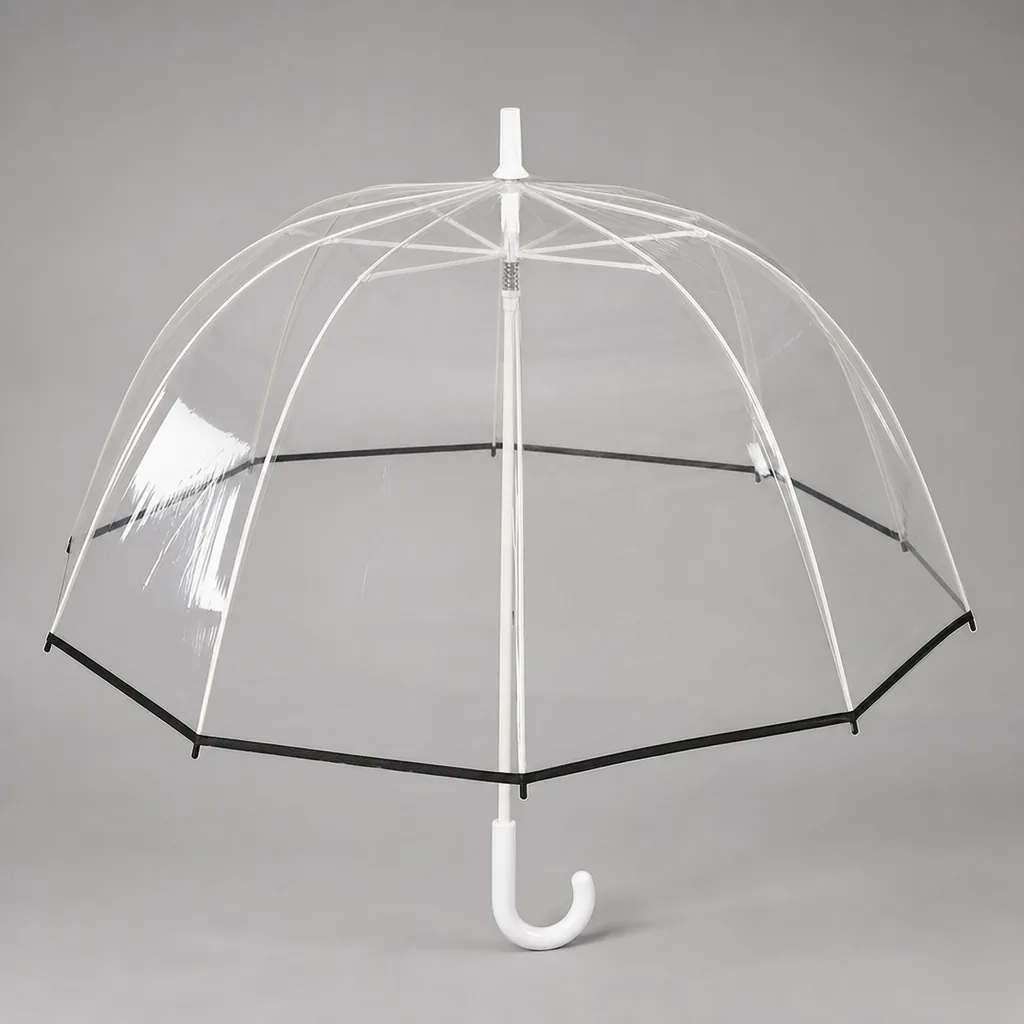
Buyers often discover too late that umbrella failures start in the shaft, runner, or connector rather than the canopy. The right umbrella shaft specs determine strength, weight, corrosion resistance, and assembly consistency, so sourcing decisions need to be grounded in how the factory actually forms, fits, and tests each part on the line.
Why shaft and runner specs affect field performance
The first thing buyers miss is that umbrella shaft specs are not just a drawing detail; they decide whether a frame feels tight or sloppy in hand. Shaft diameter and wall thickness control buckling resistance, while runner fit sets how much side play shows up after a few hundred cycles. If the runner bore is loose on the shaft, the canopy starts to wobble, the ferrule wears unevenly, and opening force becomes inconsistent; if it is too tight, the user feels drag and the mechanism sticks in cold weather or after salt spray. In practice, a stainless steel shaft gives better corrosion margin for coastal retail programs, while an aluminum shaft cuts weight for travel models, but both still need the right runner clearance and surface finish to avoid early wear. OEM umbrella sourcing fails most often on these tolerances, not on the obvious cosmetic points.
For travel umbrellas, common targets are compact 21-inch or 23-inch frames with lighter shafts, tighter stack height, and a runner that opens smoothly with one hand, usually in the 25 to 35 N range for manual or auto-open styles. Golf umbrellas usually run 27-inch or 30-inch sizes with a thicker shaft, more aggressive wall thickness, and a runner design that tolerates higher canopy loads when wind hits; buyers often want less than 2 mm lateral wobble at the top joint after assembly because that wobble turns into rib misalignment fast. Promotional umbrellas sit in the middle: cost pressure is higher, but breakage rates still climb if the shaft is underbuilt or the runner material is too soft, especially when the canopy is opened and closed repeatedly in event use.
Runner materials matter more than most spec sheets admit, because the runner is the part that takes impact every time the umbrella snaps open. An O-shaped runner can improve hand feel and guide alignment, but only if the internal tolerance matches the shaft OD and the spring geometry is consistent; cheap plastics will ovalize, then the frame starts chewing itself apart. On production lines, we look for smooth travel without grinding, no visible tilt at full extension, and no spring-back that forces the ribs to slam into the stop. Good umbrella shaft specs usually pair a stable shaft finish with a runner that survives repeated cycling at AQL 2.5 without loosening, because once the runner goes out of fit, breakage rates rise fast even when the ribs and canopy are otherwise acceptable.
Choosing between steel, aluminum, and fiberglass shafts
Steel belongs in the price-sensitive part of the market: basic promotion umbrellas, school programs, and large giveaway runs where the buyer cares more about landing cost than hand feel. A plain steel shaft is easy to source, stable in production, and forgiving on MOQ planning because the material is common and tooling risk is low. The downside is obvious on the factory floor: weight goes up, rust risk rises if the plating is weak, and the umbrella feels dated compared with lighter constructions. For umbrella shaft specs, steel makes sense when the target is a low unit cost and the customer accepts a heavier carry profile.
An aluminum shaft is the usual step up when the buyer wants a lighter umbrella without jumping to premium pricing. It cuts carry weight fast, which matters on 21" and 23" folding models, commuter umbrellas, and retail programs where customers notice fatigue in the hand. Aluminum also helps with corrosion resistance, but it is not magic: thin-wall tubes can dent, telescoping sections need tighter control, and the cost per piece is higher than steel. In OEM umbrella sourcing, I treat aluminum as the middle ground for programs that need better perception and manageable freight weight, even if the MOQ is a bit more sensitive to finish, diameter, and wall thickness changes.
Fiberglass is the right call when flex and corrosion resistance matter more than absolute stiffness. It tolerates wind better because the shaft and ribs can bend and recover instead of taking a permanent set, which is why it pairs well with vented canopies and higher-end windproof frames. It also avoids rust entirely, which is useful for coastal markets, humid climates, and repeated outdoor use. The tradeoff is cost and consistency: fiberglass shafts usually push unit price up, and buyers need to plan MOQ around more controlled tube sourcing and more careful assembly tolerances. If the spec also includes runner materials such as an O-shaped runner or stainless steel shaft inserts, the bill of materials climbs quickly, so the cleanest sourcing approach is to lock the umbrella shaft specs early before quoting multiple sizes and mechanisms.
Runner and notch design details buyers should verify
The first thing buyers should verify in umbrella shaft specs is how the runner actually engages the notch, not just the headline diameter. An O-shaped runner is common on manual and auto-open frames because it centers the load better than a thin flat slider, but the contact points have to match the notch profile cleanly. If the runner throat is too wide, you get loose play and rattling; if it is too tight or the notch edge is stamped with burrs, the shaft binds during opening and the umbrella feels cheap immediately. On OEM umbrella sourcing programs, I always ask for a physical sample of the shaft, runner, and notch set before approving mass production, because drawings alone hide a lot of tolerance drift.
Spring tension is the next failure point. On auto-open umbrellas, the runner must release smoothly under stored force, then lock decisively at the notch without jumping past it or scraping the shaft wall. Runner materials matter here: nylon-filled parts can slide well but deform if the spring load is too high, while harder plastic or metal inserts hold geometry better but need cleaner forming on the shaft. A stainless steel shaft usually tolerates higher spring tension and gives more consistent lock-up, while an aluminum shaft is lighter but can show faster wear at the notch if the runner edge is rough. The practical test is simple: cycle the sample repeatedly and watch for delayed release, partial lock, or a runner that creeps back after engagement.
Tolerance control is what separates a stable frame from one that sticks after a few hundred cycles. If the shaft OD varies too much, or the runner bore is not concentric, the umbrella may open fine in hand assembly but start hanging up once the canopy tension and rib load are added. Too much clearance causes wobble and side-load on the notch; too little clearance causes scuffing, especially in humid shipping conditions where coatings and plating add thickness. For buyers comparing umbrella shaft specs across suppliers, ask for measured tolerances on shaft straightness, runner bore, notch depth, and spring preload, plus a closure test on at least several dozen samples. That is where failed closure, misfire on auto-open, and noisy loose play usually show up first.
How shaft specs connect to QC and AQL 2.5
The first thing I check on umbrella shaft specs is straightness, wall consistency, and how the shaft nests with the runner, because those three items decide whether the umbrella opens cleanly or binds halfway. For OEM umbrella sourcing, buyers should specify the shaft material clearly: a stainless steel shaft is heavier and more corrosion-resistant, while an aluminum shaft cuts weight but needs tighter control on temper, dent resistance, and coating thickness. Coating adhesion matters more than most people think; a tube can look fine in incoming inspection and still fail after a few humidity cycles if the plating or paint flakes at the ferrule, ferrule hole, or crimped zones.
Runner materials need the same discipline, especially on the O-shaped runner and any sliding interface where friction is high. We inspect for burrs, mold flash, cracking, and dimensional drift, then run cycle testing on open-close action to catch wear that does not show up in a visual check. In practice, I treat umbrella shaft specs as a system, not a single dimension: shaft diameter, runner bore, rib socket fit, and lubricity all have to work together. If the runner is molded from low-grade plastic or soft zinc, the umbrella may pass one opening but fail after repeated cycles or cold-weather use.
For QC, AQL 2.5 should be written by defect class, not left vague. Critical defects should usually have zero tolerance at AQL 2.5, because a bent shaft, severe corrosion, or a runner that cannot lock is a functional failure. Major defects can cover things like visible coating peel, out-of-tolerance straightness, or binding in normal hand operation, while minor defects cover cosmetic scratches, slight discoloration, or small plating specks that do not affect use. The buyer should define sample size, defect examples, and rejection rules in the PO or spec sheet, then tie the inspection to actual umbrella shaft specs rather than generic umbrella wording.
Ordering the right spec for FOB or DDP programs
For buyer-side sourcing, umbrella shaft specs are not something you leave vague and fix later in a sample note. Give the factory the open diameter, closed length, shaft outer diameter and wall thickness, runner travel, button height if it is auto-open or auto-open-close, and whether the product uses a stainless steel shaft, aluminum shaft, or plated steel tube. In the same sheet, call out runner materials, because a nylon runner, POM runner, or die-cast metal runner changes wear, friction, and failure rate. If the design uses an O-shaped runner, specify the ring size and how it interfaces with the stretcher and canopy tie, or you will get a part that fits on paper but jams under real assembly conditions.
Material grade matters more than most buyers think. A 304 stainless steel shaft behaves differently from 201, and an aluminum shaft in 5-series stock will not handle the same compression loads as thin steel. For the finish, spell out black powder coat, nickel plating, electrophoretic black, or polished metal, plus whether you need anti-rust oil removed before packing. On OEM umbrella sourcing jobs, I always ask buyers to define packaging at the same time as the metal spec: individual polybag, inner carton count, master carton drop test requirement, barcode label position, and whether mixed color ways can share one carton. That avoids the common mistake where the product is right but the export pack is wrong for retail or distribution.
Lead time changes fast once tooling or mixed-SKU planning enters the order. A simple repeat order with existing tooling can ship in about 20 to 30 days after deposit, but custom tooling for a new runner profile, shaft diameter, or locking interface usually adds 10 to 20 days before mass production starts. Mixed SKUs slow sewing, assembly, and packing because the line has to keep hardware, canopy panels, and cartons separated; add another few days if the order combines 21-inch and 23-inch folding umbrellas with different runner materials or handle inserts. For FOB, the schedule is mostly factory-controlled after the PO is confirmed, while DDP needs extra time for consolidation, customs paperwork, and destination routing, so buyers should state the ship-to country, carton labeling rules, and whether they want full pre-shipment AQL 2.5 inspection before booking.
Frequently Asked Questions
What shaft diameter should buyers ask for on a custom umbrella order?
It depends on the umbrella size and wind target, but buyers should specify the outer diameter, wall thickness, and any reinforcement at the ferrule and handle ends. A clear drawing reduces sample rounds and prevents mismatched components.
Do runner materials really change umbrella durability?
Yes. A stronger runner with proper notch engagement can reduce slippage and early failure, especially on auto-open models. Buyers should request cycle testing and confirm the runner material matches the expected opening frequency.
What shaft wall thickness should a buyer specify for better durability without making the umbrella too heavy?
For many straight and golf umbrella programs, buyers commonly review shaft diameters around 10–14 mm and wall thickness around 0.30–0.45 mm, depending on steel or aluminum. Thicker walls improve dent resistance, but they also increase unit weight and shipping cost, so the target should match the canopy size and wind test requirement.
When is an O-shaped runner a better sourcing choice than a standard runner design?
An O-shaped runner is often preferred when smoother slide action, better alignment, or a more stable open-close movement is needed on larger frames. Buyers should confirm fit with the shaft diameter and connector geometry before sampling, because runner mismatch can cause sticking or uneven rib tension in production.
What pre-production checks help prevent shaft and runner fit issues in OEM umbrella orders?
Ask the factory to lock three points before bulk production: shaft outside diameter tolerance, runner inner diameter tolerance, and connector/rib interface dimensions. A buyer-side approval sample with 20–50 cycle open-close testing is a practical minimum, and many importers also request a sealed component spec sheet before mass production starts.
Looking to Launch Your Custom Umbrella Line?
ZheBrella is a Zhejiang-based OEM/ODM umbrella manufacturer with 17 years of export experience. Free design, low MOQ from 100 pieces, windproof construction, full-color print.
Get Free Quote Now »People Also Search For
Related Articles
Umbrella Shaft, Runner, and Tip Specs for OEM Buyers
Choose shaft, runner, and tip construction that matches wind load, opening force, and price point across manual, auto-op...
Read More »Luxury Umbrella Specs for Retail and Corporate Gift Buyers
Specify a premium umbrella that feels worth the price, with guidance on materials, mechanisms, finish details, QC standa...
Read More »
Umbrella Handle Materials and Grip Options for OEM Buyers
Compare rubber, EVA, wood, ABS, and soft-touch handles for comfort, branding, durability, and order specs buyers should ...
Read More »