Best Umbrella Panel Layouts for Event Brand Campaigns
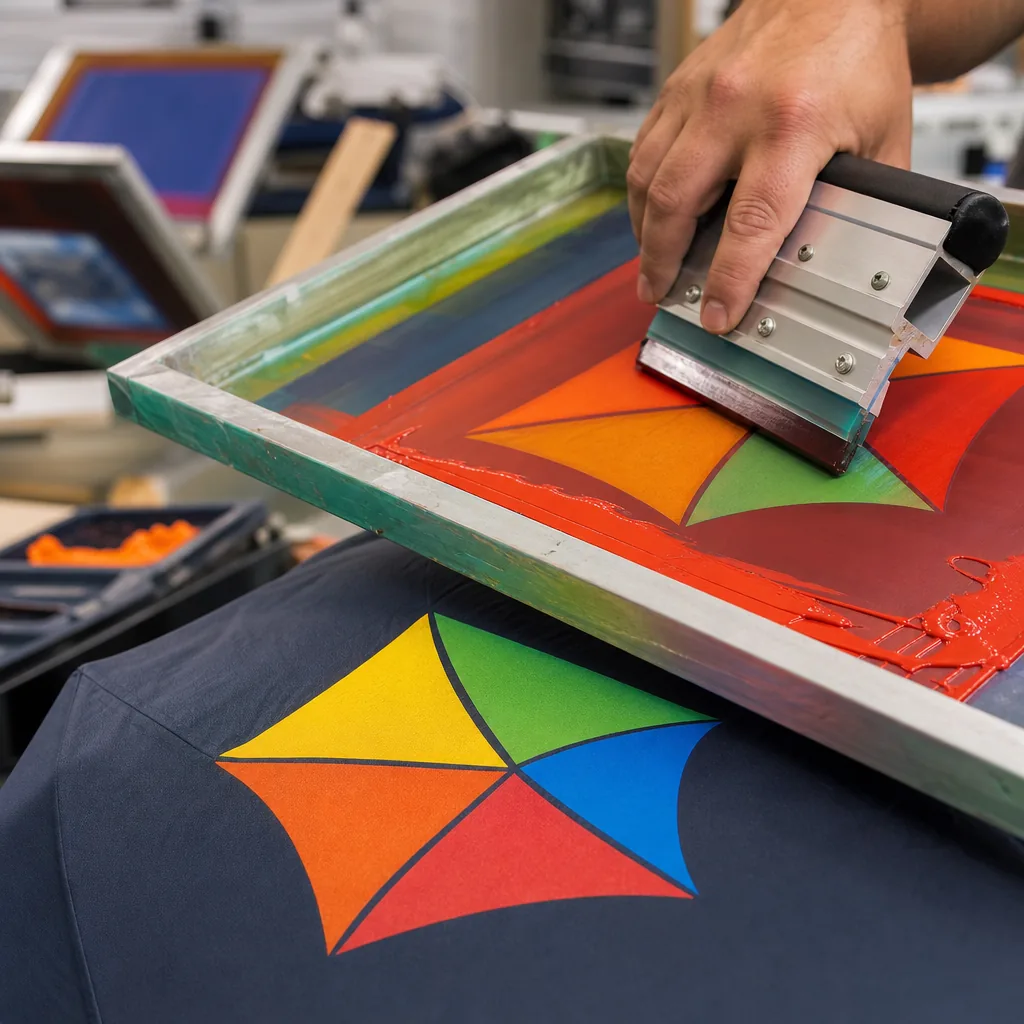
For event branded umbrella layouts, the wrong panel plan can make a clean logo look chopped, rotated, or inconsistent across a crowd. Using an example 8-panel canopy, a 2-color alternating pattern, and a 1-logo-per-panel repeat, all assumptions to verify in the supplier quote, buyers should compare artwork symmetry, seam placement, print registration, and finished-canopy QC before approving production.
Define the Event Use Case Before Artwork Layout
Define event branded umbrella layouts by the canopy’s job before placing artwork: staff wayfinding, sponsor exposure, guest giveaway, or retail-style merchandise. For staff wayfinding, readability beats logo count. Example assumption to verify on the supplier dieline: a 23-inch or 27-inch umbrella viewed from 20 to 50 feet at an entrance, queue, or pickup point should usually carry one large mark across 2 to 4 promotional umbrella panels instead of 8 small repeats split by ribs and seams. Sponsor exposure needs planned rotation for camera angles. On a 30-inch, 8K golf umbrella, an example quote layout can alternate title sponsor, event mark, and solid-color panels so the canopy reads from the front and side without visual clutter. Guest giveaways are close-view and cost-driven; on 21-inch or 23-inch auto-open custom event umbrellas, a 3.5-inch to 6-inch logo on 1 or 2 panels may be enough if the approved imprint area supports it. Retail-style merchandise should use the quietest branded canopy design because post-event use affects perceived value.
Publish the visible byline and BlogPosting JSON-LD author as Vincent Xi, Editorial Author, with URL https://www.zhebrella.com/authors/vincent-xi/. Methodology: this guidance is derived from two source contexts, the approved ZheBrella author profile for attribution and standard factory print-template checks for 8K, 10K, and 16K umbrellas using 190T or 210T pongee, POE, PVC, or EVA canopy materials. As of 2025 event procurement practice, approve umbrella campaign printing only after checking panel count, rib position, seam allowance, logo safe area, opening mechanism, and print method: screen print, heat transfer, or digital print. Limitations to verify on the supplier quote: Pantone tolerance, seam distortion, readable logo height, UPF 50+ or Teflon coating compatibility, AQL 2.5 inspection scope, MOQ, FOB or DDP terms, and production lead time in calendar days. Visual brief/imagePrompt: four open umbrellas on a factory QC table with visible ribs, panel seams, registration guides, calipers, 190T/210T pongee and POE/PVC swatches, plus an inspection checklist; no readable logos, watermarks, fake identities, or impossible machinery.
Compare Top 5 Panel Layout Options
Select event branded umbrella layouts by the camera angle, print tolerance, and chargeable screens, not by preference. A single-panel logo is the lowest-risk layout because one mark stays inside the supplier-approved printable area and away from seam distortion; it suits VIP gifts, retail launch seating, and sponsor umbrellas where one clean mark matters. An opposite-panel repeat adds visibility when umbrellas rotate in queues, staff lines, or crowd photos, but it doubles placement checks during sampling. Example assumptions to verify in the current supplier quote as of the order date: 8K means 8 panels per umbrella and 16K means 16 panels per umbrella for that frame; those counts change artwork repetition, screen setup cost, and final QC points. Source context: this frame terminology reflects common Songxia/Shaoxing umbrella quoting practice summarized for ZheBrella technical content by Vincent Xi, Editorial Author, https://www.zhebrella.com/authors/vincent-xi/. Method note: compare top-down crowd shots, side-view walking shots, and closed-umbrella handout photos against the approved dieline before sample approval.
Use alternating color panels when the campaign color system carries as much value as the logo. On 190T or 210T pongee, verify fabric grade, dye lot, and coating on the supplier quote because alternating panels can mask small shade variation only if the cutting room keeps panel order matched to the mockup. A 2-color layout across an 8-panel frame is an example calculation to verify for the quoted umbrella, not a production claim. Perimeter border print solves a different buyer problem: it keeps the crown clean while placing a campaign line near the valance edge for golf days, outdoor exhibitions, or queue-control umbrellas. For umbrella campaign printing, lock the process in writing, such as screen print, heat transfer, or sublimation, because registration near rib tips is less forgiving than center-panel printing. Buyers may request AQL 2.5 as a finished-goods sampling level for promotional umbrella panels; it is an inspection reference, not a branded canopy design standard or a substitute for a signed pre-production sample.
Inside-canopy message layouts work poorly for overhead media but well for holder-facing instructions, QR-style callouts, or premium guest messaging on custom event umbrellas. Pair them with a quieter exterior, especially on double-canopy vented windproof umbrellas, where airflow seams and outer-panel stitching should stay uncluttered. Limitations to verify before mass production: panel count, printable area in millimeters per panel, seam allowance, coating compatibility, MOQ, FOB or DDP terms, inspection criteria, and exact lead time in calendar days from the supplier documents, approved dieline, and signed pre-production sample. Exact values such as a 23-inch canopy size, 8 ribs per umbrella, or UPF 50+ coating are example specifications to confirm in the current quote, not claims about a finished order. Visual brief: five real umbrella canopy mockups on a factory QC table showing single logo placement, opposite repeat, alternating colors, perimeter border, and inside message layout, with visible ribs, seams, 190T pongee texture, measuring tape, and inspection tags; no logos, readable text, people, or watermarks.
Align Layout Choice With Frame, Fabric, and Weather Needs
For event branded umbrella layouts, lock the frame before artwork. In 2025 supplier BOM terminology, a 23-inch, 8K frame means 23 inches of rib length with 8 ribs; treat that as a common handout format to verify on the quote. Its seam lines can ovalize circles, small sponsor badges, and thin type when art sits inside the seam allowance. Fiberglass ribs usually raise cost versus painted steel ribs, but they flex back better in outdoor queues, golf starts, and transport bins. Steel ribs can reduce unit price, yet they are more likely to keep a bend when users force the canopy into gusts. Auto-open shafts improve entry flow because staff and attendees can deploy the umbrella one-handed, but the spring snap adds stress near the crown and rib tips. Keep heat-transfer edges away from those zones and approve clearance on a production strike-off, not only a flat digital proof.
Use double-canopy windproof construction for exposed venues, not as a general storm-proof promise. Its value is venting: it lowers inversion risk and reduces fabric stretch that can crack transfers or distort promotional umbrella panels. If a supplier quotes a 50 miles per hour wind-tunnel target, require the report or factory test record to match the exact finished model, frame, canopy fabric, stitching, and current purchase order date. UPF 50+ coating matters for festivals, golf events, and outdoor retail activations, but it is separate from print durability. Verify the sun-protection claim against a current report under AS/NZS 4399:2017 or AATCC 183:2020, then check rubbing, washing, or tape-pull results for the actual umbrella campaign printing method. Coatings can stiffen the hand-feel and make dark ink appear flatter, so color approval should happen on coated fabric, not uncoated yardage.
Fabric controls how clean the branded canopy design looks after sewing. Using common supplier mill-sheet context, 190T and 210T pongee refer to total warp-and-weft yarn count per square inch; as a quote assumption to verify on the mill sheet, 210T usually gives sharper logo edges and smoother color laydown, while 190T can show more weave texture on gradients and small sponsor marks. The review method should combine the frame BOM, fabric specification sheet, coating note, print process, and one opened-sample inspection under event-use lighting before mass cutting. Confirm the rib material, shaft mechanism, coating chemistry, post-sewing panel tolerance, and whether panels are printed before or after cutting, because that sequence changes registration risk across seams. ZheBrella attributes this editorial guidance to Vincent Xi, Editorial Author, based on the approved author profile at https://www.zhebrella.com/authors/vincent-xi/ and factory-category documentation, not third-party certification claims.
Set Production Controls for Repeat Event Orders
Treat repeat event branded umbrella layouts as controlled production specs, not reusable art files. Before cutting the pre-production sample, lock the signed order confirmation to the rib count, panel numbering, seam allowance, print method, logo orientation, handle type, carton plan, and packing method. Specify the frame as 8K, 10K, or 16K; the canopy as 190T pongee, 210T pongee, POE, PVC, or EVA; and the print process as screen print, heat transfer, or sublimation. Use two source contexts only: Vincent Xi’s approved ZheBrella author profile for authorship context and the current dated production quote/spec review for the campaign data. Methodology: pull MOQ in pieces, sample lead time in calendar days, bulk lead time in calendar days, AQL 2.5 finished-goods inspection level, and FOB/DDP shipping terms from the supplier quote, then cross-check them against the branded canopy design, frame spec, panel map, and carton plan.
Keep production controls out of loose email threads. If the signed supplier quote is not available, label every figure as an example assumption to verify: MOQ 500 pieces per design for one campaign layout; pre-production sample lead time 7 calendar days from approved artwork; bulk lead time 30 calendar days after sample approval and deposit; AQL 2.5 finished-goods inspection level for the shipment lot; and FOB Ningbo or DDP destination warehouse terms for the delivery scope. These assumptions apply only to one custom event umbrellas order with one canopy layout, one frame specification, one packing configuration, and one delivery window. Any change to promotional umbrella panels after sampling should trigger a timing review because an example 5 mm logo-position shift, to be verified against the approved print tolerance, can cross a seam, sit under a rib, or break alignment in grouped event photos.
State the limitations before bulk release: verify every number against the quote date, peak-season capacity, final artwork size, sample approval date, delivery address, and selected shipping term, because event dates can outrun umbrella campaign printing. Require a signed digital layout, photographed pre-production sample, carton mark proof, and inspection checklist covering open/close function, rib alignment, canopy tension, print placement tolerance, and packing count. Visual brief: show a real QC table with open 23 inch and 27 inch umbrellas, numbered canopy panels, visible rib positions, approved artwork sheets, and calipers or measuring tape checking logo placement; include export cartons marked only with generic FOB/DDP fields. Exclude logos, readable brand text, watermarks, staged identities, fake people, and unrealistic machinery. The image should show how event branded umbrella layouts become measurable production controls before repeat orders ship.
Evidence, Limitations, and Visual Brief for the Article
Publish attribution before the recommendations: the visible byline and Article/BlogPosting JSON-LD author should be a Person named Vincent Xi, jobTitle Editorial Author, URL https://www.zhebrella.com/authors/vincent-xi/. The method for event branded umbrella layouts uses three source contexts reviewed as of 2026-07-19: a side-by-side layout comparison of promotional umbrella panels, product specification review for canopy size and rib structure, and supplier quote checks for print method, sample timing, MOQ, and Incoterm. Treat these three comparison units as assumptions to verify in the quote, not ZheBrella commitments: a 23 inch canopy, 8K rib, manual-open compact handout unit; a 27 inch canopy, 10K rib, auto-open outdoor sponsor-visibility unit; and a 30 inch canopy, 16K rib, double-canopy VIP or venue unit. Before deposit, the signed specification sheet must lock panel count, frame material, fabric, print process, packing method, and FOB or DDP basis.
Tie branded canopy design to production risk, not mockup symmetry. Alternating panels, repeated logo-position placeholders, and full-panel artwork must be checked against the quoted material: 190T pongee, 210T pongee, POE, PVC, or EVA, each verified by supplier quote and approved sample as of the order date. Match umbrella campaign printing to artwork complexity: screen printing for simple spot-color logos, heat-transfer printing for sharper small graphics, and sublimation only where the fabric and layout support full-panel color coverage. Limitations to verify before deposit: final panel count per umbrella, print size per panel, Pantone or LAB color tolerance against the approved sample, strike-off sample timing in calendar days, pre-production sample approval, MOQ in pieces per SKU, FOB or DDP Incoterm basis, and lead time in calendar days after artwork and deposit approval. If AQL 2.5 is used for inspection, define the scope, sample plan, and defect categories; AQL 2.5 is an inspection level, not a certification.
Visual brief: show open custom event umbrellas on a neutral warehouse QC bench from overhead and low side angles. Make event branded umbrella layouts legible through alternating canopy colors, repeated logo-position placeholders without readable branding, visible 8K and 10K rib structures, fiberglass and steel rib samples, 190T and 210T pongee swatches, POE, PVC, and EVA clear material swatches, calipers, measuring tape, color chips, and a plain inspection clipboard with no readable writing. The image should help buyers assess panel balance, repeat placement, rib interference, print-area limits, material comparison, and sample review before bulk production. Use natural factory lighting, realistic shadows, a clean concrete floor, neutral background racks, and ordinary QC-bench proportions. Exclude readable text, logos, watermarks, named or fake identities, impossible machinery, certification marks, and any cue that implies completed certification, guaranteed color match, or approved production status.
Frequently Asked Questions
Which umbrella layout works best when multiple sponsors are involved?
Use opposite-panel or alternating-panel layouts so each sponsor has a defined print area. Confirm minimum logo size, color limits, and approval responsibility before sampling.
Should event umbrellas use auto-open mechanisms?
Auto-open is useful for staff, hospitality, and outdoor queues where fast one-hand deployment matters. For giveaways with tight budgets, compare the added unit cost and failure-point risk against a manual open frame in the supplier quote.
Which panel layout is safest for high-visibility event branding?
For most event campaigns, repeating the same logo on 4 or 8 panels gives the most consistent visibility from multiple walking angles; this is an example layout assumption for a 2025 bulk quote and should be verified against the chosen umbrella size and panel shape. Alternating logo and solid-color panels can look cleaner, but it reduces the number of branded viewing faces.
What artwork checks should a buyer request before approving umbrella panel printing?
Ask the supplier to confirm panel-by-panel artwork placement, print size in inches or centimeters, Pantone or closest fabric color match, seam clearance, and a pre-production sample photo. For a 2025 production quote, a common approval checkpoint is one physical pre-production sample per approved layout, but the exact sample fee and timing should be confirmed in the supplier quote.
Can one event umbrella order include multiple panel color layouts?
Yes, but each layout may be treated as a separate SKU for cutting, printing, and QC. As a quote-planning assumption to verify in 2025, buyers should ask whether the MOQ applies per total order, per canopy color, or per printed layout because this can change unit cost and lead time.
Looking to Launch Your Custom Umbrella Line?
ZheBrella is a Zhejiang-based OEM/ODM umbrella manufacturer with 17 years of export experience. Free design, low MOQ from 100 pieces, windproof construction, full-color print.
Get Free Quote Now »People Also Search For
Related Articles
Repeat Pattern Printing on Umbrellas for Brand Campaigns
Build repeat-pattern umbrellas with practical advice on artwork repeats, panel breaks, fabric selection, print methods, ...
Read More »Umbrella Color Blocking for Stronger Brand Recognition
Plan color-blocked umbrellas that read clearly at distance, fit MOQ budgets, and stay consistent across 190T or 210T can...
Read More »
Umbrella Logo Placement Guide for Better Brand Visibility
Plan canopy, sleeve, handle, and strap branding with print-size limits, panel layouts, and model selection to improve lo...
Read More »