Choosing a Sun Umbrella for Outdoor Retail and Events
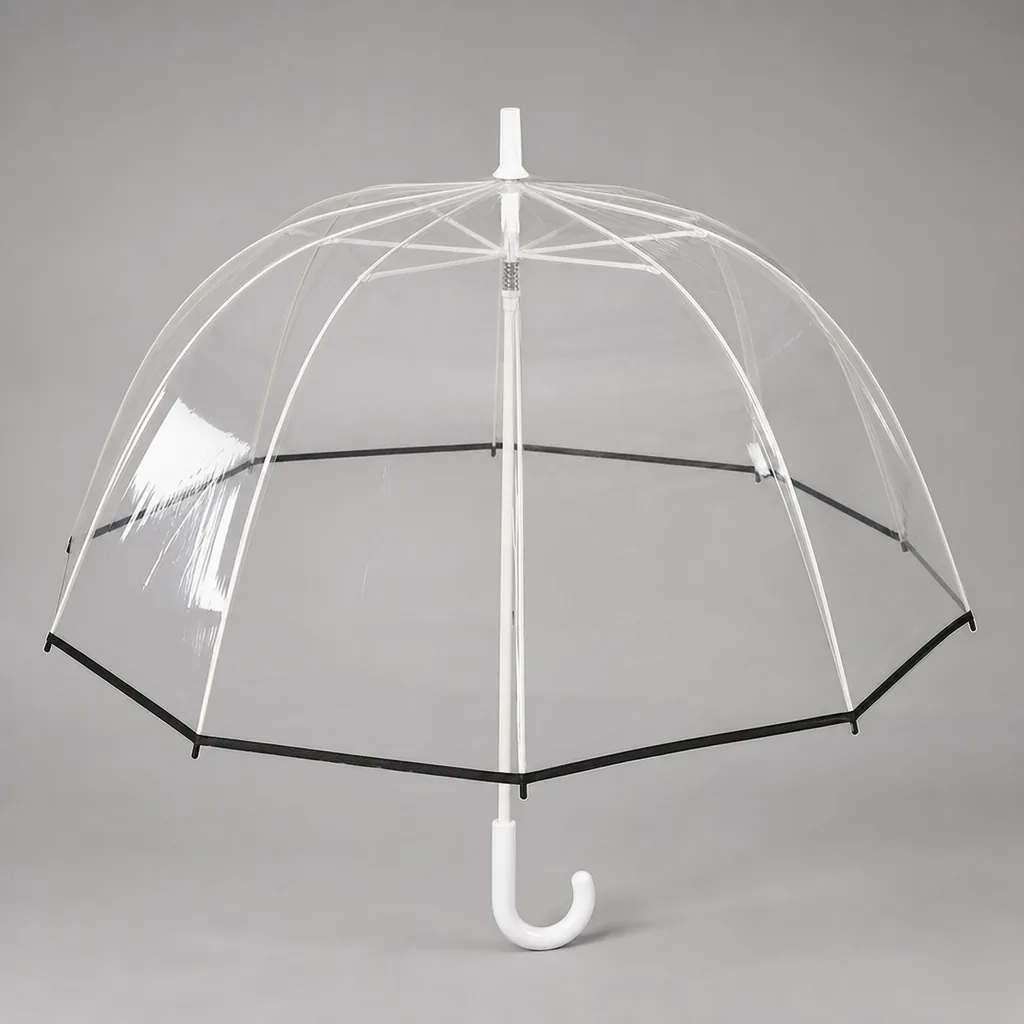
Sourcing a sun umbrella is not just about shade; it is about matching UV protection, canopy fabric, and wind resistance to the conditions your customers or event guests will actually face. A weak frame, low-grade fabric, or poor venting can turn a simple purchase into returns, safety complaints, or lost sales, which is why a practical sun umbrella buyer guide has to start at the factory level.
Sun Protection Specs Buyers Should Verify
In a real sun umbrella buyer guide, UPF 50+ is not a marketing label you accept on faith; it means the canopy blocks at least 98% of UV radiation when the fabric, dye, and construction are all working together. Sourcing teams should ask for the actual test basis, not just a printed hangtag, because a thin 190T polyester with a sprayed coating can look good on paper and still let too much UV through if the weave is open or the coating is uneven. For retail and event programs, I look first at fabric density, then at whether the supplier can show lab-tested UPF 50+ umbrella specs tied to the exact fabric lot, not a generic sample.
Color matters more than many buyers expect. Darker shades usually absorb more UV, while light shades can still perform well if the yarn count and finish are right, but a pale canopy with a loose weave is a weak UV protection canopy no matter how nice the sample looks. Buyers should also check whether the claim is based on the finished umbrella or only the raw fabric, because sewing holes, panel seams, and print coverage can change performance. A custom sun umbrella for brand campaigns should be evaluated with the same discipline as a standard retail SKU: test report, fabric spec, coating type, and repeatability across production.
I also tell buyers to separate coating claims from structure claims. A UV coating helps, but without sufficient fabric density and a controlled weave, the protection drops once the canopy is stretched, printed, or exposed to wear. That is why a vented umbrella build does not automatically mean better UV performance; venting helps airflow and wind behavior, but the canopy still needs a tight, verified textile spec to earn confidence. If the supplier cannot explain the difference between a coated swatch and a finished production umbrella, you do not yet have a dependable sourcing decision.
Canopy Fabric, Coatings, and Color Selection
For a sun umbrella buyer guide, pongee 190T is the practical baseline and 210T is the heavier, more stable option when you expect longer display life or rougher handling at retail events. Both work for a UV protection canopy, but 210T usually gives a tighter hand feel, better seam stability, and less pinholing under printing. If the spec calls for UPF 50+ umbrella specs, the fabric weight matters less than the coating and construction, but in the factory I still prefer 210T when the customer wants a custom sun umbrella that has to survive repeated open-close cycles, trunk storage, and daily setup.
Silver coating is the right move when heat reduction is the priority, because it reflects more solar load and keeps the underside less punishing in direct sun. Black coating is usually the better choice when opacity and UV blocking are the main targets; it cuts light bleed and gives a cleaner shadow, which matters for premium retail or event shade. Printed outer layers make sense when the umbrella is also a branding surface, but they add risk: dense graphics can reduce apparent brightness control, and thin inks on low-grade pongee can show stretch marks at the panel seams.
If the umbrella is meant to sit in wind and sun for long hours, pair the fabric choice with a vented umbrella build so trapped heat does not balloon the canopy and fatigue the frame. My rule is simple: silver for comfort, black for coverage, print for branding, and never assume a pretty outer layer alone equals real UV performance. The best spec is the one that balances opacity, heat management, and logo visibility without overpromising; in practice, that usually means a 210T base with the coating chosen around the actual use case, not the render file.
Frame Build for Hot, Windy Outdoor Conditions
For a sun umbrella buyer guide, the frame decision starts with the ribs, not the canopy print. Fiberglass ribs are the better choice for hot, windy outdoor conditions because they flex, recover, and avoid the permanent bends you get from thin steel after repeated gust loading. Steel still has a place on low-cost promotional units or small patio pieces, but once the umbrella is exposed to daily carry, beach wind, or event setup and teardown, steel becomes a corrosion and deformation problem unless the wall thickness is heavy enough to drive weight up fast. For a custom sun umbrella, I usually steer buyers toward fiberglass in the ribs and shaft unless the brief is strictly indoor or short-duration use.
The practical benchmark is the rib count and how the structure behaves in the hand. An 8K frame is usually the minimum where weight, cost, and flex stay acceptable for portable retail and event use; a 16K structure gives a smoother canopy shape and better load distribution, but only if the hinge points and stretcher geometry are built cleanly. On UPF 50+ umbrella specs, the frame has to support the coating and fabric without flutter, so a UV protection canopy is only as good as the skeleton underneath it. If the canopy area is large, the rib count matters more than marketing language on wind resistance.
A double-canopy vented umbrella build makes sense when the umbrella will sit in sustained crosswind or on open ground with poor shelter. The vent relieves pressure at the crown, reduces inversion risk, and keeps the canopy from acting like a sail, but it is not a cure for weak ribs or sloppy joints. On compact event umbrellas, a single canopy is fine if the wind exposure is brief and the user needs lower weight; on longer outdoor runs, the vented umbrella build earns its keep because it reduces stress at the tips and runner. In practice, I would rather see a well-made 8K fiberglass frame with a vent than a heavy steel 16K frame with no airflow path.
Opening Style, Pole Length, and Handle Comfort
For a sun umbrella buyer guide, the first practical choice is whether the canopy needs a manual or auto-open frame. Manual is cheaper, lighter, and fine for shoppers who open it once and leave it in a bag, but event staff hate anything that slows setup when they are moving between tents, entrances, and parking lots. Auto-open is the better default for retail and promo use because one-hand deployment matters when the other hand is carrying samples, a scanner, or signage. If the brief calls for a custom sun umbrella, I usually push auto-open for front-of-house use and manual only when cost and compact packing are the real priority.
Pole length changes usable shade more than most buyers expect. A shorter shaft is easier to carry and fit into a tote, but it pulls the canopy lower and reduces headroom around tables, golf carts, or beach chairs. A longer shaft gives better overhead coverage and keeps the UV protection canopy higher off the user’s shoulders, which helps in hot, low-angle sun; the tradeoff is more swing weight and less convenience in crowded venues. For merchandising, match the shaft to the actual carry scenario instead of guessing from canopy size alone, because a 42-inch canopy on a short shaft can shade far less than a slightly smaller frame with better reach.
Grip comfort is not a small detail when someone is holding the umbrella for two or three hours straight. Foam grips are soft and cheap, rubberized handles give better wet-weather control, and curved hooks reduce hand fatigue during long walks across fairs or resort property. Straight handles pack cleaner against displays and carts, so they make sense for retail inventory, but they are not as forgiving for staff who are carrying multiple items. For UPF 50+ umbrella specs, I also look at whether the handle finish stays grippy after sunscreen, sweat, or rain, because a vented umbrella build with a slick handle is still annoying in real outdoor use.
Inspection Points, MOQ, and Shipping Terms
For a sun umbrella buyer guide, the inspection points that actually move the needle are boring but non-negotiable: canopy stitching, tip reinforcement, canopy symmetry, and coating consistency. On the factory floor, I check whether the stitch density holds at stress points near the tips and seams, because loose top-stitching turns into edge fray after a few open-close cycles. Tip reinforcement matters even more on a vented umbrella build, since wind load concentrates at the ribs and apex; if the cap, ferrule, or spoke ends are weak, the umbrella looks fine in photos and then fails in field use. Canopy symmetry is not cosmetic either: a warped panel layout causes bad tension, uneven water shed, and a crooked profile that makes retail displays look sloppy.
For UPF 50+ umbrella specs, coating consistency is where a lot of suppliers overpromise. A UV protection canopy should have an even coating weight or lamination across the full panel set, not just on the center of the fabric roll, and the approved shade lot should be checked for pinholes, streaks, and patchy hand feel. Standard practice is to confirm the actual fabric base, usually pongee 190T or 210T for promotional and retail programs, then verify that the coating survives rub testing and repeated folding without cracking. If you are buying a custom sun umbrella, ask for production photos of the first article, then a pre-shipment sample if the artwork, panel count, or vent details are unusual; that saves more time than arguing after cartons are packed.
MOQ and shipping terms should be matched to the event calendar, not just the price sheet. For tight launch windows, a lower MOQ with faster sample approval is often smarter than chasing a larger order that slips one or two weeks past the campaign date; I would rather see the buyer approve artwork and construction within 3 to 5 days than spend two weeks rewriting spec notes. For inspection, AQL 2.5 is the normal expectation on general appearance and function, but only if the buyer gives a clear defect checklist for stitch skips, print misregistration, coating voids, and frame movement. FOB is usually better when you have your own freight forwarder and can buffer transit risk, while DDP works better for event planners who need landed timing certainty and do not want customs surprises.
Frequently Asked Questions
Is a UPF 50+ claim enough to choose a sun umbrella?
No. Buyers should also confirm fabric density, coating consistency, and whether the claim applies to the finished canopy rather than only the textile roll. Lab test reports are the safest basis for sourcing decisions.
When should a buyer specify a double-canopy sun umbrella?
Use a double-canopy or vented build when the product will face gusty outdoor conditions or long exposure at markets and resorts. It helps reduce inversion risk and improves user comfort in warm weather.
What canopy fabric should buyers specify for a UPF 50+ sun umbrella?
For UPF 50+ performance, buyers usually specify polyester pongee, oxford polyester, or solution-dyed fabric with a UV coating or black glue layer. For outdoor retail and events, 190T to 210T polyester is common for handheld umbrellas, while heavier oxford fabric is better for beach or patio-style umbrellas.
Is a vented canopy necessary for event sun umbrellas?
A vented canopy is recommended for beach, patio, and large promotional sun umbrellas because it allows wind to pass through and reduces frame stress. For handheld retail sun umbrellas, a vented build is optional but useful in windy markets or outdoor sports use.
What details should be included in an RFQ for custom sun umbrellas?
Include canopy size, panel count, fabric type, UPF requirement, frame material, shaft diameter, rib construction, vented or non-vented design, logo printing method, packaging, and target order quantity. For OEM production, buyers should also provide artwork files and any testing requirements such as UV, colorfastness, or wind-resistance standards.
Looking to Launch Your Custom Umbrella Line?
ZheBrella is a Zhejiang-based OEM/ODM umbrella manufacturer with 17 years of export experience. Free design, low MOQ from 100 pieces, windproof construction, full-color print.
Get Free Quote Now »People Also Search For
Related Articles
Choosing UV Umbrellas for Events, Retail, and Outdoor Use
Choose the right UV umbrella by comparing UPF 50+ fabrics, coatings, frames, and program fit for events, retail shelves,...
Read More »
UPF 50+ Umbrellas: Choosing Fabrics, Coatings, and Frames
Learn how to specify UPF 50+ umbrellas with the right fabric, coating, frame, and venting for outdoor retail, events, an...
Read More »How to Source a Sun Protection Umbrella for Retail Programs
Learn how to source sun-protection umbrellas with UPF 50+ fabrics, stable frames, and retail-ready specs for summer asso...
Read More »