How to Source a Sun Protection Umbrella for Retail Programs
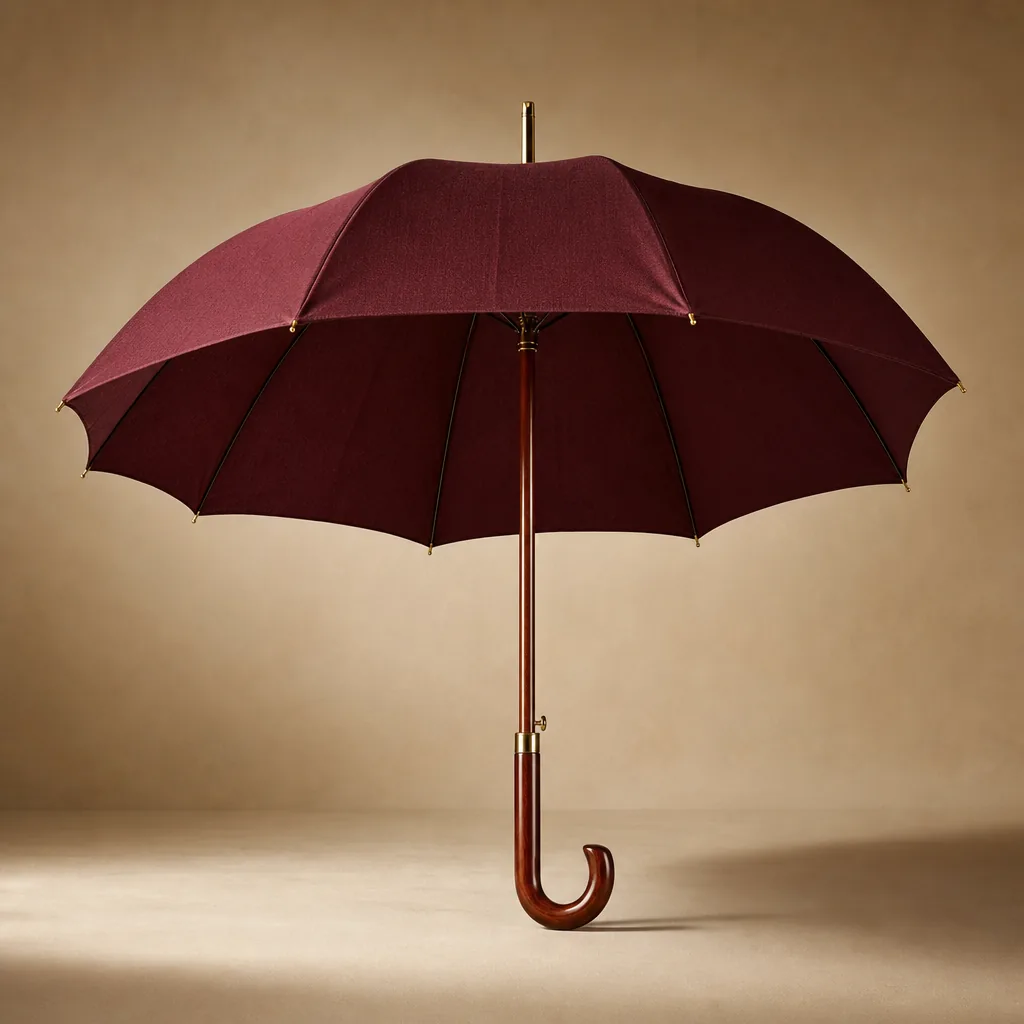
Retail buyers sourcing a sun protection umbrella need more than a nice canopy image; they need proof the product will block UV, survive daily handling, and arrive with specs that fit shelf, carton, and margin targets. From the factory floor in Songxia, we see the common failure points firsthand: weak ribs, unstable open-and-close action, and fabric claims that do not hold up once production starts, which is why a clear sun protection umbrella buyer guide matters before the first PO.
Separate rain umbrellas from sun-protection models
A rain umbrella and a sun protection umbrella are not the same product, and treating them as interchangeable is how buyers end up with complaints. For a real sun protection umbrella buyer guide, start with the canopy: you want a tight-woven pongee 190T or 210T base, then a proper UV-blocking treatment or laminated backing, not just a dark print that looks technical. A true UPF 50+ umbrella is built to cut ultraviolet transmission, so the fabric, coating, and even seam construction matter more than water repellency. In practice, sun umbrella sourcing should separate these models from rain items at the spec stage, because a coating that performs well in drizzle can still fail under prolonged UV exposure if the weave is loose or the finish degrades fast.
Color is part of the engineering, not just the styling. Light silver, white, beige, and pastel can reflect heat better, while black and deep navy often block UV more reliably when paired with the right UV umbrella fabric and backing layer; the wrong answer depends on the target market and whether you are selling for beach, golf, commuter, or travel use. Retail umbrella specs should call out canopy material, coating type, open diameter, handle style, and whether the item is manual, auto-open, or auto-open-close. If you leave those details vague, retail buyers will compare it to a rain umbrella and judge it on the wrong criteria, which usually hurts sell-through and increases returns.
On the shelf or in a promo catalog, position it as a protection and comfort product, not just a weather accessory. Use simple shelf language like ‘UPF 50+ sun protection,’ ‘double-coated UV canopy,’ and ‘wind-resistant frame,’ and back it with measurable specs instead of lifestyle copy. Our standard practice is to separate SKUs by function in line sheets: rain umbrellas in one block, sun protection umbrellas in another, because buyers need to see the difference in fabric, finish, and use case immediately. That makes the assortment easier to merchandise, and it keeps the sun protection umbrella buyer guide focused on a premium, seasonal, and often higher-margin category rather than a generic umbrella page.
Review fabrics, coatings, and UPF claims
For a sun protection umbrella, the fabric matters more than the canopy color on a spec sheet. In practice, buyers should start with pongee 190T or 210T because the weave is tight enough to take coating consistently and still sew cleanly without excessive needle-hole leakage. A silver-coated UV umbrella fabric reflects a lot of radiation, but the coating quality varies by line speed and curing, so I treat it as a process control issue, not a magic label. Black-out or full-block layers work better when the goal is real shade performance, especially for retail umbrella specs that need to survive complaints from customers who actually use the product outdoors.
UPF 50+ umbrella claims are usually achieved through a combination of tight weave, pigment loading, silver or black coating, and in some cases a laminated or multi-layer construction. In my experience, a true UPF 50+ result is less about one material and more about controlling transmission through the weave, pinholes, seam zones, and edge binding. If the supplier cannot explain whether the rating comes from the face fabric alone, the finished canopy, or a finished-umbrella test, that is a red flag in sun umbrella sourcing. A buyer should also ask whether the coating is inside, outside, or sandwiched, because that affects durability, hand feel, and how the umbrella ages after folding.
For documentation, request the actual lab report, not just a catalog claim. The sun protection umbrella buyer guide approach is simple: ask for the test standard used, the measured UPF value, wavelength range, sample description, and whether the test was done on fabric swatches or on the finished canopy. For a defensible claim, I would want supplier paperwork showing the exact pongee specification, coating type, coating weight if available, and batch traceability tied to the production lot. If the buyer is comparing suppliers, insist on matching samples from the same lot and ask for any light-transmission or colorfastness data as well, because a weak UV umbrella fabric often looks fine before the first wash or rainy-day fold cycle.
Choose frame strength without adding bulk
For a sun protection umbrella buyer guide, frame strength starts with the ribs, not the canopy print. Fiberglass ribs are the usual pick for a retail program because they flex under gust load, return to shape, and keep the carry weight down; steel ribs feel stiffer in hand, but they also add noticeable mass and can make a compact umbrella unpleasant after a few blocks. For an UPF 50+ umbrella, that matters because buyers are usually comparing daily carry comfort as much as shade performance. In sun umbrella sourcing, I look first at the rib material, ferrule fit, and shaft diameter, because a weak joint will fail before the canopy fabric does.
Steel still has a place when the program wants a low-cost frame and the user base is not carrying the umbrella all day. It is heavier, more corrosion-prone if the plating is thin, and less forgiving in repeated opening cycles, so it works better for short-trip retail than for commuter use. Fiberglass is the better answer for long carry comfort, especially when the spec calls for a UV umbrella fabric with a coated or laminated canopy that already adds some weight. In retail umbrella specs, a few extra grams at the runner and rib tips can be the difference between an umbrella that feels balanced and one that feels nose-heavy.
Rib count changes the handling as much as the metal choice. An 8K structure is enough for most 21" to 23" folding umbrellas and keeps the frame simple, light, and cheaper to assemble; it is the practical baseline when the canopy is moderate and the retail price has to stay sharp. Move up to 16K when the design uses a wider canopy, more edge tension, or a double-layer vented top, because the extra rib points spread load better and reduce canopy flutter in gusty weather. For larger coverage, I would rather specify a well-dimensioned 16K fiberglass frame than a bulky steel build that looks strong on paper but becomes tiring to carry and hard to merchandise as a true daily-use sun protection umbrella.
Specify handle, opening style, and finishing details
For retail programs, the first decision is format: a straight umbrella gives you more panel real estate, a cleaner silhouette on shelf, and a sturdier feel in hand, while a folding model wins on portability and fits better in promo kits or travel assortments. In a sun protection umbrella buyer guide, I tell buyers to decide early whether the product must live in handbags, glove boxes, or point-of-sale displays, because that choice drives shaft length, folded size, and even canopy panel count. For a UPF 50+ umbrella, the handle and opening style are not cosmetic extras; they affect user comfort, perceived quality, and the return rate after the first rain-and-sun season.
Auto-open is the default for retail because it feels premium and reduces friction at checkout, but manual open still makes sense when the brief calls for lower cost, fewer moving parts, or a lighter folding frame. Grip choice matters more than many buyers expect: EVA and soft-touch rubber are better for gifting and corporate programs, while straight ABS or molded PP handles keep costs down and print cleanly for mass retail. For sun umbrella sourcing, I also check whether the handle shape leaves enough flat area for a logo, because a good UV umbrella fabric means nothing if the branding disappears when the customer actually carries it.
Finishing details are where retail umbrella specs separate a decent sample from a sellable program. Edge binding should be clean and color-matched or deliberately contrasted; sloppy bias tape immediately looks cheap on light-colored canopies. Tip caps need to sit tight, with no wobble, and the print placement should avoid seams, vents, and the top center so the logo reads from a distance and survives repeated opening. On a UV umbrella fabric job, I prefer artwork positioned on one or two panels with enough bleed allowance that the logo still looks intentional after sewing distortion, because brand visibility is part of the product, not an afterthought.
Build a sourcing brief that protects margin
A usable sun protection umbrella buyer guide starts with procurement terms, not with fabric marketing. If the brief does not lock down MOQ, sample timing, mass-production lead time, and whether the quote is FOB or DDP, the pricing will be all over the place. For retail umbrella specs, I want buyers to define the exact size first — 21", 23", 27", or 30" — then note the canopy material, frame mix, and mechanism, because an auto-open-close fiberglass frame costs very differently from a manual steel one. A UPF 50+ umbrella also needs the test basis stated up front; otherwise you are comparing a real UV umbrella fabric against a vague coating claim.
The landed cost changes fast once you add inspection and packaging. Put the inspection standard in the brief, usually AQL 2.5 for retail programs, and state whether the buyer expects pre-shipment photos, carton drop-test requirements, or random third-party checks. In sun umbrella sourcing, I also tell customers to request samples before mass production only after they have target price bands for each channel — promo, club, mass retail, or premium retail — because the same canopy can be built with 190T pongee, 210T pongee, POE, PVC, or EVA, and each one pushes cost differently. If the buyer waits until quoting starts to define the ceiling price, the supplier will either guess low and recover it later or quote a construction that will never pass retail review.
The cleanest sourcing brief reads like a factory work order: quantity by color, logo method, target delivery date, destination, and the required terms for customs and inland trucking. For FOB, specify the port and who books freight; for DDP, specify the delivery address and whether duties and last-mile charges are included. That single detail can swing the quote more than a minor change in rib count or coating. Our standard practice is to ask for this structure before tooling, because once you know the target price band and the inspection rule, you can choose the right frame, canopy, and packaging without wasting two or three quote rounds.
Frequently Asked Questions
What should I ask for if I need a verified UPF 50+ umbrella?
Ask the supplier for the fabric composition, coating structure, and any test report tied to the finished canopy construction. It is also useful to confirm whether the claim applies to the full canopy or only the base fabric before coating.
Do sun umbrellas need double-canopy construction?
Only if the product will face frequent wind or larger canopy sizes. For many retail sun programs, a lighter single-canopy build with stable fiberglass ribs and UPF 50+ fabric is enough and keeps the item easier to carry.
What test documents should a buyer ask for when sourcing a UPF 50+ umbrella?
Ask for a UV transmission or UPF test report on the final canopy fabric, not just the base cloth, because coatings and color can change results. Buyers also commonly request REACH or CPSIA chemical compliance and basic mechanical test records for opening, closing, and frame stability.
Which canopy materials and finishes hold UV performance best in retail programs?
Pongee and polyester with a black-out or silver coating are common for sun umbrellas because they balance UV blocking, printability, and cost. For repeat seasonal programs, confirm coating adhesion and colorfastness so the canopy does not lose performance after exposure, folding, and transit.
What are typical MOQ and lead-time expectations for a custom sun protection umbrella order?
For OEM retail programs, many factories quote around 500-1,000 pieces per color or design, depending on frame mold, fabric stock, and packaging requirements. Production is often 35-50 days after sample approval, while new fabric tests, custom handles, or retail display packs can add 7-15 days.
Looking to Launch Your Custom Umbrella Line?
ZheBrella is a Zhejiang-based OEM/ODM umbrella manufacturer with 17 years of export experience. Free design, low MOQ from 100 pieces, windproof construction, full-color print.
Get Free Quote Now »People Also Search For
Related Articles
UPF 50+ Umbrella Specs: How Buyers Source Sun Protection
Compare UPF 50+ fabrics, coatings, and frame builds so you can buy sun umbrellas that pass testing, print cleanly, and h...
Read More »
Choosing a Sun Umbrella for Outdoor Retail and Events
Learn how to specify UV protection, canopy fabric, and wind-resistant construction when sourcing sun umbrellas for retai...
Read More »
UPF 50+ Umbrellas: Choosing Fabrics, Coatings, and Frames
Learn how to specify UPF 50+ umbrellas with the right fabric, coating, frame, and venting for outdoor retail, events, an...
Read More »