Color-Changing Umbrellas: Heat- and Water-Reactive Canopies
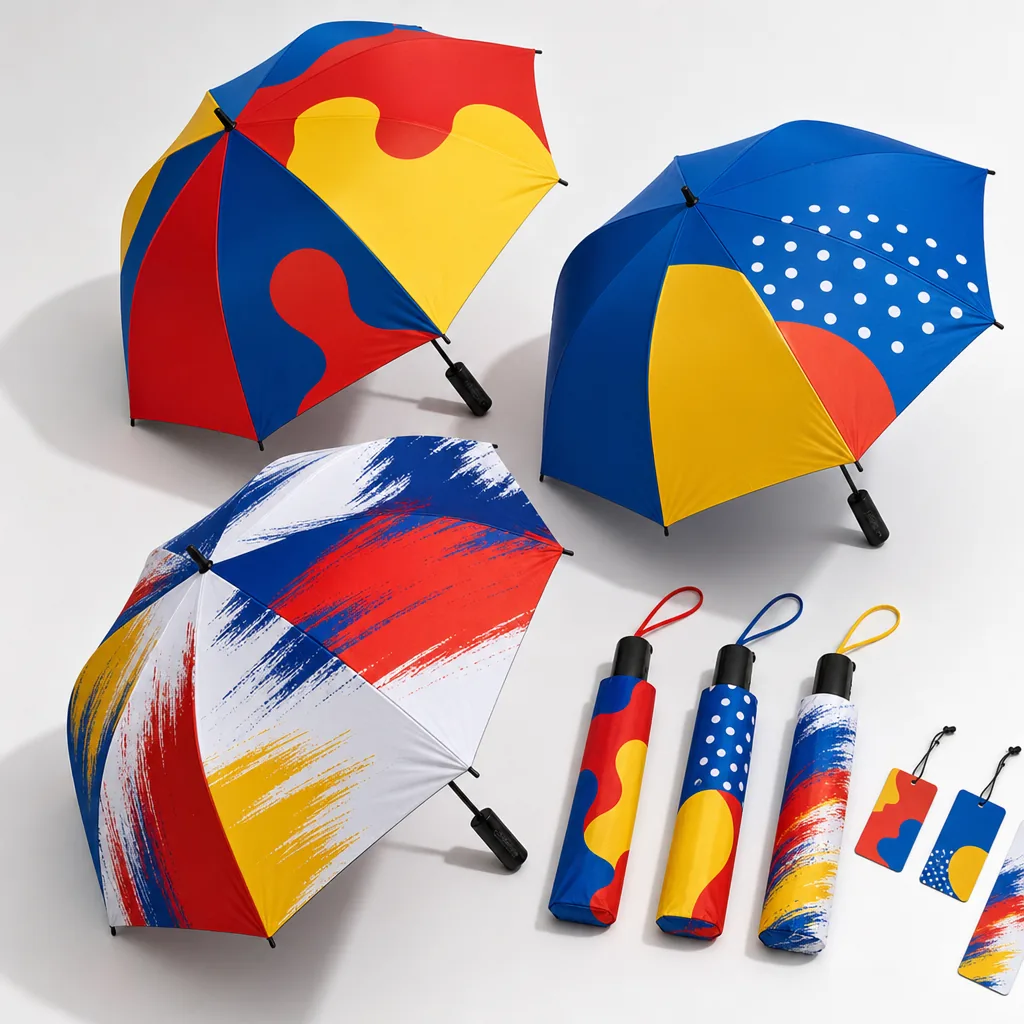
For brands sourcing a color changing umbrella, the real challenge is not the novelty effect but making sure the canopy still performs after repeated rain, heat, folding, and UV exposure. Thermochromic and hydrochromic prints demand tight control over fabric coating, ink adhesion, curing temperature, and panel registration, or the pattern fades unevenly or shifts at the seams. In factory production, the difference comes down to testing every batch under wet and warm conditions before it reaches the buyer.
Thermochromic vs hydrochromic effects
A thermochromic color changing umbrella uses inks built around leuco dyes, developers, and solvents sealed in microcapsules. When the canopy temperature crosses the activation point, usually around 31 to 33 C for consumer goods, the dye system shifts from colored to nearly clear or from one shade to another. On a real production line, the important variables are not the gimmick but the print laydown, capsule size, and curing temperature. If you overbake the ink on 190T or 210T pongee, the microcapsules lose sensitivity; if the film is too thin, the effect looks patchy. That is why a heat sensitive umbrella needs controlled screen viscosity and a stable base white or light-colored fabric to keep the contrast readable. The chemistry is reversible, so the same panel can switch many times, but the usable life depends on heat, UV exposure, and abrasion from folding and rubbing.
A water reactive umbrella works differently. The printed layer usually contains a hydrochromic system that is hidden when dry and becomes visible when water changes the optical path or activates a soluble binder. In practice, the coating is engineered so the pigment layer appears only when rain hits the canopy, then disappears again as the fabric dries. That is why a magic color umbrella can look blank in the showroom and reveal graphics outdoors without any electrical parts or batteries. The challenge is durability: the ink must survive repeated wet-dry cycles, flexing at the ribs, and normal handling without bleeding into the base cloth. Our standard practice at ZheBrella is to test these prints on the actual canopy fabric, not just on lab swatches, because woven density, finish, and stitch holes all affect how quickly the water spreads and how crisp the image appears.
For buyers, the real difference is control. Thermochromic systems respond to temperature, so they are better for seasonal campaigns, hand warmth, or sun-exposed use; hydrochromic systems respond to rain, so they fit events, kids’ programs, and promotional runs where the reveal moment matters more than everyday visibility. Neither effect is magic in the engineering sense: both depend on coating chemistry, substrate choice, and topcoat compatibility. If you add too much UV blocker or a heavy Teflon finish, you can mute the effect; if you skip protection entirely, the print degrades faster under folding and storage. In sourcing terms, ask for activation temperature, repeat-cycle testing, wash or wipe resistance, and whether the artwork is screen printed, heat transferred, or sublimated onto the canopy before the reactive layer is applied. That is the difference between a sample that photographs well and a color changing umbrella that still works after real field use.
How the reveal effect is printed
The reveal effect on a color changing umbrella is not one ink, it is a stack of layers that have to be built in the right order. For a heat sensitive umbrella, the visible artwork is usually printed with a thermochromic top layer over a stable base image, so the canopy looks ordinary at room temperature and then opens up when the fabric warms. On pongee 190T or 210T, that usually means a white or light underbase first, then the reactive ink, then a protective overprint or clear binder to keep the surface from chalking. If the fabric is too dark or the underbase is too thin, the effect gets muddy and the final reveal loses contrast. Our standard practice is to test the same artwork on the actual canopy cloth, not on a paper proof, because fabric absorbency changes the apparent color shift.
Registration is where most print failures start. The reactive layer has to land exactly over the hidden image, especially on a magic color umbrella where the revealed art carries the message and the cold-state graphic is only a mask. We use a screen print setup with fixed jigs for panel shape, then check panel-to-panel alignment against the seam allowance and center line before full production. A small drift of 2 to 3 mm may sound minor, but on a 8K or 10K frame with narrow panels it will show immediately when the canopy opens. If the registration is off, the hidden logo appears cropped, doubled, or split across a rib line. That is why the artwork file, panel layout, and sewing template need to be locked together before ink is mixed.
Water-reactive printing is a different process from heat-reactive printing, even though buyers often ask for both on the same order. A water reactive umbrella uses hydrophilic ink chemistry that turns clear or translucent when dry and becomes visible when rain hits the canopy, so the print must survive repeated wet-dry cycles without cracking. The key is controlling ink deposit, flash drying, and full cure temperature so the reactive layer stays soft enough to change state but not so soft that it migrates into the fabric weave. For mixed-effect programs, we separate the water-reactive zones from the thermochromic zones and verify them under factory conditions, because humidity, curing time, and stitching tension can all change the result. That is the part buyers do not see, but it decides whether the reveal looks sharp or sloppy after the first week of use.
Durability and number of reveal cycles
The reveal effect on a color changing umbrella is not a one-time trick if the chemistry is right. In normal use, a heat sensitive umbrella printed with thermochromic ink will usually hold its contrast for dozens of hot-cold cycles, and a water reactive umbrella with hydrochromic coating will keep responding through repeated rain exposure as long as the print layer is not mechanically scrubbed off. On the factory floor, the real limiter is abrasion, not the pigment itself: tight folding, rough storage, and constant rubbing at the ribs will wear the ink before sunlight does. Our standard practice is to test canopy panels through repeated open-close cycles and wet-dry cycles, then check whether the image still resets cleanly after each exposure. A well-made magic color umbrella can stay visually sharp through seasonal use, but buyers should expect gradual fading in the highest-contact areas near the tips, seams, and tie strap.
For a retail program, the practical lifespan depends on the base fabric and print system. Pongee 190T or 210T holds reactive coatings better than cheap polyester because the weave is tighter and the surface is more stable during heat pressing. If the canopy is overcured, the effect weakens early; if the ink is undercured, it can crack after a few reveal cycles. That is why we separate the decoration stage from the sewing stage and verify wash and rub resistance before bulk packing. A color changing umbrella used as a promotional item should normally survive many event uses, but it is not meant to be treated like a work glove or a throwaway novelty. The effect is strongest in the first 20 to 50 reveal cycles, after which the change can become softer, especially on dark backgrounds or where the coating has been flexed hard at the canopy tips.
The way the umbrella is built matters as much as the ink. Fiberglass ribs flex better than thin steel ribs, so the canopy moves less violently in wind and the print sees less stress at the panel joints. On a 21-inch auto-open style, the compact fold puts more creasing into the fabric than on a larger 27-inch or 30-inch frame, so the reveal layer usually lasts longer on larger canopies with fewer sharp folds. For B2B buyers, the right expectation is not permanent color shift, but repeatable performance across the normal service life of the product, which is often one rainy season for heavy promotional use and longer for occasional consumer use. ZheBrella typically recommends AQL 2.5 checks on print alignment, response consistency, and seam abrasion so the first reveal looks like the tenth and the tenth still looks acceptable.
Design ideas that use the effect well
The effect works best when the decoration is not obvious at first glance. A strong color changing umbrella usually carries a base print that looks complete in the cool state, then a second layer appears when heat or moisture triggers the coating. For a heat sensitive umbrella, that can be a logo hidden inside a larger geometric field, a slogan placed along one panel seam, or a retail graphic that only finishes when the canopy warms in the sun. With a water reactive umbrella, the cleaner approach is a rain-only message: umbrellas, raindrops, route arrows, or a full pattern that disappears as soon as the fabric dries. The point is to make the reveal feel deliberate, not random. If the artwork reads too plainly before activation, the change feels weak; if the base layer is too busy, the reveal gets lost.
Pattern control matters more than people expect. A magic color umbrella prints best when the artwork uses panel-to-panel alignment, because the canopy curves distort fine lines once the frame opens. Use bold shapes, medium stroke widths, and clear negative space so the hidden image survives on 21-inch or 23-inch promotional frames as well as larger 27-inch or 30-inch golf styles. We usually advise clients to build the concept around one reveal mechanism only: heat on one SKU, moisture on another, instead of trying to force both into the same piece. That keeps registration, ink density, and coating selection manageable on pongee 190T or 210T fabric, and it avoids muddy results after repeated opening and closing. The best designs feel like a simple umbrella until the environment does the work for them.
Cost, MOQ, and sampling notes
Reactive inks are not priced like standard spot color printing. A color changing umbrella usually carries a higher unit cost because the coating system is more sensitive, the print setup is tighter, and scrap risk is higher during curing. For a heat sensitive umbrella, expect an added premium over normal screen print, especially if the canopy is pongee 190T or 210T and the design needs full-panel coverage rather than a small logo. The price also moves with rib count and panel size, since a 23" 8K frame uses less fabric and ink than a 30" 16K golf frame. In our standard practice, the premium is driven more by ink stability and test rejects than by the base umbrella hardware, so buyers should budget for that upfront instead of treating it as a normal decoration line item.
MOQ is usually higher than plain printing because the ink has to be mixed, tested, and run in a controlled batch. For a water reactive umbrella or magic color umbrella, the practical MOQ is often 500 to 1,000 pieces per artwork and colorway, and lower quantities tend to be uneconomical unless the order is tied to an existing production run. Sampling should be treated as a real production step, not a token swatch: we normally make a strike-off on actual canopy fabric, then confirm the color shift after warm air exposure and water spray, because polyester, POE, and coated pongee behave differently. If the buyer wants both heat and water response on the same canopy, expect a longer lead time and stricter approval on the first sample.
Sampling cost is usually separate from mass production because the factory has to burn material, labor, and machine time before any saleable units exist. A proper sample set should include one printed canopy panel, one assembled umbrella, and a color-change test after 10 to 15 cycles of heating or wetting, so the buyer can judge whether the effect is strong enough on camera and in retail use. ZheBrella’s typical approach is to freeze the art, confirm the base fabric, then lock the reaction target before ordering bulk, because changing the ink after sample approval almost always creates shade drift. Buyers should also ask whether the quoted price includes pre-production samples, courier cost, and one revision round, since those items can change the true landed cost more than the decoration itself.
Frequently Asked Questions
How does a color-changing umbrella work?
It uses special inks that change appearance with a trigger - hydrochromic inks reveal color or patterns when wet, and thermochromic inks react to temperature. The effect is printed as an extra ink layer on the canopy.
Does the color-change effect wear out?
Reactive inks fade gradually with UV exposure and many wet/dry cycles, so the effect is best treated as a novelty feature rather than a permanent one. Sampling first is important to confirm the reveal looks as intended.
What is the main difference between thermochromic and hydrochromic umbrella canopies?
Thermochromic canopies change color when the surface warms up, usually around 30-33 C depending on the ink formula. Hydrochromic canopies reveal hidden artwork only when wet, which makes them more directly tied to rain exposure and easier for buyers to demo in store.
What MOQ should a distributor expect for a custom color-changing umbrella order?
For most OEM programs, MOQ is typically 500-1,000 pcs per design or colorway. If you want full-panel printing, special frame colors, or mixed activation effects, factories may ask for 1,000 pcs or more.
How long does a custom sample and production run usually take?
Sampling often takes 7-15 days after artwork approval, depending on ink testing and canopy material. Mass production is commonly 25-40 days after sample approval, with longer lead times if the order includes custom packaging or passed rain-durability testing.
Looking to Launch Your Custom Umbrella Line?
ZheBrella is a Zhejiang-based OEM/ODM umbrella manufacturer with 17 years of export experience. Free design, low MOQ from 100 pieces, windproof construction, full-color print.
Get Free Quote Now »People Also Search For
Related Articles
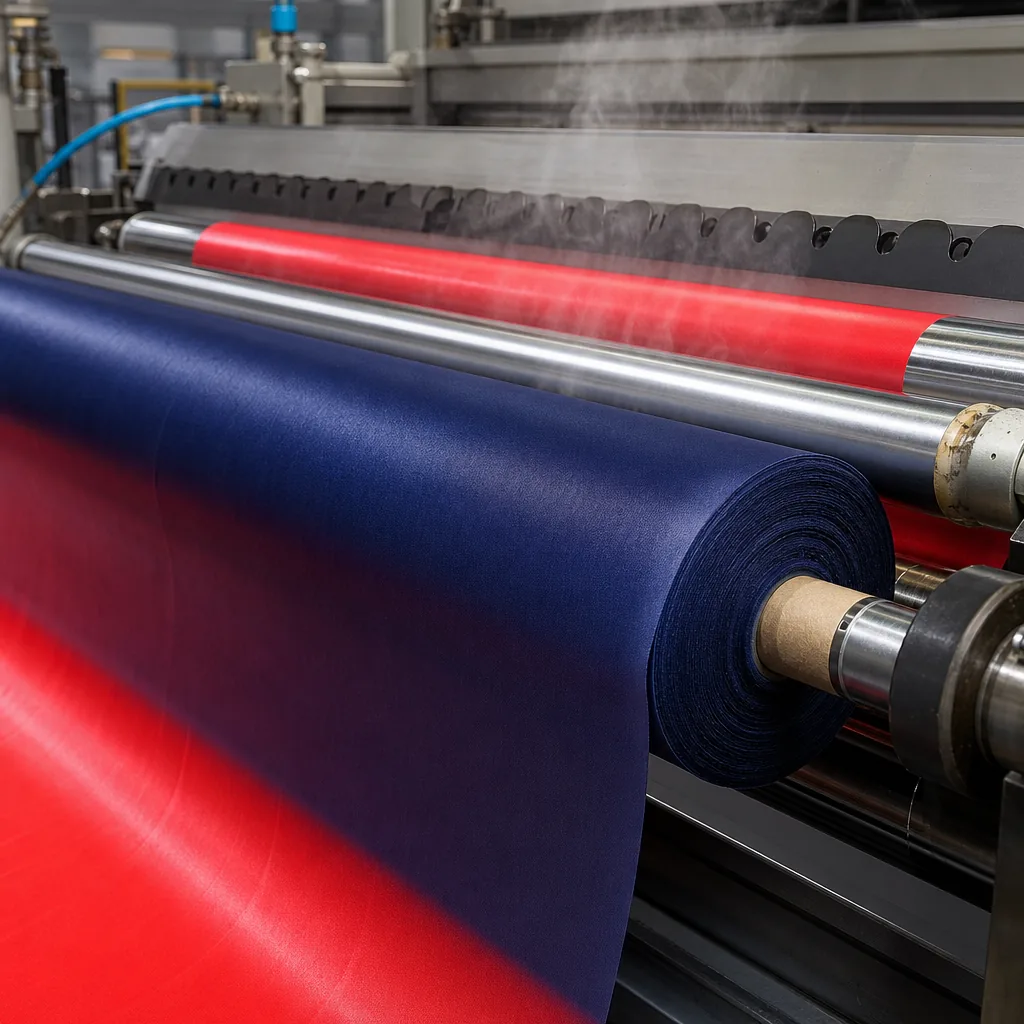
Color-Changing Umbrellas: Custom Printing for Brands
Learn how rain-activated and UV-reactive umbrella prints are made, with artwork limits, MOQ, sampling, AQL checks, and c...
Read More »
Water-Repellent Umbrella Canopies: Coatings Buyers Compare
Compare DWR, PU, and laminated umbrella coatings to balance runoff, hand feel, UV performance, and drying time across re...
Read More »Choosing Canopy Fabric for Custom Umbrellas: Weight, Feel, and Finish
Learn how canopy fabric weight, weave, and coating affect print quality, water resistance, UV protection, and landed cos...
Read More »