Colorfastness and Corrosion Testing for Custom Umbrellas
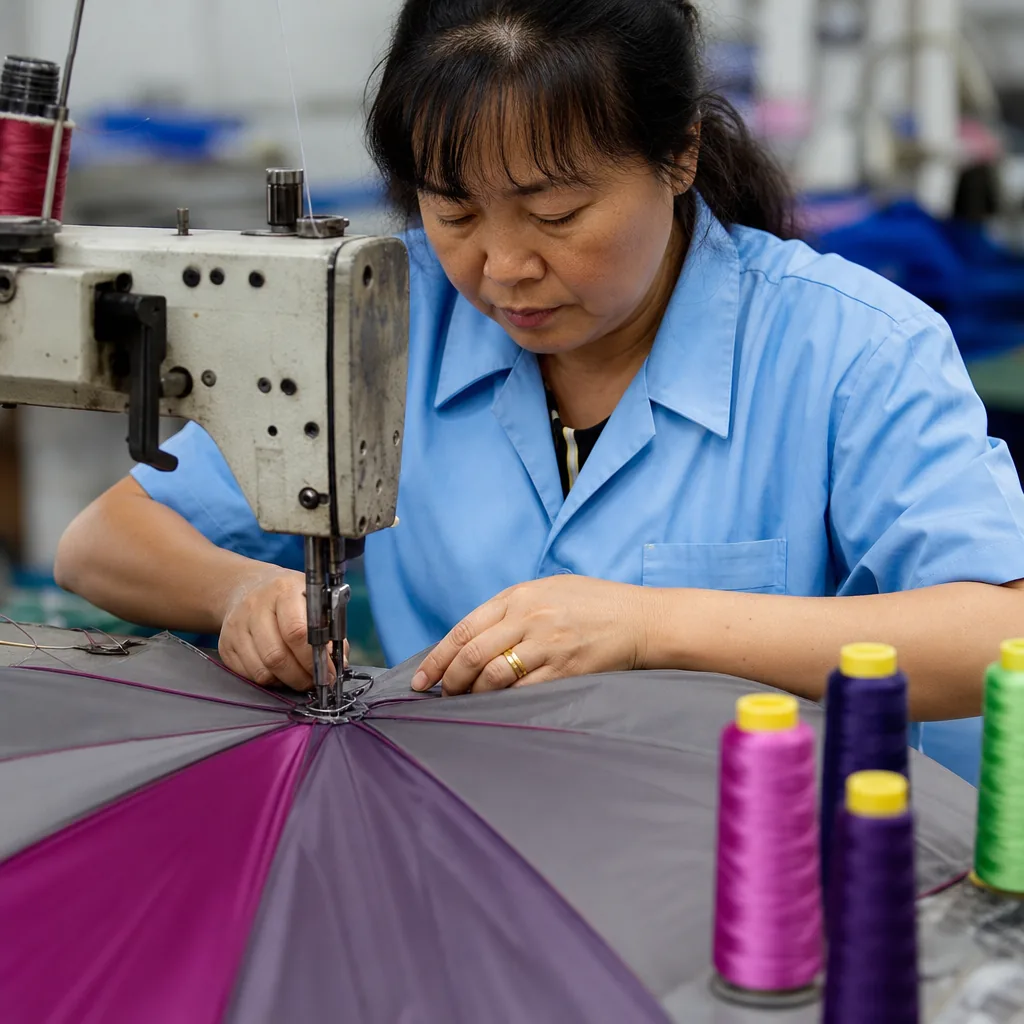
A custom umbrella can look perfect in a pre-production sample and still fail after a few weeks of sun, rain, salt air, or repeated opening on a store rack. On our Songxia factory floor, umbrella colorfastness testing is checked alongside print rub resistance, frame corrosion, coating adhesion, and AQL inspection so buyers do not discover fading logos, rusty ribs, or peeling finishes after shipment.
Identify Where Umbrellas Fail After Real Use
Most umbrella failures show up after the buyer has already distributed the goods: a red canopy turns chalky after two weeks in sun, a white logo smears onto the sleeve, or black ribs start bleeding rust at the tips. I separate these into canopy, print, frame, and packing failures because each one comes from a different control point. Canopy fading usually traces back to low-grade dyed polyester, poor disperse dye fixation on 190T/210T pongee, or UV coating applied too thin after calendering. For promotional umbrellas, umbrella colorfastness testing should be done before bulk cutting, not after sewing 10,000 panels. A lab dip that looks fine indoors can fail badly under UV exposure, especially on navy, red, orange, and fluorescent colors.
Logo transfer is a different problem from fading. It usually comes from ink system mismatch, under-cured screen printing, excessive heat-transfer temperature, or stacking panels before the print has fully cooled. I have seen silver and white logos stick to PE sleeves when the packing line rushed the job during humid weather. Canopy rub testing catches this: dry rub, wet rub, and sleeve contact testing should be checked on printed pongee, POE, PVC, and EVA materials. PVC and POE clear umbrellas need extra care because plasticizers can react with ink or printed labels. Peeling coatings are usually caused by weak adhesion between the waterproof, Teflon, silver UV, or black-out coating and the base fabric, often made worse by aggressive folding at the same crease lines.
Frame complaints are usually rust, sticky runners, loose tips, or broken joints. Umbrella corrosion testing should focus on salt spray umbrella frames, especially steel ribs, plated shafts, springs, rivets, and runner hardware. Fiberglass ribs do not rust, but their metal joints and rivets still can. A 24-hour or 48-hour salt spray check is useful for basic promotional models; coastal retail programs may need longer exposure and stricter inspection. Sticky runners often come from burrs on the shaft, weak nickel or chrome plating, or paint overspray inside the runner channel. These are custom umbrella quality tests that must be linked to real use: open-close cycling, wet storage, sleeve staining, and carton compression, not just a clean sample opened once in an office.
Test Canopy Fabric and Printed Logos for Colorfastness
Umbrella colorfastness testing starts with rub performance because that is where weak dyeing and poor ink curing show up fastest. For 190T polyester, 190T pongee, and 210T pongee, we run dry rub and wet rub checks on both the canopy cloth and printed logo area, usually with a crockmeter or a controlled hand-rub method when the order is small. Dry rub catches loose pigment on black, navy, red, and other dark canopies; wet rub exposes dye migration when rain, sweat, or hand contact is involved. White logos on dark panels need special attention because even slight staining makes the branding look dirty. For promotional umbrellas, I like to see dry rub at grade 4 or better and wet rub not lower than grade 3–4 on the gray scale, especially for screen printing and heat-transfer logos.
Water exposure is different from wet rub because it tests bleeding, staining, and coating interaction after soaking or repeated rain simulation. A 190T polyester canopy with a basic PU coating may pass dry rub but still release dye into a white logo border after 30 minutes of water contact. Pongee, especially 210T, normally handles dye penetration more evenly, but full-panel sublimation prints must be checked at seams, folded edges, and areas under the tie strap where pressure builds. Our standard practice at ZheBrella is to test dark canopy fabric against a white cotton witness cloth, then inspect for haloing around printed artwork. This belongs in the same approval file as other custom umbrella quality tests, because color transfer can turn into a claim even when the frame, runner, and handle are perfectly acceptable.
Light exposure and folding abrasion are the two tests buyers often skip, but they are the ones that predict how an umbrella looks after real use. For UV-coated or UPF 50+ canopies, we check whether the color shifts after controlled light exposure, especially on red, fluorescent, and full-panel printed designs. Folding abrasion is done by repeatedly opening, closing, and rolling the umbrella, then inspecting the crease lines where 8K or 10K ribs press against the canopy. This is important on auto-open and auto-open-close models because the spring force creates sharper folds than a manual 23-inch stick umbrella. Canopy rub testing should also cover logo placement near tips, seams, and the wrap strap, not just the flat center panel. Umbrella colorfastness testing is not separate from durability; a print that cracks or ghosts along fold lines will fail in the customer’s hand before any lab report can defend it.
Check Metal Parts for Rust and Coating Durability
Rust failures usually start on the smallest metal parts, not the main shaft. For umbrella corrosion testing, we put steel ribs, steel center shafts, stretchers, springs, screws, rivets, runner parts, and plated tips through salt spray exposure because those are the points buyers complain about after one rainy season. A common baseline is 24 hours for low-cost promotional umbrellas, 48 hours for retail-grade steel frames, and 72 hours or more for premium specs, using neutral salt spray conditions similar to ASTM B117. After testing, we check red rust, white corrosion, blistering, peeling, and frozen movement at joints. Aluminum shafts and ribs will not show red rust like carbon steel, but poor anodizing can still pit or discolor. Fiberglass ribs avoid corrosion almost completely, which is why we recommend fiberglass for 27" and 30" golf umbrellas that must survive both wind and wet storage.
Painted steel needs inspection at cut edges, punched holes, rivets, and crimped joints, not only on the clean flat surface. I have seen frames pass a quick visual check on the rib face but fail after salt spray because the paint film was broken where the rib was punched for a rivet. Once moisture reaches exposed steel at that edge, rust creeps under the coating and lifts the paint. The same issue appears on plated tips and screws if the nickel or chrome layer is too thin. Our standard practice at ZheBrella is to flex the rib joint after salt spray, wipe the area with a white cloth, and open-close the frame several times to see whether corrosion has attacked moving contact points. This is more useful than judging a static part under bright light only.
Umbrella colorfastness testing protects the canopy appearance, but metal corrosion testing protects function and customer safety. A rusty spring can weaken auto-open performance, a corroded rivet can loosen an 8K or 10K frame, and a rough plated tip can stain light-colored 190T or 210T pongee during packing. For custom umbrella quality tests, we pair salt spray umbrella frames evaluation with canopy rub testing because corrosion residue often transfers onto white, yellow, or pastel panels. Painted steel is still acceptable for budget manual umbrellas when the MOQ target is aggressive, but the buyer should specify coating thickness, salt spray hours, and acceptable rust limits before production. For higher-value orders, fiberglass ribs with an aluminum or well-coated steel shaft give a better balance of corrosion resistance, wind strength, and cost.
Verify Water Repellency, UV Coating, and Handle Finish
Water repellency should be verified before any printing or bulk packing decision, because a canopy that wets out too fast will feel cheap even if the frame is strong. For 190T and 210T pongee, we normally run a spray test after the fabric has been coated, cured, and stored at least 24 hours, not directly off the coating line. A good Teflon-style DWR finish should bead water quickly and shed it without dark patches spreading across the panels. For promotional umbrellas, I like to test both plain fabric and printed fabric, because heavy screen ink or heat-transfer films can change how water breaks on the surface. This is a practical part of umbrella colorfastness testing as well: wet panels are folded, rubbed lightly, and checked for dye migration onto white tissue or adjacent light-colored panels. If the buyer specifies a vented double canopy or 16K golf frame, test the vent overlap area too, because water often sits there longer than on a simple 8K stick umbrella.
Silver and black UV coatings need separate adhesion checks, especially when the order claims UPF 50+. The coating may pass UV blocking in the lab but still fail in real use if it cracks along fold lines or transfers onto the opposite panel during hot container shipping. We use tape pull, dry fold, wet fold, and light canopy rub testing on coated panels before approving bulk cutting. Blackout coatings are usually more durable than thin silver coatings, but they also trap more heat and need longer drying time after rain; if packed wet, odor and blocking marks show up within days. Coating thickness also changes sewing behavior. On 23 inch auto-open umbrellas, a stiff coated pongee can make the canopy harder to close neatly, while on 27 inch and 30 inch golf umbrellas it can increase bulk inside the sleeve. These custom umbrella quality tests should be confirmed on a finished sample, not only on loose fabric swatches.
Handle finish is where many otherwise acceptable orders fail buyer inspection. Rubberized handles feel good at first, but low-grade soft-touch paint can become sticky after heat aging or rub off onto the user’s hand. EVA foam handles should be checked for dents, seam lines, and color transfer after wet rubbing. Plastic handles need scratch checks around the runner contact area, and wood handles need lacquer adhesion testing, because poor varnish will whiten or peel after repeated wet-dry cycles. Our standard practice at ZheBrella is to rub handles with dry cloth, damp white cloth, and mild alcohol where the buyer’s specification allows it, then inspect under strong light for gloss change and pigment loss. These handle checks sit beside umbrella corrosion testing, especially when plated shafts, nickel tips, or painted caps are used. Salt spray umbrella frames may survive 24 or 48 hours, but if the handle coating softens in the same climate, the product still feels defective when unpacked.
Write Testing Requirements Into the Purchase Order
Put the test requirements in the purchase order, not only in the email thread, because the PO is what the merchandiser, production planner, and QC team will follow when the order gets busy. For umbrella colorfastness testing, state the exact approved canopy material and printing method: 190T pongee with reactive sublimation, 210T pongee with screen print, or POE/PVC/EVA clear canopy with heat-transfer logo. Then define the approval rule: mass production must match the signed pre-production sample for fabric shade, logo position, ink density, handle color, rib finish, and packaging. I recommend keeping one signed sample at the factory, one with the buyer, and one with the inspection company if third-party inspection is planned. Mark them with PO number, item code, revision date, and approval signature. Without retained samples, color disputes become subjective very fast, especially on navy, red, orange, and fluorescent promotional umbrellas.
Pass/fail limits should be written in measurable language. For canopy rub testing, specify dry and wet rubbing, minimum Grade 4 for solid dyed fabric and Grade 3-4 for printed logo areas unless the artwork uses heavy metallic or high-build ink. For water exposure, require no visible bleeding after a 30-minute soak and no staining onto white tissue or adjacent panels. For umbrella corrosion testing, state the frame material and finish: black painted steel shaft, chrome-plated steel ribs, aluminum shaft, or fiberglass ribs with steel stretchers. If the umbrella will be used near beaches, resorts, golf courses, or rainy coastal cities, write a salt spray requirement such as 24 or 48 hours with no red rust on visible plated or painted parts. For premium retail umbrellas, 72 hours is more realistic, but it must be priced into the frame specification. Salt spray umbrella frames cost more when plating thickness, phosphate pretreatment, and paint curing are controlled properly.
Use third-party lab reports when the order is high value, retail branded, or going into regulated channels where documentation matters; use factory in-line records for repeat promotional orders where the material and supplier are already proven. A good PO should say which custom umbrella quality tests require a lab report before bulk cutting, and which checks are allowed as factory records during production. Our standard practice at ZheBrella is to test incoming fabric before cutting, check printed panels before sewing, and inspect finished umbrellas under AQL 2.5 for major defects, with critical defects not accepted. The PO should define inspection level, sample size, and rejection rules: color bleeding, rust, broken ribs, weak auto-open function, loose tips, crooked logos, and fabric holes should be major defects. Also add that bulk production cannot start until the pre-production sample and any required lab reports are approved in writing.
Frequently Asked Questions
Do all umbrella orders need salt spray testing?
Not every low-cost indoor giveaway needs formal salt spray testing, but it is recommended for coastal markets, hotel programs, golf umbrellas, and premium retail goods. Steel frames and plated parts carry the highest rust risk.
Can colorfastness vary between the sample and bulk order?
Yes. Bulk fabric may come from a different dye lot, and print curing can vary by production batch. Buyers should approve pre-production samples and keep retained samples for comparison during AQL inspection.
What salt spray test duration is commonly specified for umbrella frames?
For export umbrellas, buyers commonly request 24 to 72 hours of neutral salt spray testing, depending on frame material and market positioning. Basic painted steel frames are often checked at 24 hours, while upgraded coated steel or aluminum components may be specified at 48 to 72 hours.
How is canopy print rub resistance usually checked before bulk shipment?
Factories typically perform dry-rub and wet-rub checks using a white cotton cloth or standardized crocking method on printed panels. A buyer may approve production only if there is no obvious color transfer after a set number of rub cycles and no visible logo damage in normal handling.
Can colorfastness and corrosion testing be done on pre-production samples instead of waiting for mass production?
Yes, many importers ask for lab checks on sample yardage, printed strike-offs, and frame components before order release. This usually adds 2 to 5 working days but helps catch fading, coating, or plating issues before a full MOQ is produced.
Looking to Launch Your Custom Umbrella Line?
ZheBrella is a Zhejiang-based OEM/ODM umbrella manufacturer with 17 years of export experience. Free design, low MOQ from 100 pieces, windproof construction, full-color print.
Get Free Quote Now »People Also Search For
Related Articles
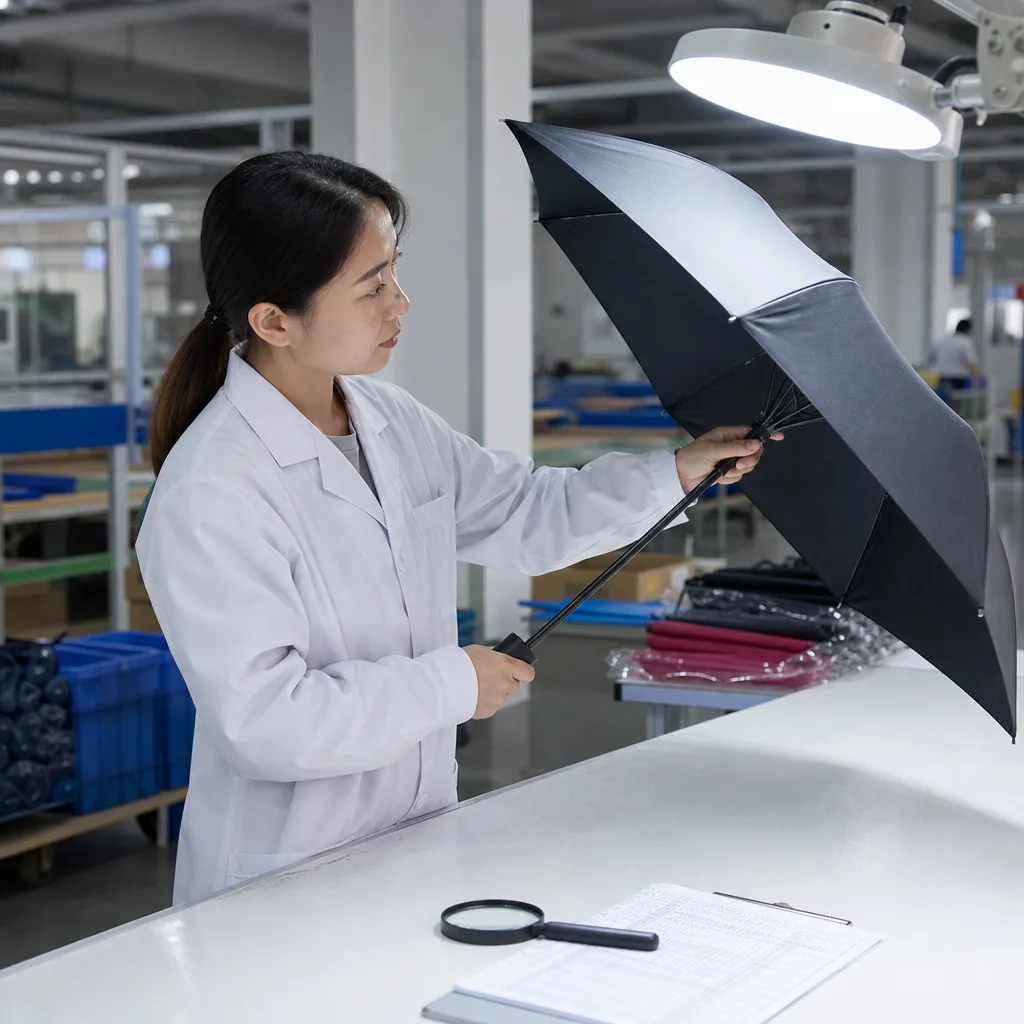
How Umbrella Frame Salt Spray Testing Reduces Rust Claims
Learn how salt spray testing, coatings, and frame-material choices cut rust complaints on custom umbrellas shipped throu...
Read More »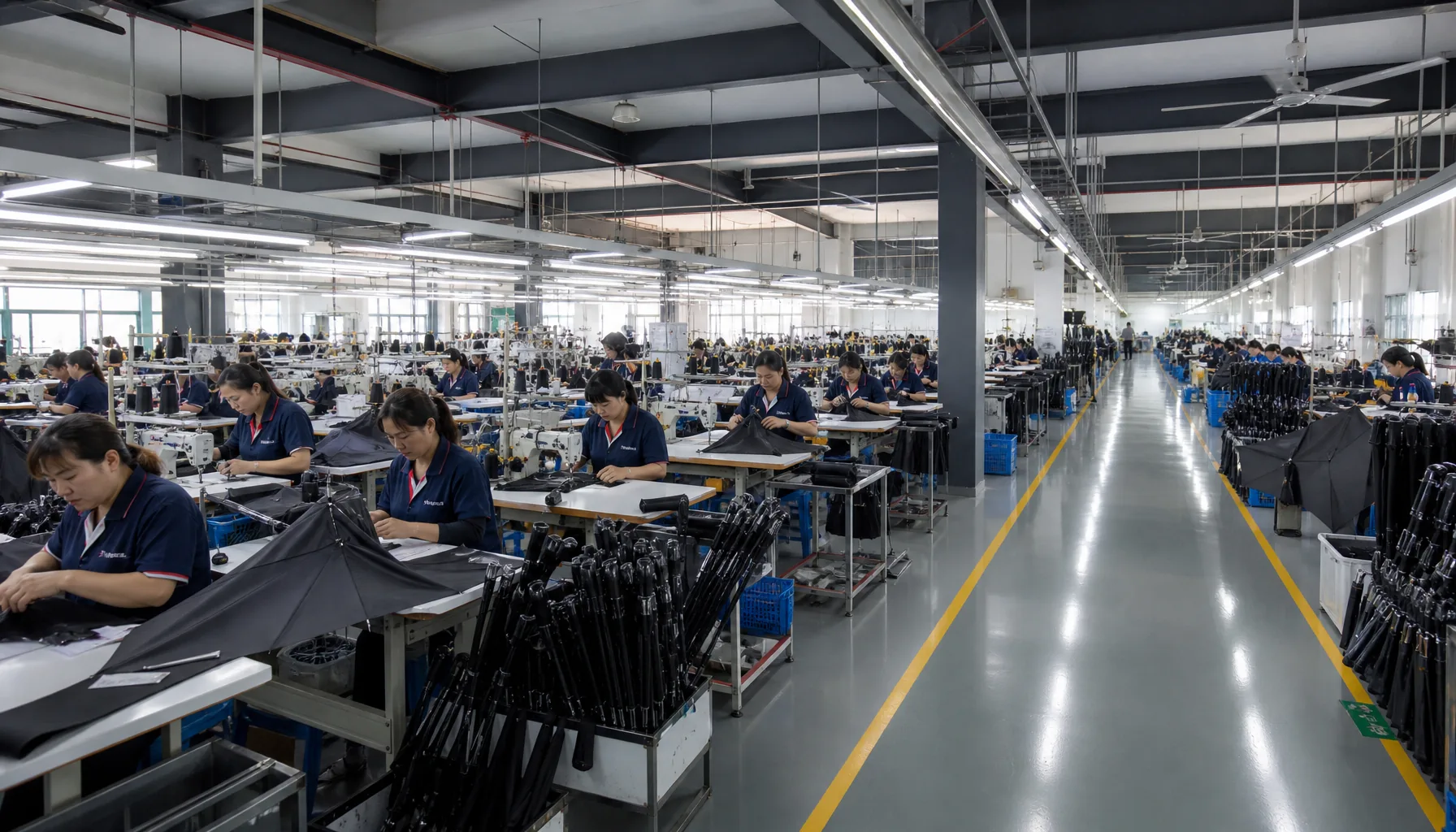
Salt Spray and Corrosion Testing for Coastal Umbrella Orders
Specify corrosion-resistant umbrellas for coastal markets with smarter frame materials, coatings, salt spray tests, insp...
Read More »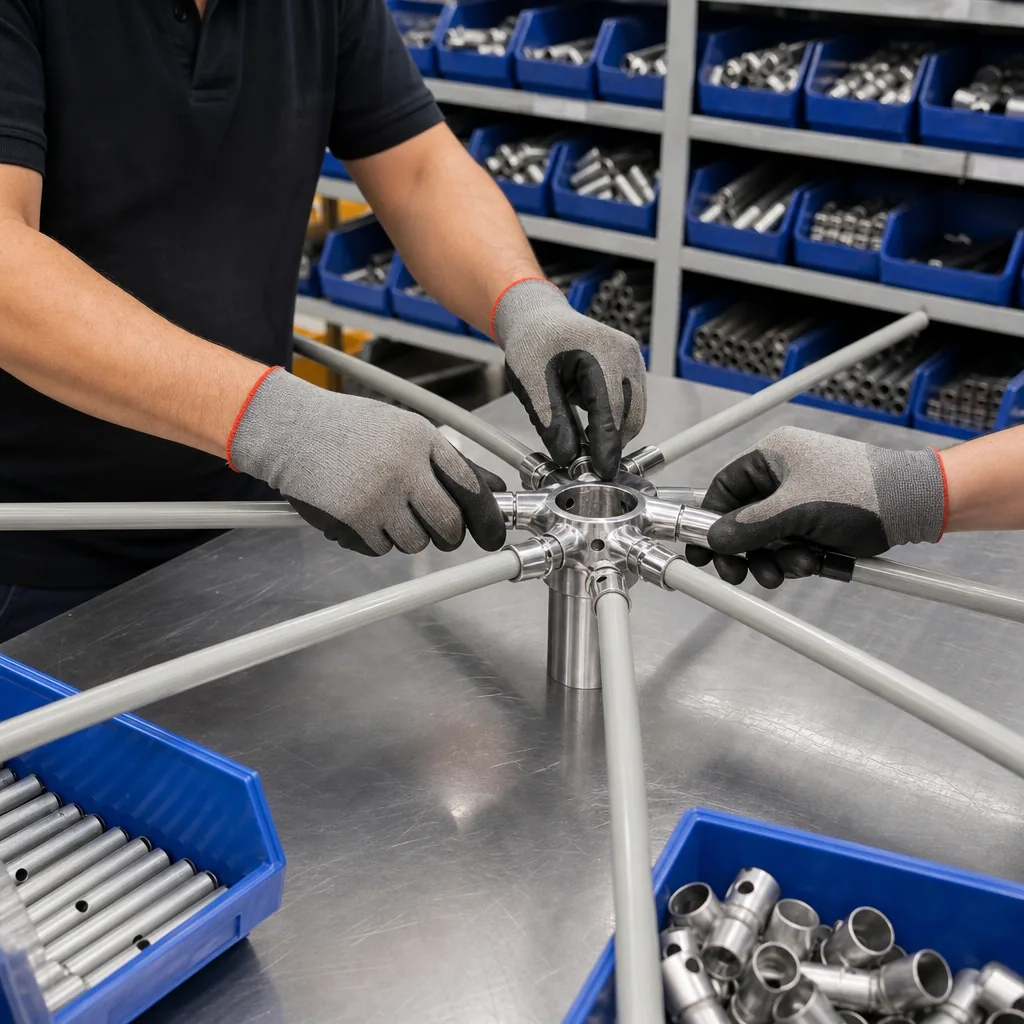
Umbrella Hardware Plating and Salt-Air Corrosion Control
Compare plating and coating choices for umbrella hardware, with salt-air testing methods, corrosion failure points, and ...
Read More »