Custom Umbrella Kitting for Campaign Launches and PR Mailers
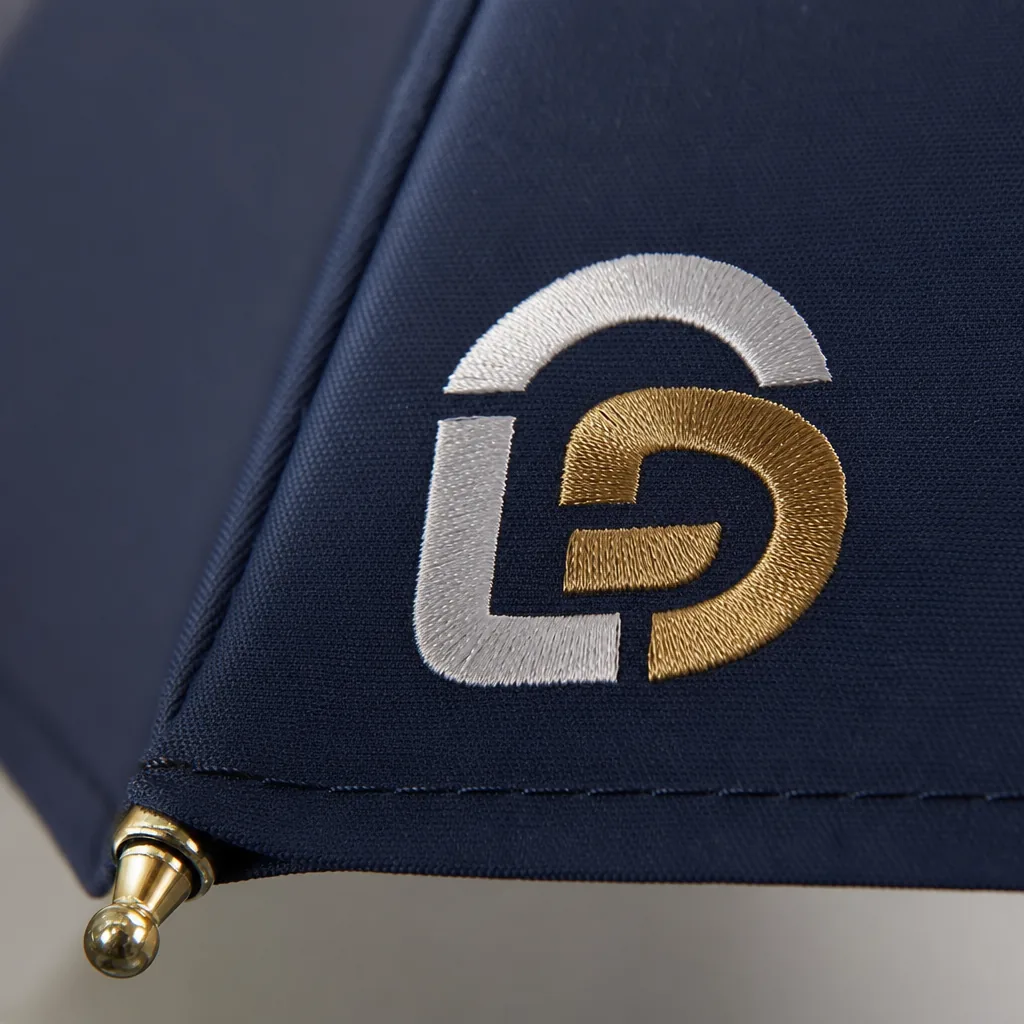
Campaign launches and PR mailers fall apart when the kit looks simple on paper but stalls in packing, QC, or freight once umbrellas, inserts, and outer cartons have to move together. For buyers sourcing a custom umbrella kitting service, the real questions are carton fit, insert sequencing, sample signoff, and whether FOB or DDP timing better protects the launch date. From the packing lines here in Songxia, those decisions are what separate a clean rollout from a costly rework.
When Umbrella Kitting Makes Sense for Brand Campaigns
A custom umbrella kitting service makes sense when the shipment has to arrive as a finished campaign asset, not as bulk inventory for a warehouse to sort later. That usually applies to PR mailer umbrellas, influencer seeding, product launches, VIP gifts, and event check-in packs. Instead of shipping one 21 in. or 23 in. umbrella in a polybag with 24 or 36 units per export carton, the factory builds a recipient-ready set: umbrella, branded insert cards, hangtag, tissue wrap, and, if required, a second SKU such as a bottle, cap, or product sample. That difference matters because standard bulk packing is optimized for the lowest FOB unit cost, simple barcoding, and fast carton loading. Kitting is optimized for presentation and recipient-level accuracy. Buyers usually accept the higher packout cost when unboxing consistency, launch timing, and delivery accuracy affect campaign performance more than the lowest per-piece price. It is especially justified when the program uses mixed components, regional messaging, or channel-specific packaging that a distributor would otherwise have to assemble by hand after import.
The tradeoff is complexity. A factory can produce 3,000 identical 190T pongee umbrellas with fiberglass ribs and inspect the lot at AQL 2.5 with low packing risk; OEM umbrella assembly becomes more exposed once the order adds two canopy colorways, personalized notes, mixed inserts, or recipient-specific labels. At that point, the main failure mode is usually not the frame or auto-open mechanism, but the wrong branded insert cards, a missing voucher, or a mislabeled outer box. For that reason, kitting QC should be treated as a separate control point from umbrella QC, with count checks and SKU matching at each packing station. MOQ also changes at the set level, not necessarily the umbrella level. A stock 23 in. 8K manual or auto-open style may still start around 300 to 500 pieces, but custom mailer boxes, trays, accessories, and mixed assortments often move the practical MOQ to 500 to 1,000 complete campaign launch kits. Lead time typically shifts from about 25 to 35 days for a standard branded umbrella order to 35 to 45 days for a kitted program, with added dimensional-weight risk if the pack includes a clear POE dome or a 27 in. golf umbrella.
Components That Shape Presentation and Pack-Out Cost
Pack-out cost starts with umbrella geometry, because frame style determines box length, void fill, and carton density before you add any presentation detail. A 23 inch or 27 inch straight umbrella with an 8K frame needs a longer gift box or corrugated sleeve, added ferrule and tip protection, and strict carton orientation so handles do not scuff adjacent canopies. A 21 inch folding umbrella is usually more freight-efficient because it ships shorter, but an auto-open-close mechanism adds spring tension and a thicker runner, so the unit must be restrained correctly to prevent accidental actuation in transit. Frame count also changes pack volume: a 16K fashion frame closes noticeably thicker than a standard 8K, which increases insert-card size, tissue-wrap allowance, and inner box depth. For a custom umbrella kitting service, belly bands, ribbon ties, branded insert cards, thank-you notes, tissue wrap, and sticker seals are cost drivers because each one adds a manual touchpoint. A clean sequence can hold pack-out near 25 to 35 seconds per unit; a kit with multiple wraps, closures, and rehandling can push past 70 seconds and raise labor cost before freight is quoted.
Low-cost presentation items create avoidable waste when the spec is loose. Ribbon ties can snag hook-and-loop closure straps and slow repacking. Tissue wrap tears against sharp handle-plating edges. Sticker seals fail on dusty matte board when the adhesive is not matched to the substrate. For PR mailer umbrellas and campaign launch kits, the most reliable structure is usually one rigid message piece, one soft wrap element, and one closure method, not five competing details inside a tight box. Carton labeling matters just as much: each master carton should show SKU, colorway, PO number, carton count, gross weight, net weight, and a pack code when shipments split across influencer, media, or retail lists. A 30 inch vented golf umbrella needs a deeper master carton and a lower pack quantity than a 21 inch folding unit, so delivered freight rises even when umbrella FOB cost stays flat. When OEM umbrella assembly and kit assembly stay in one facility, canopy strap position, handle direction, and insert placement remain controlled in one flow, which reduces rework. At ZheBrella, finished kits are checked to AQL 2.5, with MOQ typically 500 to 1,000 sets and lead times of about 25 to 35 days for umbrella production plus 5 to 10 days for inserts, hand pack, and export-carton consolidation under FOB or DDP terms.
Material and Product Choices That Support a Premium Look
Build quality sets the tone before a recipient reads the branded insert cards, so the umbrella spec needs to carry the premium signal on first touch and first open. For PR mailer umbrellas and campaign launch kits, 210T pongee usually presents better than 190T: the tighter weave gives a smoother handfeel, cleaner drape, and a more uniform surface for print, studio lighting, and unboxing video, especially on black and other dark canopies. Lighter fabrics tend to show sharper seam wrinkling, which makes panels and artwork look less refined. Frame choice has the same effect on perceived value. Fiberglass ribs and spreaders flex under wind load and recover better than basic black-painted steel, so the open-close action feels more substantial and less disposable. On a 23-inch or 27-inch umbrella, an 8K frame keeps the classic profile most buyers want for executive or media gifting. If the item must perform outdoors, specify a double-canopy vented construction; it supports a credible windproof claim and reduces the risk that the umbrella reads as box filler. A strong custom umbrella kitting service should treat the umbrella as the hero SKU and build the rest of the kit around that decision.
Match the bill of materials to the gifting tier, because the wrong spec either wastes budget or weakens the campaign. Luxury gifting typically supports a 23-inch or 27-inch auto-open frame, 210T pongee, full fiberglass rib architecture, and upgraded trim such as matte black shaft plating or anodized aluminum details. Add UPF 50+ positioning or a Teflon-coated canopy when the program needs a performance claim beyond logo placement. Corporate gifting sits in the middle: 190T or 210T pongee can both work, but fiberglass ribs remain the safer choice for lower breakage risk, smoother opening, and stronger perceived value. Promotional builds can move to a 21-inch or 23-inch manual frame with 190T pongee and mixed steel-fiberglass construction, but cutting too aggressively on frame stability usually costs more in brand damage than it saves per unit. Canopy style should also match the rest of the kit. Clear POE or PVC canopies fit fashion and beauty launches; woven pongee looks more credible beside rigid boxes, notebooks, and metal drinkware. In OEM umbrella assembly, those material choices should align with the total kit value so the umbrella feels intentional in the box and reliable in real use.
QC, AQL 2.5, and Assembly Controls for Multi-Part Kits
Missing-part claims in campaign launch kits usually start at the hand-assembly table, not in sewing or frame riveting, so the control plan needs two QC gates. First, inspect the umbrella lot against the approved spec using AQL 2.5 before any branded insert cards, tissue wrap, or labels are added. For PR mailer umbrellas, that means checking shade consistency on 190T or 210T pongee, logo registration on screen-printed or heat-transfer panels, runner action on manual, auto-open, or auto-open-close frames, and opening stability on 8K or 10K construction. If the approved build uses a vented double-canopy frame, require a wind-test record or batch verification that the rib structure matches the quotation: full fiberglass ribs when higher wind performance is required, or mixed steel-and-fiberglass ribs when the target is lower unit cost. This first gate protects durability and print quality before kitting starts, which matters because defects found after OEM umbrella assembly are slower to isolate and more expensive to rework.
The second gate is the kitting line, where a custom umbrella kitting service has to inspect the entire kit, not just the umbrella. Check print accuracy against the signed proof, count every insert by SKU, confirm barcode match across the umbrella sleeve, insert set, and shipper label, and verify carton assortment before sealing. For campaign launch kits with multiple colorways, recipient versions, or influencer lists, use a line-side pack matrix, a sealed golden sample, and first-piece approval at each shift change; relying on operator memory is a common source of assortment errors. Apply AQL 2.5 again to the finished master cartons as a separate inspection lot, covering missing parts, wrong-item substitution, carton ratio, barcode readability, and final pack appearance after drop-and-shake handling. In practice, this custom umbrella kitting service workflow usually adds 1 to 3 days to lead time for FOB or DDP shipments, but it materially reduces claims for short packs, relabeling, reshipments, and post-launch replacements.
Lead Times, MOQ, and FOB vs DDP Planning for Shipped Kits
For campaign launch kits, the clock starts at artwork approval, not the PO date. A workable schedule is 3-5 days for digital mockups, then 7-10 days for a pre-production umbrella sample if you use an existing 21" or 23" folding frame and standard OEM umbrella assembly. Printed add-ins—branded insert cards, tissue wraps, belly bands, or molded trays—usually add 5-7 days for proofing, sizing, and fit checks because the folded umbrella diameter sets tray dimensions, carton depth, and pack-out tolerance. After sample approval, bulk production typically runs 25-35 days for standard 190T or 210T pongee canopies, manual or auto-open frames, and common 8K construction. More complex builds, including double-canopy vented styles, 10K or 16K frames, or treated fabrics such as Teflon or UPF 50+, are better planned at 35-45 days due to tighter frame sourcing, coating availability, and cutting yield. The main risk point is late packaging changes: freeze dielines, shipping marks, and carton configuration before mass sewing starts, because carton revisions after final inspection routinely push ship dates.
MOQ is usually set by kit assembly, not canopy printing. A basic logo umbrella on a stocked frame with one-color screen printing may start at 300-500 units, while PR mailer umbrellas with custom cartons, branded insert cards, barcoded labels, and hand-collated add-ins are usually more efficient at 500-1,000 kits per SKU. Standard frame-handle-canopy combinations support lower minimums and faster output; custom handle molds, POE or EVA canopies, or city-by-city and influencer-tier sorting shift the bottleneck from sewing to labor allocation and final packing. For freight terms, FOB Ningbo or Shanghai makes sense when the buyer already has a forwarder and a U.S. or EU warehouse: the factory completes AQL 2.5 inspection, export packing, and port handoff, and the buyer controls booking, customs, and final-mile delivery. DDP is often the cleaner option for a custom umbrella kitting service shipping campaign launch kits to an agency, 3PL, or multiple event locations because it consolidates freight, customs, and delivery into one landed-cost quote. The tradeoff is planning discipline: destination splits, pallet labels, and delivery appointments need to be locked before bulk packing, or relabeling and master-carton rework will add cost and waste cubic volume.
Frequently Asked Questions
Can umbrella kits be assembled with brand-supplied inserts or third-party items?
Yes, if the supplier confirms item dimensions, packing sequence, and carton limits before production. Brands usually need to deliver inserts to the factory ahead of the final assembly window to avoid delaying export.
Does kitting usually increase umbrella MOQ?
Often yes, especially when custom printed inserts, labels, or mixed SKUs are involved. The umbrella itself may keep a standard MOQ, but the full kit may need a higher minimum to make hand assembly and custom packing economical.
What is the practical MOQ for a custom umbrella kit with insert cards and retail-style packaging?
For a fully custom kit, buyers typically start at 500 to 1,000 sets per SKU because printed sleeves, insert cards, and outer cartons each add their own setup minimums. If you use a shared stock box and only customize the umbrella plus inserts, MOQ can sometimes be kept closer to 300 to 500 sets.
Which QC checkpoints matter most when umbrellas are packed into PR mailer kits?
The critical checks are print color approval before production, canopy open-close function during inline inspection, accessory count verification during kitting, and final carton drop-condition review before shipment. Many importers use an AQL inspection plus a 100% scan of kit components at the packing line to avoid missing inserts or mixed SKUs.
When should a buyer choose FOB instead of DDP for campaign launch kits?
FOB is usually the better fit when you already have a forwarder, need carton-level routing control, or are combining umbrellas with other campaign items from multiple suppliers. DDP is often chosen for time-sensitive mailer launches when you want one landed quote and simpler customs handling, but you should confirm duty assumptions, delivery ZIP coverage, and final-mile exclusions before booking.
Looking to Launch Your Custom Umbrella Line?
ZheBrella is a Zhejiang-based OEM/ODM umbrella manufacturer with 17 years of export experience. Free design, low MOQ from 100 pieces, windproof construction, full-color print.
Get Free Quote Now »People Also Search For
Related Articles
MOQ-Friendly Kitting for Umbrella Gift and Promo Programs
Plan umbrella kitting that works at MOQ, controls assembly errors, and lands gift-ready packs with clear lead times, QC ...
Read More »
Umbrella Kitting for Brand Campaigns and Gift Fulfillment
Plan branded umbrella kitting with inserts, bundles, QC, and shipping terms so campaign gifts arrive consistent, complia...
Read More »Umbrella Packaging Inserts That Elevate Brand Storytelling
Plan insert cards, care leaflets, and brand messages that improve perceived value, reduce claims, and fit OEM umbrella p...
Read More »