Hotel Guest Umbrellas: A Buyer Guide to Durable Welcome Kits
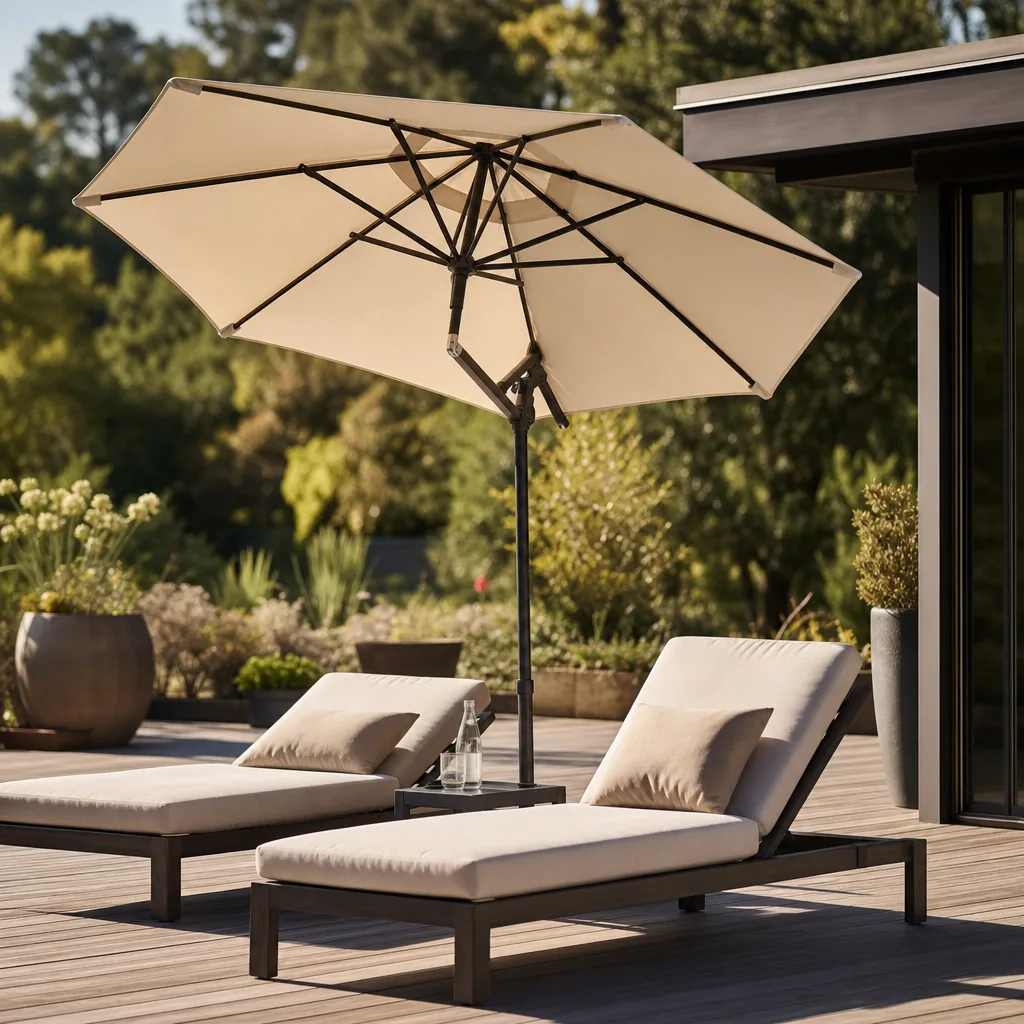
A welcome-kit umbrella looks simple until guests start taking it through revolving doors, wet marble lobbies, coastal wind, and repeated handoffs at the front desk. As a factory team that specifies shafts, ribs, runners, tips, and canopy coatings every day, we know the difference between a hotel guest umbrella that feels polished for one stay and one that survives a full season of daily use while keeping the brand presentation consistent.
Map the umbrella to each hotel use case
Lobby standby umbrellas should be treated like shared equipment, not amenities. They are grabbed with wet hands, leaned against stone floors, returned half-open, and sometimes taken by taxi riders who forget they borrowed them. For this use case, I prefer a 27" or 30" straight auto-open umbrella with a fiberglass rib umbrella frame, 8K or 10K ribs, and a 210T pongee canopy with water-repellent coating. Steel ribs are cheaper, but they bend faster when guests force the canopy closed in wind. A vented double canopy is worth considering for coastal or high-rise hotels where gusts around entrances can exceed 40–50 mph. Use a large J-handle or EVA grip so front-desk staff can hang units neatly on a rack. Branding should be visible but restrained: one-panel logo printing is usually enough, because these units are operational tools, not retail merchandise.
Room-closet umbrellas have a different job: they must feel intentional without eating storage space or increasing replacement cost. A compact 21" or 23" auto-open umbrella fits well beside slippers, laundry bags, and garment brushes, especially in city hotels where closet depth is tight. The tradeoff is durability: compact frames have more joints, so I would use fiberglass or reinforced aluminum ribs rather than the lowest-cost black steel frame. For a hotel guest umbrella placed in rooms, loss rate matters more than storm performance. If the umbrella is complimentary, keep the specification simple: 190T or 210T pongee canopy, manual or auto-open, straight black handle, single-color logo. If the property expects return, add a room-number tag or a small sleeve label. A hotel umbrella supplier should ask whether the item is a free amenity, chargeable minibar item, or deposit-based loaner before quoting, because the right unit cost can differ by 30–50%.
Shuttle-service umbrellas need the toughest build because bell staff and drivers handle them repeatedly in rain, wind, and luggage traffic. I recommend 27" straight umbrellas, preferably auto-open, with fiberglass ribs, metal shaft, safety runner, and dark 210T pongee canopy that hides stains from vehicle floors. Avoid tiny folding models for shuttle use; they are slower to deploy and guests often carry bags, children, or phones. For airport hotels, conference properties, and resorts with golf carts, calculate replacement frequency by route volume: a 200-room hotel with active shuttle service may need 80–150 units in circulation, plus 20–30% reserve stock. Our standard practice at ZheBrella is to pack lobby and shuttle umbrellas in separate cartons with different SKU marks, so purchasing can track loss by department. For overseas buyers, combine annual replenishment into one DDP import order when possible; freight per piece drops sharply once carton volume is planned instead of rushed.
Specify a frame built for repeated guest use
For a hotel guest umbrella, the frame matters more than the logo because guests use it hard and staff rarely have time to inspect every unit after rain. I prefer a steel shaft with fiberglass ribs for most welcome kits: the steel center pole gives a solid hand feel and keeps the umbrella from wobbling, while fiberglass ribs flex under gusts instead of taking a permanent bend like thin painted steel ribs. A basic 8K frame is acceptable for lobby lending umbrellas in 23" or 27" sizes, especially when paired with a 210T pongee canopy. For higher-end properties, airport hotels, or coastal locations, 16K construction spreads wind load across more ribs and gives the canopy a smoother profile, reducing spoke breakage and fabric stress at the seams.
Quick deployment is not a luxury at a hotel entrance; it prevents bottlenecks when ten guests walk out during a downpour. An auto-open umbrella should use a clean trigger with a firm spring, not an overly aggressive mechanism that shocks the runner and loosens the rib joints after a few hundred cycles. On production lines, we check the button action, runner lock, and spring rebound before packing because failures here show up immediately at the front desk. Tip caps also deserve attention: rounded plastic or metal caps protect guests, luggage, and car doors, while poorly crimped tips can detach and expose sharp rib ends. For branded hotel programs, I would reject any sample with loose tips after a 20-cycle open-close test.
The right specification depends on whether the umbrellas are given away, loaned from a stand, or placed in VIP rooms. A compact auto-open umbrella works for room kits, but a 27" straight umbrella with fiberglass ribs is better for doormen and valet areas because it covers both guest and luggage. Our standard practice at ZheBrella is to match 8K fiberglass to economy and midscale hotel programs, then move to 16K fiberglass or reinforced 8K for properties expecting repeated daily use. If you are buying from a hotel umbrella supplier under a DDP import order, define the shaft material, rib count, open-close mechanism, tip cap type, and wind test expectation in the PO, not just the diameter and canopy color.
Choose fabrics and colors that look clean after wet use
For most hotel programs, I would choose a 210T pongee canopy before polyester taffeta because it dries faster, feels smoother in the guest’s hand, and does not look wrinkled after repeated wet use. A hotel guest umbrella is handled in lobbies, cars, elevators, and restaurants, so the fabric has to shed water without looking tired after one rainy weekend. 210T pongee has a tighter weave than common 190T fabric, which gives better drape over 8K or 10K frames and reduces the cheap, shiny look that procurement teams often reject during sample review. When paired with a proper water-repellent finish, droplets bead and roll off instead of soaking into the panels. I would specify a coating test on pre-production samples, not just accept the supplier’s fabric label. After opening and closing the umbrella 20 to 30 times while wet, the canopy should still fold cleanly without sticky panels or visible crease whitening.
Dark neutral colors are the safest choice because they stay presentable after wet use, guest handling, and storage in umbrella stands. Black, charcoal, navy, dark green, and deep burgundy hide splash marks better than white, beige, or pale gray, especially near the crown and panel seams where water collects. For a 23-inch or 27-inch hotel umbrella supplier program, I usually recommend one solid canopy color with matching binding and tips, then use a restrained logo in white, silver, tone-on-tone gray, or one PMS brand color. Oversized printing may look good on a mockup, but in a lobby it can feel like a street promotion product. A 70 to 120 mm logo on one or two panels is usually enough for visibility while keeping the umbrella appropriate for business travelers, wedding guests, and VIP arrivals. Screen printing works well on dark pongee if the ink is properly cured and rub-tested after drying.
The water-beading finish matters as much as the fabric color because poor repellency makes even a premium canopy look dirty. A Teflon-style treatment or quality water-repellent coating should be checked by spray test, then reviewed again after light abrasion along the fold lines. For a higher-end hotel guest umbrella, combining a 210T pongee canopy with a fiberglass rib umbrella frame is a practical balance: the canopy looks clean, and the ribs flex better than thin steel when guests walk through wind at the entrance. If the property wants an auto-open umbrella for valet or concierge use, make sure the spring action does not throw water onto the user when opened indoors. Our standard practice at ZheBrella is to approve color, coating, logo ink, and wet-fold appearance together before bulk cutting, because those four items determine whether the umbrella still looks like part of the hotel brand after the first storm.
Reduce housekeeping friction and replacement cost
The fastest way to cut replacement cost is to make the umbrella easy for housekeeping to issue, collect, dry, and store. For a hotel guest umbrella, I prefer a straight 23" or 27" auto-open umbrella with a sleeve that has a wide mouth, reinforced tip end, and a pull tab large enough for gloved hands. Tight sleeves look neat in a sample room but slow down attendants when the canopy is damp. A hanging loop should be stitched into the sleeve seam with box-and-cross reinforcement, not just heat-sealed or caught by one line of thread. On storage carts, 20 to 40 umbrellas are often stacked horizontally, so the sleeve fabric should be 190T or 210T pongee rather than thin polyester that snags on cart rails. In guest-room closets, the loop should fit standard hangers and wall hooks without stretching, and the sleeve length must cover the wet tips to avoid dripping onto carpet.
Handles matter more than many hotel buyers expect because they collect sunscreen, hand lotion, disinfectant residue, and lobby dust. Glossy painted wood looks premium on day one but chips quickly when carts bump through service corridors. For most properties, a matte ABS or rubberized PP handle wipes clean better and hides scratches. If the brand requires a curved wooden J-handle, request a sealed lacquer finish and test it with alcohol wipes for color transfer. A hotel umbrella supplier should also check handle diameter against the storage method: fat EVA foam grips feel comfortable but waste space in closet racks, while slim plastic crook handles can nest tightly. For wet-lobby use, a fiberglass rib umbrella with a 210T pongee canopy and Teflon-style water repellent coating reduces rust claims because less water stays trapped around the stretcher joints after closing.
Sample approval should include abuse testing, not just logo position and color. Ask for 300 to 500 open-close cycles on a manual model and at least 500 cycles for an auto-open umbrella, with no spring weakness, runner cracking, or loose tips. For coastal hotels or humid basements, request a 24-hour salt-spray test on shaft, ribs, rivets, and ferrule; black electrophoretic steel performs better than cheap spray-painted steel, but fiberglass ribs remove most rust risk at the canopy edge. Seam durability should be checked by pulling each panel seam with 3 to 5 kg of force and inspecting the top notch, tie strap, and sleeve stitching after soaking. Our standard practice at ZheBrella is to include these points in pre-shipment AQL 2.5 inspection for hotel programs, especially when the order is a DDP import order and replacements become expensive after delivery.
Buy with clear terms for multi-property orders
For a multi-property hotel guest umbrella program, do not accept a vague MOQ without a split rule written into the PI. A practical starting point is 500 to 1,000 pieces per model, but the important detail is whether that quantity can be split by canopy color, handle color, and logo version. For example, 1,200 pieces of one 23-inch auto-open umbrella can often be divided into four hotel colors at 300 pieces each if the frame, shaft, ribs, and fabric grade stay the same. Changing from a black 210T pongee canopy to navy is simple; changing one branch to POE transparent canopy or from steel ribs to a fiberglass rib umbrella is a different SKU and should be treated separately. Logo splits also need limits. One-position heat transfer on panels is easier to split than full-panel sublimation or woven label packaging, because screens, films, and color matching all add setup cost.
Lead time should be separated into sampling, first mass run, and repeat order, because buyers often underestimate the approval cycle. A normal pre-production sample takes 5 to 10 days after artwork confirmation, longer if Pantone-matched fabric, custom molded handles, or UPF 50+ coating is involved. First production for a hotel guest umbrella usually runs 30 to 45 days after deposit and sample approval, including fabric cutting, panel printing, sewing, frame assembly, in-line inspection, and final AQL 2.5 checking. Repeat orders are faster, commonly 20 to 30 days, if the hotel umbrella supplier keeps the same BOM: 8K or 10K frame, 190T or 210T pongee canopy, handle, sleeve, carton mark, and logo position. If procurement expects seasonal replenishment before rainy season, lock the repeat forecast early; during April to July, frame and fabric queues in Shangyu can stretch by 7 to 14 days.
FOB is the cleaner term when a hotel group has centralized procurement, a nominated forwarder, and one receiving warehouse in the U.S., EU, or Middle East. Under FOB Ningbo or Shanghai, the factory controls production, export cartons, China customs, and port delivery, while the buyer controls ocean freight, insurance, destination clearance, and inland trucking. That gives the purchasing team better rate visibility, especially for 5,000 to 20,000 umbrellas shipping by LCL or full container. A DDP import order makes more sense when the buyer wants cartons delivered directly to multiple hotel locations or regional warehouses without each property handling customs paperwork. DDP costs more per unit, but it simplifies budgeting because duty, VAT where applicable, clearance, and final-mile delivery are bundled. For split deliveries, insist on a packing list by property, carton labels with hotel codes, and overage stock of 1% to 2% for replacements.
Frequently Asked Questions
What umbrella style works best for hotel lobbies and guest rooms?
A straight-handle auto-open umbrella is usually the easiest for guests to use and the simplest for staff to restock. Hotels often choose 210T pongee, fiberglass ribs, and a dark color that hides water marks.
How can hotels lower replacement rates on guest umbrellas?
Ask for fiberglass ribs, reinforced stitching, and a tested AQL 2.5 inspection standard. It also helps to order a spare buffer, usually 2% to 5% extra units, for loss and damage.
What umbrella size works best for hotel guest rooms versus valet or entrance use?
For guest room placement or welcome kits, a 23-inch straight umbrella is the most common because it balances coverage, storage, and cost. For valet stands or front entrances, many buyers move up to 25-27 inches for better rain coverage and a more premium appearance.
How should hotels balance appearance and durability when choosing rib and shaft materials?
A common commercial spec is a metal shaft with fiberglass ribs, which keeps the umbrella looking structured while reducing breakage in windy conditions. Full fiberglass frames are lighter and more flexible, but many hotels choose mixed-frame construction to control cost on orders starting around 500-1,000 pieces.
What details should be confirmed before placing a DDP import umbrella order for a hotel program?
Confirm carton dimensions, unit weight, labeling, logo color match, and the final delivered address before mass production. For custom hotel umbrellas, buyers typically also lock in MOQ, sample approval, production lead time of about 25-35 days, and whether duties and last-mile delivery are included under the DDP quote.
Looking to Launch Your Custom Umbrella Line?
ZheBrella is a Zhejiang-based OEM/ODM umbrella manufacturer with 17 years of export experience. Free design, low MOQ from 100 pieces, windproof construction, full-color print.
Get Free Quote Now »People Also Search For
Related Articles
Hotel Guest Umbrellas: Buyer Guide for Durable Loaner Programs
Specify hotel guest umbrellas with durable ribs, 190T/210T pongee, logo placement, QC checks, MOQ, lead time, and FOB/DD...
Read More »
Business Gift Umbrellas: How to Choose a Spec That Sells
Compare canopy size, rib count, and fabric to spec business gift umbrellas that protect users, carry branding well, and ...
Read More »
Hotel Guest Umbrellas: Buyer Specs for Durable Loan Programs
Specify hotel guest umbrellas for loan programs with durable frames, easy handling, logo placement, QC checks, and reord...
Read More »