Pantone to Canopy: Approving Umbrella Colors for Brands
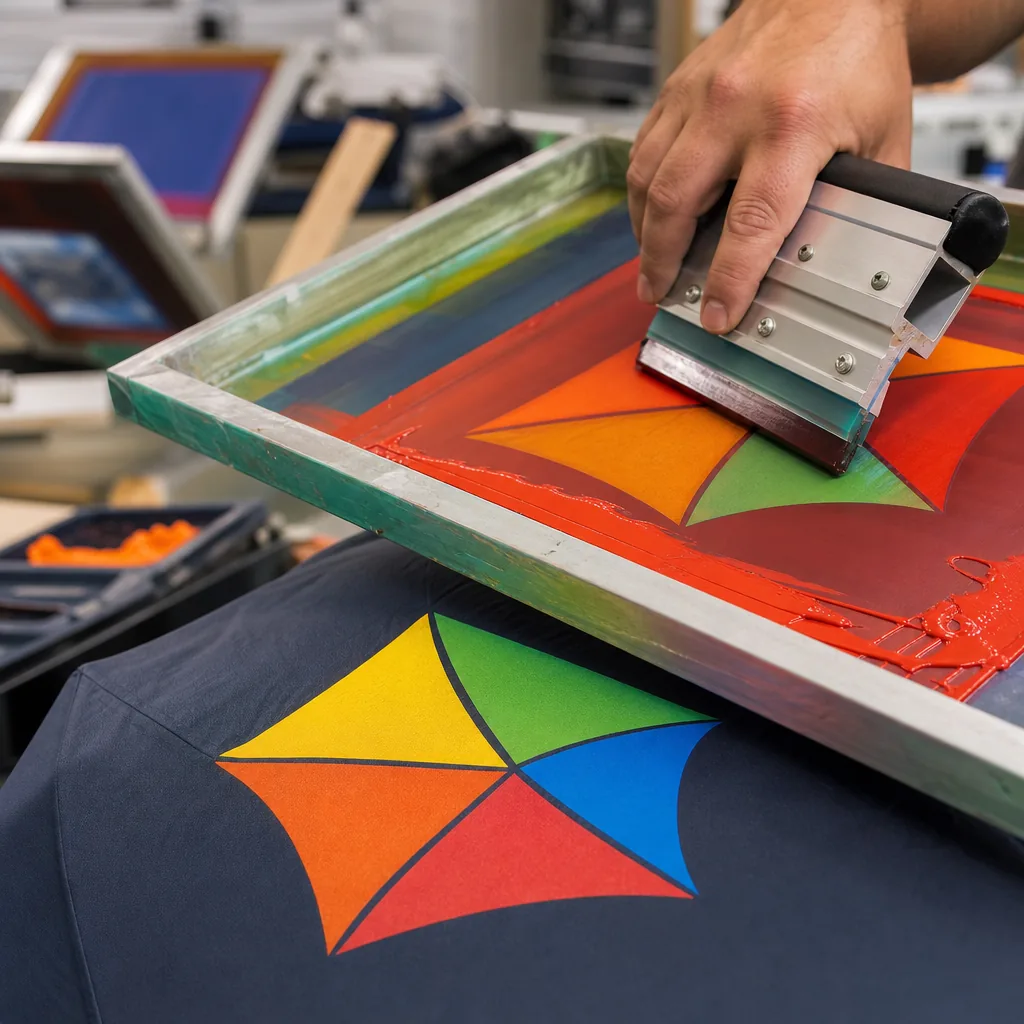
Approving umbrella colors sounds simple until a Pantone chip meets dyed polyester, coated panels, and factory lighting that shifts every shade by a little. For brands, the real risk is not choosing a color but locking in the wrong one—then paying for rework, delays, and inconsistent lots. At ZheBrella, we treat umbrella color approval as a production control step, using swatches, lab dips, and clear tolerances before bulk cutting starts.
Start with Brand Color Targets
Buyers should start with a hard color target, not a mood description. For umbrella color approval, the cleanest package is a Pantone reference, the approved artwork file, and a written list of unacceptable color ranges. If a brand wants a navy canopy, that means one specific Pantone code, the artwork showing how that color sits against logo inks, and a tolerance note that rejects anything drifting too far toward royal blue or black. In procurement, that is what keeps the custom umbrella factory from guessing and keeps the first sample from becoming a debate.
Verbal color names are weak control tools because they move around by region, buyer, and sales rep. "Red" can mean fire red, wine red, or tomato red, and each of those will look different on a 190T pongee canopy under daylight versus warehouse lighting. For Pantone matching umbrellas, the factory needs a physical or digital standard with clear tolerance, plus canopy color swatches or reference photos that show the target on fabric, not just on a screen. That is basic brand color control, and it is the difference between a controlled approval loop and a pile of avoidable re-sampling.
OEM umbrella sampling works best when the buyer defines both the target and the reject line before cutting fabric. Include the exact Pantone code, whether the finish should be matte or glossy, and which neighboring tones are not acceptable; that prevents the sample room from pulling the closest cloth and calling it "good enough." ZheBrella’s standard practice is to treat the first submission as a control document, not a creative brief, because umbrella color approval gets expensive fast once printing, canopy cutting, and panel stitching have already started.
Fabric Dye Limits and Material Differences
The first thing buyers learn in umbrella color approval is that fabric construction changes the color, even before the dye house does anything wrong. Pongee 190T usually takes pigment a little softer than 210T because the weave density and yarn body are different, so the same formula can land slightly lighter or flatter on a finished canopy. Recycled polyester is less predictable again: the base feedstock, melt history, and fiber finish can move the shade, which is why canopy color swatches on recycled cloth need to be judged as production-material samples, not as generic Pantone matching umbrellas.
Light source matters just as much as the substrate. A color that looks clean under a shop’s LED tubes can shift warmer or grayer in daylight, and a blue-white office light can make a deep navy look tighter than it really is. In a custom umbrella factory, we treat brand color control as a material-and-light problem, not a print-file problem, and we usually confirm shades under both D65 daylight and the buyer’s indoor reference when possible. That is especially important for Pantone matching umbrellas where the target sits near the edge of the fabric’s achievable range.
Metallics, darks, and bright reds need the most tolerance because they expose every weakness in dye uptake and coating consistency. Dark navy, black, and charcoal can show panel-to-panel variation if the resin or heat setting is uneven, while vivid red often loses saturation first and turns orange or dull under sunlight. For OEM umbrella sampling, I advise buyers to approve with a practical tolerance band instead of expecting lab-perfect equality, because a swatch that looks identical on paper can still read differently once it is cut, sewn, tensioned, and inspected on the frame.
Swatches, Lab Dips, and Approval Samples
For umbrella color approval, the cleanest chain is swatches first, lab dips second, strike-offs third, then a pre-production sample that matches the actual run. Start with a physical canopy color swatch or Pantone target, not a screen file, because polyester pongee, POE, PVC, and EVA all shift differently under the same formula. A custom umbrella factory should make one or two lab dips for the fabric base, then print or dye a strike-off on the exact substrate and coating spec you plan to buy. That is where most problems show up: a Pantone number can look right on paper and still land too dull, too blue, or too translucent once the resin, weave, and coating are in place.
Under D65 light, check the sample for hue, value, and chroma, then move it around because gloss and texture can trick the eye. At arm’s length, you are testing what customers actually perceive: whether the canopy reads as the right brand color, not whether a spectrophotometer gives a perfect delta. Put the umbrella sample beside the brand’s printed packaging, hangtags, and instruction sheet, because packaging ink is often a little warmer or cooler than the canopy. That side-by-side check is the fastest way to catch bad combinations like a clean blue canopy next to a greenish carton, which usually gets rejected in OEM umbrella sampling even if the canopy alone looked acceptable.
The pre-production sample should be the final approval gate for brand color control, and it needs to include the real canopy size, panel count, sewing thread, edge binding, and any logo print or heat-transfer mark. On the factory floor, we treat this as the reference piece for the bulk order: if the pre-production sample passes, the same material lot and ink batch should be locked for production. Keep one signed sample from the buyer, one from the factory, and one sealed for QC; that avoids arguments later when a shipment drifts by half a shade. If the buyer wants strict Pantone matching umbrellas, the approval should also state the acceptable tolerance, the light source used, and whether the packaging must match under the same viewing conditions.
Consistency Across Reorders
For repeat programs, the only way to keep umbrella color approval from drifting is to lock the color spec in three places: the Pantone target, the physical approved master sample, and an archived digital reference shot under controlled light. In practice, we keep a shade band around the target because fabric dye lots are never identical run to run; if the delta is outside the agreed tolerance, the lot gets rejected before cutting. That matters more on glossier materials like POE and PVC, where surface reflectance makes a color look heavier or lighter than it really is, and less on 190T or 210T pongee, which reads more honestly.
Brand color control gets much tighter when the buyer sends canopy color swatches with a hard approval trail instead of loose email references. At a custom umbrella factory, we treat the approved swatch as the production reference and store it with the PO, lab dip result, and photo record so the next reorder can be checked against the same standard. For Pantone matching umbrellas, the real issue is not just the shade name but the substrate: the same Pantone number can shift once it is printed, dyed, or transferred onto fiberglass-reinforced panels, so OEM umbrella sampling should always end with a signed master sample, not a verbal okay.
If a brand wants a new color developed from scratch, MOQ usually goes up because the mill needs a separate dye setup and the factory has to run more sampling and wash tests before mass cutting. Lead time also stretches, often by 7 to 15 extra days beyond a standard reorder, depending on whether the color is a stock match or a custom lab dip that needs correction. Our standard practice is to quote reorders off the archived approval file and only reopen sampling when the buyer changes the shade band, the fabric base, or the print method, because once those variables move, the old approval no longer protects either side.
Quality Control and Shipping Risk
Color variation usually shows up in two places: fabric dye lots and print ink mixing. With Pantone matching umbrellas, the canopy can drift a shade lighter or darker when the polyester lot changes, especially on 190T or 210T pongee where the base weave absorbs dye differently. Printed logos add another failure point: a red that looks clean on a canopy color swatch can shift after heat transfer or screen printing if the ink batch is mixed too wet, too thin, or cured at the wrong temperature. On the factory floor, I treat umbrella color approval as a material-control problem, not a design problem. If the buyer wants brand color control, we lock the approved swatch, the fabric lot, the ink formula, and the tolerance window before production starts at the custom umbrella factory.
For OEM umbrella sampling, the only sample that matters is the one made from the same canopy fabric and the same ink system as bulk production. A lab dip or digital proof is not enough if the final order is going into 5,000 or 20,000 pieces, because batch-to-batch shade drift can become obvious once cartons are opened side by side. Our standard practice is AQL 2.5 inspection on shade consistency, logo placement, and carton counts, with a separate check for mixed lots when two dye batches are used to cover a large order. If the buyer is strict about umbrella color approval, the purchase order should name the approved sample code and reject any substitution of fabric lot, pigment, or printing process without written sign-off.
Shipping terms matter more than most buyers expect when color rejection risk is high. Under FOB, the buyer owns the freight decision and usually needs a tighter pre-shipment sign-off, because any shade dispute after the container leaves port is expensive to unwind. Under DDP, the supplier carries more of the logistics burden, so carton labeling and traceability become critical: each carton should show the color code, sample reference, and production lot so a mixed shipment can be isolated fast if one batch is off. When the order is large and the brand margin is tight, I usually recommend a hard hold on shipment until the final inline photos and AQL report match the approved Pantone target, because rework after export is slower and costlier than rejecting a bad lot before loading.
Frequently Asked Questions
Can a factory match any Pantone exactly on umbrella fabric?
No. Fabric type, coating, lighting, and dye lot all affect the final result. The best practice is to approve a lab dip or physical sample against the target Pantone under controlled light.
Why does the same color look different on different umbrella parts?
The canopy, strap, sleeve, and handle often use different materials and finishing methods. Each substrate reflects light differently, so approved color specs should be set separately when needed.
How many color samples should a buyer request before approving an umbrella canopy color?
For most OEM programs, request at least one Pantone-matched strike-off or swatch set plus one pre-production sample. If the color is brand-critical, ask for a lab dip approval first and keep the approved physical swatch on file for production comparison.
What tolerance is usually acceptable for umbrella canopy color matching?
Many buyers specify an acceptable Delta E range, often around 1.0 to 2.0 depending on the brand standard and fabric type. The exact tolerance should be written into the approval sheet because polyester, pongee, and recycled fabrics can all shift slightly under different lighting.
How long does the umbrella color approval step usually add to lead time?
Swatch confirmation can take a few days, while lab dip approval often adds 5 to 10 days depending on fabric and dyehouse turnaround. If revisions are needed, plan extra time before bulk cutting to avoid rework and color variation across the order.
Looking to Launch Your Custom Umbrella Line?
ZheBrella is a Zhejiang-based OEM/ODM umbrella manufacturer with 17 years of export experience. Free design, low MOQ from 100 pieces, windproof construction, full-color print.
Get Free Quote Now »People Also Search For
Related Articles

Brand Color Control for Branded Umbrellas in Production
Learn how to control brand color on custom umbrellas, from Pantone matching and fabric dye limits to approval samples an...
Read More »Brand Color Control for Umbrella Decoration Programs
Keep logo and canopy colors consistent across umbrella orders with practical specs for Pantone targets, fabric limits, a...
Read More »
Color Consistency Across Umbrella Branding Programs
Build repeatable umbrella branding with controlled canopy colors, trim rules, and approval steps that keep retail and co...
Read More »